The 2025 horror film cycle marked a significant turning point for the genre, balancing high-budget franchise expansions with daring, original concepts from established directors. This year saw the return of iconic properties like 28 Years Later and Wolf Man, alongside experimental hits that redefined the boundaries of psychological and "techno-horror" for modern audiences.
The Resurgence of the Classic Monster and Legacy Horror
The year 2025 was defined by the revitalization of classic horror archetypes, specifically through the lens of modern psychological trauma. Leading this charge was Leigh Whannell’s Wolf Man, a project that spent years in development before finally manifesting as a terrifying exploration of familial collapse. Unlike the action-heavy iterations of the past, the 2025 version prioritized body horror and the claustrophobia of a home-invasion thriller. Whannell, known for his work on The Invisible Man (2020), utilized practical effects to ground the supernatural elements, a trend that resonated deeply with fans tired of excessive CGI.
Furthermore, the release of 28 Years Later in June 2025 served as a massive cultural event. Directed by Danny Boyle and written by Alex Garland, the film returned to the gritty, digital aesthetic that revolutionized the zombie subgenre in the early 2000s. The production gained technical notoriety for being shot primarily on adapted iPhone 15 Pro Max systems, pushing the boundaries of professional cinematography. This choice wasn't just a gimmick; it captured the raw, frantic energy of a world two decades post-outbreak, proving that high-stakes horror could still feel intimate and experimental.
The legacy trend also extended to the Final Destination franchise with Final Destination: Bloodlines. By moving away from the "disaster-of-the-week" format and focusing on the generational curse of death, the film managed to attract both nostalgic older viewers and a new generation of fans who discovered the series through viral social media clips.
High-Profile Sequels and the Expansion of Modern Franchises
The 2025 calendar was heavily populated by sequels to recent breakout hits, demonstrating the industry's reliance on established "horror universes." One of the most anticipated titles was M3GAN 2.0, which arrived in mid-2025. Following the viral success of the first film, the sequel expanded on themes of artificial intelligence and the "uncanny valley." The film's marketing leaned heavily into its campy roots while introducing more sinister commentary on the ethics of AI companionship.
Another massive success was Five Nights at Freddy’s 2, released in December 2025. Building on the massive box office numbers of the 2023 original, the sequel leaned further into the lore of the video game series. It maintained a PG-13 rating, ensuring it remained accessible to the younger "Gen Alpha" demographic that has become a vital pillar of horror's commercial viability.
October 2025 saw the release of The Black Phone 2, with Scott Derrickson returning to direct and Ethan Hawke reprising his role as the Grabber. This sequel was a unique challenge, as the first film felt self-contained; however, the script navigated this by exploring the supernatural mechanics of the "black phone" and the lingering trauma of the survivors. This trend of "trauma-horror" continued to be a dominant narrative framework throughout the year.
The Auteur Influence: Original Horror in 2025
While franchises dominated the box office, 2025 was a stellar year for original, director-driven horror. Osgood Perkins, coming off the massive success of Longlegs, released The Monkey, an adaptation of a Stephen King short story. Perkins brought his signature atmospheric dread to the project, transforming a simple premise about a cursed toy into a complex study of childhood guilt and cosmic horror. The film benefited from Perkins’ growing reputation as a master of "vibe-based" horror, where the environment is as threatening as the monster itself.
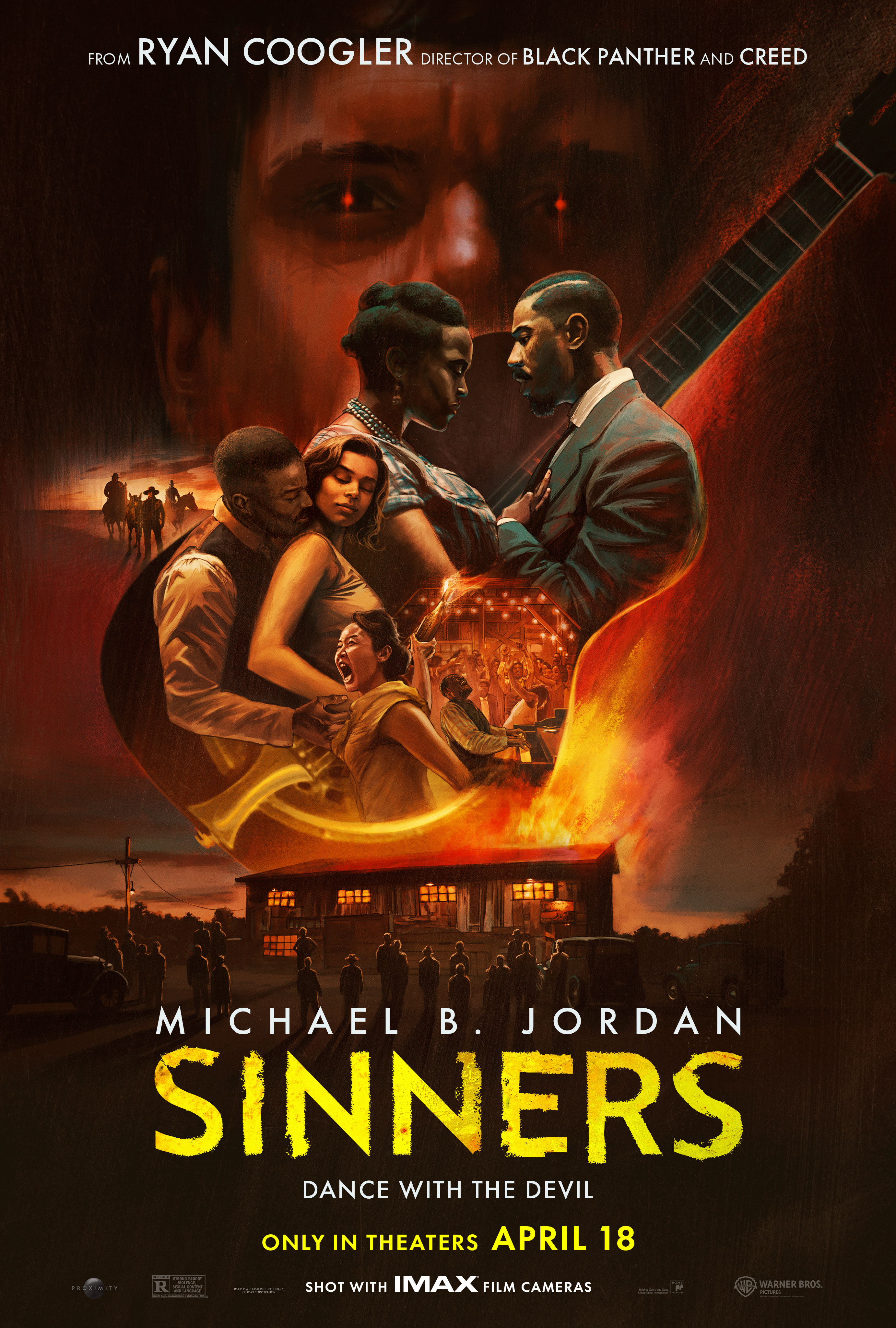
Sinners, directed by Ryan Coogler and starring Michael B. Jordan, was perhaps the most ambitious original horror project of the year. Set in the 1930s Jim Crow South, the film blended historical drama with vampire mythology. By using the genre to explore real-world social horrors, Coogler followed in the footsteps of Jordan Peele, proving that "elevated horror" still has a significant place in the cultural conversation. The film's use of period-accurate production design and high-contrast cinematography made it a critical darling.
Emerging Trends in Cinematography and Sound Design
Technically, 2025 was a year of "analog revival." Many cinematographers moved away from the clean, sterile look of 4K digital sensors in favor of 16mm film or digital filters that mimic the grain and imperfection of VHS tapes. This aesthetic, often called "Analog Horror," transitioned from internet subcultures into mainstream theatrical releases.
Sound design also took a front seat. Films like A Quiet Place: Day One (which saw continued streaming relevance in early 2025) and The Monkey used silence as a weapon. The 2025 horror slate emphasized "sonic storytelling," where the absence of sound or the use of binaural audio created an immersive, 360-degree experience for theater-goers. This trend was particularly effective in Dolby Atmos-equipped cinemas, making horror one of the few genres that still commanded a "must-see" theatrical presence.
Key Horror Releases of 2025: At a Glance
| Film Title | Director | Primary Sub-genre | Key Narrative Theme |
|---|---|---|---|
| Wolf Man | Leigh Whannell | Creature Feature | Familial disintegration and transformation |
| The Monkey | Osgood Perkins | Supernatural | Cursed objects and childhood trauma |
| Sinners | Ryan Coogler | Period/Vampire | Racial tension and gothic folklore |
| 28 Years Later | Danny Boyle | Post-Apocalyptic | Societal collapse and survivalism |
| M3GAN 2.0 | Gerard Johnstone | Techno-Horror | Artificial Intelligence and obsession |
| FNAF 2 | Emma Tammi | Supernatural/Slasher | Video game lore and animatronic horror |
| The Black Phone 2 | Scott Derrickson | Psychological | Resilience and the supernatural |
Domestic and International Market Performance
The financial health of the horror genre in 2025 remained robust, largely due to its high return on investment (ROI). Most horror films produced in 2025 operated on budgets between $10 million and $35 million, yet many saw domestic openings exceeding their entire production costs. International markets, particularly South Korea and Mexico, showed a growing appetite for Western supernatural horror, leading to more coordinated global release dates.
Studios like Blumhouse and A24 continued to dominate different sectors of the market. Blumhouse maintained its grip on the "mainstream-commercial" sector with Wolf Man and M3GAN 2.0, while A24 focused on niche, "prestige horror" that performed well in urban centers and on streaming platforms. The 2025 market proved that horror is "recession-proof," as audiences continued to seek out communal scares despite fluctuations in the broader entertainment economy.
Critical Reception and the Shift in "Elevated Horror"
By 2026, we can see that the critical discourse surrounding 2025's horror films shifted away from the term "elevated horror." Critics began to reject the idea that horror needs to be "elevated" to be considered art, instead praising films for their technical mastery and genre-specific thrills. The conversation moved toward "Hyper-Realism" and "Folk-Gothic," as directors explored more specific cultural and regional fears.
The 2025 slate was also notable for its inclusivity. More films featured diverse leads and explored horror through non-Western lenses. This wasn't just a matter of representation; it brought fresh mythologies and folklore to the screen, preventing the genre from becoming stagnant with recycled tropes.
Frequently Asked Questions
Which 2025 horror movie was the most successful?
While final numbers are still being tallied in early 2026, Five Nights at Freddy's 2 is currently the highest-grossing horror film released in 2025. Its massive pre-existing fanbase and PG-13 rating allowed it to outperform R-rated competitors like 28 Years Later and Wolf Man in total ticket sales.
Did any 2025 horror films win major awards?
Ryan Coogler’s Sinners received significant attention during the 2025-2026 awards season, particularly for its cinematography and Michael B. Jordan’s lead performance. While horror rarely wins "Best Picture," Sinners followed the path of Get Out by securing nominations in multiple technical and acting categories.
What was the biggest trend in horror for 2025?
The "Analog Horror" aesthetic and the use of unconventional camera technology (like the iPhones used in 28 Years Later) were the most discussed technical trends. Narratively, the year was dominated by "Legacy Horror"—sequels or reboots of franchises that had been dormant for a decade or more.
Are there any Stephen King adaptations in 2025?
Yes, The Monkey, directed by Osgood Perkins, was the primary Stephen King adaptation of 2025. It was praised for its faithful yet stylistically unique take on the 1980 short story, blending dark humor with genuine scares.
Is the "Conjuring" universe still active in 2025?
Yes, The Conjuring: Last Rites was a major 2025 release, marketed as the final main-line entry in the Warrens' story. It focused on one of their most famous unrecorded cases and served as a capstone for the most successful horror franchise of the 21st century.
Recommendations for Viewers
To fully appreciate the 2025 horror cycle, viewers should start with the "Anchor Films"—Wolf Man and 28 Years Later—to understand the technical direction of the genre. For those seeking deeper narrative complexity, Sinners and The Monkey offer the best examples of how horror can be used for social commentary and psychological exploration. Most of these titles are now migrating to major streaming platforms like Max, Peacock, and Paramount+, making it easier than ever to catch up on the nightmares of the past year.