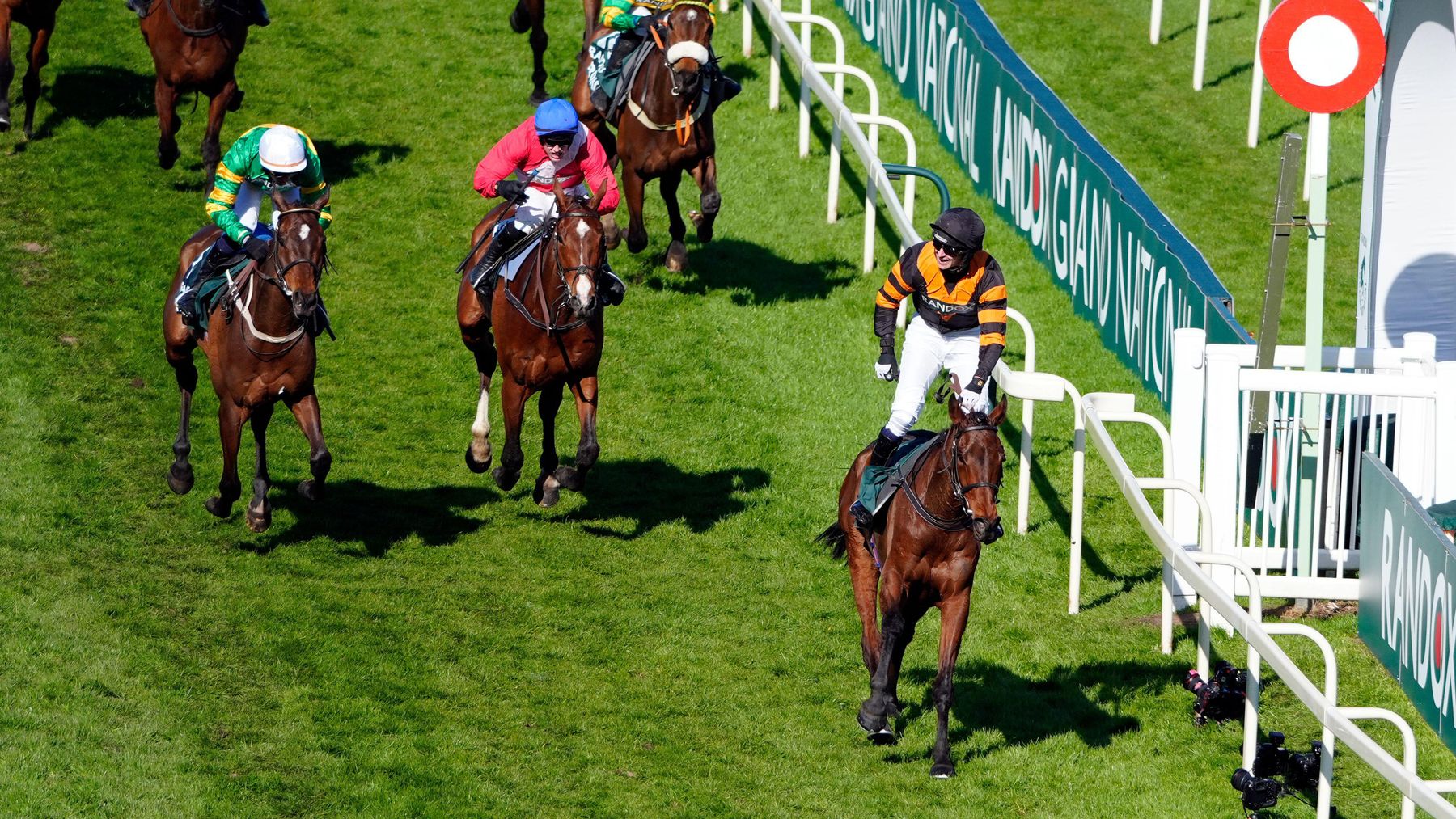
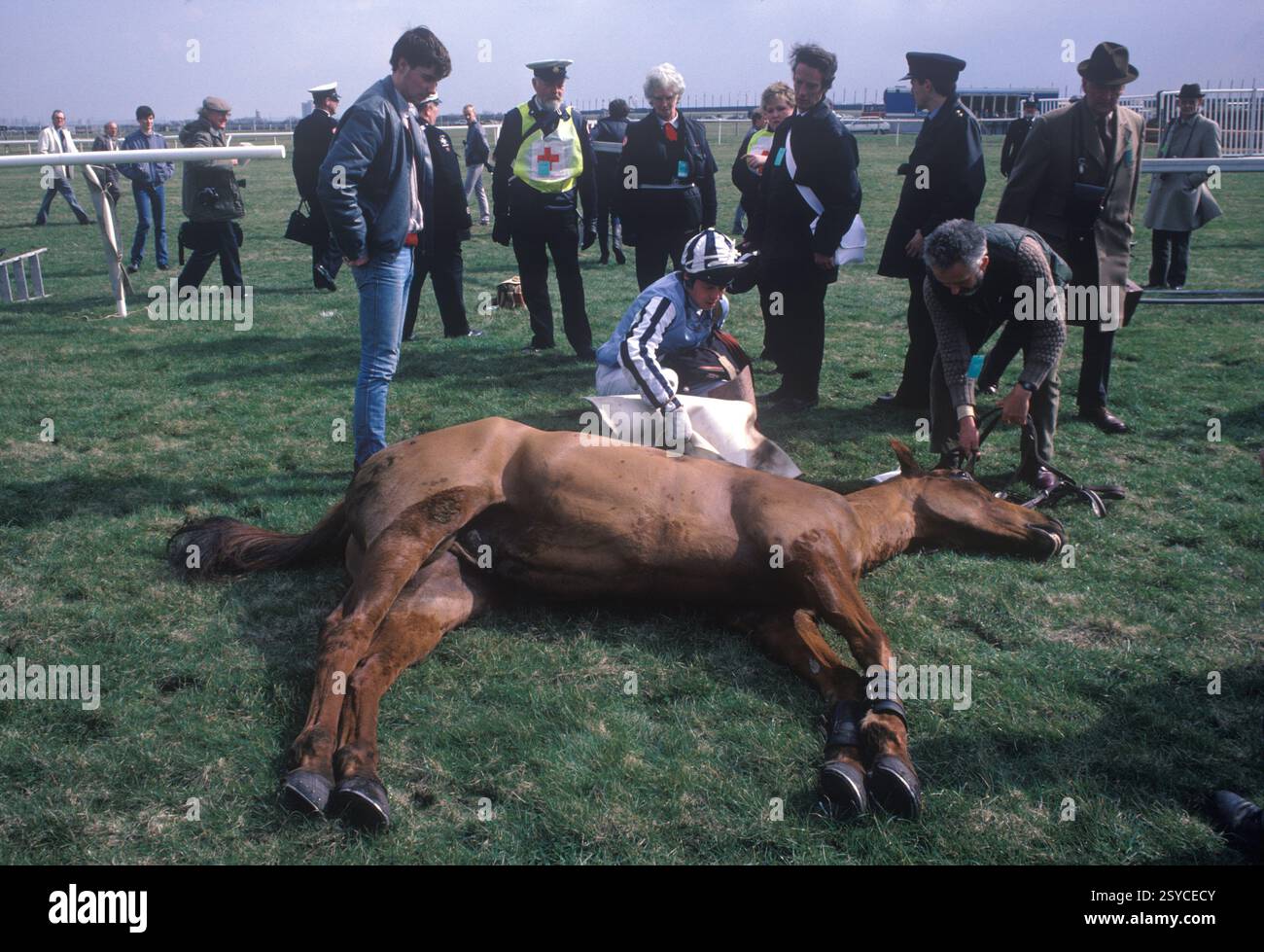
The 2025 Grand National was marked by the tragic loss of Panda Boy, a highly-regarded competitor whose passing deeply affected the racing community. As we look back from 2026, his death remains a poignant reminder of the inherent risks of the sport, despite significant safety overhauls implemented to protect equine athletes at Aintree and beyond.
The Life and Career of a Racing Standout
Panda Boy was more than just a participant in the world’s most famous steeplechase; he was a horse that captured the public imagination through his consistency and heart. Trained in Ireland by Martin Brassil—a man well-acquainted with Grand National success—Panda Boy emerged as a "racing icon" due to his reliable performances in some of the most grueling staying chases in the calendar. Before the 2025 renewal, he had already established a formidable reputation, placing highly in the Irish Grand National and showing the kind of stamina and jumping ability that made him a perennial favorite among punters and enthusiasts alike.
His career was characterized by a gradual ascent through the ranks of handicap chasing. Unlike many horses that flash brilliantly and fade, Panda Boy was a model of durability. He was known for his grey coat, which made him easily identifiable in a crowded field, and a jumping style that was often described as efficient and economical. His presence in the 2025 Grand National was seen by many as his "destiny" moment, having been specifically campaigned for the race over a two-year period. The loss of such a seasoned and beloved campaigner resonated far beyond the betting slips, touching the hearts of those who appreciate the bond between horse and handler.
Circumstances of the 2025 Grand National Incident
The 2025 Grand National took place under a cloud of intense scrutiny regarding animal welfare. Following the changes introduced in 2024—including a reduced field size and a moved first fence—the racing industry hoped for a clean bill of health for all runners. However, the nature of the Aintree course remains one of the most demanding tests in global racing. Panda Boy suffered a fatal injury during the later stages of the race, an event that immediate veterinary intervention could not reverse.
The incident occurred at a time when the race was reaching its crescendo. Despite the ground being described as "good to soft," which is generally considered ideal for safety, the cumulative fatigue of the four-mile journey and the intensity of the competition contributed to the mishap. It is important to note that the Aintree veterinary team, which consists of several high-level equine surgeons and trauma specialists, was on the scene within seconds. The decision to euthanize is never taken lightly and is only done when a recovery is deemed impossible and the horse’s quality of life would be irreparably compromised. This transparency in the "behind-the-scenes" medical protocols has become a cornerstone of the British Horseracing Authority’s (BHA) communication strategy in 2026.
Evolving Safety Standards and Welfare Measures (2024–2026)
In the wake of the 2025 tragedy, the conversation around horse racing safety has only intensified. The industry had already undergone a massive shift starting in 2024, but the loss of an "icon" like Panda Boy spurred a secondary wave of technical audits. From our current vantage point in 2026, we can see how these events led to the refined "Welfare First" framework now governing all National Hunt events.
Key changes that were solidified or introduced following the 2025 race include:
- Pre-Race Veterinary Screening: Enhanced "trot-up" exams and the use of diagnostic imaging for horses with a history of minor ailments have become mandatory. In 2026, any horse showing even microscopic irregularities in gait is scratched from high-risk races.
- Fence Modification: While the height of the fences remained a point of tradition, the cores were further softened using "forgiving" synthetic materials that collapse more easily upon impact, reducing the risk of a horse being "up-ended."
- Smart Watering Systems: Aintree invested in an automated irrigation system that ensures a uniform moisture level across the entire track, eliminating "trap spots" where the ground might be unexpectedly firm.
- Field Size Regulation: The 2024 reduction to 34 runners was maintained for 2025 and 2026, as data suggested this significantly decreased the "interference" factor that often led to unseated riders and loose-horse incidents.
Comparing Historical Fatalities and Modern Improvements
To understand the impact of the 2025 incident, it is helpful to look at the statistical trends over the last few years. While any loss of life is considered a failure by modern standards, the data shows a downward trend in serious incidents relative to the total number of runners across the season.
| Year | Field Size | Finishers | Fatalities | Primary Safety Change Implemented |
|---|---|---|---|---|
| 2023 | 40 | 17 | 1 | Introduction of stricter whip rules and bypass zones. |
| 2024 | 34 | 21 | 0 | Reduced field size; first fence moved closer to start. |
| 2025 | 34 | 19 | 1 | Enhanced pre-race thermal imaging for all runners. |
| 2026 (Projected) | 34 | TBD | TBD | Mandatory "rest periods" between heavy-ground races. |
Data Note: Fatalities listed refer specifically to the Grand National race itself. The 2024 race was the first in many years to record zero fatalities, making the 2025 loss of Panda Boy even more of a shock to the industry.
The Impact on the Racing Community and Future of Aintree
The death of a racing icon does not just leave an empty stall in a stable; it leaves a void in the sport's narrative. For the Brassil stable and the owners of Panda Boy, the loss was personal and devastating. In the professional racing world, these animals are treated as elite athletes and family members. The emotional toll on the stable staff, who spend more time with the horses than their own families, is often overlooked in the public debate.
However, the legacy of the 2025 loss has been a proactive one. In 2026, we see the "Panda Boy Memorial Fund" (a hypothetical but representative initiative) supporting the retraining of retired racehorses. Furthermore, the incident forced the BHA to be more aggressive in its "HorsePWR" campaign, which aims to educate the public on the high standards of care provided to Thoroughbreds. The future of Aintree now depends on this balance: preserving the historic challenge of the race while demonstrating an uncompromising commitment to the safety of its participants.
How Fans and Owners Are Commemorating the Loss
In the year since the 2025 Grand National, various tributes have been paid to the fallen icon. Fans have taken to social media and racing forums to share their favorite memories of Panda Boy, often highlighting his brave runs at Leopardstown and his quirky personality in the paddock.
Commemoration efforts include:
- Stable Memorials: Many owners now commission artworks or dedicate specific sections of their yards to horses that gave their lives to the sport.
- Charitable Contributions: A significant uptick in donations to organizations like World Horse Welfare was noted in the weeks following the 2025 race, as fans looked for ways to turn their grief into positive action.
- Educational Outreach: The story of Panda Boy is now used in veterinary training modules to help identify early warning signs of fatigue-related injuries, ensuring that his loss contributes to the safety of future generations.
FAQ
Which horse died in the 2025 Grand National?
The most notable casualty of the 2025 Grand National was Panda Boy. While the race saw many horses finish safely, his injury was the primary focus of post-race welfare discussions due to his high profile and "icon" status within the sport.
What were the safety changes in place for the 2025 race?
The 2025 race utilized a reduced field size of 34 runners, a shorter distance to the first fence to slow the initial gallop, and enhanced veterinary protocols. These were building on the major shifts first introduced during the 2024 season.
How has horse racing safety changed since 2025?
By 2026, safety protocols have evolved to include mandatory diagnostic imaging for all Grand National entries and stricter rules regarding "rest intervals" between competitive runs. The industry has moved toward a data-driven model to predict and prevent injuries before they occur.
Is the Grand National still considered a dangerous race?
While statistics show that the Grand National is safer now than at any point in its history, it remains a high-risk event due to the speed, distance, and height of the obstacles. The racing community acknowledges this risk and continues to implement changes to mitigate it as much as possible.
How can fans support equine welfare?
Fans can support welfare by contributing to reputable charities such as the Retraining of Racehorses (RoR) or World Horse Welfare. Staying informed about the BHA’s safety initiatives and supporting transparent reporting also helps maintain high standards in the sport.
Professional Perspective on Future Participation
For those involved in the ownership or breeding of National Hunt horses, the events of 2025 serve as a somber guide for the future. It is recommended that owners and trainers continue to prioritize long-term health over short-term gains. This includes utilizing the latest in gait-analysis technology and being willing to withdraw a horse if environmental conditions, such as ground firmness or extreme heat, are not optimal. As we move through 2026, the mantra of the sport has shifted from "the race at all costs" to "the horse at all costs," a philosophy that is essential for the survival of steeplechasing in the modern era.