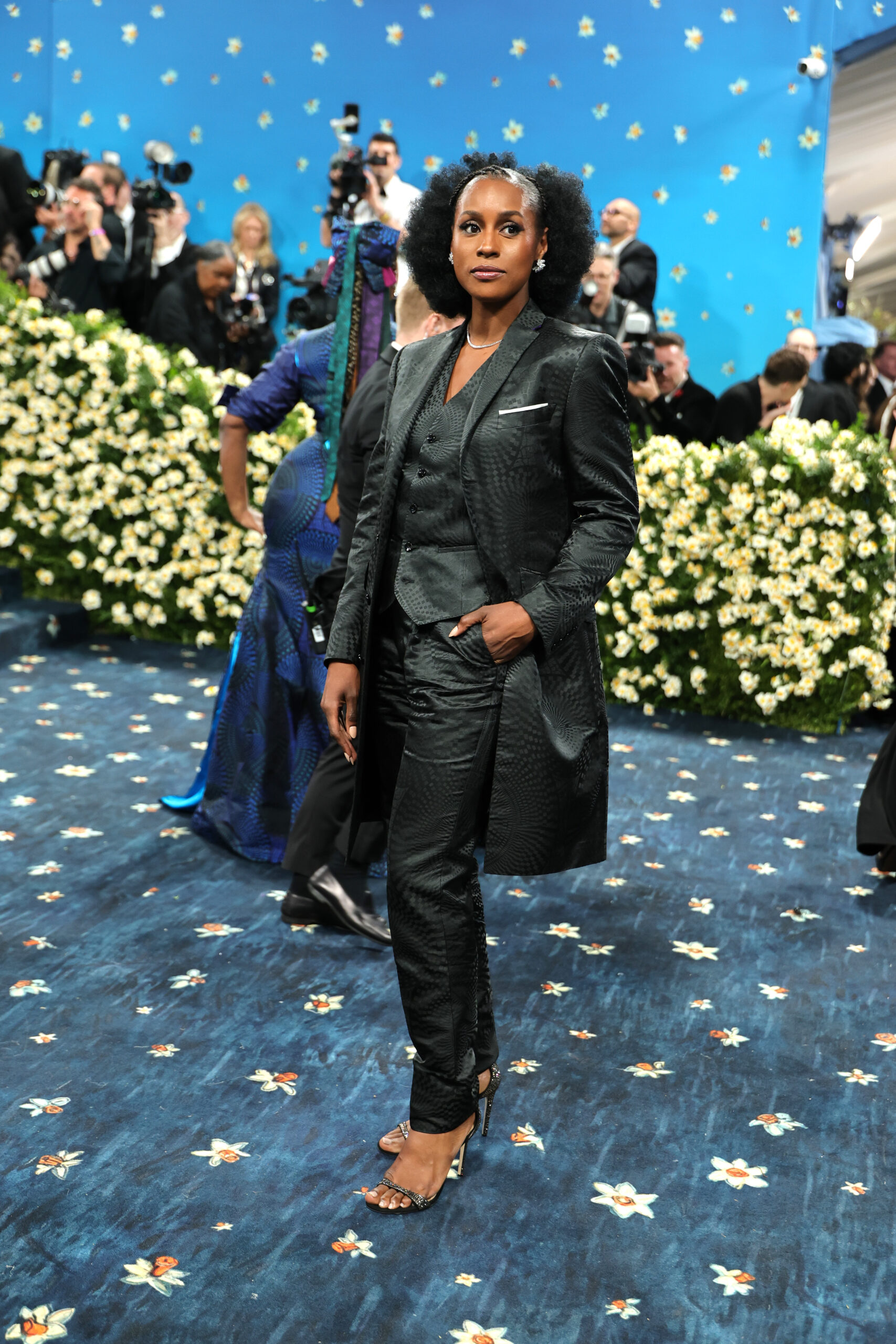
Selecting a 2025 gala venue required a sophisticated balance of logistical capacity, technological infrastructure, and brand alignment. As the industry reflects on the 2025 season from the vantage of 2026, the most successful venues were those offering immersive AV capabilities, sustainable operations, and flexible spatial configurations that accommodated both in-person and digital engagement strategies.
The Evolution of the 2025 Gala Venue Landscape
The 2025 gala season marked a definitive shift in how organizations approached event spaces. No longer viewed as mere containers for attendees, the 2025 gala venue became a strategic partner in storytelling. Throughout the year, we saw a move away from traditional, "white-box" ballroom settings toward venues with inherent architectural character—such as repurposed industrial sites, historic libraries, and contemporary art galleries—that provided a built-in narrative for the event.
For event planners and non-profit organizations, the selection process in 2025 was characterized by a demand for "experiential luxury." This involved moving beyond standard catering and seating to incorporate interactive elements, such as projection mapping on historic walls or integrated digital lounges. The venues that thrived in 2025 were those that invested in high-speed fiber optics and dedicated broadcast suites, acknowledging that the "gala" now extends to a global, digital audience.
Key Selection Criteria for High-Profile Galas
When evaluating a venue for a 2025 gala, several technical and logistical prerequisites dictated the success of the event. Professionals prioritized these factors to ensure that the physical space did not become a bottleneck for the event’s objectives.
Spatial Dynamics and Guest Flow
A primary consideration was the "compression and release" of the guest experience. A premier 2025 gala venue needed a dedicated foyer or reception area that could handle rapid check-ins and security screenings without spilling into the main dinner space. The transition from cocktail hour to the seated program is a critical moment; venues with wide egress points and intuitive layouts were favored to prevent logistical friction.
Acoustic Engineering and Soundscapes
In 2025, the "sound of the room" became as important as its look. Many historic venues, while visually stunning, suffer from excessive reverberation that can ruin a keynote speech or an auctioneer’s rhythm. The top-tier venues for 2025 were those that either featured acoustic treatment or provided clear rigging points for temporary sound dampening and localized speaker arrays. Ensuring every guest—regardless of their proximity to the stage—could hear clearly was a non-negotiable standard.
HVAC and Environmental Comfort
With the increasing focus on attendee well-being, the 2025 gala venue had to demonstrate superior climate control and air filtration systems. Managing the temperature in a room filled with 500 guests in formal wear, under intense stage lighting, requires significant British Thermal Unit (BTU) capacity. Planners in 2025 specifically vetted venues on their ability to maintain a consistent 68–72 degrees Fahrenheit throughout the duration of a high-energy program.
Comparative Analysis of 2025 Venue Categories
The following table compares the three most popular venue types utilized during the 2025 gala season, highlighting their strengths and inherent challenges.
| Venue Type | Primary Advantage | Technical Readiness | Logistics Complexity | Ideal Guest Count |
|---|---|---|---|---|
| Luxury Hotel Ballrooms | Turnkey services & on-site lodging | High (Integrated AV) | Low (In-house teams) | 300 – 1,000+ |
| Historic/Cultural Sites | High prestige & unique aesthetic | Moderate (Requires upgrades) | High (Strict load-in rules) | 150 – 500 |
| Industrial/Raw Spaces | Maximum creative flexibility | Low (Requires full build-out) | Moderate (Power/Water needs) | 200 – 800 |
| Modern Art Galleries | Minimalist, sophisticated backdrop | Moderate (Acoustic challenges) | Low (Fixed layouts) | 100 – 300 |
Technical Infrastructure and Production Integration
The technical requirements for a 2025 gala venue were more demanding than in any previous year. As production values rose to match those of live television, the "bones" of the venue had to support significant weight and power loads.
Power Distribution and Data Connectivity
A standard 2025 gala production often required multiple 200-amp, three-phase power drops to support LED walls, moving lights, and catering equipment. Venues that relied on domestic wall outlets were quickly eliminated from consideration. Furthermore, dedicated, symmetrical gigabit internet was essential for the low-latency streaming of live auctions and remote speakers.
Rigging and Load Capacities
Safety standards for overhead rigging became more stringent in 2025. Planners required certified hang points with documented weight limits. A venue's ability to support a "mother grid" for lighting and sound allowed for a cleaner look on the floor, removing the need for unsightly ground-supported trusses that could obstruct sightlines and reduce the available floor space for tables.
Hybrid Event Capabilities
By 2025, the "hybrid" model had matured. The ideal venue featured a "Tech Mezzanine" or a hidden control room where producers could manage the broadcast without taking up valuable "revenue seats" on the ballroom floor. This separation of production and attendee experience was a hallmark of the most professionally executed 2025 galas.
Sustainability and Ethical Sourcing in 2025
Sustainability transitioned from a "nice-to-have" to a core requirement for any 2025 gala venue. Organizations, particularly those in the non-profit and corporate social responsibility (CSR) sectors, faced scrutiny regarding the environmental footprint of their events.
- Waste Diversion Programs: Venues were expected to provide detailed plans for composting food waste and recycling materials used in set construction.
- Energy Efficiency: Preference was given to LEED-certified buildings or those utilizing renewable energy sources for their primary power grid.
- Local Sourcing: The 2025 venue often acted as the gateway to the local economy. Planners favored venues that had established partnerships with local, sustainable farmers and artisans, reducing the carbon footprint associated with long-distance catering logistics.
- Carbon Offsetting: Many top venues in 2025 began offering integrated carbon-offsetting programs, allowing the host organization to neutralize the travel impact of their guests through the venue’s own environmental initiatives.
Common Pitfalls in Venue Contracting
Even with a perfect physical space, the success of a 2025 gala often hinged on the nuances of the legal agreement. Looking back at the 2025 season, several recurring issues emerged in contract negotiations that planners must continue to monitor in 2026.
Hidden Facility Fees: Many venues in 2025 introduced "labor coordination fees" or "mandatory security surcharges" that were not included in the initial rental quote. Transparency in the "plus-plus" (service charge and tax) was essential for accurate budgeting.
Exclusive Vendor Clauses: Some 2025 gala venues mandated the use of in-house AV or catering teams. While this can simplify logistics, it often led to higher costs and restricted creative freedom. The most flexible venues allowed for "outside" vendors provided they met specific insurance and safety certifications.
Force Majeure and Attrition: Post-2020 awareness meant that 2025 contracts were heavily scrutinized for their cancellation policies. Planners looked for "rolling" attrition dates that allowed them to adjust guest counts and food and beverage minimums as the event date approached, protecting the organization from significant financial loss if attendance didn't meet projections.
Budgeting and Financial Planning for 2025/2026
The cost of a 2025 gala venue was significantly impacted by inflation in the hospitality sector and rising labor costs. On average, venue-related expenses—including rent, labor, and basic infrastructure—accounted for 30% to 40% of the total event budget.
To manage these costs, successful planners in 2025 utilized "off-peak" strategies, such as hosting galas on Thursday evenings or during the "shoulder seasons" (late winter or mid-summer). Additionally, multi-year contracts became a popular tool for locking in rates, as organizations sought to hedge against the pricing volatility expected in the 2026 and 2027 seasons.
Frequently Asked Questions
What was the average lead time for booking a 2025 gala venue?
For premier locations in major metropolitan areas, the standard lead time was 12 to 18 months. High-demand dates, such as Thursday and Saturday nights in October and May, were often secured two years in advance to ensure the desired venue and date alignment.
How did venues handle "sensory-friendly" requirements in 2025?
Leading 2025 gala venues began incorporating dedicated "quiet rooms" or sensory suites. These spaces provided a low-stimulation environment for guests who needed a break from the high-decibel environment of the main ballroom, reflecting a broader commitment to neurodiversity and inclusion in event planning.
Were outdoor venues popular for 2025 galas?
Outdoor venues remained popular for their aesthetic appeal but required significant "Plan B" contingencies. In 2025, planners increasingly opted for venues that offered a seamless "indoor-outdoor" flow, where a terrace could be used for cocktails while the main program remained protected within a climate-controlled interior.
What are the rigging safety standards for modern gala venues?
Venues must comply with local building codes and often require a licensed structural engineer's seal on rigging plots. In 2025, most professional venues required all overhead equipment to be secured with safety cables and installed by ETCP-certified (Entertainment Technician Certification Program) riggers.
How did the 2025 gala season influence 2026 venue trends?
The 2025 season solidified the importance of "modular" spaces. For 2026, we see a continued trend toward venues that can easily shrink or expand their footprint using movable walls or creative lighting, allowing organizations to remain agile regardless of final RSVP numbers.
Strategic Recommendation for Future Planning
As we navigate the 2026 event cycle, the primary takeaway from the 2025 gala venue market is the necessity of technical due diligence. Before signing a contract, perform a comprehensive site visit with your lead production manager to verify power capacities, rigging points, and digital connectivity. The most beautiful room will fail to deliver a return on investment if it cannot support the technical weight of your message. Prioritize venues that view themselves as your production partner, rather than just a landlord, to ensure your organization's goals are met with both style and substance.