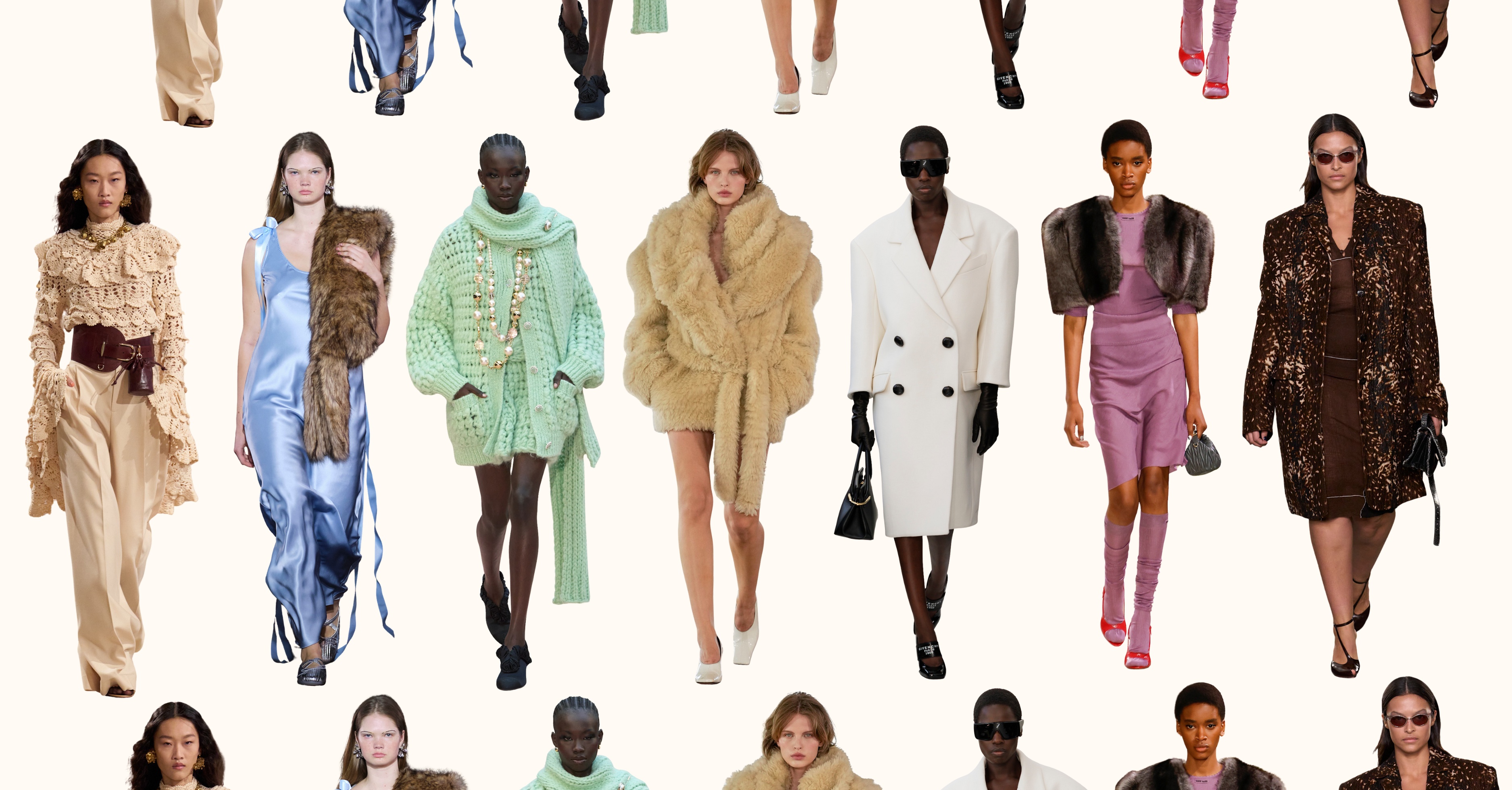
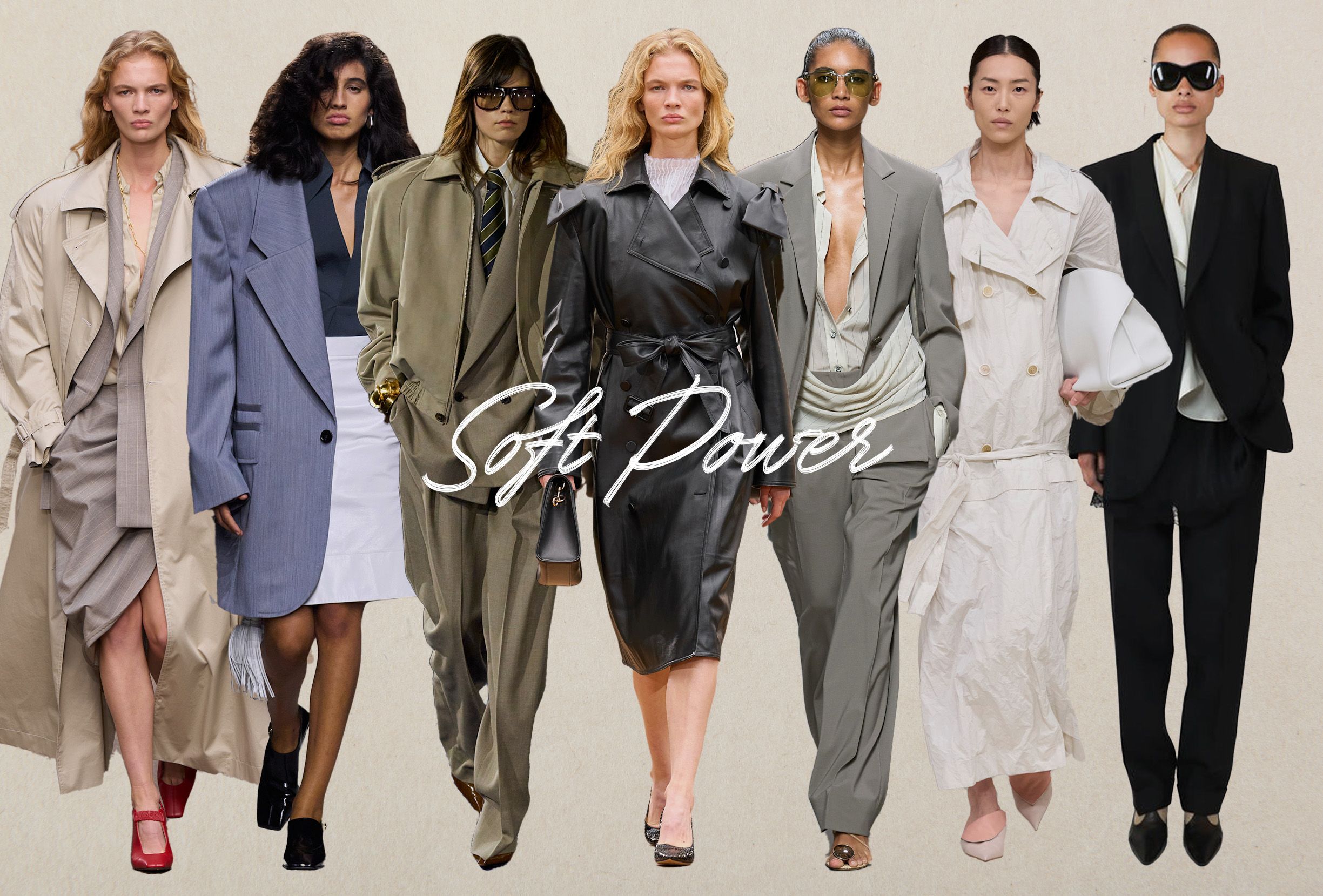
The 2025 fashion landscape was defined by a tension between nostalgia and futurism, characterized by the "Boho Chic" revival and "Eco-Futurism" textiles. Key elements included fluid silhouettes, bio-based materials like mycelium leather, and a shift toward "Quiet Luxury" evolving into more expressive, structured "Corporate Core" aesthetics across global markets.
The Resurgence of Bohemian Romanticism and Fluid Silhouettes
One of the most significant shifts in 2025 was the definitive return of bohemian romanticism, a trend that moved away from the rigid minimalism of previous years. This movement, largely catalyzed by the creative direction at houses like Chloé, reintroduced a sense of "effortless femininity" that prioritized movement, texture, and layering. Unlike the festival-centric boho trends of the 2010s, the 2025 iteration was more sophisticated, utilizing high-end fabrics such as silk chiffon, intricate lace, and buttery soft suede.
The "Why" behind this trend lies in a collective desire for escapism and tactile comfort. As digital environments became more pervasive, consumers sought clothing that felt grounded and artisanal. Key garments included floor-sweeping maxi dresses, ruffled blouses with sheer panels, and oversized fringe details on both outerwear and accessories. This trend also saw the return of the "clogs and socks" combination, repositioning what was once considered "ugly-chic" as a staple of high-fashion comfort.
Corporate Core: The Evolution of Professional Power Dressing
In 2025, the concept of office wear underwent a radical transformation, moving beyond the "Business Casual" trope into what stylists labeled "Corporate Core." This trend focused on exaggerated tailoring—think ultra-wide-shoulder blazers, high-waisted trousers with deep pleats, and structured waistcoats worn as primary tops. The palette remained largely neutral, dominated by charcoal grey, navy, and "espresso" brown, but the silhouettes were anything but traditional.
This shift reflected the maturing hybrid work culture of 2025. Professionals required wardrobes that signaled authority during in-person meetings while providing the physical ease necessary for long commutes or transitional spaces. The "Office Siren" aesthetic also peaked during this period, blending vintage 1990s corporate aesthetics—such as slim-rimmed glasses and pencil skirts—with modern, high-tech fabrics that offered four-way stretch without losing their architectural shape.
Sustainable Innovation and the Rise of Biomaterials
2025 served as a landmark year for textile technology, specifically regarding the commercial viability of biomaterials. As the European Union’s textile regulations became more stringent, brands were forced to pivot from polyester-heavy collections to circular alternatives. We saw the mainstreaming of leather alternatives made from mycelium (mushroom roots), cactus, and pineapple waste, which moved from niche luxury capsules to mid-market retail.
Furthermore, the "Digital Product Passport" (DPP) began to appear on garment tags across major labels. This allowed consumers to scan a QR code to see the entire lifecycle of their item, from the origin of the raw fiber to the carbon footprint of the manufacturing facility. This transparency became a trend in itself, with "traceable fashion" becoming a status symbol among Gen Z and Millennial shoppers who prioritized ethics over fast-fashion convenience.
Color Palettes: From Future Dusk to Earthy Tones
The color story of 2025 was dominated by "Future Dusk," a dark, moody violet-blue that bridged the gap between the natural world and the digital sky. This hue was frequently paired with "Celestial Gold" and "Bio-Lime," creating a palette that felt both organic and synthetic. However, the most wearable segment of the market leaned heavily into "grounded earth tones," including terracotta, moss green, and deep ochre.
Texture played a crucial role in how these colors were perceived. In 2025, corduroy made a significant comeback in unexpected forms, such as tailored suits and evening capes. Additionally, 3D-knitted garments—which use additive manufacturing to create seamless sweaters—allowed for complex, topographical textures that mimicked natural formations like coral reefs or lichen. This marriage of color and high-definition texture gave 2025 fashion its distinct visual depth.
Footwear and Accessories: Utility Meets Avant-Garde
Footwear in 2025 was a study in contrasts. On one end, the "Micro-Heel" or "Kitten Heel" dominated the professional and social spheres, often seen in the form of slingbacks or pointed-toe boots. On the other, the "Gorpcore" influence remained strong, resulting in the "Luxury Hiker" boot—a rugged, trail-ready sole attached to a sleek, designer upper.
Accessories saw a shift toward "The Big Bag Era." After years of tiny, ornamental purses, 2025 favored oversized totes and slouchy "hobo" bags that could realistically carry a laptop, gym gear, and a reusable water bottle. This was a direct response to the "productive lifestyle" trend, where utility was no longer sacrificed for style. Jewelry followed suit, with "chunky sculptural silver" replacing the delicate gold chains of previous years, offering a more industrial and bold finishing touch to outfits.
2025 Fashion Trend Comparison Table
| Trend Name | Primary Aesthetic | Key Materials | Target Demographic |
|---|---|---|---|
| Boho Revival | Fluid, layered, romantic | Lace, suede, silk, fringe | Creative professionals, festival-goers |
| Corporate Core | Structured, powerful, sharp | Wool blends, tech-fabrics, pinstripes | Corporate executives, Gen Z "Office Sirens" |
| Eco-Futurism | Sleek, tech-driven, organic | Mycelium leather, recycled nylon | Sustainable advocates, tech-early adopters |
| Gorpcore 2.0 | Utilitarian, rugged, outdoor | Gore-Tex, ripstop, heavy-duty mesh | Urban commuters, outdoor enthusiasts |
| Eclectic Grandpa | Vintage, knitwear, clashing | Tweed, corduroy, hand-knit wool | Gen Z, vintage collectors |
The Impact of Digital Design and AI on 2025 Collections
By 2025, Artificial Intelligence had moved from a novelty tool to a fundamental part of the design process. Major fashion houses used generative AI to optimize pattern cutting, drastically reducing fabric waste. For the consumer, this meant better-fitting garments, as AI-driven "virtual tailors" became standard on e-commerce platforms, allowing users to upload a 360-degree scan of their body to receive custom-sized apparel.
This technological integration also birthed the "Phygital" trend, where physical garments were sold alongside a digital twin for use in augmented reality (AR) social media filters or gaming avatars. While the initial hype of the metaverse had cooled, the practical application of AR for "virtual try-ons" became the industry standard in 2025, reducing return rates and encouraging more adventurous styling choices among shoppers who could now "test-drive" a bold trend digitally before purchasing.
Frequently Asked Questions
What was the single biggest fashion trend of 2025?
The most dominant trend was the "Boho Chic" revival. Led by brands like Chloé, this movement reintroduced fluid silhouettes, ruffles, and sheer fabrics into mainstream fashion, marking a departure from the strict minimalism of the early 2020s. It emphasized a more relaxed, expressive, and feminine aesthetic that influenced everything from high-end runways to fast-fashion collections.
How did sustainability change in 2025?
Sustainability shifted from a marketing buzzword to a regulatory requirement. The introduction of the Digital Product Passport (DPP) in various regions provided consumers with full transparency regarding a garment's origin and environmental impact. Additionally, the commercial scaling of lab-grown fabrics and biomaterials like mushroom leather made eco-friendly fashion more accessible to the average consumer.
What colors were most popular in 2025?
"Future Dusk," a deep violet-blue, was the standout color of the year. It was often complemented by "Bio-Lime" and a range of earthy neutrals like terracotta and moss green. These colors reflected a dual interest in digital innovation and a return to nature, creating a versatile palette used in both sportswear and evening wear.
Did the "Quiet Luxury" trend continue into 2025?
Quiet Luxury evolved into "Corporate Core." While the emphasis on high-quality materials and logo-less designs remained, the silhouettes became much bolder and more structured. The understated elegance of 2023 and 2024 was replaced by a more assertive style that focused on sharp tailoring and professional authority.
What kind of shoes were in style during 2025?
The year was defined by two extremes: the "Micro-Heel" (kitten heels) and the "Hybrid Tech Sneaker." Kitten heels became the go-to for professional and social settings, while chunky, trail-inspired footwear remained popular for daily commuting and casual wear, blending high-fashion aesthetics with rugged utility.
Building a 2025-Inspired Wardrobe Today
To integrate the most enduring elements of 2025 into your current style, focus on the intersection of utility and craftsmanship. Start by investing in high-quality, structured tailoring—specifically a charcoal or espresso blazer with a slightly oversized fit—which can bridge the gap between professional and casual settings. Balance these sharp lines with the "Boho" influence by adding fluid, textured pieces like a silk maxi skirt or a fringed accessory.
Prioritize "investment pieces" over fleeting fast-fashion items. Look for garments made from documented sustainable sources or innovative biomaterials, as these not only hold their value but are built to last. Finally, embrace the "Future Dusk" color palette by introducing deep violets and indigo blues into your accessories or knitwear, providing a modern, sophisticated edge to any ensemble.