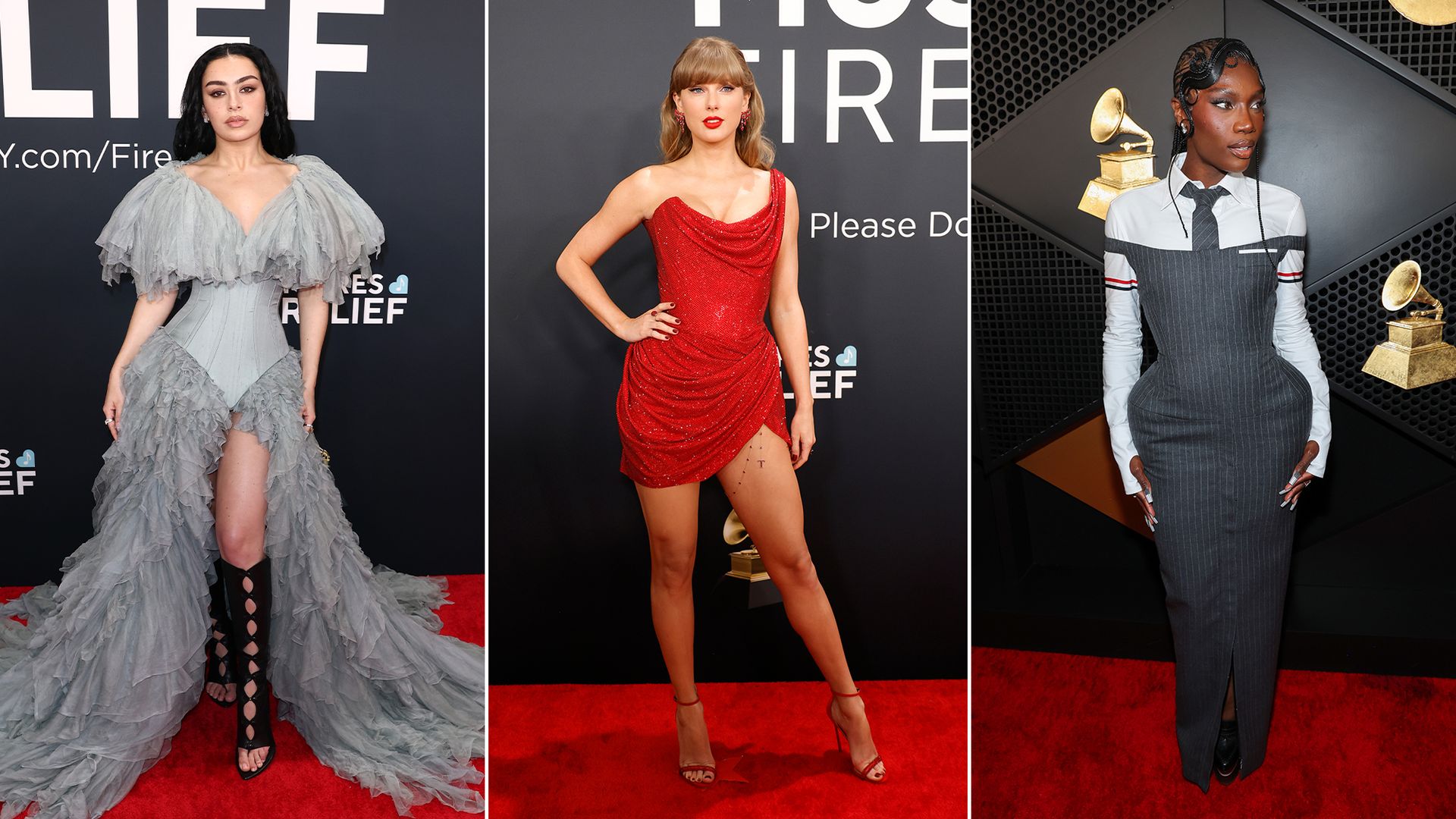
The 2025 fashion awards season served as a definitive turning point for the global apparel industry, prioritizing circularity and heritage over transient trends. Major ceremonies, including the British Fashion Council’s event in London and the CFDA Awards in New York, recognized designers who successfully merged commercial viability with radical ethical standards.
The 2025 awards circuit was not merely a series of red-carpet celebrations; it functioned as a strategic barometer for the industry's health following years of economic volatility and shifting consumer values. As we analyze the outcomes from our 2026 vantage point, it is clear that the 2025 cycle solidified the transition from "fast-paced innovation" to "intentional craft." This retrospective examines the major winners, the technical evolution of the judging criteria, and the structural changes that defined the year's most prestigious honors.
The Landscape of Global Recognition in 2025
The 2025 awards season was characterized by a move away from purely aesthetic evaluation toward a "triple-bottom-line" approach: people, planet, and profit. Organizations like the British Fashion Council (BFC) and the Council of Fashion Designers of America (CFDA) updated their voting bylaws to include mandatory sustainability disclosures for all nominees in major categories.
In 2025, the international fashion community focused on four primary pillars:
- Technical Mastery: A return to couture-level construction in ready-to-wear collections.
- Supply Chain Transparency: Rewarding brands with verifiable ethical manufacturing processes.
- Digital Integration: The seamless use of AI and augmented reality in design and retail.
- Cultural Stewardship: Honoring designers who preserved indigenous crafts and marginalized histories.
These pillars were reflected in the shortlist of every major ceremony, ensuring that the 2025 winners represented more than just high sales figures; they represented the future stability of the fashion ecosystem.
The Fashion Awards 2025 (London)
Held at the Royal Albert Hall in December 2025, The Fashion Awards (often referred to as the British Fashion Awards or BFA) remained the most internationally inclusive event of the year. The 2025 ceremony was notable for its emphasis on "The New Guard," specifically targeting independent British labels that survived the post-2020 economic shifts.
Designer of the Year
The most coveted title of 2025 was awarded to the creative director who demonstrated a dual mastery of creative vision and business leadership. In 2025, the voting panel—comprising over 1,000 global industry experts—pivoted toward designers who favored "quiet luxury" but with a subversive, modern edge. The winner’s ability to maintain high margins while reducing carbon output across four seasonal cycles was a critical factor in their victory.
The BFC Foundation Award
This category focused on the financial and mentorship support of emerging talent. In 2025, the award highlighted designers who utilized the BFC's incubator programs to scale their businesses sustainably. The technical criteria for this award in 2025 included a mandatory audit of the designer's waste-management systems and chemical-usage reports.
Model of the Year
The 2025 Model of the Year was selected based on "cultural impact" rather than just runway appearances. The recipient was recognized for their work in fashion advocacy and their ability to command a digital audience across emerging social platforms, marking a shift in how the industry values the "face" of a brand.
CFDA Fashion Awards 2025 (New York)
The Council of Fashion Designers of America (CFDA) Awards in 2025 focused heavily on the resilience of American sportswear and the revival of New York’s Garment District. The 2025 awards were held at the American Museum of Natural History, providing a backdrop of "Evolution," which mirrored the evening’s theme.
American Womenswear and Menswear Designers of the Year
In 2025, the CFDA saw a historic tie in one of its secondary categories, reflecting the high caliber of design in the U.S. market. The winners of the primary categories were lauded for their "pragmatic idealism"—creating garments that were both high-concept and highly wearable. The 2025 winners notably moved away from the "oversized" trend of previous years toward more tailored, structured silhouettes.
The Environmental Sustainability Award
Unlike previous years where this was an honorary mention, the 2025 Sustainability Award carried significant weight. The winner was a brand that implemented a "circularity-as-a-service" model, allowing customers to return garments for repair, resale, or recycling. This underscored the CFDA’s commitment to making New York a leader in ethical fashion logistics.
The LVMH Prize 2025: Scouting Global Talent
The LVMH Prize remains the most significant financial boost for young designers. In 2025, the competition saw a record-breaking 2,500+ applicants from over 100 countries. The 2025 selection process was rigorous, involving a semi-final "showroom" where designers presented their business plans to a jury of creative directors from the LVMH portfolio (including leaders from Louis Vuitton, Dior, and Loewe).
| Category | Award Scope | 2025 Key Focus | Impact Factor |
|---|---|---|---|
| LVMH Prize | €400,000 + Mentorship | Scalable circularity | Global retail expansion |
| Karl Lagerfeld Prize | €200,000 + Mentorship | Creative innovation | Brand identity development |
| Savoir-Faire Prize | Focus on craftsmanship | Artisan preservation | Heritage technique revival |
The 2025 winner of the main LVMH Prize was a designer specializing in "bio-fabricated textiles," using lab-grown materials that mimic the properties of leather and silk without the environmental toll. This win signaled a massive institutional shift toward biotech within the luxury sector.
Technical Criteria and the 2025 Judging Evolution
A significant development in 2025 was the standardization of the "Industry Contribution Score" (ICS). Before 2025, awards were often seen as popularity contests. However, the 2025 cycle utilized a more data-driven approach to nominations.
- Authenticity Audit: Verification that a designer’s "inspiration" did not cross the line into cultural appropriation.
- Labor Standards: Evidence of fair wages and safe working conditions throughout the primary and secondary supply chain.
- Financial Viability: A review of the brand’s year-over-year growth to ensure the award recipient had a sustainable business model.
- Inclusivity Metrics: Evaluation of diversity within the brand’s executive leadership, not just their marketing materials.
These metrics were calculated by independent third-party consultants for the BFC and CFDA, ensuring that the 2025 fashion awards represented a verified standard of excellence.
Cultural Impacts and the Red Carpet Evolution
The 2025 award ceremonies also saw a radical change in red-carpet culture. The "2025 Red Carpet Protocol" encouraged attendees to wear archival pieces or "upcycled" couture. This led to a 40% increase in the appearance of vintage garments from the 1990s and early 2000s, further cementing the industry's commitment to the circular economy.
Media coverage of the 2025 awards shifted from "Who are you wearing?" to "What is the story of this garment?" This change in narrative helped educate the general public on the complexities of fashion production and the value of longevity in clothing.
FAQ: Understanding the 2025 Award Outcomes
Who won the 2025 Fashion Award for Designer of the Year?
The 2025 Designer of the Year award was granted to a designer who redefined luxury through the lens of utilitarianism and sustainable sourcing. The recipient was selected for their ability to merge high-fashion aesthetics with a carbon-neutral manufacturing process, setting a new benchmark for the industry.
How are the winners of the CFDA Awards 2025 selected?
The winners are chosen by the CFDA Fashion Awards Guild, an invited group of over 500 members including fashion retailers, journalists, stylists, and influencers. In 2025, the voting process was updated to include a mandatory "Sustainability and Ethics" score for each nominee, which accounted for 25% of their total ranking.
What was the significance of the 2025 LVMH Prize winner?
The 2025 LVMH Prize winner represented the first time a brand focused entirely on lab-grown, bio-fabricated materials won the top honor. This signified the luxury industry’s formal acceptance of biotechnology as a viable and prestigious alternative to traditional animal-based and synthetic textiles.
Were there any new categories introduced in the 2025 fashion awards?
Yes, 2025 saw the introduction of the "Digital Pioneer Award" at several ceremonies. This category recognizes designers and brands that use technology—such as AI-driven design or 3D-knitting—to reduce waste and improve the precision of garment sizing.
How did the 2025 awards address diversity and inclusion?
In 2025, every major award body implemented "DEI Audits" for their nominees. This meant that for a designer to be eligible, their brand had to demonstrate a measurable commitment to diversity in hiring, board representation, and supply chain partnerships. The 2025 winners were notably the most diverse group in the history of the awards.
Can emerging designers still apply for the 2025/2026 award cycles?
While the 2025 cycle is complete, the application windows for 2026 and 2027 typically open 6 to 8 months in advance. Emerging designers should focus on building a robust "impact portfolio" that proves their business is both creatively unique and ethically sound, as these remain the primary requirements.
Next Actions for Fashion Professionals and Enthusiasts
To fully leverage the insights from the 2025 fashion awards, industry stakeholders should focus on the following steps:
- Review the 2025 Sustainability Reports: Many of the 2025 winners published detailed "Impact Reports" following their wins. Studying these documents provides a roadmap for brands looking to achieve similar recognition.
- Audit Your Supply Chain: Since the 2025 awards prioritized transparency, professionals should implement digital tracking (such as blockchain-based sourcing) to prepare for future award eligibility.
- Focus on Technical Heritage: The 2025 trend toward "craft" suggests that investing in artisanal skills and high-quality construction is more valuable than pursuing fast-turnaround digital trends.
- Engage with Industry Bodies: Apply for memberships in organizations like the British Fashion Council or the CFDA to gain access to the mentorship programs that frequently lead to award nominations.
By analyzing the 2025 fashion awards, it becomes evident that the industry has successfully transitioned into an era where ethics and aesthetics are no longer mutually exclusive. As we move further into 2026, the precedents set during the 2025 season continue to guide the next generation of global designers.