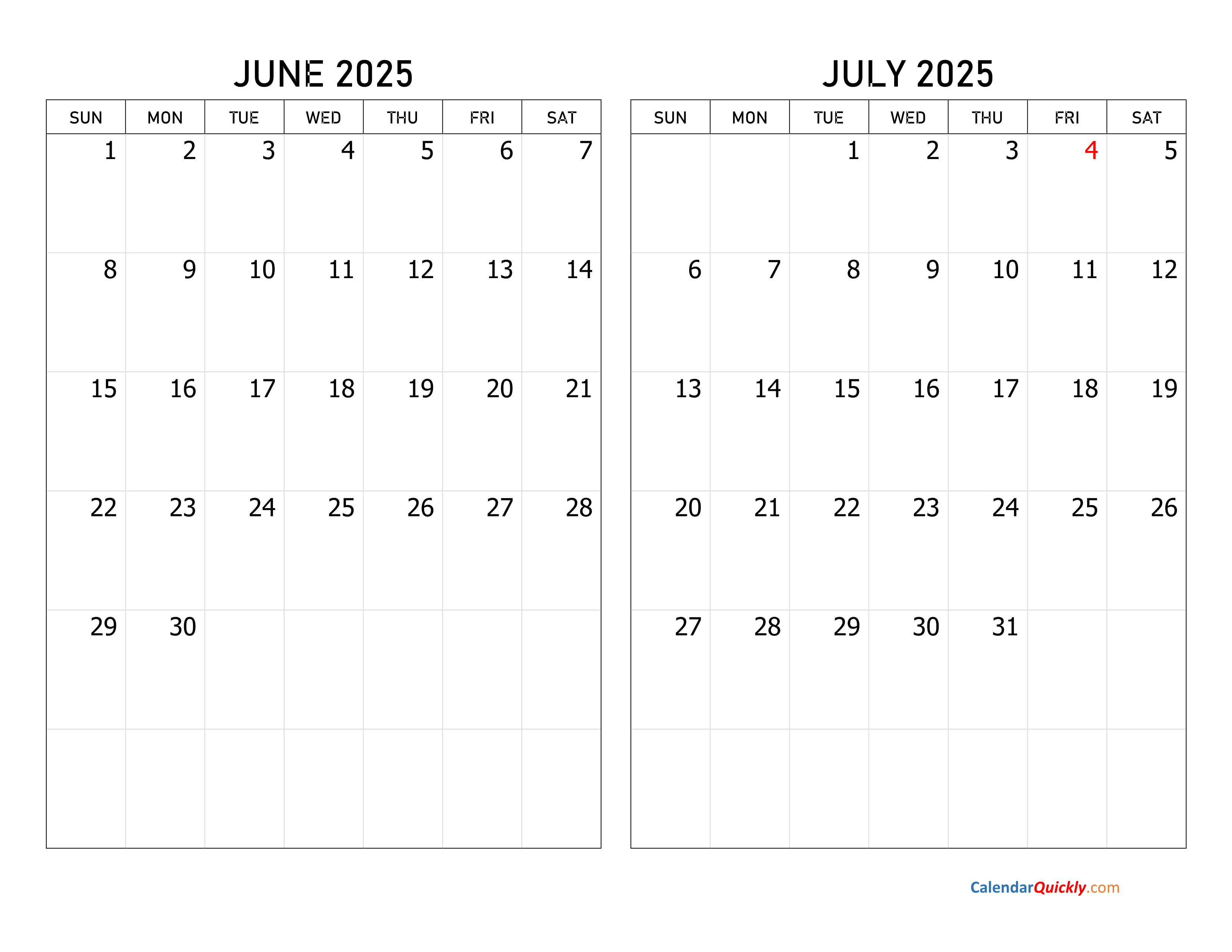
The year 2025 was a common year starting on a Wednesday, characterized by a "late" Easter and several significant mid-week federal holidays. Key milestones included Easter Sunday on April 20, Juneteenth falling on a Thursday, and a Thanksgiving celebration on November 27, influencing business cycles, travel patterns, and school calendars throughout the year.
The 2025 Calendar Structure and Overview
To understand the 2025 dates effectively, one must first look at the mechanical structure of the year. As a non-leap year (common year), 2025 consisted of 365 days. Because it began on a Wednesday, it also ended on a Wednesday, creating a specific cadence for weekly cycles. This structure is particularly important for payroll departments, school districts, and logistical planners who rely on the "day-of-the-week" alignment to determine operational shifts.
In 2025, the distribution of holidays created several opportunities for "bridge days" or extended weekends. For instance, with Independence Day (July 4) falling on a Friday, the United States experienced a standard three-day holiday weekend. Conversely, holidays like Christmas and New Year’s Day falling on Thursdays often prompted businesses to offer "bridge" holidays on the following Fridays, effectively creating four-day breaks for many employees.
For those conducting retrospective audits or planning future cycles from the vantage point of 2026, the 2025 calendar serves as a baseline for understanding year-over-year shifts. The "creep" of dates—where a date moves forward by one day in a common year and two days in a leap year—means that 2025’s Wednesday start paved the way for 2026’s Thursday start.
Major Federal and Public Holidays in 2025
The United States federal holiday schedule remains the primary driver for banking, mail delivery, and government services. In 2025, the timing of these holidays significantly impacted the flow of the fiscal year.
The First Quarter (January – March)
The year opened with New Year’s Day on a Wednesday, which traditionally results in lower travel volumes than weekend-aligned holidays but causes a significant mid-week disruption in professional productivity. Martin Luther King Jr. Day followed on Monday, January 20, providing the first long weekend of the year. This was followed by Washington’s Birthday (Presidents' Day) on Monday, February 17.
The Second Quarter (April – June)
The second quarter was anchored by Memorial Day on Monday, May 26. This date is legally fixed as the last Monday of May, and in 2025, it occurred relatively late in the month. Juneteenth National Independence Day followed on Thursday, June 19. As a newer federal holiday (established in 2021), its 2025 placement on a Thursday saw a rise in corporate "Friday-off" policies to accommodate a four-day weekend, reflecting the holiday's growing integration into the American professional landscape.
The Third Quarter (July – September)
Independence Day fell on Friday, July 4, 2025. This created a traditional peak travel period, as the three-day weekend allowed for domestic tourism without the need for additional leave. Labor Day concluded the summer season on Monday, September 1, which is the earliest possible date for this holiday, as it is defined as the first Monday in September.
The Fourth Quarter (October – December)
The final quarter of 2025 contained the highest density of federal observances. Columbus Day (also observed as Indigenous Peoples' Day) occurred on Monday, October 13. Veterans Day was observed on its fixed date of Tuesday, November 11. Thanksgiving followed on Thursday, November 27, marking a "late" Thanksgiving (the fourth Thursday), which shortened the traditional holiday shopping season between Thanksgiving and Christmas. Finally, Christmas Day fell on Thursday, December 25.
| Holiday Name | 2025 Date | Day of the Week |
|---|---|---|
| New Year's Day | January 1 | Wednesday |
| Martin Luther King Jr. Day | January 20 | Monday |
| Presidents' Day | February 17 | Monday |
| Memorial Day | May 26 | Monday |
| Juneteenth | June 19 | Thursday |
| Independence Day | July 4 | Friday |
| Labor Day | September 1 | Monday |
| Columbus Day / Indigenous Peoples' Day | October 13 | Monday |
| Veterans Day | November 11 | Tuesday |
| Thanksgiving Day | November 27 | Thursday |
| Christmas Day | December 25 | Thursday |
Religious Observances and Lunar Calendars
While federal holidays are fixed to the Gregorian calendar, many significant cultural and religious dates in 2025 were determined by lunar or lunisolar cycles. This resulted in notable shifts compared to previous years.
Christian Observances: A Late Easter
In 2025, Easter Sunday fell on April 20. This is considered a "late" Easter, as the holiday can occur anywhere between March 22 and April 25. The date is determined as the first Sunday after the first full moon occurring on or after the vernal equinox. This late date meant that the preceding season of Lent began on March 5 (Ash Wednesday), and Pentecost occurred on June 8. For the travel industry, a late Easter often correlates with better weather in the northern hemisphere, shifting spring break patterns for many universities and K-12 schools.
Jewish Holidays
The Jewish calendar (year 5785/5786) featured Passover (Pesach) beginning at sundown on Saturday, April 12, and ending on April 20, closely aligning with the Christian Holy Week. The High Holy Days occurred in the fall, with Rosh Hashanah beginning at sundown on Monday, September 22, followed by Yom Kippur beginning at sundown on Wednesday, October 1.
Islamic Holidays
Because the Islamic (Hijri) calendar is purely lunar, dates migrate roughly 11 days earlier each year relative to the Gregorian calendar. In 2025, Ramadan was estimated to begin on or around February 28, with Eid al-Fitr occurring on or around March 30. Eid al-Adha was observed around June 6. These dates are subject to local sightings of the moon but provide the essential framework for global Islamic observances.
Astronomical and Celestial Events of 2025
Beyond human-made schedules, 2025 was a significant year for celestial mechanics, featuring four eclipses and the standard seasonal transitions. These events are crucial for astronomers and those tracking natural cycles.
Equinoxes and Solstices
The four seasonal markers in 2025 were:
- Vernal Equinox: March 20, at approximately 09:01 UTC. This marked the beginning of spring in the Northern Hemisphere and autumn in the Southern Hemisphere.
- Summer Solstice: June 21, at 02:42 UTC. This was the longest day of the year for the Northern Hemisphere.
- Autumnal Equinox: September 22, at 18:19 UTC.
- Winter Solstice: December 21, at 15:03 UTC.
Solar and Lunar Eclipses
Eclipses are perhaps the most anticipated "dates" for the scientific community. In 2025, the Earth experienced two solar and two lunar eclipses:
- Partial Solar Eclipse (March 29, 2025): Visible primarily over parts of Europe, Northern Asia, and Northwestern Africa.
- Total Lunar Eclipse (March 14, 2025): Visible from the Americas, Europe, and parts of Africa. A total lunar eclipse, often called a "Blood Moon," occurs when the Earth's shadow completely covers the moon.
- Partial Solar Eclipse (September 21, 2025): Visible from the South Pacific, New Zealand, and Antarctica.
- Total Lunar Eclipse (September 7, 2025): Visible from Europe, Africa, Asia, and Australia.
Business, Tax, and Financial Deadlines
For professionals, 2025 dates are often viewed through the lens of compliance and fiscal responsibility. From an SEO and technical standpoint, these dates are evergreen until the following year's deadlines take precedence.
The US Tax Season
The traditional tax filing deadline for individual income tax returns in 2025 was Tuesday, April 15. Because April 15 did not fall on a weekend or a holiday in the District of Columbia (Emancipation Day was observed on Wednesday, April 16), the deadline remained standard. Quarterly estimated tax payments were due on April 15, June 16 (since the 15th was a Sunday), September 15, and January 15 of the following year.
Fiscal Quarters
Standard corporate fiscal quarters for 2025 were:
- Q1: January 1 – March 31
- Q2: April 1 – June 30
- Q3: July 1 – September 30
- Q4: October 1 – December 31
Planners often noted that Q4 2025 was particularly condensed due to the late Thanksgiving (November 27), which reduced the "peak" shopping days before the Christmas holiday, often forcing retailers to start promotional cycles earlier in October.
Cultural and Sporting Milestones
While less "official" than federal holidays, certain dates in 2025 commanded global attention due to major events in sports and entertainment.
Major Sporting Events
- Super Bowl LIX: This took place on February 9, 2025, at the Caesars Superdome in New Orleans, Louisiana.
- The Masters: The premier golf tournament was held from April 10–13, 2025.
- The Kentucky Derby: This was held on its traditional date, the first Saturday in May, which was May 3, 2025.
- Wimbledon: The championships in London took place from June 30 to July 13, 2025.
Entertainment and Awards
- The 97th Academy Awards (Oscars): Usually held in early March, the 2025 ceremony continued the trend of honoring the previous year's cinematic achievements.
- Grammy Awards: Held in February, these dates serve as the anchor for the music industry's annual calendar.
Frequently Asked Questions About 2025 Dates
What was the date of Easter in 2025?
Easter Sunday was on April 20, 2025. This is relatively late in the spring calendar, which typically sees Easter fall between late March and mid-April. The late date meant that related observances like Mardi Gras (March 4) and Ash Wednesday (March 5) also occurred later than usual.
How many long weekends were in the 2025 US calendar?
The 2025 calendar featured several three-day weekends including MLK Day (Jan 20), Presidents' Day (Feb 17), Memorial Day (May 26), Independence Day (July 4), Labor Day (Sept 1), and Columbus Day (Oct 13). Additionally, since Christmas (Dec 25) fell on a Thursday, many workers enjoyed a four-day weekend.
When did Daylight Saving Time start and end in 2025?
In the United States, Daylight Saving Time began on Sunday, March 9, 2025, when clocks moved forward one hour at 2:00 AM. It ended on Sunday, November 2, 2025, when clocks were set back one hour, returning the country to Standard Time.
Was 2025 a leap year?
No, 2025 was a common year with 365 days. The previous leap year was 2024, and the next leap year is 2028. Consequently, February 2025 had exactly 28 days.
What were the major solar eclipses in 2025?
There were two partial solar eclipses in 2025. The first occurred on March 29, 2025, and was visible in parts of the Northern Hemisphere. The second occurred on September 21, 2025, visible primarily in the Southern Hemisphere, including Antarctica and New Zealand.
When was Thanksgiving in 2025?
Thanksgiving fell on Thursday, November 27, 2025. Because it fell on the fourth Thursday of the month, and November started on a Saturday, it was one of the latest possible dates for the holiday, leaving only 28 days until Christmas Day.
Next Steps for Planning and Analysis
With 2025 now in the past from our current 2026 perspective, these dates are primarily used for historical data analysis, reconciling financial records, and identifying trends in consumer behavior. If you are a business owner, you should use the 2025 date alignments to evaluate your year-over-year performance. For example, compare your July 2025 sales (which benefited from a Friday holiday) against July 2026 (where the holiday fell on a Saturday) to adjust for "calendar noise."
Furthermore, educators and administrators should archive the 2025 academic calendar to ensure that prerequisite requirements and semester durations remain consistent with future planning. Understanding the "late Easter" of 2025 is also helpful for analyzing why certain travel and hospitality sectors may have seen a shift in Q1 vs. Q2 revenue during that period.