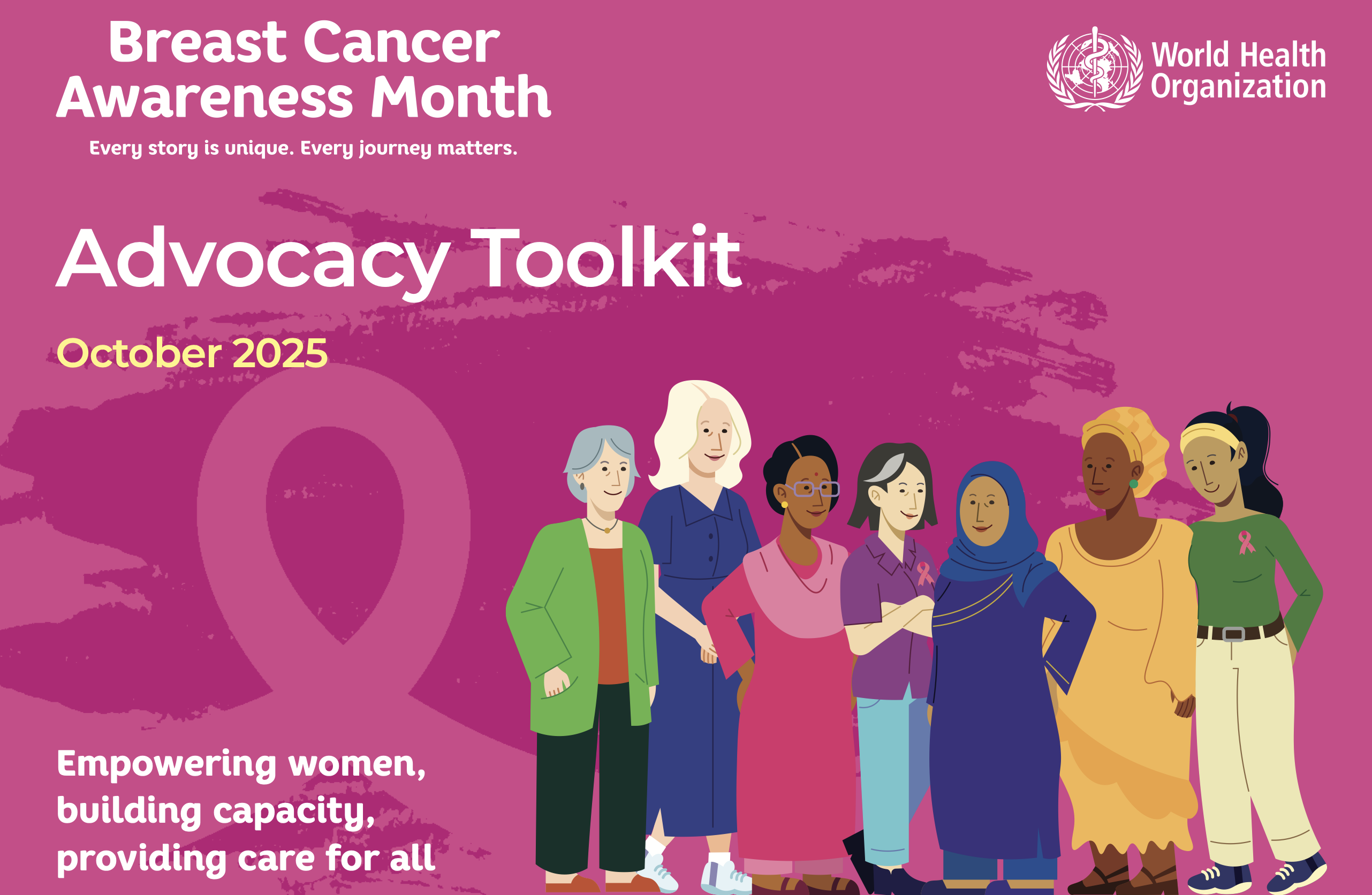
The 2025 Breast Cancer Awareness Month campaign, centered on the theme "Empowering Change and Saving Lives," focused on transitioning from general awareness to high-precision screening access and healthcare equity. This initiative prioritized closing the survival gap for marginalized communities and integrating AI-driven diagnostics into standard preventative care to improve early detection rates globally.
Breast cancer remains one of the most diagnosed malignancies worldwide, but the landscape of the disease changed significantly following the 2025 initiatives. As we look back from 2026, the progress made during that pivotal October continues to shape how patients receive diagnoses, how survivors access long-term support, and how clinical research addresses the most aggressive forms of the disease. The "Empowering Change" movement was not merely a slogan; it was a multi-faceted approach involving legislative advocacy, technological integration, and a fundamental shift in how public health systems view preventative screenings.
The Strategic Shift: From Awareness to Actionable Change
For decades, Breast Cancer Awareness Month was symbolized primarily by the pink ribbon and general reminders to schedule mammograms. However, the 2025 campaign marked a strategic evolution. Public health officials and non-profit organizations recognized that while "awareness" was high, "access" remained uneven. The 2025 theme, Empowering Change, was designed to dismantle the barriers preventing individuals from acting on their awareness.
This shift was driven by data showing that socioeconomic status, geographic location, and racial disparities significantly impacted survival rates. In 2025, the focus moved toward patient navigation services—systems designed to help individuals move from an abnormal screening result to a definitive diagnosis and treatment plan without falling through the cracks of the healthcare system. By empowering patients with knowledge and logistical support, the campaign aimed to ensure that a diagnosis did not become a death sentence due to administrative or financial hurdles.
Technological Breakthroughs in Early Detection
One of the most significant pillars of the 2025 "Saving Lives" initiative was the widespread adoption of advanced screening technologies. During this period, the integration of Artificial Intelligence (AI) into mammography moved from experimental trials to standard clinical practice in many regions. AI algorithms were deployed to assist radiologists in identifying micro-calcifications and subtle tissue changes that the human eye might miss, particularly in patients with dense breast tissue.
Furthermore, 2025 saw a renewed push for 3D Mammography (Digital Breast Tomosynthesis) as the gold standard for screening. Unlike traditional 2D mammography, 3D imaging allows doctors to examine breast tissue layer by layer, significantly reducing the "false positive" rates that often lead to unnecessary anxiety and invasive biopsies. The campaign successfully advocated for broader insurance coverage of these advanced screenings, ensuring that "Saving Lives" was a goal accessible to everyone, regardless of their insurance tier.
Comparison of Primary Screening Modalities in 2025
The following table outlines the primary screening tools emphasized during the 2025 campaign to help patients and providers choose the most appropriate diagnostic path.
| Screening Method | Primary Use Case | Key Benefit | Accessibility Status (2025) |
|---|---|---|---|
| 2D Mammography | Standard annual screening | Low cost, widely available | Baseline standard for all clinics |
| 3D Mammography (DBT) | Patients with dense tissue | Higher detection rate, fewer recalls | Increasingly covered by private insurance |
| Breast Ultrasound | Supplemental screening | Non-invasive, no radiation | Recommended for high-risk categories |
| Breast MRI | High-risk/Genetic predispositions | Extremely high sensitivity | Requires prior authorization; high cost |
| AI-Enhanced Imaging | Diagnostic assistance | Identifies patterns missed by humans | Integrated into top-tier medical centers |
Addressing the Equity Gap: The 2025 Equity Initiative
A core component of "Empowering Change" was the direct confrontation of healthcare disparities. Historical data has consistently shown that Black women in the United States, for example, are often diagnosed at later stages and face a higher mortality rate than white women, despite having a similar incidence of the disease. The 2025 campaign launched the Health Equity Action Plan, which funded mobile mammography units in "screening deserts"—urban and rural areas with limited access to fixed imaging centers.
These mobile units were equipped with high-definition digital imaging and staffed by bilingual patient navigators. By bringing the technology to the community, the 2025 initiative removed the barriers of transportation and time-off-work that frequently prevent low-income individuals from seeking care. This grassroots approach to "Saving Lives" focused on the philosophy that the best medical technology is only effective if it reaches the people who need it most.
Legislative Advocacy and Policy Impacts
The 2025 Breast Cancer Awareness Month was characterized by intense legislative activity. Advocacy groups focused on the Access to Breast Imaging Act, which sought to mandate that all medically necessary diagnostic breast imaging—including ultrasounds and MRIs following an abnormal mammogram—be covered by insurance with no out-of-pocket costs for the patient.
By 2026, we see the fruits of these 2025 efforts. Several states passed laws eliminating cost-sharing for diagnostic follow-ups, ensuring that "Empowering Change" translated into legal protections. These policy shifts were essential because many patients, even those who received a free "screening" mammogram under the Affordable Care Act, would avoid necessary follow-up tests due to the high cost of co-pays and deductibles.
Research Focus: Metastatic Breast Cancer (MBC)
While early detection is vital, the 2025 campaign also dedicated significant resources to those living with Metastatic Breast Cancer (Stage IV). In previous years, the focus was often exclusively on "survivorship" and "cures," which sometimes left those with incurable, chronic breast cancer feeling invisible. The 2025 "Empowering Change" message was inclusive of the MBC community, highlighting the need for increased research into treatment resistance and quality-of-life therapies.
Funding redirected during the 2025 cycle supported clinical trials for Antibody-Drug Conjugates (ADCs) and personalized immunotherapy. These treatments aim to target cancer cells more precisely while sparing healthy tissue, essentially turning a terminal diagnosis into a manageable chronic condition for a larger segment of the patient population.
Community Involvement and Individual Action
The success of the 2025 Breast Cancer Awareness Month relied heavily on individual participation. Beyond wearing pink, the campaign encouraged "Active Advocacy." This included:
- Knowing Your Risk: Encouraging individuals to discuss their family history with a provider and, if necessary, undergo genetic testing for BRCA1/BRCA2 mutations.
- Self-Awareness: Promoting "breast self-awareness" rather than just rigid self-exams, teaching individuals to recognize any persistent change in the look or feel of their breasts.
- Community Support: Organizing local fundraisers that kept money within the community to fund local treatment grants and transportation vouchers for patients.
These individual actions created a groundswell of support that empowered change at the local level, making the "Saving Lives" goal a community-wide responsibility rather than just a medical directive.
Professional Advice and Limitations
The information provided in this article is for educational purposes regarding the 2025 Breast Cancer Awareness Month campaign and does not constitute medical advice. Breast cancer screening recommendations vary based on individual risk factors, age, and family history. Individuals should consult with a qualified healthcare professional to develop a personalized screening and prevention plan. For more information on current guidelines, visit the American Cancer Society or the National Cancer Institute.
Frequently Asked Questions
What was the specific goal of the 2025 "Empowering Change" theme?
The 2025 theme aimed to shift public focus from simple awareness to systemic change. This involved improving insurance coverage for diagnostic tests, increasing the availability of AI-driven screening tools, and addressing the racial and socioeconomic disparities that lead to unequal survival rates. It was a call to action for both policymakers and individuals to remove the barriers to early detection and treatment.
How did 2025 change the way mammograms are performed?
In 2025, there was a massive push for the integration of AI and 3D mammography. AI assisted radiologists in interpreting results with higher accuracy, while 3D mammography became more widely accessible as insurers began to recognize it as a standard of care rather than a "premium" service. These technologies collectively reduced false positives and improved the detection of small, early-stage tumors.
Is breast cancer awareness only for women?
No, the 2025 campaign significantly emphasized that men can also develop breast cancer. While it is much rarer in men (accounting for about 1% of cases), the lack of awareness often leads to later-stage diagnoses and poorer outcomes. The 2025 "Saving Lives" initiative included targeted education for men, particularly those with a family history of the disease or known genetic mutations.
How can I participate in the legacy of the 2025 campaign now?
You can participate by taking proactive steps for your own health and supporting policy changes. Ensure you are up to date with your screenings based on current 2026 guidelines, advocate for local funding of mobile mammography units, and support organizations that prioritize research into metastatic breast cancer and healthcare equity.
Why was 3D mammography emphasized over 2D in 2025?
3D mammography, or digital breast tomosynthesis, provides a three-dimensional view of the breast tissue. This is particularly beneficial for women with dense breast tissue, which can appear white on a 2D mammogram—the same color as a tumor. By viewing the breast in "slices," doctors can see through the density, making 3D mammography a more effective tool for "Saving Lives" through early and accurate detection.
Next Steps for Health Optimization
To continue the momentum of the 2025 campaign, individuals should prioritize a three-step approach to breast health. First, assess your risk by documenting your maternal and paternal family history of cancer. Second, schedule a consultation with your primary care physician to determine the appropriate age to begin regular imaging. Finally, stay informed about legislative changes in your region regarding insurance coverage for diagnostic imaging. By remaining proactive and informed, you contribute to the ongoing mission of empowering change and saving lives in the fight against breast cancer.