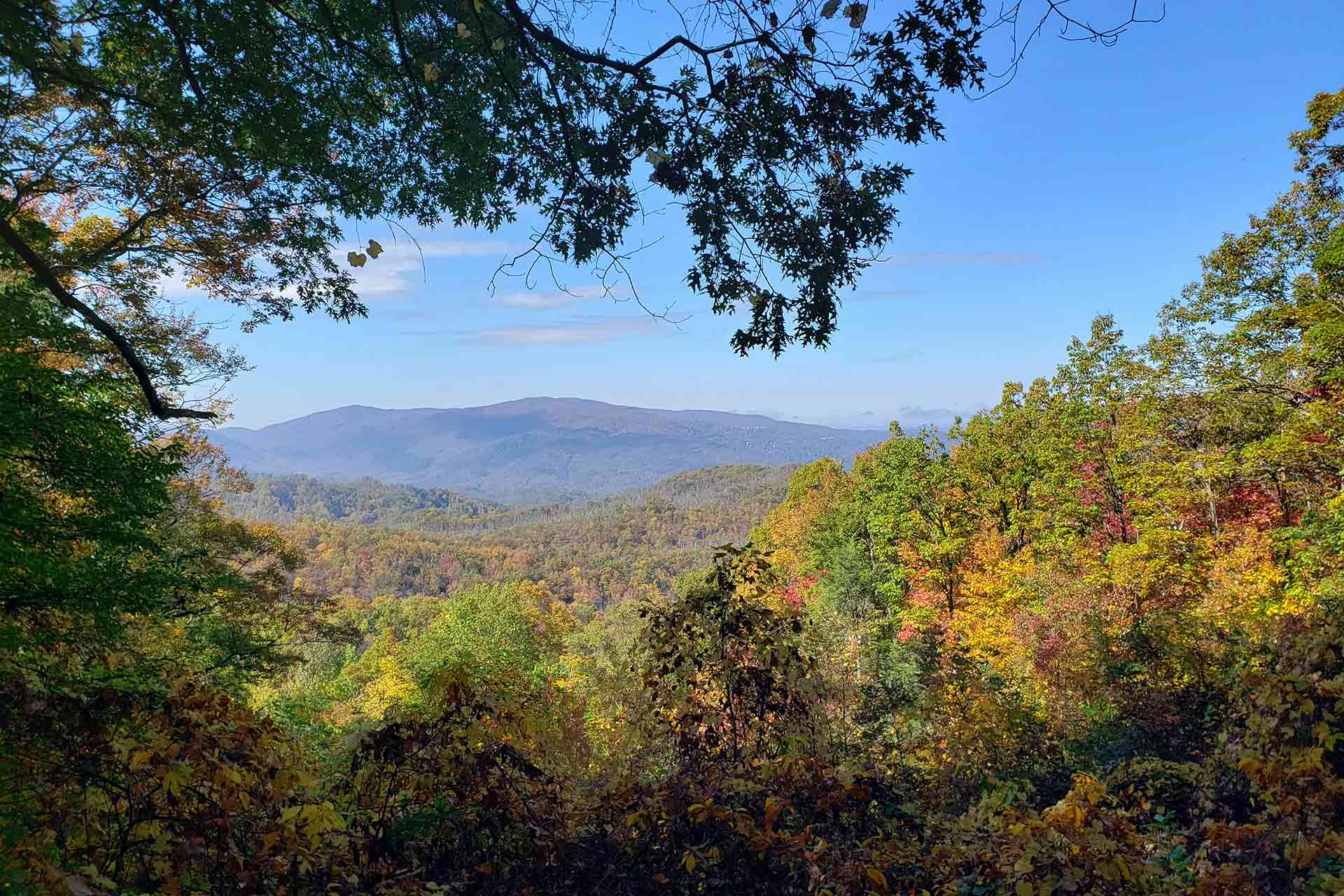
To successfully spot black bears in Gatlinburg and the Great Smoky Mountains National Park, focus your efforts on the early morning or late evening hours in open areas like Cades Cove or the Roaring Fork Motor Nature Trail. Maintaining a legal distance of at least 50 yards is mandatory for safety.
The Great Smoky Mountains National Park (GSMNP) remains one of the few places in the Eastern United States where black bears can be observed in their natural habitat. As we look back on the data and sightings from 2025, it is clear that the bear population—estimated at approximately 1,900 individuals—continues to thrive. This density, roughly two bears per square mile, makes Gatlinburg the premier "gateway" for wildlife enthusiasts. However, seeing a bear is never guaranteed; it requires a combination of timing, location knowledge, and an understanding of ursine behavior.
Understanding Black Bear Behavior in the Smokies
Black bears in the Smokies are a distinct subspecies (Ursus americanus) that has adapted specifically to the dense deciduous forests of the Appalachian range. Unlike their cousins in the Western U.S., Smokies bears are almost entirely forest-dependent. Understanding their biological needs is the first step in locating them.
Diet and Foraging Patterns
The movement of bears in Gatlinburg is dictated primarily by their stomachs. While they are classified as carnivores, approximately 90% of their diet consists of plant matter. In the spring, bears emerge from their dens and seek out "squawroot" and early grasses in low-lying valleys. By mid-summer, they move toward berry patches (blackberries and blueberries) at higher elevations. The 2025 season saw a particularly robust hard mast (nut) crop, which meant bears were often found under oak and hickory trees in the autumn months.
The Concept of "Torpor" vs. Hibernation
It is a common misconception that bears sleep through the entire winter. In the Smokies, bears enter a state of "torpor." Their heart rate and metabolism slow down, but they can be easily awakened. During mild winters, such as those experienced in late 2025, sightings were reported even in January and February, particularly on warmer afternoons when bears emerged to stretch or find water.
Primary Locations for Bear Sightings
While bears can technically appear anywhere in Gatlinburg—including downtown streets—the National Park offers the most consistent and safe viewing opportunities. Three specific areas dominated the 2025 sighting logs.
Cades Cove
Cades Cove is an 11-mile, one-way loop road that circles a broad, verdant valley. It is widely considered the best place in the world to see wild black bears. Because the valley is open pastureland surrounded by mountains, visibility is much higher here than in the dense forest. In 2025, the park continued its policy of "Vehicle-Free Wednesdays" from May through September, allowing cyclists and pedestrians to observe wildlife without the noise of engines, which significantly increased midday sightings.
Roaring Fork Motor Nature Trail
Located just minutes from the Gatlinburg "Strip," Roaring Fork offers a completely different environment. This is a narrow, winding road through old-growth forests and alongside rushing streams. Sightings here often involve bears climbing hemlock trees or foraging near historic cabins. Because the canopy is thick, you must look for movement in the shadows rather than across open fields.
Little River Road and Newfound Gap
The drive between Sugarlands Visitor Center and Cades Cove (Little River Road) follows the water. Bears are frequently spotted near the riverbanks during the heat of the summer as they come down to drink and cool off. Newfound Gap Road, which climbs to over 5,000 feet, is better for spotting bears in the late summer when the "high country" berries are ripe.
Optimal Timing for Wildlife Observation
Wildlife viewing is a game of "crepuscular" activity. Bears are most active during the twilight hours—dawn and dusk.
- The Morning Window (6:00 AM – 9:00 AM): This is the most productive time. As the sun rises, bears move from their sleeping spots toward water sources and feeding grounds. The air is cool, and the human crowds are at their thinnest.
- The Evening Window (6:00 PM – Sunset): As the heat of the day dissipates, bears resume foraging. In 2025, photographers reported that the "golden hour" provided the best lighting for capturing bear activity in the Cades Cove fields.
- Seasonal Variations:
- Spring: Focus on low elevations and valley floors.
- Summer: Look for bears in the shade and near water during the day; higher elevations in the evening.
- Fall: Focus on hardwood forests with plenty of acorns.
Comparing the Best Viewing Areas in Gatlinburg
The following table compares the primary locations for bear spotting based on the 2025 visitor data and terrain accessibility.
| Location | Terrain Type | Difficulty | Crowding Level | Best Viewing Method |
|---|---|---|---|---|
| Cades Cove | Open Valley/Fields | Easy (Vehicle) | Very High | 11-mile Loop Road |
| Roaring Fork | Dense Forest | Moderate (Narrow Road) | High | Slow Driving |
| Cataloochee | High Valley | Moderate (Gravel) | Medium | Dawn/Dusk Parking |
| Little River Road | River/Roadside | Easy (Paved) | High | Roadside Pull-offs |
| Alum Cave Trail | Mountain/Steep | Hard (Hiking) | High | Observational Hiking |
Safety Protocols and Legal Requirements
The 2025 season saw an increase in "bear jams"—traffic congestion caused by bears near the road. It is critical to follow the rules established by the National Park Service (NPS) to protect both humans and wildlife.
The 50-Yard Rule
It is illegal in the Great Smoky Mountains National Park to willfully approach a bear within 50 yards (150 feet) or any distance that disturbs or displaces the animal. This is roughly the length of half a football field. If a bear changes its behavior because of your presence—such as looking up, stopping its feeding, or huffing—you are too close. For more information on official regulations, visit the National Park Service Bear Safety page.
Bear-Wise Principles
The "Bear-Wise" program is a set of guidelines adopted by Gatlinburg to prevent bears from becoming "food-conditioned." Once a bear associates humans with food, it becomes a threat and often must be euthanized.
- Never Feed Bears: This includes leaving scraps or throwing food from car windows.
- Secure Trash: Use bear-resistant dumpsters provided by the city and park.
- Store Food Properly: If camping or picnicking, keep all food and scented items (including toothpaste and deodorant) inside a hard-sided vehicle or a bear-proof container.
What to Do During an Encounter
If you encounter a bear at close range:
- Do Not Run: Running can trigger a predatory chase instinct.
- Make Yourself Large: Stand tall and raise your arms.
- Make Noise: Shout, clap your hands, or use a whistle.
- Back Away Slowly: Keep your eyes on the bear but avoid direct, aggressive eye contact.
Ethical Wildlife Photography Tips
Capturing the perfect bear photo was a top priority for visitors in 2025. To do so ethically, you must prioritize the animal’s well-being over the shot.
- Use a Telephoto Lens: A lens with at least 300mm to 600mm focal length is necessary to get "close-up" shots while remaining at the legal 50-yard distance. Using a smartphone usually results in blurry images or requires you to get dangerously close.
- Turn Off the Flash: Sudden bursts of light can startle bears, potentially leading to defensive aggression or causing them to flee and abandon their cubs.
- Respect "Closures": Occasionally, the NPS will close certain trails or areas (such as the Trillium Gap Trail in 2025) due to high bear activity or a mother with cubs. Always honor these signs.
Other Wildlife to Watch For
While bears are the stars, Gatlinburg is home to a diverse array of wildlife that are often spotted in the same locations.
- Elk: Most commonly found in the Cataloochee Valley, but the herd has been expanding toward the Oconaluftee Visitor Center. They are massive animals, and the same 50-yard rule applies.
- White-tailed Deer: Abundant in Cades Cove. During the "rut" in late autumn, bucks can be seen competing for mates.
- Wild Turkey: Frequently seen in groups (rafters) in the fields of Cades Cove and along the park’s lower-elevation roads.
- River Otters: Reintroduced to the park years ago, these elusive mammals are occasionally seen in the Little River or Abrams Creek.
Important Note on Safety and Professional Advice
While this guide provides information on wildlife behavior and park regulations, wild animals are inherently unpredictable. Information provided here does not substitute for real-time instructions from National Park Rangers. Always check current trail conditions and weather alerts at the Sugarlands Visitor Center before heading out.
Why 2025 Was a Landmark Year for Bear Conservation
In 2025, the Great Smoky Mountains National Park implemented new "Bear-Wise" certifications for local Gatlinburg businesses. This initiative significantly reduced the number of bears entering the city limits in search of trash. By keeping bears in the woods and away from human structures, the park has ensured that future generations of visitors will have the opportunity to see these magnificent creatures in their wild state rather than as "nuisance" animals.
Common Mistakes to Avoid
- Stopping in the middle of the road: If you see a bear, pull completely off the pavement. "Bear jams" cause accidents and prevent emergency vehicles from passing.
- Assuming a "calm" bear is safe: A bear that appears indifferent to humans is often the most dangerous because it has lost its natural fear.
- Ignoring the cubs: Never get between a mother and her cubs. This is the most common cause of black bear attacks in North America.
How to Help
If you see someone harassing wildlife or feeding bears, do not confront them directly if you feel unsafe. Instead, note their vehicle description and license plate number and report the incident to a Park Ranger or call the park’s dispatch line. Protecting the bears of Gatlinburg is a community effort that relies on the vigilance of every visitor.
Best Preparation for Your Visit
To maximize your chances, download the official NPS App and save the Great Smoky Mountains section for offline use. Cellular service is non-existent in most bear-viewing areas. Additionally, invest in a good pair of 8x42 binoculars; these provide the best balance of magnification and light gathering for forest viewing.
FAQ
What is the best month to see bears in Gatlinburg?
June and July are generally the best months for sightings because bears are highly active and foraging for berries. However, the "fall shuffle" in late September and October is also excellent as bears move more frequently to find nuts (mast) for winter storage.
Are black bears in the Smokies dangerous?
Black bears are generally elusive and afraid of humans. However, they are powerful wild animals. Attacks are extremely rare and usually involve bears that have been fed by humans or a mother protecting her cubs. Maintaining the 50-yard distance virtually eliminates the risk of a negative encounter.
Can I see bears from my Gatlinburg cabin?
Yes, it is very common to see bears near cabins, especially those on Ski Mountain or near the park boundary. If you see a bear near your cabin, stay inside or on a secure balcony. Never leave food on decks or grills uncleaned, as this attracts bears to human dwellings.
Do I need bear spray in the Smoky Mountains?
While bear spray is a proven deterrent, it is not officially required for day hikers in the Smokies, unlike in Grizzly bear country. Most hikers find that making noise and staying alert is sufficient. If you choose to carry it, ensure you know how to use it and that it is easily accessible, not buried in your pack.
Identify Your Goal for Bear Spotting
Before you head out, decide if your goal is photography, education, or simply the thrill of the sight. If you want the best photos, head to Cades Cove at 6:30 AM. If you want a quiet, educational experience, Roaring Fork in the late afternoon offers a more intimate look at the bears' forest habitat. By choosing the right location and time, you ensure a memorable and safe experience with the wildlife of the Smokies.