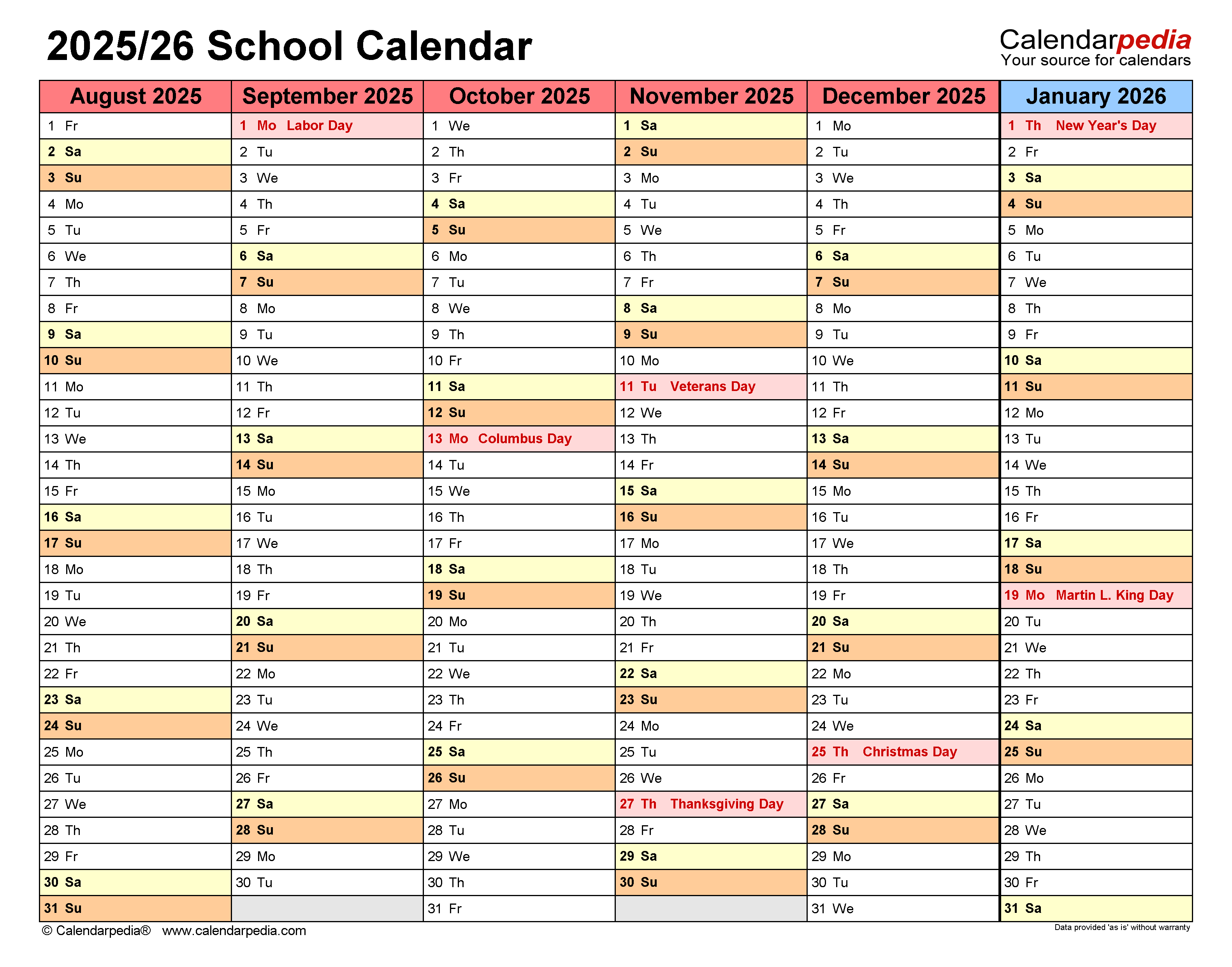
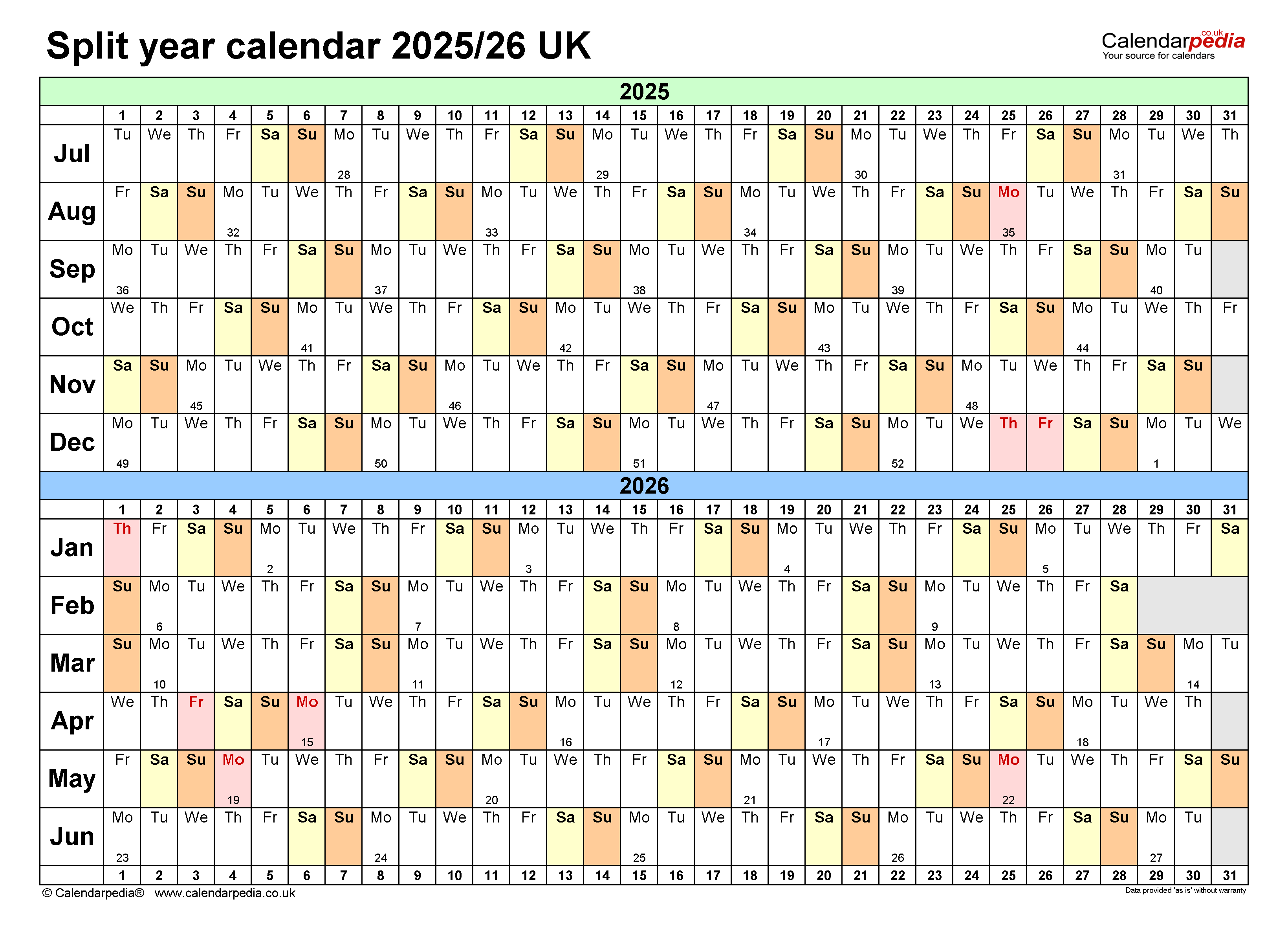
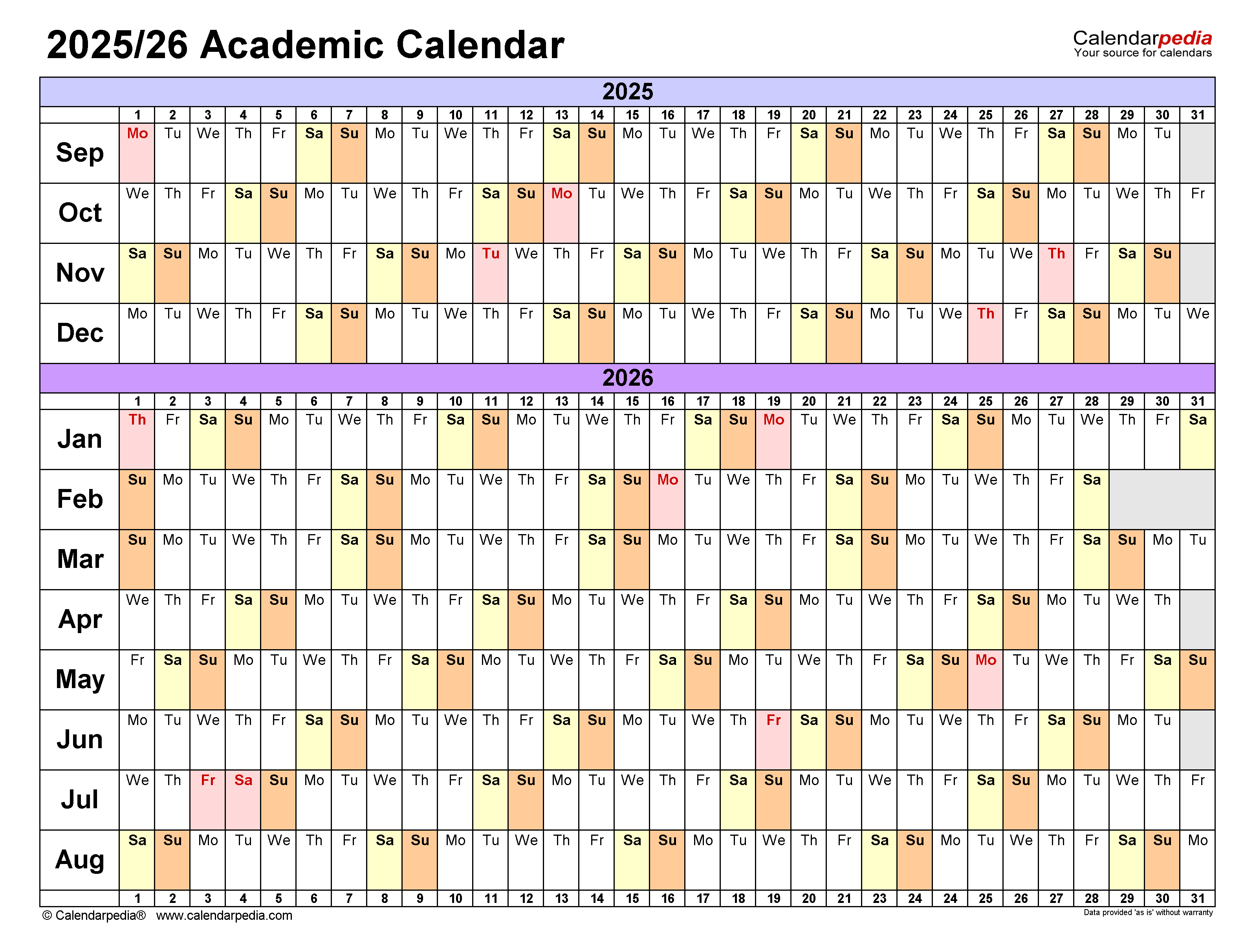
The 2025-26 period represents a critical overlapping window for global tax systems, academic calendars, and corporate fiscal planning. While a standard calendar year runs from January to December, the 2025-26 cycle typically covers the academic year starting in late 2025 and ending in mid-2026, as well as the fiscal years used by various governments for taxation and social security administration.
Understanding the 2025-26 Fiscal and Tax Year
For many jurisdictions, the 2025-26 tax year does not align with the calendar year. In the United Kingdom, for instance, the tax year runs from April 6, 2025, to April 5, 2026. Understanding this specific window is essential for individual taxpayers, small business owners, and financial planners to ensure compliance and optimize tax efficiency.
During this period, taxpayers must be aware of the specific thresholds and allowances set by the government. The 2025-26 period often sees adjustments to personal allowances, National Insurance contribution rates, and dividend tax thresholds. For individuals, this is the time to manage Individual Savings Account (ISA) contributions or pension top-ups to ensure that annual limits are utilized before the April 2026 deadline.
In the United States, while the individual tax year follows the calendar year, the federal government’s fiscal year 2026 begins on October 1, 2025, and ends on September 30, 2026. This period is vital for contractors and organizations relying on federal funding, as it dictates budget allocations and the release of new grant opportunities.
Key Financial Thresholds and Compliance
For those operating within the 2025-26 tax framework, reporting requirements often become more stringent. Many regions are continuing their transition toward digital tax reporting, requiring businesses to keep digital records and submit quarterly updates rather than a single annual return.
Taxpayers should also monitor the Capital Gains Tax (CGT) annual exempt amount. If the 2025-26 cycle includes the sale of assets such as secondary property or stocks held outside tax-advantaged accounts, calculating the gain based on the 2025-26 rates is mandatory. Failing to account for these specific dates can result in late-filing penalties or interest charges on underpaid tax.
The 2025-26 Academic Calendar and Milestones
The 2025-26 academic year generally commences in August or September 2025 and concludes in May or June 2026. For students, parents, and educators, this cycle is defined by application deadlines, standardized testing windows, and financial aid cycles.
High school seniors planning to enter higher education in the 2025-26 academic year began their application processes in late 2024. However, as we move through early 2026, the focus shifts to enrollment deposits, housing applications, and final financial aid award letters. For those already in university, 2025-26 represents a year of progress toward degree completion, often marked by the selection of major concentrations or the start of internship placements.
Curriculum Adjustments and Educational Standards
The 2025-26 academic year is often a target date for the implementation of new educational standards or curriculum overhauls. Educational boards frequently use this cycle to introduce updated textbooks or digital learning platforms. Schools and universities are also increasingly focusing on the integration of artificial intelligence tools within the classroom during this period, establishing guidelines for responsible use and academic integrity.
Financial Aid and Funding for 2025-26
One of the most significant aspects of the 2025-26 cycle is the administration of student financial aid. In the United States, the Free Application for Federal Student Aid (FAFSA) for the 2025-26 school year became available in late 2024. Students attending college during this timeframe must have their FAFSA processed to be eligible for federal grants, work-study programs, and loans.
The 2025-26 FAFSA cycle continues the trend of data simplification, aiming to make it easier for families to import tax information directly from the IRS. However, changes in the "Student Aid Index" (SAI) formula mean that some families may see different levels of eligibility compared to previous years. It is vital for students to monitor their school’s specific 2025-26 deadlines, as state and institutional aid often run out much earlier than federal deadlines.
International Scholarship Cycles
For international students, the 2025-26 academic year involves navigating visa regulations and proof-of-funding requirements that are often adjusted at the start of the fiscal year. Scholarships such as the Chevening (UK) or Fulbright (US) programs for the 2025-26 intake involve rigorous selection processes that conclude in early 2026, with awardees preparing for autumn 2025 departures or mid-cycle arrivals.
Corporate Budgeting and Strategic Planning
For corporations, "2025-26" often refers to the mid-term planning horizon. Companies that operate on a non-calendar fiscal year use this period to align their operational costs with revenue projections. This cycle is particularly important for industries with seasonal demand, such as retail (preparing for the 2025 holiday season) or agriculture (planning for the 2026 harvest).
Infrastructure and Project Deadlines
Many long-term public works and private infrastructure projects have completion dates or "Phase 1" milestones set for the 2025-26 period. These dates are legally binding in many contracts and are often tied to the release of subsequent funding tranches. For project managers, the 2025-26 window is about managing supply chain lead times to ensure that materials ordered in 2024 arrive in time for the 2025-26 construction peaks.
| Sector | Key Date/Period | Event or Milestone |
|---|---|---|
| UK Tax | April 6, 2025 – April 5, 2026 | Standard Income Tax Year |
| US Federal | Oct 1, 2025 – Sept 30, 2026 | US Government Fiscal Year 2026 |
| Education | Aug 2025 – June 2026 | Standard Northern Hemisphere Academic Year |
| Financial Aid | June 30, 2026 | Deadline for 2025-26 FAFSA federal submissions |
| Corporate | Q1 2026 | Finalization of 2026-27 annual budgets |
| Social Security | Jan 1, 2026 | Likely date for Cost of Living Adjustments (COLA) |
Social Security and Benefit Adjustments
In many countries, social security benefits and pension payments are adjusted annually to keep pace with inflation. For the 2025-26 cycle, these adjustments are typically calculated based on the Consumer Price Index (CPI) data from the third quarter of 2025.
Recipients of these benefits will see the updated amounts reflected in their payments starting in January 2026. For retirees, this period is essential for re-evaluating their household budgets. If the cost of living adjustment (COLA) for 2026 does not fully cover rising healthcare or utility costs, the 2025-26 timeframe is the moment to adjust withdrawal rates from private retirement accounts to maintain financial stability.
Healthcare Coverage Enrollment
The open enrollment periods for healthcare plans often fall within the transition between 2025 and 2026. For example, in the U.S., the Medicare Open Enrollment period (October–December 2025) determines the coverage a person will have for the duration of 2026. Making the right choices during this 2025-26 window is critical to avoiding coverage gaps or high out-of-pocket costs for prescriptions and specialist visits throughout the following year.
Common Mistakes to Avoid in the 2025-26 Cycle
Navigating a period that spans two calendar years often leads to administrative errors. One of the most common mistakes is using the wrong tax year’s forms or data. For example, applying for 2025-26 financial aid requires the 2023 or 2024 tax returns (depending on the "prior-prior year" rule), not the 2025 data.
Another frequent error involves missing "shoulder" deadlines. In the UK, the January 31, 2026, deadline is for the previous tax year (2024-25), while the current activity is for the 2025-26 year. Confusing these two can lead to significant financial penalties. Businesses should ensure their accounting software is correctly calibrated for the 2025-26 rates at the start of the new fiscal period in April or October to prevent cumulative payroll errors.
Strategic Actions for the 2025-26 Period
To maximize the opportunities within the 2025-26 cycle, individuals and businesses should take proactive steps. This includes conducting a mid-year financial review in late 2025 to project total income and potential tax liabilities for the year ending in 2026.
For students, the priority is verifying that all 2025-26 grant and scholarship applications are finalized by the end of 2025 to ensure funding is secured for the 2026 spring and summer terms. For investors, the 2025-26 period is a time to review portfolio performance against the backdrop of changing interest rates and economic forecasts that were issued at the start of 2025.
Frequently Asked Questions
What is the difference between the 2025-26 tax year and the 2025-26 academic year?
The 2025-26 tax year refers to the specific 12-month period used by a government for calculating taxes (e.g., April to April in the UK), while the academic year refers to the period students spend in school (usually September to June). While they overlap, their start and end dates are determined by different regulatory bodies and serve different purposes.
When should I apply for FAFSA for the 2025-26 school year?
You should apply as soon as possible after the application opens, which typically occurs in late 2024. For the 2025-26 academic year, the federal deadline is June 30, 2026, but many states and colleges have much earlier deadlines (some as early as February 2025) to be eligible for certain types of aid.
Does the 2025-26 cycle impact my property taxes?
Property tax cycles vary by local municipality rather than national government. However, many local governments set their 2025-26 budgets in mid-2025, which determines the tax rate you will pay on your property for the fiscal year starting in July 2025 or January 2026. Check with your local tax assessor for specific valuation and payment dates.
How are social security COLA increases determined for 2026?
The Cost of Living Adjustment (COLA) for 2026 is based on the percentage increase in the Consumer Price Index for Urban Wage Earners and Clerical Workers (CPI-W) from the third quarter of 2024 to the third quarter of 2025. If there is an increase, it is applied to benefits starting in January 2026.
What are the 2025-26 ISA limits in the UK?
The ISA (Individual Savings Account) limit for the 2025-26 tax year is typically confirmed in the government's Autumn Budget of 2024. Historically, this has remained at £20,000 for several years, but it is essential to check official HMRC guidance for any specific 2025-26 adjustments.
Organizing Your 2025-26 Documentation
To manage the complexities of this timeframe, maintain a dedicated physical or digital folder specifically for "2025-26." This folder should include all tuition receipts, tax-deductible expense records, and official correspondence from government agencies or banks received between late 2025 and mid-2026. Because many of these documents will be required for tax filings that happen after the 2025-26 period concludes, maintaining an organized record-keeping system now will prevent significant stress and potential financial loss during the next filing season.