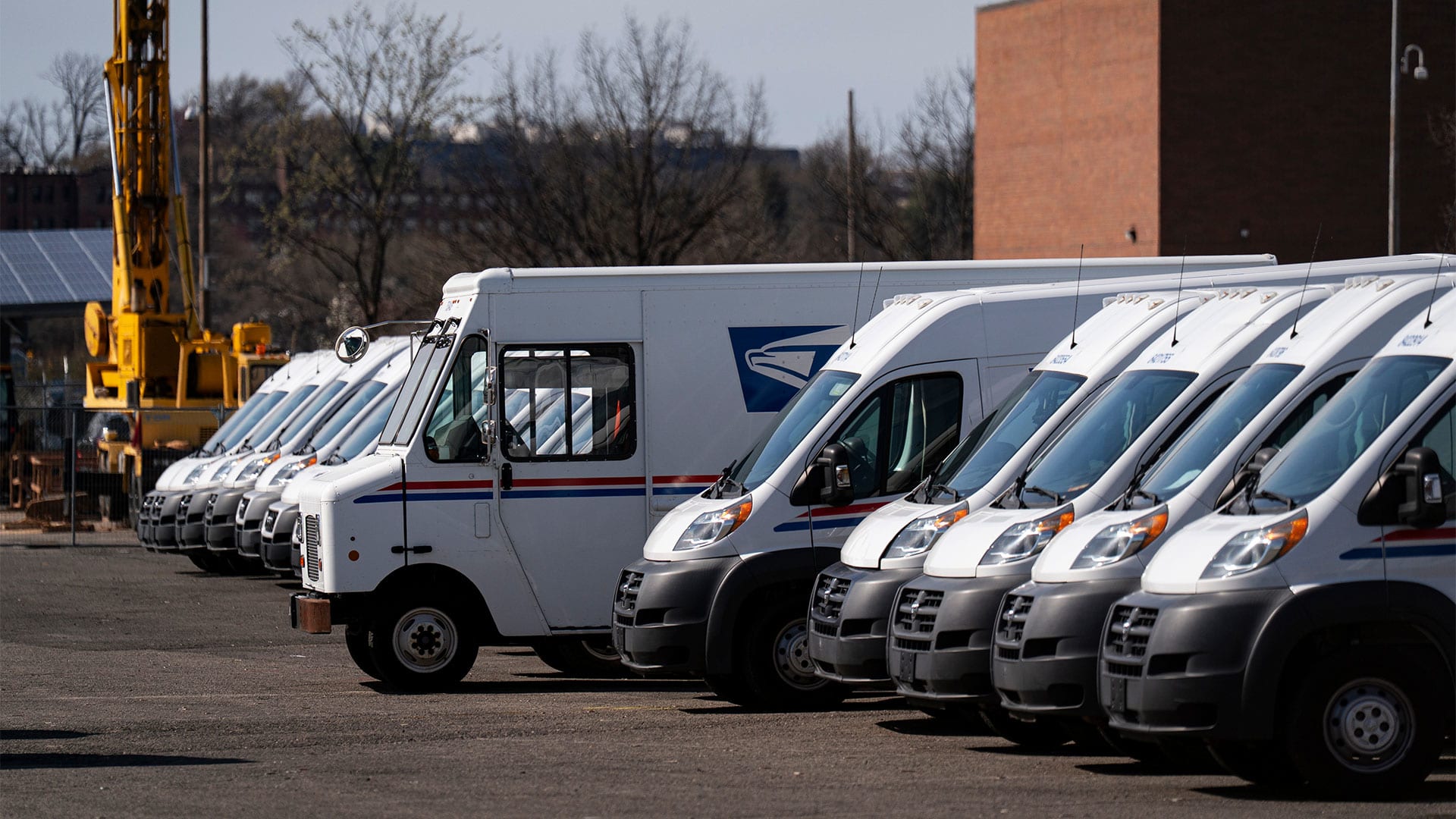
The year 2024 marked a significant turning point in United States Postal Service (USPS) history, characterized by two distinct price hikes that fundamentally changed mailing costs for households and businesses. In 2024, the price of a First-Class Mail Forever stamp rose from 66 cents to 68 cents in January, and then to 73 cents in July. These adjustments were part of the "Delivering for America" 10-year plan, designed to achieve financial stability through more frequent, incremental rate changes.
The Dual Increase Strategy of 2024
The 2024 USPS stamp increase was not a single event but a two-stage adjustment process. This "twice-a-year" rhythm has become the standard operational procedure for the postal service as it attempts to keep pace with inflation and the rising costs of logistical operations. Looking back from 2026, the 2024 increases are viewed as the period when the USPS solidified its aggressive pricing strategy to offset declining mail volumes and a multi-billion dollar deficit.
The first increase took effect on January 21, 2024. During this phase, the First-Class Mail Forever stamp increased by approximately 3%, moving from 66 cents to 68 cents. This was followed by a more substantial hike on July 14, 2024, which saw the stamp price jump another 5 cents to reach 73 cents. Collectively, these changes represented a total increase of nearly 10.6% within a single calendar year. For heavy mailers, such as non-profits and small businesses, this necessitated a rapid reconfiguration of annual budgets and a shift toward more efficient mailing technologies.
The rationale behind these specific dates involves the Postal Regulatory Commission (PRC) review process. The USPS must provide notice to the PRC, which then evaluates the proposed rates to ensure they comply with legal requirements and inflation-based price caps. In 2024, the USPS successfully argued that these hikes were essential to maintain service standards while modernizing an aging infrastructure that includes a new fleet of delivery vehicles and upgraded processing centers.
Detailed Breakdown of 2024 Postal Rates
To understand the full impact of the 2024 increases, one must look beyond the standard Forever stamp. The adjustments affected nearly every category of mail, from domestic postcards to international letters and specialized services like Certified Mail. The goal of the USPS was to align pricing with the actual operational cost of handling different types of mail, which often requires manual sorting or specialized tracking.
For instance, the price for mailing a postcard rose from 51 cents at the start of 2024 to 56 cents by the end of the year. While a 5-cent difference may seem negligible to an individual sending a single card, it represents a significant cost increase for the tourism and marketing industries. Similarly, international outbound letters, which began the year at $1.50, reached $1.65 by July 2024. This change impacted global commerce and personal correspondence across borders, reflecting the higher costs associated with international logistics and terminal dues paid to foreign postal administrations.
2024 USPS Rate Comparison Table
The following table outlines the price evolution for major mailing categories throughout the 2024 calendar year, providing a clear view of the two-step increase.
| Mail Category | Rate Prior to Jan 2024 | Rate After Jan 21, 2024 | Rate After July 14, 2024 |
|---|---|---|---|
| First-Class Mail Forever Stamp | $0.66 | $0.68 | $0.73 |
| First-Class Mail (1 oz Metered) | $0.63 | $0.64 | $0.69 |
| Domestic Postcards | $0.51 | $0.53 | $0.56 |
| International Letters (1 oz) | $1.50 | $1.55 | $1.65 |
| Additional Ounce (Letters) | $0.24 | $0.24 | $0.28 |
| Certified Mail Fee | $4.35 | $4.40 | $4.85 |
| Media Mail (1 lb) | $3.92 | $4.13 | $4.63 |
Economic Drivers: Why Rates Rose in 2024
The primary driver for the 2024 price increases was the Delivering for America plan. Launched by Postmaster General Louis DeJoy, this 10-year strategy aims to reverse a projected $160 billion in losses by 2030. In 2024, the USPS faced a confluence of economic pressures, including high fuel costs for its massive delivery fleet and rising labor costs in a competitive employment market.
Inflation also played a critical role. The USPS utilizes a pricing formula that is heavily influenced by the Consumer Price Index (CPI). As the cost of living and business operations rose in the preceding years, the USPS leveraged its authority to raise prices to levels that "match or exceed" inflation to ensure "financial self-sufficiency." Critics often point out that while prices have risen, delivery speed targets have occasionally been adjusted downward, creating a complex debate about the value proposition of the postal service.
Furthermore, the shift from "transactional mail" (bills and statements) to "package-centric" delivery has changed the USPS cost structure. Letters are highly profitable because they can be processed by high-speed automated equipment. Packages, however, require more manual labor and larger storage space in delivery vehicles. As letter volume continued to decline in 2024, the USPS used the price increases on First-Class Mail to help subsidize the massive infrastructure overhaul needed to compete with private carriers like UPS and FedEx.
Impact on Commercial and Small Business Mailers
The 2024 increases hit the commercial sector particularly hard. Businesses that rely on Direct Mail marketing found their ROI (Return on Investment) thinning as postage costs climbed. However, the USPS also introduced several incentives and "promotions" in 2024 to encourage the use of high-tech mail. These included discounts for mailers who integrated QR codes, augmented reality, or specialized tactile "sensory" elements into their envelopes.
Small businesses often felt the pinch more than large corporations because they lacked the volume to qualify for the deepest commercial discounts. For these entities, the transition to metered mail became a critical survival strategy. In 2024, the gap between a retail stamp ($0.73) and a metered ounce ($0.69) widened. While 4 cents might seem minor, for a business sending 10,000 invoices a month, this difference saved $400 monthly or $4,800 annually.
Another area of impact was the "Additional Ounce" rate. For much of late 2023 and early 2024, the cost for an extra ounce of mail remained steady at 24 cents. However, the July 2024 hike increased this to 28 cents. This specifically affected legal firms and insurance companies that frequently mail multi-page documents that exceed the standard one-ounce limit.
Strategic Savings Tips for 2026 and Beyond
While we are now in 2026, the lessons and habits formed during the 2024 price hikes remain highly relevant. Understanding how to navigate the postal system can yield significant savings, especially as the USPS continues its pattern of semi-annual adjustments.
1. Leverage the Power of Forever Stamps
The single most effective tip remains the purchase of Forever stamps before a scheduled increase. Because these stamps are always valid for the current First-Class Mail one-ounce rate, buying them at the 2024 price of 73 cents protects you against any subsequent increases in 2025 or 2026. For households that still mail holiday cards or wedding invitations, stocking up during a "low" rate period is a risk-free investment.
2. Transition to Metered Postage
If you operate a home office or a small business, using a postage meter or an online postage service (such as Stamps.com or Pirate Ship) is essential. As shown in the 2024 rate data, metered mail is consistently cheaper than retail stamps. This is because metered mail is easier for the USPS to process, and they pass those operational savings on to the user.
3. Optimize Weight and Dimensions
In 2024, many users were surprised by "dimensional weight" pricing. This means that the size of a package can sometimes matter more than how much it weighs. To save money, always use the smallest possible envelope or box that safely contains your items. For documents, folding them into a standard #10 envelope is significantly cheaper than sending them flat in a large 9x12 "Flats" envelope, which is subject to higher rates.
4. Utilize USPS Promotions and Incentives
For those involved in bulk mailing, the USPS offers a "Promotions Calendar." These are specific windows during the year where you can receive a 3% to 6% discount on postage if your mailpiece includes certain features. In 2024, popular promotions included the "Emerging and Advanced Technology" discount and the "Reply Mail IMbA" incentive. Staying informed through the USPS Postal Pro portal can help large-scale mailers offset the base rate increases.
The Role of the Postal Regulatory Commission (PRC)
The 2024 increases were closely monitored by the Postal Regulatory Commission, an independent agency that provides regulatory oversight. The PRC’s role is to ensure that the USPS remains competitive while fulfilling its "Universal Service Obligation"—the mandate to provide postal services to all Americans at affordable rates.
In 2024, the PRC faced pressure from consumer advocacy groups and the Greeting Card Association, who argued that frequent price hikes were driving customers away from the mail system entirely. However, the PRC ultimately ruled that the USPS was within its legal rights to implement the July 2024 hike. For citizens and business owners, the PRC serves as a venue for public comment. Monitoring PRC filings is a "pro tip" for those who want advance notice of upcoming rate changes before they are officially announced in the mainstream media.
Frequently Asked Questions
Why did USPS stamps go up twice in 2024?
The USPS adopted a semi-annual price adjustment schedule as part of its 10-year "Delivering for America" plan. This approach allows the postal service to react more quickly to inflationary pressures and operational cost increases rather than waiting for a single large annual increase. By splitting the increase into January and July, the USPS aims to smooth out the financial impact on consumers while steadily building its revenue base.
Are Forever stamps from 2023 still valid in 2026?
Yes, Forever stamps never expire and are always valid for the current First-Class Mail one-ounce rate, regardless of when they were purchased. If you bought Forever stamps in 2023 for 66 cents or in early 2024 for 68 cents, you can still use them today in 2026 to mail a standard letter without adding any additional postage. This is what makes them an excellent hedge against inflation.
What is the difference between a stamp and metered mail?
A retail stamp is a physical adhesive purchased at a Post Office or retail outlet, generally used by individuals. Metered mail is postage printed directly onto an envelope or a label using a licensed postage meter or online service. The USPS offers a discount on metered mail (typically several cents lower than a stamp) because it is pre-cancelled and easier to sort, which reduces the labor required by the postal service.
Did the cost of Media Mail increase in 2024?
Yes, Media Mail saw a significant jump in 2024. In January, the rate for a 1 lb package rose to $4.13, and by July 14, 2024, it increased again to $4.63. Media Mail is a cost-effective way to send books, sound recordings, and educational materials, but it is subject to strict inspections to ensure no prohibited items (like advertising) are included. Despite the 2024 increases, it remains one of the most affordable ways to ship heavy printed matter.
How can I find out about future rate increases?
The USPS is required to announce proposed rate changes several months in advance. The most reliable sources are the USPS Newsroom and the Postal Regulatory Commission (PRC) website. Generally, if an increase is planned for July, the announcement occurs in April. If an increase is planned for January, the announcement typically happens in October of the previous year.
Practical Steps for Managing Postal Costs
As we navigate the postal landscape of 2026, the best course of action is to audit your mailing habits. Start by calculating your monthly postage spend. If you are still using retail stamps for business purposes, the data from 2024 proves that you are overpaying. Switching to a digital postage provider not only saves you the difference between the $0.73 (the late 2024 rate) and the lower metered rate but also saves time spent at the Post Office.
For individuals, the strategy is simpler: maintain a small "buffer" of Forever stamps. By purchasing a few coils whenever a new rate increase is announced, you effectively "lock in" the lower price for years to come. Lastly, always verify the weight of your mail. In 2024, many "hidden" costs came from letters that were just slightly over the one-ounce limit, triggering an additional 28-cent charge. Investing in a small digital scale can prevent these unexpected costs and ensure your mail reaches its destination without being returned for "Postage Due."