The 2024 trade deadlines across professional sports—specifically Major League Baseball (MLB), the National Basketball Association (NBA), and the National Football League (NFL)—represented a pivotal era of aggressive roster management. These deadlines were defined by high-stakes "seller's markets," the looming influence of new collective bargaining agreements, and a desperate push for postseason viability.
Looking back from 2026, the transactions made during the 2024 calendar year provided the foundational architecture for the current competitive landscape. While each league operates under its own specific fiscal and temporal constraints, 2024 stood out as a year where front offices prioritized immediate depth over long-term speculative assets. This shift was largely driven by the expanded playoff formats in MLB and the NFL, which incentivized more teams to remain "buyers" deeper into the season, and the restrictive "apron" tiers in the NBA’s salary cap, which forced contenders to consolidate talent before financial penalties became untenable.
The MLB 2024 Trade Deadline: A Seller’s Market Phenomenon
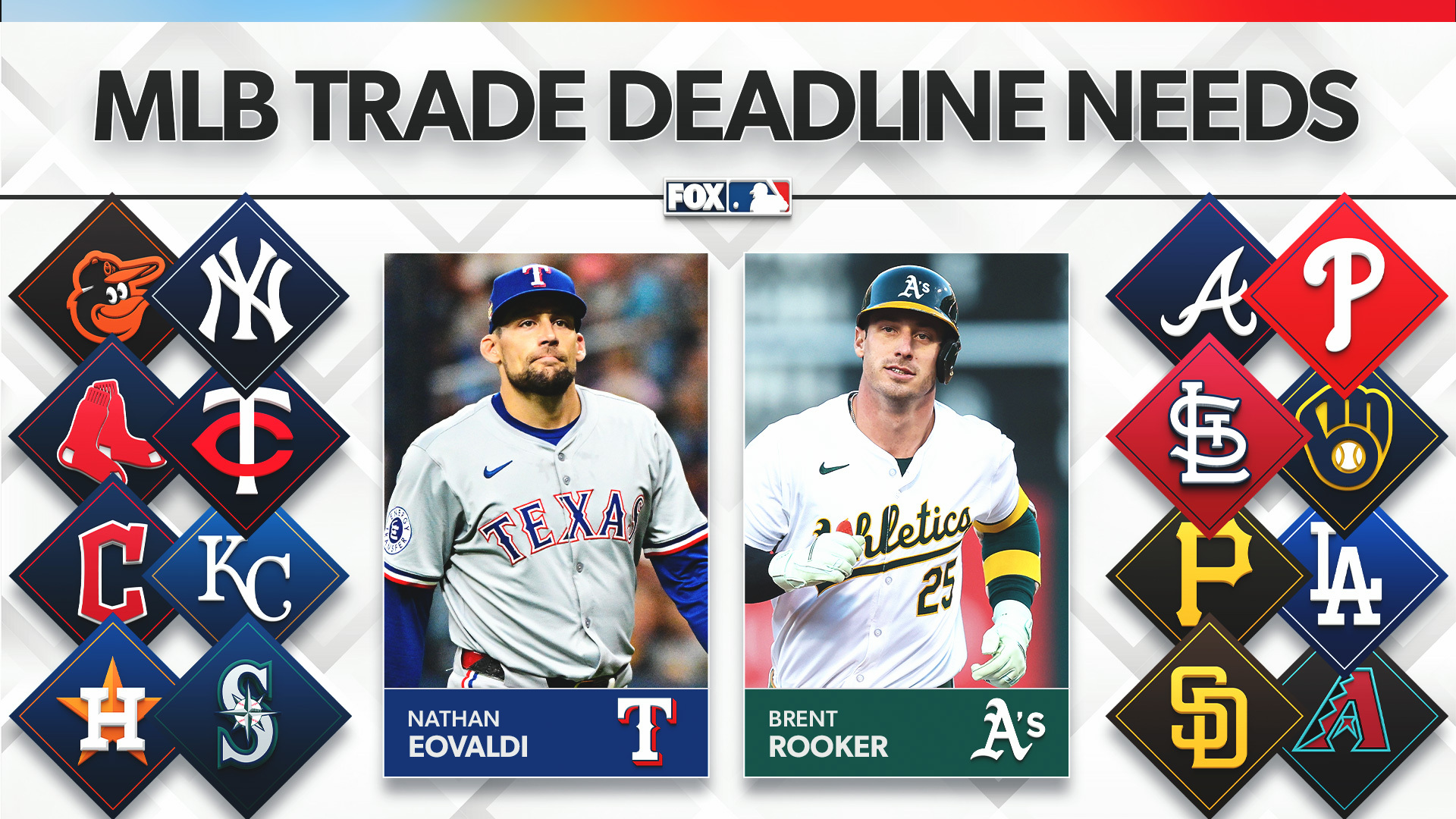
The MLB trade deadline, which fell on July 30, 2024, is now remembered as one of the most lopsided "seller’s markets" in modern baseball history. Due to the three-Wild Card format, nearly two-thirds of the league remained within striking distance of a playoff berth by mid-July. This created a surplus of buyers and a severe scarcity of clear sellers, driving the acquisition cost of even mid-tier relief pitchers and depth starters to unprecedented heights.
The Los Angeles Dodgers and San Diego Padres emerged as the primary protagonists of this period. The Dodgers, facing a catastrophic injury crisis in their starting rotation, successfully acquired Jack Flaherty from the Detroit Tigers in the final hours. Flaherty’s performance in the subsequent months validated the high prospect cost, as he provided the stability necessary for their deep 2024 postseason run. Meanwhile, the Padres executed a high-risk strategy by overhauling their bullpen, acquiring Tanner Scott from the Miami Marlins and Jason Adam from the Tampa Bay Rays. These moves signaled a shift in team-building philosophy, prioritizing "short-inning" dominance to mask rotation vulnerabilities.
For teams like the Miami Marlins and Chicago White Sox, the 2024 deadline was a necessary, if painful, liquidation. The Marlins, in particular, moved almost every high-value asset on their roster, including Jazz Chisholm Jr. to the New York Yankees and Luis Arraez to the Padres (earlier in May). These trades were not merely about shedding salary; they were a systemic attempt to replenish farm systems that had stagnated. From our 2026 vantage point, we can see that the prospects acquired during this fire sale have begun to graduate to the Major Leagues, though the immediate result for those fanbases was a difficult transition period.
NBA 2024 Mid-Season Market: Navigating the Second Apron
The NBA’s trade deadline on February 8, 2024, was heavily influenced by the new Collective Bargaining Agreement (CBA). Front offices were forced to operate with a "second apron" of the luxury tax in mind—a threshold that, if crossed, carries severe penalties including the freezing of future first-round picks and the loss of the Mid-Level Exception. This financial reality led to a deadline characterized by strategic consolidation rather than the blockbuster movements of previous years.
One of the most impactful moves of the 2024 window was the Dallas Mavericks' acquisition of P.J. Washington from the Charlotte Hornets and Daniel Gafford from the Washington Wizards. While neither player was an All-Star at the time, their defensive versatility and vertical spacing were the exact components required to complement the Luka Dončić-Kyrie Irving backcourt. This deadline is often cited by analysts as the blueprint for "marginal improvement" winning out over "superteam" construction.
Conversely, the New York Yankees of the NBA—the New York Knicks—showed that aggressive buying could still coexist with fiscal responsibility. By acquiring OG Anunoby in late December 2023 (effectively setting the stage for the February deadline) and later adding depth pieces like Bojan Bogdanović, the Knicks maximized their window before the most restrictive CBA penalties kicked in. The 2024 deadline served as the final opportunity for many franchises to "lock in" their core rosters before the new salary rules made high-end roster churn nearly impossible.
NFL 2024 Trade Deadline: The New Tuesday Tradition
The 2024 NFL trade deadline, which occurred on November 5, 2024, marked a significant structural change for the league. Following a proposal by the Pittsburgh Steelers and other clubs, the NFL officially moved the deadline to the Tuesday following Week 9. This extra week of evaluation allowed teams to better assess their injury situations and playoff probabilities before committing draft capital to veteran rentals.
The 2024 deadline was unusually active for a league that historically valued draft picks above all else. Wide receivers were the primary currency of the season. The New York Jets' acquisition of Davante Adams and the Buffalo Bills' move for Amari Cooper (both occurring in mid-October, leading up to the deadline) showcased a desperate arms race in the AFC. These moves highlighted a growing trend: NFL GMs are now more willing to part with Day 2 and Day 3 picks to satisfy "win-now" mandates from ownership.
Furthermore, the Washington Commanders used the 2024 deadline to signal their arrival as a legitimate contender, acquiring four-time Pro Bowl cornerback Marshon Lattimore from the New Orleans Saints. This move was a departure from the "rebuild" narrative that had surrounded the franchise, proving that the extra week provided by the new deadline rules could embolden "fringe" contenders to make aggressive plays for elite talent.
Comparative Overview of 2024 Trade Deadline Outcomes
The following table compares the key metrics and most significant transactions across the three major leagues during the 2024 trade windows.
| Feature | MLB (July 30, 2024) | NBA (Feb 8, 2024) | NFL (Nov 5, 2024) |
|---|---|---|---|
| Market Primary Driver | Postseason Expansion | CBA "Second Apron" Fears | New Week 9 Schedule |
| Key Player Moved | Jack Flaherty (DET to LAD) | P.J. Washington (CHA to DAL) | Marshon Lattimore (NO to WAS) |
| Defining Strategy | Bullpen Overhaul | Role Player Optimization | Veteran WR Acquisitions |
| Highest "Buyer" Risk | San Diego Padres | New York Knicks | New York Jets |
| Market Atmosphere | Extreme Seller's Market | Calculated Consolidation | High-Volume Veteran Movement |
Long-Term Impacts on Franchise Valuations and Roster Building
The ripple effects of the 2024 trade deadlines are still being felt in 2026. In MLB, the "prospect inflation" seen in 2024 has led to a more cautious approach in subsequent years. Teams have realized that overpaying for two months of a rental pitcher can deplete a farm system for half a decade. This has resulted in more "challenge trades"—swapping Major League talent for Major League talent—rather than the traditional prospect-for-veteran model.
In the NBA, the 2024 deadline was the beginning of the "Middle-Class Squeeze." Because the top-tier teams are restricted by the apron, and the bottom-tier teams are incentivized to tank for draft equity, the "middle-class" teams have become the primary engines of trade activity. We see this today in 2026, where teams like the Oklahoma City Thunder have used the surplus of picks they guarded in 2024 to create a sustainable, rotating door of high-end role players.
The NFL has seen the most dramatic cultural shift. The 2024 deadline normalized the "NBA-style" mid-season move. Defensive coordinators in 2026 now have to account for the possibility that an opponent’s roster could fundamentally change in November, leading to more complex, adaptable defensive schemes. The success of the 2024 "buyers" like Washington and Buffalo has convinced the league that draft picks, while valuable, are often less certain than a proven veteran who can contribute immediately.
Common Pitfalls and Strategic Failures of 2024
Not every move made during the 2024 trade windows resulted in success. Some of the most notable failures involved teams that misjudged their own competitive windows.
- The "False Buyer" Trap: Several teams in the 2024 MLB deadline acted as buyers despite having a less than 20% chance of making the playoffs. These teams sacrificed young talent for a negligible increase in postseason probability, a move that hindered their rebuilds in 2025.
- Over-leveraging for Aging Stars: In the NFL, the 2024 season saw multiple franchises trade for veteran stars with high remaining salary guarantees. When these players underperformed or succumbed to injury, the teams were left with significant "dead cap" hits that limited their ability to sign free agents in the following two offseasons.
- The Luxury Tax Paralysis: Some NBA teams were so terrified of the 2024 CBA implications that they stood pat during the deadline, failing to improve their rosters even as their rivals got better. This "paralysis by analysis" effectively wasted prime years of their superstar players' careers.
Frequently Asked Questions
Why was the 2024 MLB trade deadline so quiet for starting pitchers?
The lack of starting pitching movement was a result of two factors: a high number of injuries to elite starters across the league and a low number of teams willing to fully "sell." With more teams in the Wild Card race, teams that would normally trade their starters chose to keep them for a playoff push, leading to an extreme supply-demand imbalance.
How did the new NFL trade deadline date affect 2024 strategies?
The move from the Tuesday after Week 8 to the Tuesday after Week 9 gave GMs an extra game's worth of data. In 2024, this was crucial because several key players returned from the Injured Reserve (IR) in Week 9, allowing teams to see if they still needed to trade for reinforcements or if their internal solutions were sufficient.
What does "Second Apron" mean in the context of the 2024 NBA deadline?
The second apron is a salary cap threshold roughly $17.5 million above the luxury tax line. If a team's payroll exceeds this, they face severe "punitive" restrictions, such as being unable to use a trade exception from a previous year or being unable to aggregate multiple players' salaries in a trade. In 2024, teams moved aggressively to stay under this line to preserve their future flexibility.
Who were the biggest winners of the 2024 trade deadlines?
From a 2026 perspective, the Los Angeles Dodgers (MLB) and the Dallas Mavericks (NBA) are considered the primary winners. Both franchises identified specific, non-obvious needs—starting depth and defensive role players, respectively—and executed trades that directly contributed to deep playoff runs and championship contention.
Why did wide receivers dominate the 2024 NFL trade market?
The 2024 season was marked by a "passing game crisis" early on, where scoring was down across the league. Contending teams believed that adding elite, "man-coverage beating" receivers like Davante Adams or Amari Cooper was the only way to unlock their offenses before the postseason.
Navigating Future Trade Windows: Strategic Recommendations
For front offices and analysts looking to apply the lessons of 2024 to current and future seasons, several principles have emerged as "gold standards" for roster management. First, flexibility is the ultimate asset. Teams that entered 2024 with clean balance sheets and a surplus of mid-tier draft picks were able to pivot regardless of the market conditions.
Second, internal scouting is as important as external scouting. The teams that succeeded in 2024 were those that accurately identified which of their own prospects were "expendable" and which were "untouchable." Miscalculating the value of one's own farm system or bench often leads to the "buyer's remorse" seen in several 2024 transactions. Finally, the human element of chemistry cannot be ignored. The most successful trades of 2024 involved players who could fit into existing locker room cultures without disruption—a factor that sophisticated data models often struggle to quantify but remains vital for championship-caliber organizations.