The 2024 television lineup represented a significant peak in display technology, characterized by the widespread adoption of second-generation Micro Lens Array (MLA) OLEDs, third-generation QD-OLED panels, and a massive leap in Mini-LED peak brightness. These sets established the high-performance benchmarks for AI-driven image processing and gaming features that remain relevant in 2026.
The Technological Landscape of 2024 Televisions
The year 2024 was defined by a fierce competition between OLED and Mini-LED technologies, with manufacturers pushing the limits of HDR (High Dynamic Range) performance. While previous years focused on incremental updates, 2024 saw substantial architectural changes in how panels managed light and color.
The Rise of High-Brightness OLEDs
LG and Samsung, the two primary panel manufacturers, introduced significant hardware revisions. LG’s G4 Series utilized the second generation of Micro Lens Array (MLA) technology. By placing billions of microscopic lenses over the OLED pixels, the G4 managed to redirect light that was previously lost internally, achieving peak brightness levels nearing 3,000 nits in specific windows.
Simultaneously, Samsung’s S95D introduced the third generation of QD-OLED (Quantum Dot OLED). This technology combined the self-emissive properties of OLED with the color vibrancy of Quantum Dots. A controversial but effective addition to the S95D was the "OLED Glare Free" finish—a specialized matte coating that virtually eliminated reflections, a common pain point for OLED owners in bright rooms.
Sony’s Strategic Pivot to Mini-LED
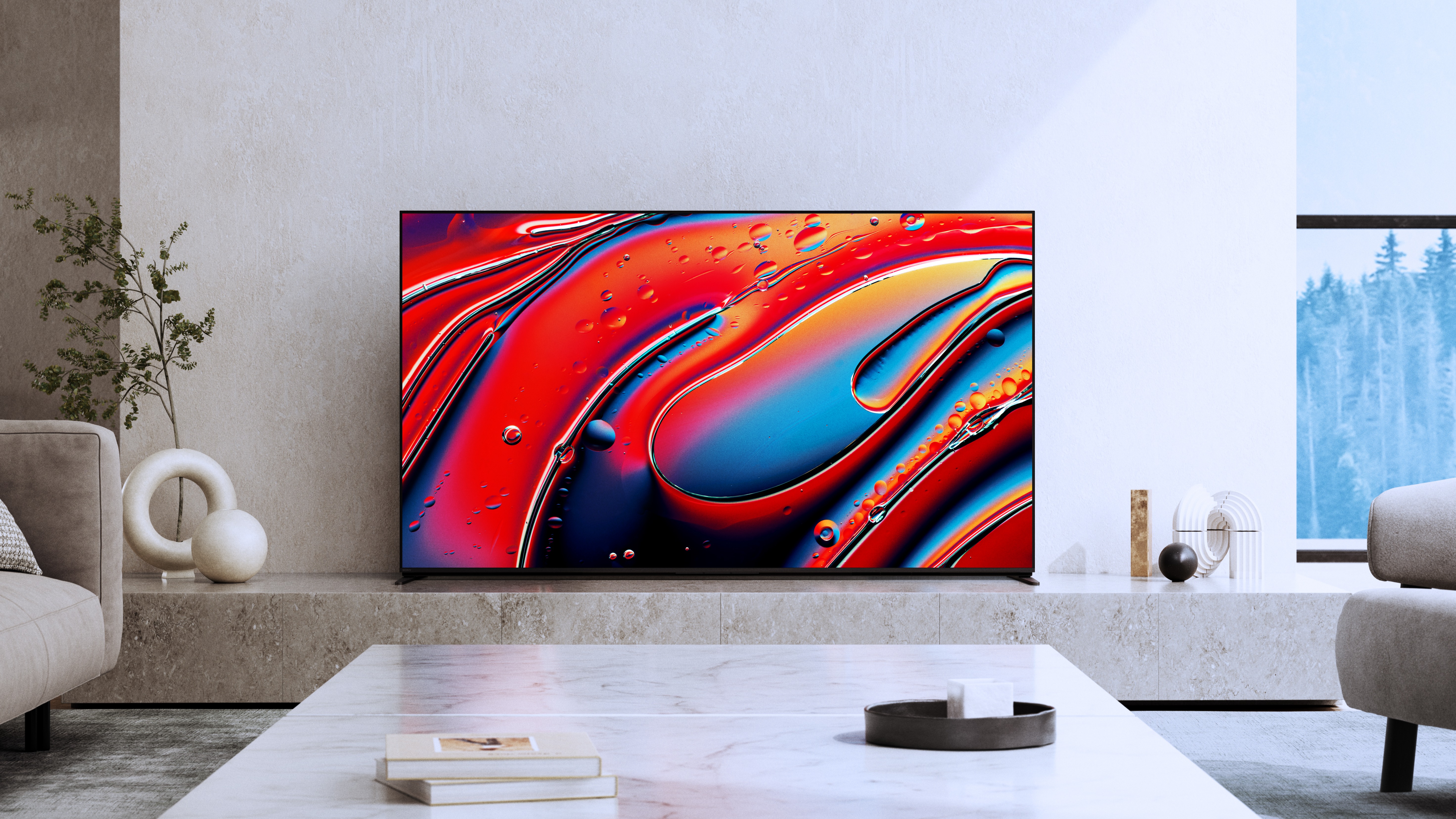
In a surprising move for 2024, Sony shifted its flagship focus from OLED to Mini-LED with the Bravia 9. Sony argued that as mastering monitors in Hollywood (like their own BVM-HX3110) reached 4,000 nits, home displays needed to match that luminance to preserve the creator's intent. The Bravia 9 featured a sophisticated local dimming driver that allowed for granular control over thousands of zones, aiming to provide OLED-like blacks with the high-peak highlights only LED could offer.
Key Performance Categories and Top Performers
When evaluating 2024 televisions from our current 2026 vantage point, the market can be divided into four distinct categories based on their primary use cases and panel types.
Premium OLED Excellence
The LG G4 and Samsung S95D were the undisputed leaders in this category. The LG G4, powered by the α11 AI Processor, offered superior upscaling and motion handling, making it a favorite for cinephiles. The Samsung S95D, meanwhile, appealed to those who wanted the most "pop" in their colors and a specialized gaming hub.
High-End Mini-LED Mastery
Beyond the Sony Bravia 9, the Samsung QN90D and QN95D series provided excellent alternatives for consumers who required high brightness for daytime viewing. These sets utilized Neo QLED technology to minimize "blooming"—the halo effect seen around bright objects on dark backgrounds—making them formidable competitors to OLED in terms of contrast.
The Value-to-Performance Leaders
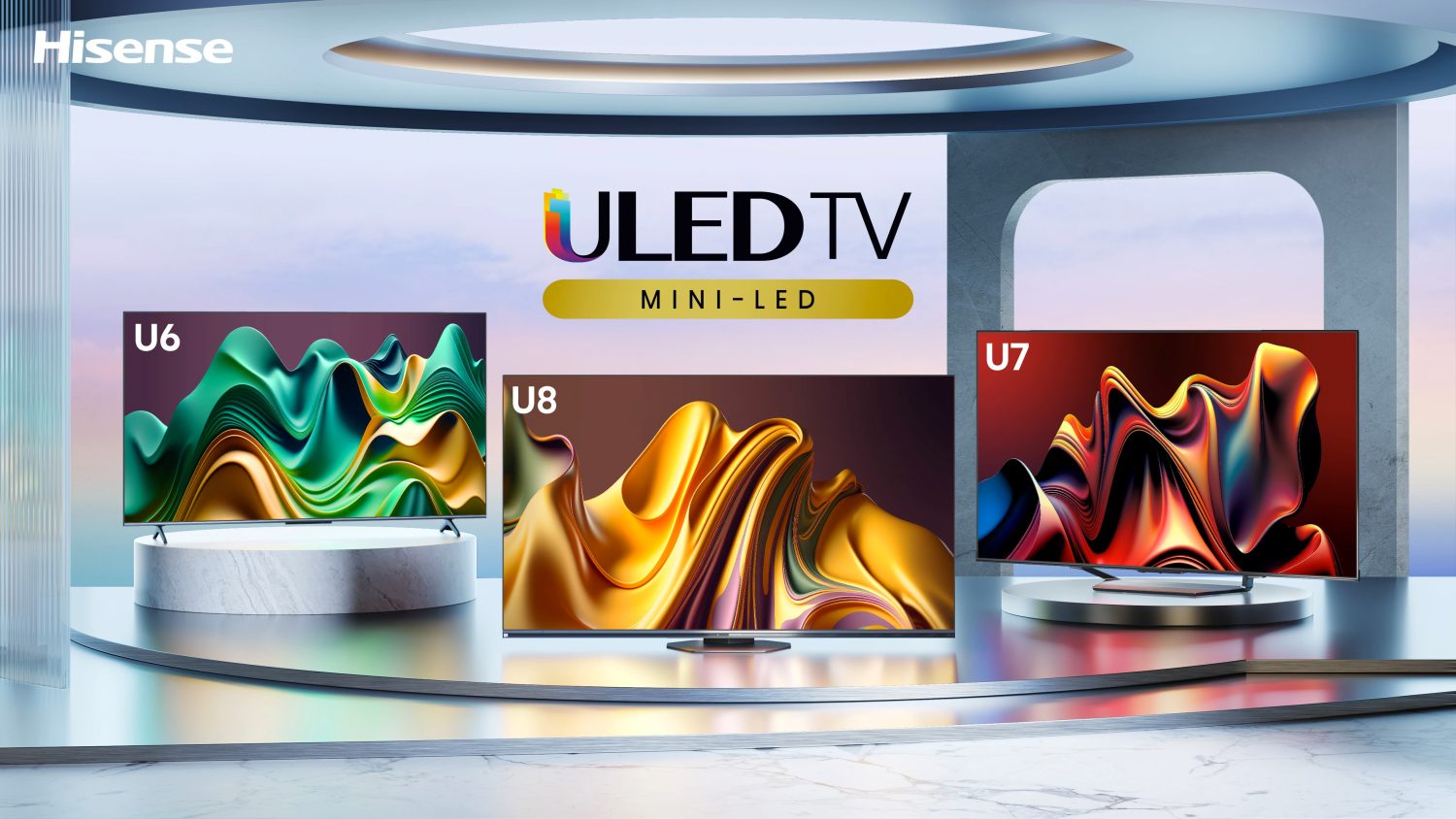
TCL and Hisense continued to disrupt the market in 2024. The TCL QM8 (2024) and the Hisense U8N delivered specifications that were previously reserved for sets costing twice as much. With peak brightness often exceeding 3,000 nits and robust local dimming arrays, these models made high-end HDR accessible to a broader audience.
| Model | Panel Type | Peak Brightness (Approx.) | Best For |
|---|---|---|---|
| LG G4 | MLA OLED | 3,000 nits | Movies & Wall Mounting |
| Samsung S95D | QD-OLED | 2,600 nits | Bright Rooms & Vivid Color |
| Sony Bravia 9 | Mini-LED | 4,000 nits | Home Theater Enthusiasts |
| TCL QM8 (2024) | Mini-LED | 5,000 nits | High-Value Performance |
| LG C4 | WOLED | 1,000 nits | All-around Gaming |
| Samsung QN90D | Neo QLED | 2,000 nits | Daytime Sports & General Use |
Advancements in AI Processing and Smart Features
In 2024, the term "AI TV" became a central marketing pillar. This wasn't just jargon; it represented a fundamental change in how televisions handled low-resolution content.
- Neural Upscaling: Manufacturers like Samsung integrated processors such as the NQ8 AI Gen3, which used hundreds of neural networks to analyze content frame-by-frame. This allowed 2024 televisions to upscale 1080p and 4K content to 8K (or simply sharpen 4K) with fewer artifacts than previous generations.
- Object-Based Enhancement: AI algorithms began identifying specific objects on screen—such as faces or landscapes—and applying independent sharpening and contrast adjustments to those areas to create a sense of depth.
- Gaming Integration: 2024 was the year HDMI 2.1 became standard even on mid-range sets. Features like Variable Refresh Rate (VRR), Auto Low Latency Mode (ALLM), and 144Hz support for PC gaming became baseline expectations for the 2024 enthusiast class.
Critical Considerations for 2024 Models in 2026
As these televisions have now aged two years, certain factors regarding their long-term value and operational stability have become clear.
Software Longevity
One of the most significant shifts in 2024 was the promise of extended software support. LG, for instance, introduced its webOS Re:New program, promising four years of OS updates for its 2024 models. This has ensured that even in 2026, these sets remain compatible with the latest streaming codecs and smart home protocols.
Burn-in and Panel Degradation
For the 2024 OLED models, the use of deuterium and improved heat dissipation materials has largely mitigated the "burn-in" concerns of the previous decade. However, for those buying these units refurbished or second-hand in 2026, it is still vital to check the total "power-on hours" in the system settings to gauge the remaining lifespan of the organic material.
HDR Format Support
The 2024 market remained split on HDR formats. Samsung continued to champion HDR10+, while LG and Sony stuck with Dolby Vision. In 2026, most streaming services support both, but if you are a physical media collector, ensuring your 2024 TV matches your favorite format remains a key technical requirement. For more detailed technical specifications on HDR standards, the Ultra HD Alliance provides comprehensive guidelines on certified hardware.
Frequently Asked Questions
Is a 2024 OLED significantly better than a 2023 model?
Yes, primarily due to the brightness increase. The 2024 models (like the LG G4) utilized 2nd Gen MLA technology, which provided a noticeable jump in "HDR impact" compared to the 2023 G3. Additionally, the processing power in 2024 sets improved the handling of near-black shadow detail, which was a minor weakness in 2023 OLEDs.
Can 2024 televisions handle 8K content effectively?
While 8K models were released in 2024 (such as the Samsung QN900D), native 8K content remains scarce even in 2026. The real value of 2024 8K sets lies in their AI upscaling, which makes high-bitrate 4K content look denser and more detailed. For most users, a high-end 4K set from 2024 remains a more practical investment.
Do 2024 TVs support the latest gaming consoles?
Absolutely. The 2024 lineup was designed with the PlayStation 5 and Xbox Series X in mind, supporting 4K at 120Hz (and sometimes 144Hz). Most premium models from this year feature four full-bandwidth HDMI 2.1 ports, allowing for multiple consoles and a soundbar to be connected without sacrificing performance.
What is the difference between MLA and QD-OLED in 2024 models?
MLA (Micro Lens Array) is a layer of tiny lenses applied to traditional White OLED (WOLED) panels to boost brightness. QD-OLED (Quantum Dot OLED) uses a blue OLED material with a Quantum Dot color converter. In 2024, MLA TVs generally had slightly higher peak white brightness, while QD-OLED sets offered superior color saturation in very bright scenes.
Should I choose Mini-LED or OLED for a bright living room?
For rooms with significant sunlight, a 2024 Mini-LED like the Sony Bravia 9 or Samsung QN95D is generally superior due to its much higher full-screen brightness. However, the Samsung S95D OLED, with its unique matte finish, is a viable 2024 OLED alternative that handles reflections exceptionally well.
Final Recommendation for 2024 Television Buyers
When selecting a 2024 television today, your decision should be driven by your primary viewing environment. If you are building a dedicated home theater where you can control the light, the LG G4 remains a masterclass in cinematic accuracy and contrast. Its MLA technology provides the necessary brightness for HDR highlights without sacrificing the perfect blacks that define the OLED experience.
For those who use their television in multi-purpose rooms with high ambient light, the Sony Bravia 9 or the TCL QM8 are the more practical choices. These Mini-LED sets provide the sheer luminance required to overcome glare while offering local dimming systems sophisticated enough to satisfy most enthusiasts. Before purchasing, verify the firmware is updated to the latest version to ensure you benefit from the final optimization cycles released by manufacturers during the 2025-2026 period.