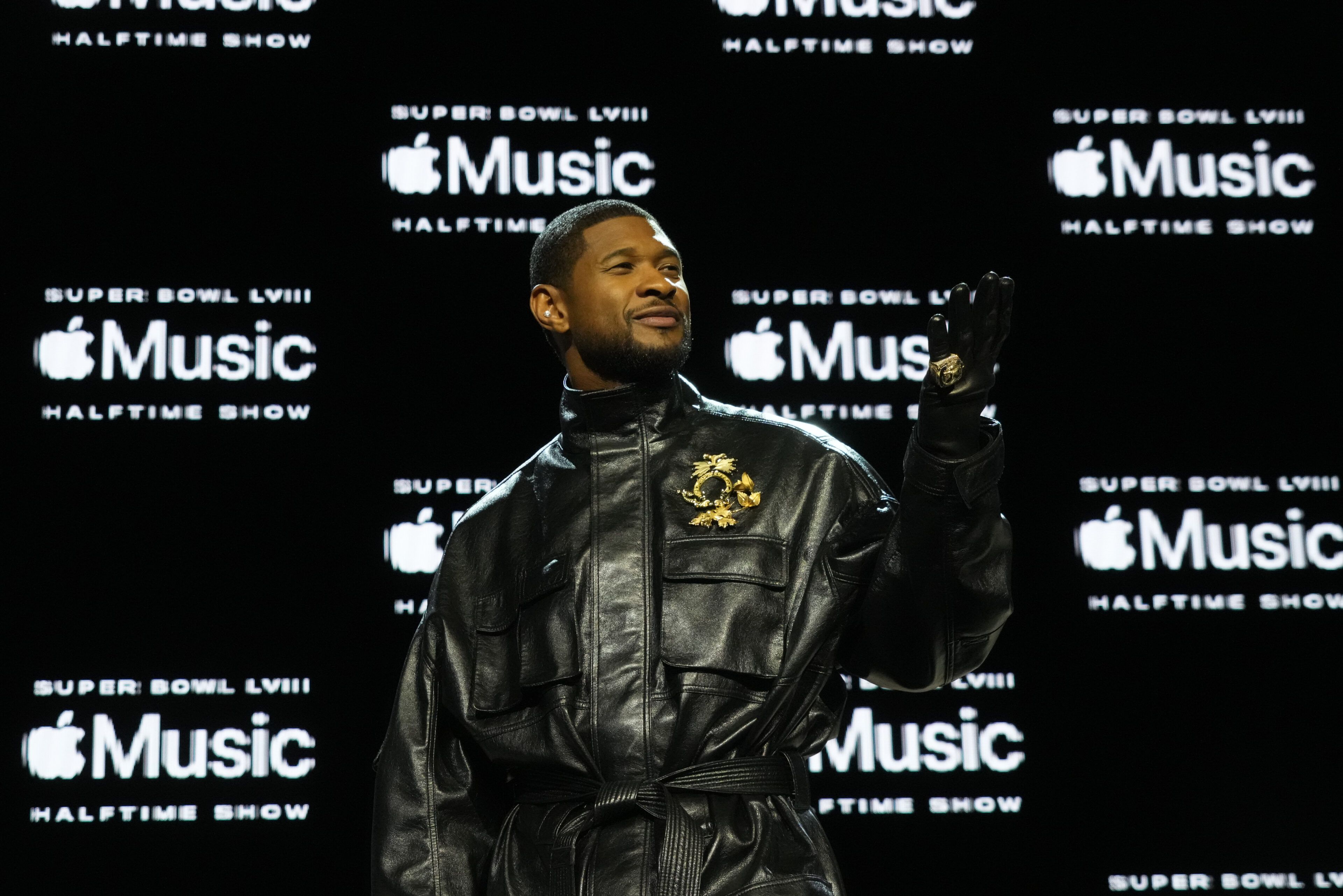
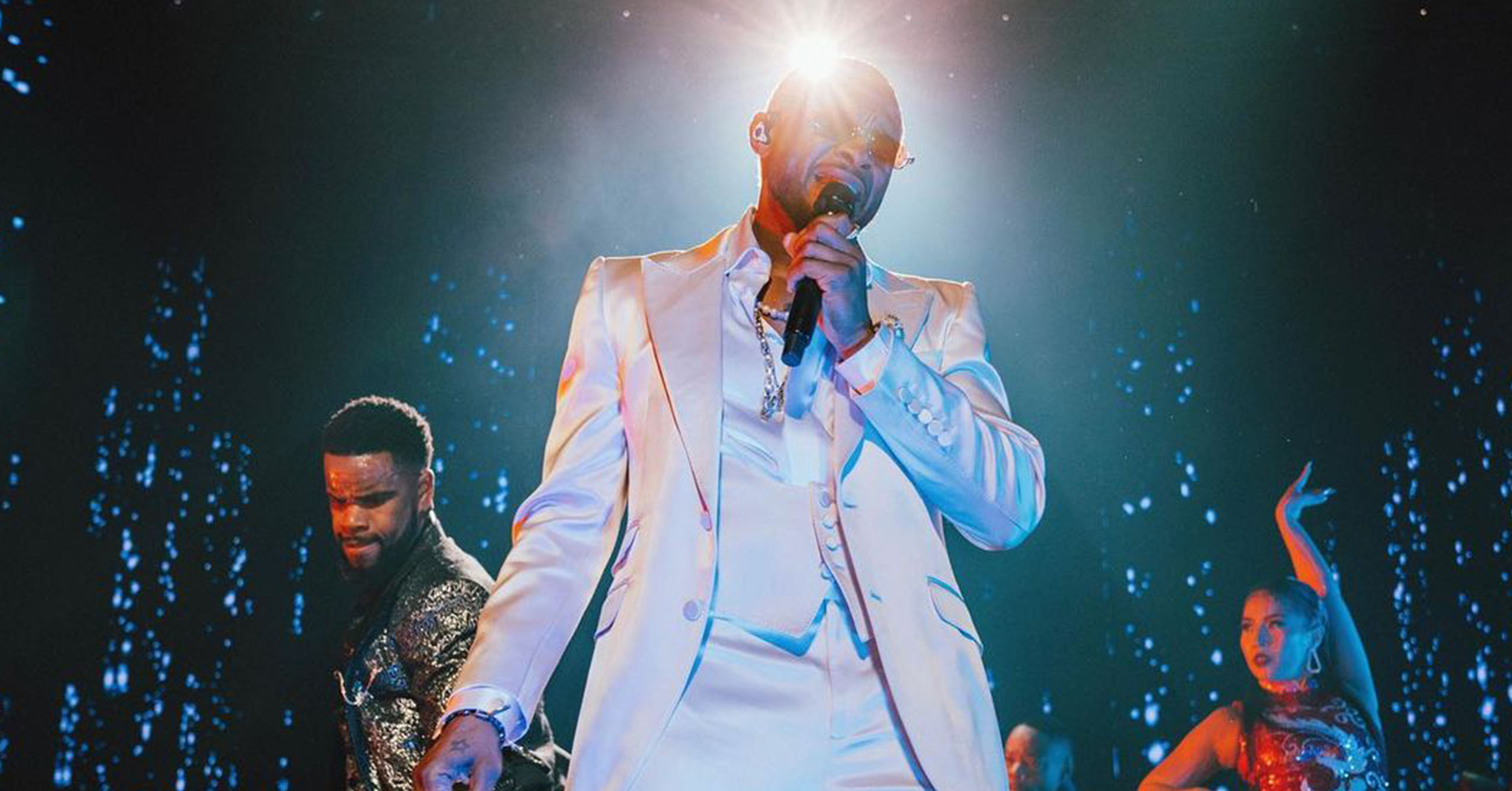
Usher was the headline performer for the 2024 Super Bowl LVIII halftime show at Allegiant Stadium in Las Vegas. His performance was a meticulously choreographed celebration of his 30-year career, featuring iconic hits, impressive roller-skating sequences, and guest appearances from Alicia Keys, H.E.R., Lil Jon, and Ludacris.
The Coronation of the King of R&B in Las Vegas
When the NFL and Apple Music announced Usher as the headliner for the 2024 Super Bowl LVIII halftime show, the expectations were monumental. Las Vegas had recently become Usher’s second home, thanks to his massively successful "My Way" residency. By the time he took the stage on February 11, 2024, he had already performed over 100 shows in the city, honing a live act that was widely considered the gold standard for contemporary R&B.
The choice of Usher was a strategic move by the NFL and Roc Nation to lean into a "legacy" performer who still commanded modern cultural relevance. For Usher, the 13-minute set was more than just a concert; it was a career coronation. Having first appeared as a guest during the Black Eyed Peas' halftime show in 2011, he returned in 2024 as the undisputed lead, tasked with filling the massive void left by the previous year’s solo performance by Rihanna.
From 2026's retrospective viewpoint, the 2024 show is often cited as the "ultimate show" because of its sheer density. Usher managed to condense three decades of Billboard hits into a relentless, high-energy medley that never allowed the momentum to dip. This was a stark contrast to more conceptual or static halftime shows of the past, focusing instead on the "spectacle of the entertainer."
Analyzing the Setlist: A Masterclass in Pacing
The success of a halftime show often hinges on the setlist. Usher’s 2024 performance was a technical marvel in terms of musical arrangement, transitioning seamlessly between slow jams and high-tempo dance tracks. The show began with "Caught Up," a high-octane track that immediately showcased his vocal stability while performing complex choreography.
The middle section of the performance shifted toward his "Confessions" era, which remains one of the best-selling R&B albums of all time. Songs like "U Got It Bad" and "Burn" allowed the production to utilize more intimate lighting and stagecraft, creating a "Vegas lounge" atmosphere within the confines of a 65,000-seat stadium. This transition is critical for any performer aiming to deliver an "ultimate show," as it prevents audience fatigue and demonstrates emotional range.
The finale was a masterstroke of energy management. By closing with "Yeah!", Usher tapped into a universal club anthem that bridged generational gaps. The inclusion of the "A-Town" marching band and the recreation of Atlanta’s skate culture on the Vegas turf provided a visual and auditory climax that remains one of the most memorable endings in Super Bowl history.
Technical Production and Stagecraft Innovations
The 2024 show was the second year of the Apple Music partnership, which brought a heightened focus on spatial audio and high-definition visual storytelling. The stage design was modular, allowing for quick transitions between the various "chapters" of Usher’s career. One of the most technically challenging aspects of the show was the roller-skating segment during "OMG."
Performing on skates on a stage surface designed for foot traffic requires immense physical control and specialized equipment. Usher and his team of professional skaters utilized custom-built skates that provided enough grip for the slick stage while allowing for the fluid glides and spins that became the show's viral highlight.
The lighting design also played a pivotal role. Given that Allegiant Stadium is a domed facility, the production team had total control over the environment. They utilized a sophisticated array of LED floor panels and synchronized "wristband" lights distributed to the audience, turning the entire stadium into a reactive visual canvas. This level of immersion is a prerequisite for any show claiming the title of "ultimate," as it extends the performance beyond the physical boundaries of the stage.
A Symphony of Collaborations: The Guest Stars
While Usher was the primary draw, the 2024 show was bolstered by a carefully curated list of guest performers. Each guest served a specific purpose in the narrative of Usher’s career, rather than appearing as a mere distraction.
- Alicia Keys: Dressed in a stunning red ensemble at a matching red piano, her performance of "If I Ain't Got You" followed by the duet "My Boo" provided the show’s most significant emotional peak.
- H.E.R.: Her virtuosic electric guitar solo during "Bad Girl" added a rock-infused edge to the set, showcasing the musical diversity of the R&B genre.
- Will.i.am: His appearance during "OMG" was a callback to Usher’s previous Super Bowl appearance and solidified the "stadium anthem" feel of the second half.
- Lil Jon and Ludacris: The arrival of these two brought the "Crunk" energy of the early 2000s to the forefront, ensuring the show ended on a peak of pure nostalgia and adrenaline.
The chemistry between Usher and his guests was palpable. Unlike shows where guest appearances feel forced or disjointed, the 2024 collaborations felt like a genuine celebration of a musical community. This collaborative spirit is a hallmark of Usher’s career and was essential in making the performance feel like a comprehensive retrospective rather than a solo ego trip.
Viewership and Historical Context
Statistically, the 2024 Super Bowl halftime show was a juggernaut. At the time of its broadcast, it contributed to the most-watched Super Bowl in history, with an estimated 129.3 million viewers tuning in for the halftime segment alone. While the "Taylor Swift effect" undoubtedly increased the overall viewership of Super Bowl LVIII, Usher’s ability to retain and engage that massive audience speaks to his universal appeal.
Looking back from 2026, we can see how the 2024 show influenced subsequent bookings. The NFL moved toward performers with deep catalogs and proven live-performance stamina. The show also served as a massive commercial vehicle for Usher’s ninth studio album, Coming Home, which was released just two days before the game. This synergy between the live event and the recording industry remains a blueprint for how artists can leverage the Super Bowl platform.
Performance Metrics and Comparison
The following table compares the 2024 performance with other notable halftime shows of the mid-2020s to illustrate why Usher's set was uniquely impactful.
| Feature | Usher (2024) | Rihanna (2023) | Kendrick Lamar (2025) |
|---|---|---|---|
| Primary Genre | R&B / Pop | Pop / Dancehall | Hip-Hop |
| Guest Performers | 6 (High Integration) | 0 (Solo Performance) | Various (West Coast Focus) |
| Key Stage Element | Roller Skating / Marching Band | Floating Platforms | Cinematic Set Design |
| Viewership (approx.) | 129.3 Million | 121.0 Million | 125.0 Million |
| Physical Intensity | Very High (Heavy Dance) | Moderate (Pregnancy focus) | High (Lyrical/Movement) |
| Main Theme | Career Retrospective | Greatest Hits | Cultural/Political Narrative |
Essential Prerequisites for a "Ultimate" Halftime Show
To understand why Usher succeeded, one must look at the prerequisites he fulfilled. An "ultimate" show is not just about hit songs; it is about the intersection of four specific pillars:
- Vocal Stamina: Usher performed live vocals while engaging in grueling choreography. In the era of backing tracks, his commitment to a live vocal performance (with minimal assistance) earned him significant respect from critics.
- Visual Variety: The show changed its "look" at least four times, from the white "Vegas" suit to the futuristic blue and black biker-inspired leather gear.
- Cultural Resonance: The performance paid homage to Atlanta's culture, Black fraternity/sorority life (via the marching band), and the history of R&B.
- Memorable "Gimmicks": Every great show needs a "water cooler" moment. In 2024, it was the roller skating. In 2026, people still discuss the fluidity of the skate sequence during "OMG."
How did Usher prepare for the 13-minute limit?
Usher famously spent months rehearsal-timing every transition. In several interviews, he noted that the hardest part was "killing his darlings"—removing songs like "Scream" or "Dj Got Us Fallin' In Love" to ensure the remaining tracks had enough room to breathe. The technical crew practiced the stage assembly in under eight minutes, a requirement that dictates much of the show's structural possibilities.
What was the significance of the "Coming Home" album?
The album was his first independent release under his own label, Mega, in partnership with Gamma. The Super Bowl acted as the ultimate "unpaid" advertisement (as performers are not paid a fee, only their expenses are covered). This strategic move resulted in a 550% increase in his streaming numbers in the weeks following the performance.
How did the Las Vegas location influence the show?
Vegas allowed Usher to pull from his residency dancers and local production talent. The "Vegas" theme was present in the early parts of the show, featuring showgirls and circus-style performers, which grounded the event in its host city’s identity.
Was there any controversy regarding the 2024 performance?
The most discussed "controversy" was a minor vocal crack during Alicia Keys' opening note of "If I Ain't Got You." However, this was largely overlooked in favor of the overall quality of the set. In the official NFL and Apple Music YouTube uploads, the audio was slightly corrected, leading to a discussion about "perfecting" live history for digital archives.
Who designed Usher’s 2024 Super Bowl outfits?
Usher wore custom outfits designed by Dolce & Gabbana for the first half of the show, which featured over 13,000 Swarovski crystals. His second outfit was a collaborative effort with Off-White, consisting of five distinct pieces that were shed throughout the performance to reveal his final look.
How does the 2024 show compare to 2026 standards?
Even in 2026, Usher’s performance is held up as the benchmark for "the entertainer’s halftime show." While newer shows have utilized more advanced Augmented Reality (AR) technology, the raw physical performance and hit density of Usher’s 2024 set remain difficult to surpass.
How to Revisit the 2024 Performance Today
If you are looking to analyze the 2024 show for its technical brilliance or simply to relive the moment, the best resource remains the official 4K upload on the NFL’s YouTube channel or the "Road to Halftime" documentary on Apple Music. These sources provide the most accurate representation of the sound mixing and camera angles that were specifically designed for the broadcast audience.
For students of performance or production, paying close attention to the "Yeah!" finale provides a blueprint for how to use an entire stadium floor effectively. The 2024 show serves as a reminder that while technology evolves, the core of the "ultimate show" remains a talented performer who can command a stage through skill, charisma, and a deep connection to their musical history.