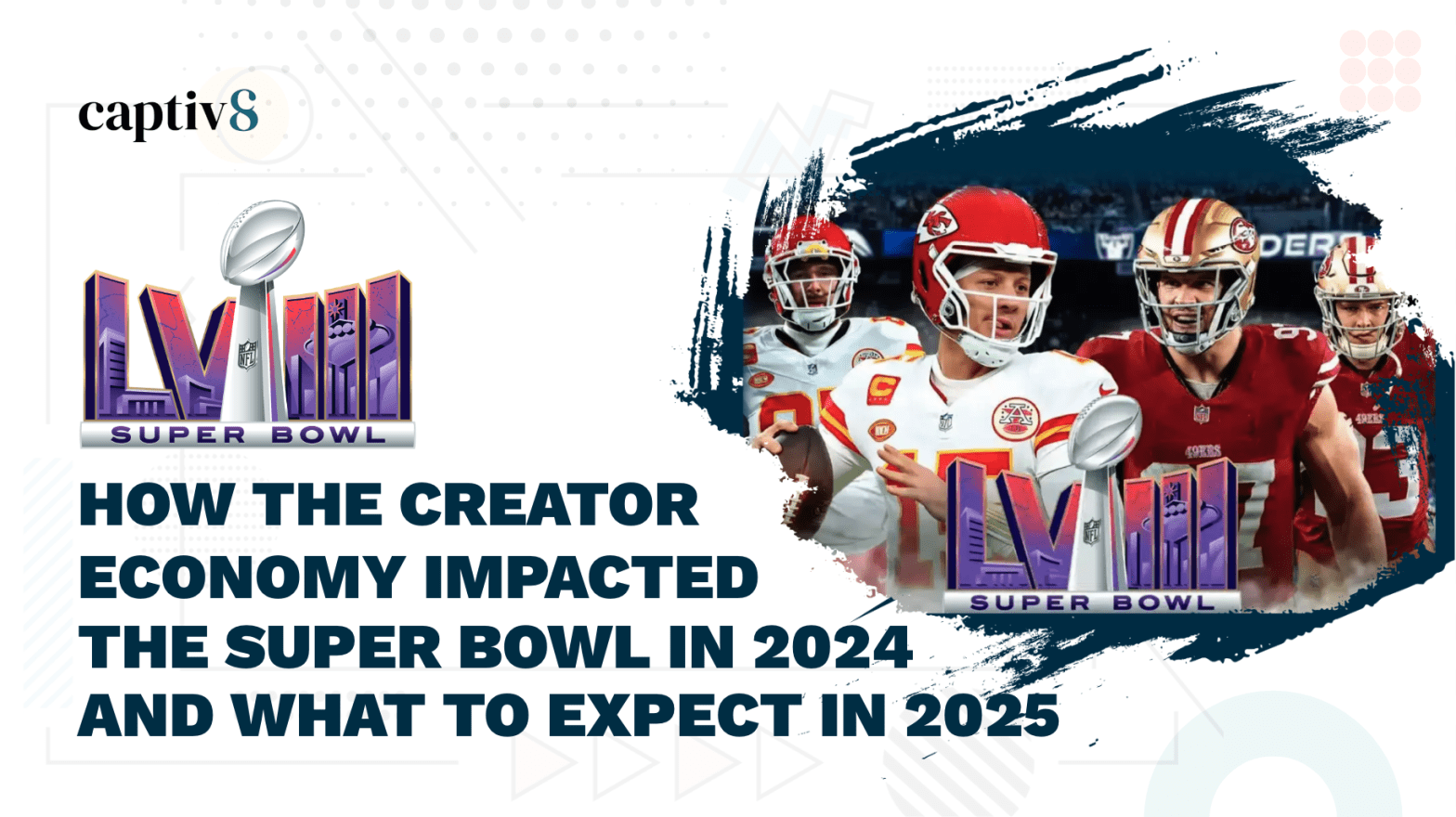
Super Bowl LVIII advertising was defined by a record-breaking $7 million price tag for 30-second spots, a heavy reliance on celebrity ensembles, and a definitive shift toward humor and nostalgia. Brands leveraged the "Taylor Swift effect" to target broader demographics while integrating sophisticated cross-platform digital campaigns to maximize their massive investments.
The Economic Landscape of Super Bowl LVIII Advertising
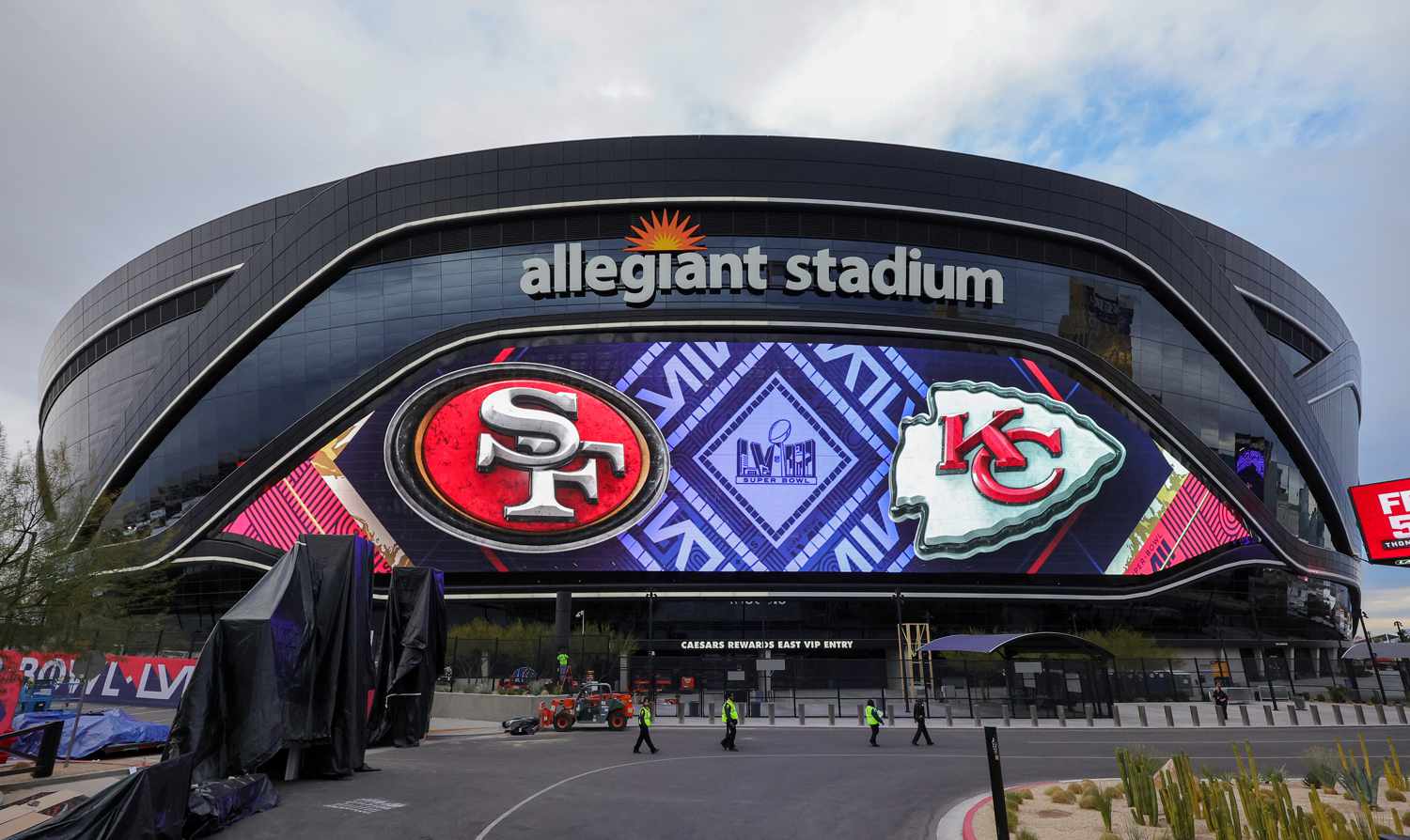
The 2024 Super Bowl, featuring the Kansas City Chiefs and the San Francisco 49ers, represented a pinnacle of modern media buys. For the second consecutive year, the baseline price for a 30-second commercial hovered around $7 million. While this price parity with 2023 suggested a temporary plateau in linear TV pricing, the demand remained unprecedented. CBS announced that it had "virtually sold out" its ad inventory as early as November 2023, months before the kickoff.
The total ad revenue for the game exceeded $600 million, reflecting the event's status as the last remaining "monoculture" moment in American media. In an era of fragmented streaming and social media echo chambers, the Super Bowl remains the only platform capable of delivering over 120 million simultaneous viewers. For brands, the $7 million entry fee is often viewed as the "floor" of their expenditure; when factoring in production costs, talent fees for A-list celebrities, and supplemental social media "teaser" campaigns, the total cost for a single 60-second spot can easily exceed $15 million to $20 million.
The return on investment (ROI) in 2024 was measured not just in immediate sales, but in "social currency" and brand sentiment. The move away from the high-stakes, socially conscious messaging of the late 2010s was finalized in 2024, as brands prioritized entertainment value to ensure their spots wouldn't be "skipped" in the cultural conversation.
Standout Brands and Memorable Campaigns
Several brands emerged as clear winners in the 2024 landscape by balancing high production value with authentic brand storytelling. These campaigns often started weeks before the game with teaser trailers designed to generate organic search volume.
Dunkin’ and "The Dunkings"
Dunkin’ delivered arguably the most successful campaign of the night by leaning into the "lore" of Ben Affleck’s well-documented love for the brand. The commercial featured Affleck, Matt Damon, and Tom Brady forming a boy band called "The Dunkings." This ad succeeded because it felt self-aware and leveraged the real-life friendship of the actors. The campaign’s success was further cemented by the immediate release of "DunKing" tracksuits, which sold out online within minutes, demonstrating a seamless transition from TV awareness to direct-to-consumer sales.
State Farm: "Agent State Farm"
State Farm utilized Arnold Schwarzenegger to play on his iconic action-hero persona and his well-known Austrian accent. The joke centered on his inability to pronounce the word "neighbor" in the brand's famous slogan. By including a surprise cameo from Danny DeVito (Schwarzenegger's Twins co-star), the brand hit a nostalgia sweet spot that resonated across multiple generations. According to the USA Today Ad Meter, this was one of the highest-rated spots of the evening.
Pfizer: "Science Will Win"
Marking its first-ever Super Bowl appearance, Pfizer took a different route. Instead of focusing on products, the company celebrated 175 years of medical breakthroughs. Set to Queen’s "Don't Stop Me Now," the ad used "living" portraits of historical scientists like Albert Einstein and Marie Curie. It was a strategic move to pivot the brand image away from the divisive atmosphere of the pandemic era and toward a broader appreciation for innovation.
Emerging Trends and Marketing Strategies
The 2024 commercial cycle highlighted several shifts in how Madison Avenue approaches high-stakes advertising. These trends were driven by changing viewer habits and the increasing importance of the "second screen" experience.
- The "Celebrity Stack": It was no longer enough to have one celebrity. Brands like Uber Eats and T-Mobile employed "ensemble" casts. Uber Eats featured Jennifer Aniston, David Schwimmer, Usher, and the Beckhams, while T-Mobile reunited the cast of Suits and Scrubs. This strategy aims to capture the attention of different fanbases simultaneously.
- The Taylor Swift Effect: The 2023-2024 NFL season saw a massive influx of Gen Z and female viewers attributed to Taylor Swift’s attendance at games. Brands like e.l.f. Cosmetics and CeraVe capitalized on this demographic shift. CeraVe’s campaign featuring Michael Cera was a masterclass in viral marketing, using "leaked" photos and influencer partnerships to build a fake controversy about the actor "creating" the brand before the ad even aired.
- AI as a Subject, Not Just a Tool: While AI was used in the production of many ads, it was also a central theme. Microsoft’s "Copilot" ad and the Despicable Me 4 teaser (which featured Minions generating nonsensical AI art) addressed the technology directly, reflecting its entry into the public consciousness.
- Humor as a Hedge: Following several years of "heavy" ads focusing on social justice or pandemic recovery, 2024 was overwhelmingly lighthearted. Advertisers recognized that in a polarized political climate, humor is the safest and most effective way to maintain broad-spectrum appeal.
Technical Execution: Digital Integration and Multi-Channel Reach
The most sophisticated ads of 2024 were not isolated 30-second videos; they were the hubs of complex digital ecosystems. This "omnichannel" approach is now a requirement for any brand spending $7 million on airtime.
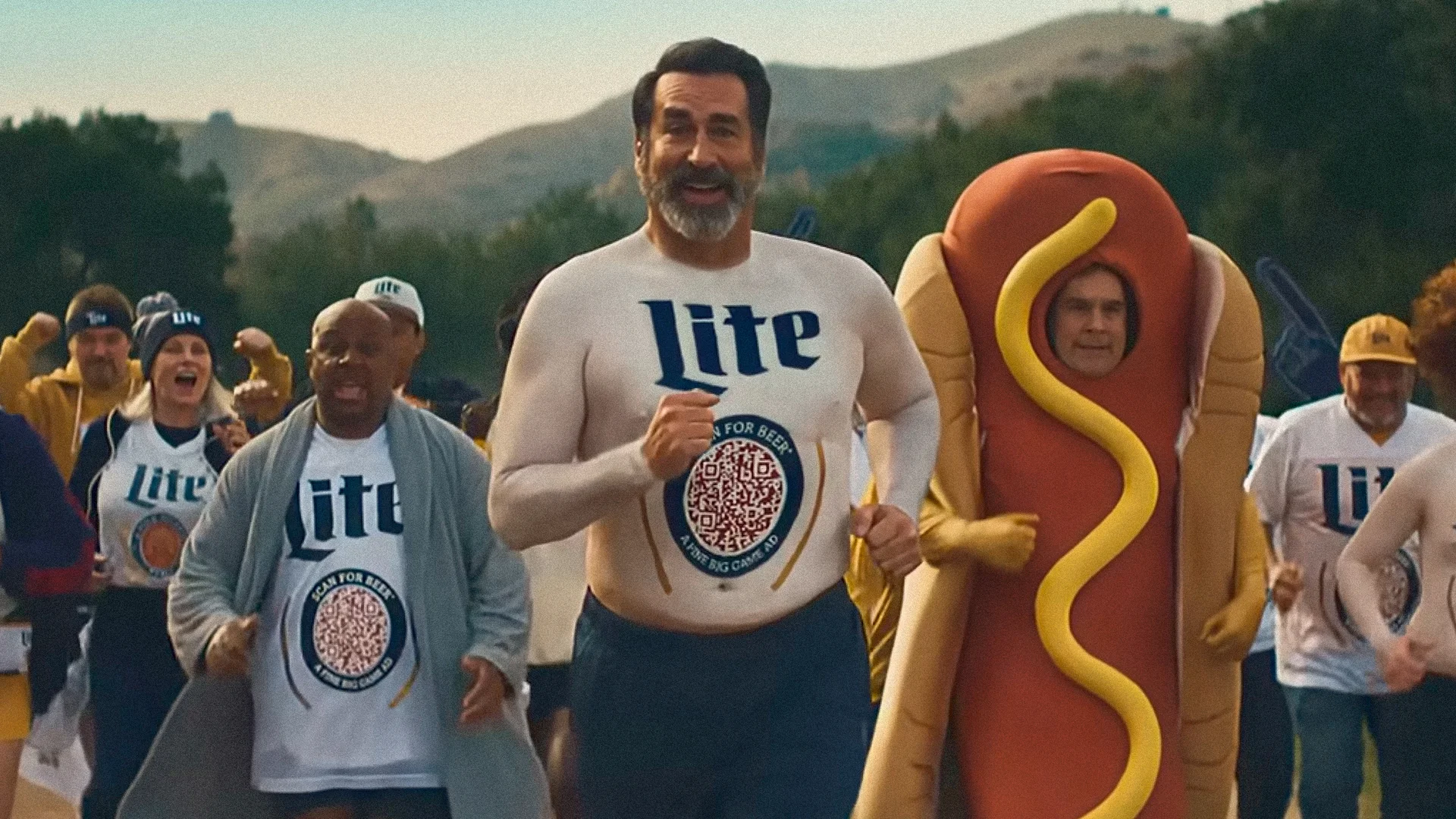
DoorDash executed perhaps the most technically ambitious campaign of the year with "All the Ads." The brand promised to give one winner a prize package containing every single product advertised during the game—including cars, snacks, and even tax services. To enter, viewers had to enter an extremely long promo code that was revealed during their commercial. This forced viewers to pay close attention to the ad and drove massive traffic to the DoorDash app, providing the company with invaluable first-party data and app installations.
Google Pixel continued its tradition of "purpose-driven" tech demos with its "Guided Frame" commercial. The ad showed how its AI-powered camera helps blind or low-vision users take photos. By focusing on a specific, high-utility feature rather than vague brand promises, Google successfully demonstrated technical superiority while maintaining emotional resonance.
Comparative Analysis of 2024 Ad Categories
The following table breaks down the dominant industries represented in the 2024 Super Bowl and the primary strategies they employed.
| Industry Category | Representative Brands | Dominant Theme/Strategy | Estimated Impact & Reception |
|---|---|---|---|
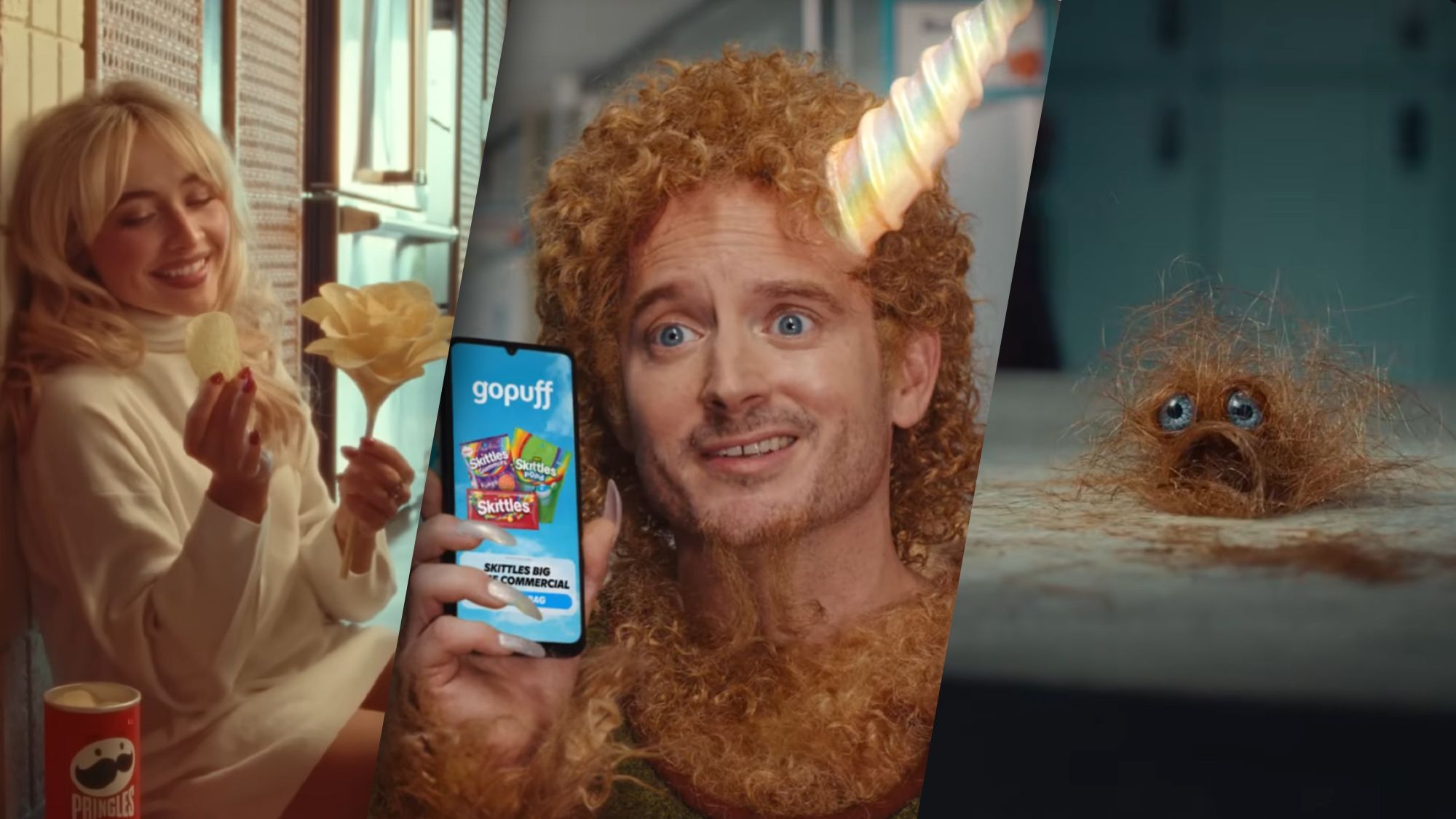
| Consumer Packaged Goods | Oreo, Doritos, Pringles | Nostalgia & Physical Humor | High; focused on "snackability" and retail presence. |
| Automotive | BMW, Kia, Volkswagen | Heritage & EV Transition | Moderate; focused on the emotional bond with cars. |
| Health & Beauty | CeraVe, e.l.f., Dove | Viral Hooks & Empowerment | Very High; successfully targeted younger demographics. |
| Technology | Google, Microsoft, DoorDash | AI Integration & Utility | High; moved AI from abstract to practical use cases. |
| Beverages | Mountain Dew, Budweiser, Pepsi | Classic Americana & Celebrity | Consistent; relied on established "Big Game" tropes. |
The Influence of Pop Culture and Demographic Shifts
The 2024 Super Bowl was a watershed moment for "fandom" integration. The NFL reported a significant increase in viewership among girls aged 12-17 and women under 35. Advertisers responded by buying spots for brands that traditionally bypassed the Super Bowl, such as NYX Professional Makeup.
Furthermore, the "nostalgia cycle" moved firmly into the late 90s and early 2000s. Referencing Scrubs, Suits, and even the Twilight films (through various digital tie-ins) showed that brands are now targeting Millennials as their primary high-spending demographic. The ads were less about "reaching everyone" and more about "reaching the right people with the right cultural references."
Lessons for Future High-Stakes Marketing Campaigns
Looking back from 2026, the 2024 Super Bowl serves as a blueprint for "Engagement-First" marketing. The primary takeaway is that the "Big Game" ad is no longer just a television event; it is a social media event with a television anchor.
- Build the "Long Tail": The most successful 2024 brands released content two weeks before the game and continued the story for a week after. A standalone ad without a pre-game and post-game strategy is now considered a wasted opportunity.
- Authenticity Over Gloss: The Dunkin’ ad worked because it felt "real" to the celebrities involved. Audiences in the mid-2020s have high "cringe" detectors for forced celebrity endorsements.
- Gamification: DoorDash proved that "forcing" the audience to interact with the screen via a code or a challenge can yield higher engagement than a passive, beautiful cinematic ad.
Frequently Asked Questions
Which ad won the USA Today Ad Meter in 2024?
The State Farm "Agent State Farm" commercial featuring Arnold Schwarzenegger and Danny DeVito claimed the top spot on the USA Today Ad Meter. Its success was attributed to the comedic chemistry between the leads and the clever subversion of Schwarzenegger's "tough guy" image, making it a favorite among both critics and the general public.
How much did a 30-second ad cost during Super Bowl LVIII?
A 30-second ad spot cost approximately $7 million. This price has remained relatively stable since 2023, though the overall cost to a brand is much higher when factoring in production, talent, and social media amplification. By 2024, the "total cost of entry" for a premier Super Bowl presence was estimated to be closer to $15 million.
Why were there so many beauty and makeup ads in 2024?
The surge in beauty and makeup ads, such as those from e.l.f. Cosmetics and NYX, was a direct response to the "Taylor Swift effect." The NFL saw a massive spike in female viewership during the 2023-2024 season, providing beauty brands with a rare opportunity to reach a massive female audience during a traditionally male-dominated sporting event.
Did any ads use AI in 2024?
Yes, AI was both a tool and a topic. Microsoft used its ad to promote "Copilot," its AI assistant, while Google showcased AI-driven accessibility features. Other brands used AI for visual effects, though most avoided "purely" AI-generated content in favor of a hybrid approach to ensure human emotional connection was preserved.
What was the most "viral" ad of the 2024 Super Bowl?
While "The Dunkings" had the most cultural impact, the CeraVe campaign featuring Michael Cera is considered the most "viral" in terms of digital strategy. By starting a "fake news" rumor weeks before the game that Michael Cera invented CeraVe, the brand dominated social media conversations and search results leading up to the broadcast.
Strategic Recommendation for Brand Managers
For organizations planning future high-stakes media buys, the 2024 cycle proves that integrated storytelling is mandatory. To succeed in the current landscape, brands should prioritize a "Social-First, TV-Second" mindset. Start by building a narrative on platforms like TikTok and Instagram weeks in advance to prime the algorithm and build search intent. When the ad finally airs during the game, it should act as the "climax" of a story the audience is already following, rather than an unannounced intrusion. Finally, ensure there is a clear "next action" for the viewer—whether that is a limited-edition product drop, an app-based sweepstakes, or a downloadable filter—to convert temporary attention into lasting customer data.