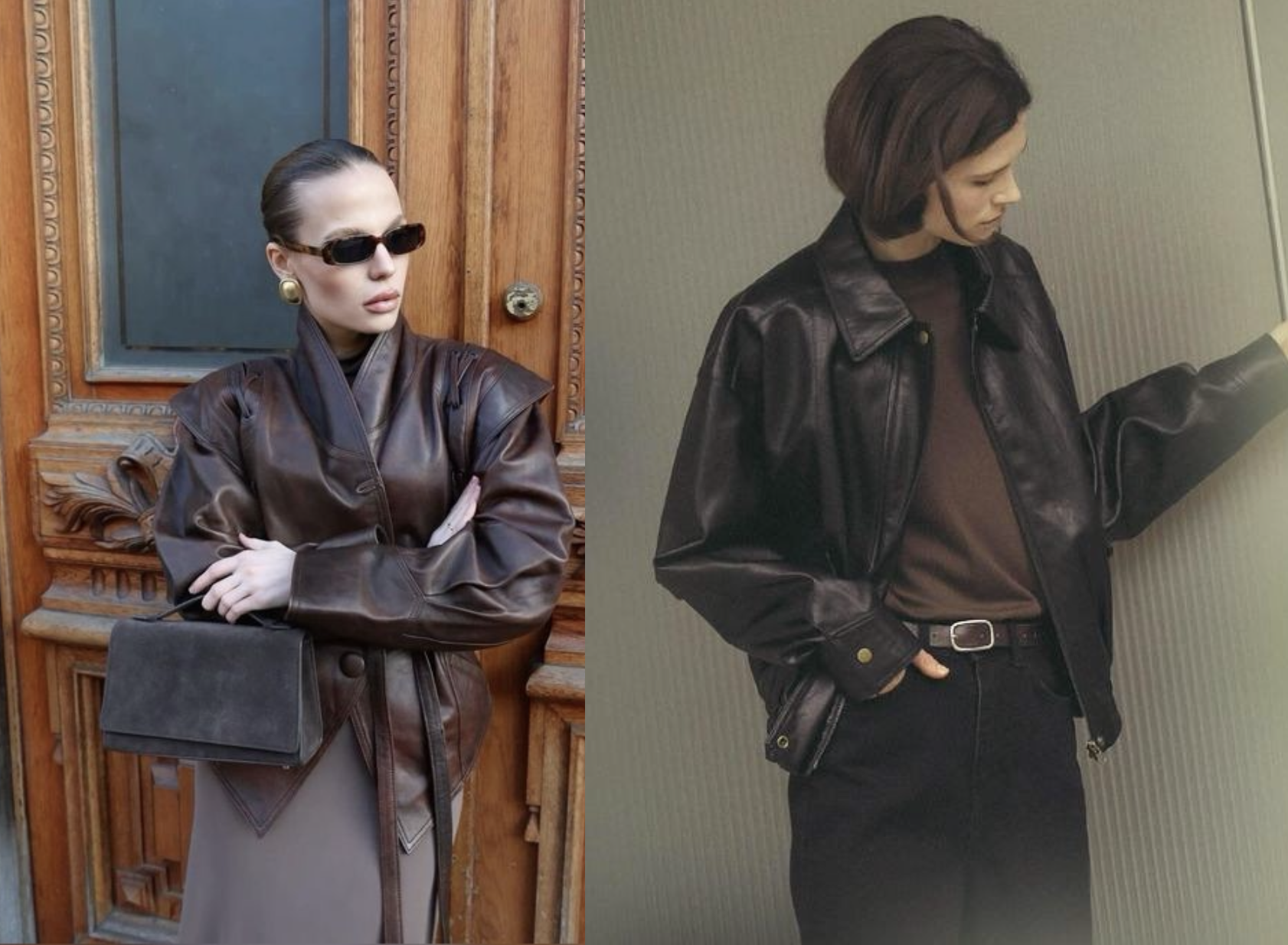
The 2024 shades market was defined by a transition from minimalist "quiet luxury" to expressive maximalism, characterized by bold cherry red frames, oversized 1970s silhouettes, and high-performance wrap-around shields. These trends emphasized a fusion of retro-nostalgia—specifically the Y2K and "indie sleaze" aesthetics—with advanced lens technologies and sustainable bio-acetate materials.
While the term "shades" occasionally refers to interior color palettes or window treatments, in the context of 2024 trends, it almost exclusively identifies the surge in high-fashion and performance eyewear. As we evaluate these styles from the perspective of 2026, many of the designs that debuted in 2024 have transitioned from fleeting trends into "modern classics" that continue to command significant value in the archival and secondary markets.
The Aesthetic Shift: From Minimalism to Statement Frames
The beginning of 2024 marked a departure from the ultra-slim, "Matrix-style" frames that dominated previous years. Instead, designers leaned into "face-covering" geography. This shift was largely driven by the "Mob Wife" aesthetic—a viral fashion movement that prioritized glamour, faux fur, and, most importantly, oversized sunglasses.
The Rise of "Cherry Red" and Burgundy
If one color defined 2024 shades, it was deep, eccentric red. Often referred to as "Black Cherry" or "Merlot," this hue moved away from the bright fire-engine reds of the past toward a more sophisticated, moody palette. Brands like Gucci and Prada integrated these tones into thick acetate frames, offering a pop of color that functioned as a neutral. The technical appeal of these shades lay in their ability to complement a wide range of skin tones while providing a high-contrast look against standard winter and autumn wardrobes.
The "Bayonetta" and Librarian Core Influence
Conversely, a secondary trend emerged known as "Bayonetta glasses." Named after the video game character, these shades featured small, rectangular, often rimless or thin-metal frames. While technically eyewear, many fashion enthusiasts wore them with lightly tinted "cosmetic" lenses—yellow, blue, or soft pink—intended for indoor use or evening social events. This trend highlighted a move toward eyewear as a structural facial accessory rather than just a tool for sun protection.
Architectural Silhouettes and Frame Geometry
The geometry of 2024 shades was polarized between sharp, angular lines and soft, oversized rounds. Understanding the structural integrity of these frames is essential for collectors and those looking to purchase these styles in 2026.
Wraparound Shields and Retro-Futurism
The "Shield" style—a single continuous lens spanning both eyes—saw a massive resurgence in 2024. Influenced by the Y2K aesthetic and brands like Balenciaga and Oakley, these frames offered a futuristic, almost robotic look. Beyond aesthetics, shield shades provide superior peripheral protection against UV rays and wind, making them a favorite for both high-fashion editorials and actual outdoor performance.
The 1970s Aviator Reboot
The classic aviator was reimagined in 2024 with thicker acetate rims and gradient lenses. Instead of the traditional thin wire frames associated with "Top Gun," the 2024 version felt more substantial. These "Navigator" frames often featured a flat-top bar, giving the wearer a more masculine, grounded silhouette. The use of gradient lenses (darker at the top, lighter at the bottom) allowed for better visibility when looking down at dashboards or phones while maintaining overhead sun protection.
Technical Specifications and Material Innovations
By 2024, the eyewear industry faced increasing pressure to innovate regarding sustainability and optical clarity. This year saw a peak in the adoption of alternative materials that moved away from traditional petroleum-based plastics.
- Bio-Acetate: Unlike standard plastic, bio-acetate is made from wood pulp and cotton fibers combined with natural plasticizers. In 2024, major luxury groups committed to using at least 50% bio-acetate in their new collections, offering the same high-gloss finish as traditional acetate but with a significantly lower carbon footprint.
- Titanium Construction: For the minimalist "Bayonetta" and tech-focused frames, Japanese titanium became the gold standard. Its high strength-to-weight ratio allowed for incredibly thin frames that remained durable and hypoallergenic.
- HD Polarized Lenses: Polarization technology in 2024 focused on "color enhancement." Rather than just dimming the light, lenses were engineered to boost specific wavelengths, making greens more vibrant and blues deeper, a technology pioneered by brands like Maui Jim and later adopted by fashion-forward labels.
Comparing the Top 2024 Eyewear Categories
To better understand which 2024 styles hold the most functional and aesthetic value, we can compare the four primary categories that dominated the market.
| Style Category | Primary Material | Ideal Face Shape | Notable 2024 Entity | Best Use Case |
|---|---|---|---|---|
| Oversized 70s | Thick Bio-Acetate | Oval, Heart | Celine / Gucci | Daily Glamour / Travel |
| Sport Shield | Polycarbonate / Nylon | Square, Diamond | Oakley / Bottega Veneta | Athletics / Streetwear |
| Cherry Red Cat-Eye | Polished Acetate | Round, Square | Miu Miu / Prada | Statement Accessory |
| Thin Rectangle | Titanium / Monel | Oval, Pear | Gentle Monster | Office / "Librarian Core" |
The Role of Lens Technology: UV400 and Beyond
In 2024, the "shades" market saw a renewed consumer focus on eye health. It became standard for even mid-tier fashion brands to offer UV400 protection, which blocks 99% to 100% of both UVA and UVB rays.
Visible Light Transmission (VLT)
Technical buyers in 2024 began paying closer attention to VLT percentages. A lens with a 10% VLT is very dark and suitable for bright high-altitude sun, while a 30% VLT lens is better for overcast days or "lifestyle" wear. The 2024 trend of "sunset lenses"—orange and yellow gradients—typically sat in the 40-50% VLT range, providing style without significantly darkening the environment, which contributed to their popularity in indoor social settings.
Photochromic Evolution
2024 was also a landmark year for photochromic (transition) lenses in fashion frames. Improved transition speeds meant that "shades" could effectively turn into clear optical glasses in under 30 seconds when moving indoors. This blurred the line between prescription eyewear and sun protection, leading to the "all-day frame" trend.
Matching 2024 Shades to Face Shapes
A significant portion of the 2024 search intent revolved around how to style these bold frames. The "Rule of Opposites" remained the most effective guideline for selection.
- Round Faces: Angular, rectangular, and "wayfarer" inspired 2024 shades helped add definition to the face. The sharp corners of the "Bayonetta" trend were particularly effective here.
- Square Faces: The oversized round and soft-edged aviators of 2024 served to soften a strong jawline. Shield sunglasses also worked well, as their continuous curve breaks up linear facial features.
- Heart-Shaped Faces: Bottom-heavy frames or light-colored "cherry" frames helped balance a wider forehead. Cat-eye shapes, which were a 2024 staple, naturally draw the eyes upward and outward, complementing this face shape.
- Oval Faces: Most 2024 trends, including the difficult-to-wear shield frames, suit oval faces. The key here was ensuring the frames were not wider than the widest part of the face to maintain symmetry.
Maintaining and Verifying 2024 Era Eyewear
As we are now in 2026, many consumers are purchasing 2024 shades through secondary markets or vintage boutiques. Ensuring the longevity and authenticity of these pieces requires specific maintenance and verification steps.
Authentication Markers
When inspecting 2024-era luxury shades, look for the "CE" or "UKCA" marks on the inner temple, indicating they meet European or British safety standards. High-end brands from this year often laser-etched a serial number into the lens or the inner arm. Furthermore, 2024 was a year where "NFC" chips began appearing in the packaging of brands like Moncler and Ray-Ban to allow digital authenticity verification via smartphone.
Storage and Cleaning
Because bio-acetate is more susceptible to extreme temperature fluctuations than traditional plastics, 2024 shades should never be left on a car dashboard. The heat can cause the frame to warp or the lens coatings to "crackle" (delaminate). Use only pH-neutral soap and microfiber cloths; avoid paper towels, which contain wood fibers that can create micro-scratches on 2024-era polycarbonate lenses.
Frequently Asked Questions
Are 2024 shades still considered "in style" in 2026?
Yes, many 2024 styles have moved into the "staple" category. Specifically, the cherry red tones and oversized silhouettes have become foundational elements of modern wardrobes. While the extreme "Shield" styles have seen a slight decline in daily wear, they remain relevant in high-fashion and athletic contexts.
What was the most popular lens color in 2024?
While dark gray and brown remained the functional leaders, "Sunset Orange" and "Cosmetic Pink" were the trend leaders. These tints were less about sun protection and more about the "mood" of the wearer, often used to create a nostalgic, 1970s-inspired look.
How do I know if my 2024 shades have polarized lenses?
A simple way to verify polarization is to hold the shades in front of a computer screen and rotate them 90 degrees. If the lenses appear to turn black or significantly darken, they are polarized. This is because the polarizing filter blocks the light waves emitted by the LCD screen at certain angles.
What is the difference between acetate and injected plastic in 2024 models?
Acetate is a high-quality, plant-based material that is "cut" from a block, allowing for deep, layered colors and the ability to be heat-adjusted by an optician. Injected plastic is liquid plastic poured into a mold; it is cheaper, lighter, and cannot be easily adjusted, often found in lower-end 2024 "fast fashion" shades.
How did the "Peach Fuzz" color of the year affect 2024 shades?
Pantone’s 2024 Color of the Year, "Peach Fuzz," influenced a niche market of translucent, warm-toned frames. These shades were popular for their "soft" appearance, providing a more subtle alternative to the aggressive cherry red and black frames of the same year.
Guidelines for Purchasing 2024 Shades Today
For those looking to acquire 2024 shades in the current 2026 market, prioritize structural integrity and optical quality. If purchasing second-hand, specifically ask for photos of the hinges and any signs of "pitting" on the frames.
The best value currently lies in the thick-rimmed acetate frames from 2024, as these are the most durable and easiest to fit with new prescription or replacement lenses if the originals become scratched. If you are pursuing the "sport-luxe" look, focus on brands with proven lens technology like Oakley or Smith, as their 2024 shield models offer superior impact resistance that remains effective years after production.