The 2024 Rock & Roll Hall of Fame class featured a diverse group of nominees spanning decades of musical influence, ultimately resulting in the induction of artists such as Cher, Dave Matthews Band, Foreigner, Peter Frampton, Kool & the Gang, Mary J. Blige, Ozzy Osbourne, and A Tribe Called Quest. This list represents the official slate of candidates considered by the Rock & Roll Hall of Fame Foundation for the 39th annual induction ceremony.
Understanding the Nomination and Selection Process
To qualify for nomination to the Rock & Roll Hall of Fame, an artist or band must have released their first commercial recording at least 25 years prior to the year of nomination. This chronological requirement ensures that an act’s influence has stood the test of time, reflecting a significant impact on the development and perpetuation of rock and roll music. The process begins with a nominating committee that selects a preliminary list of candidates.
Once the nominees are announced, the ballots are sent to an international body of over 1,000 voters, consisting of historians, music industry professionals, and previously inducted artists. Furthermore, the public is invited to participate in a "Fan Vote," which functions as a single ballot in the overall tally. The final inductees are determined by a synthesis of these votes, reflecting both industry recognition and popular appeal.
The 2024 Official List of Nominees
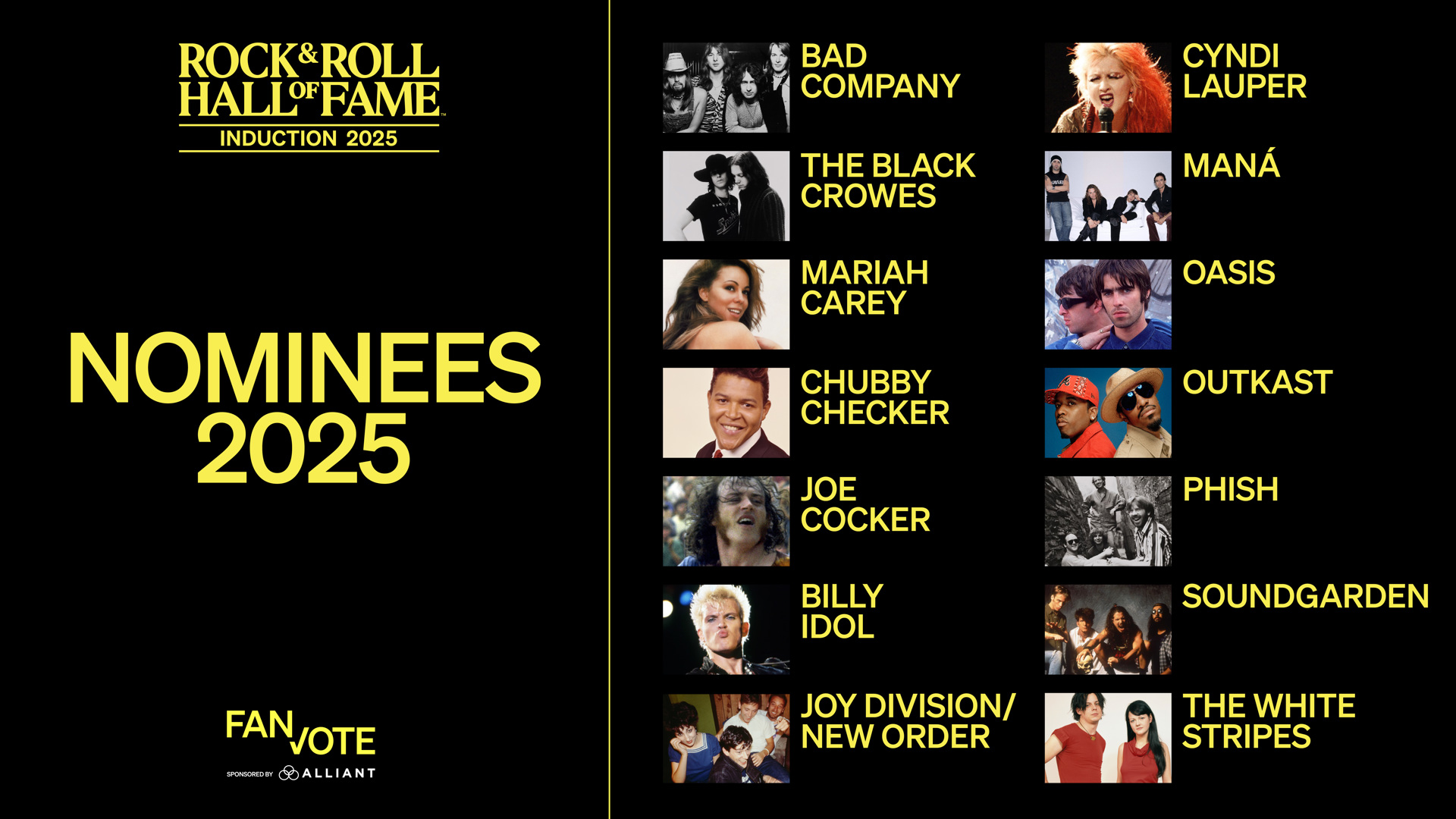
The 2024 slate was characterized by a wide range of genres, reflecting the Hall’s expanding definition of "rock and roll" to include influential figures from hip-hop, R&B, and pop. The official list of candidates for that cycle included:
- Mary J. Blige: A pioneer of the hip-hop soul genre, recognized for her powerful vocals and songwriting.
- Mariah Carey: A pop icon whose vocal range and chart-topping success defined the 1990s and 2000s.
- Cher: A legendary entertainer with a career spanning over six decades, known for her constant reinvention.
- Dave Matthews Band: An influential jam-band powerhouse that transformed live concert culture.
- Eric B. & Rakim: A seminal hip-hop duo credited with revolutionizing rhythmic flow and lyricism.
- Foreigner: A cornerstone of arena rock, responsible for numerous multi-platinum hits.
- Peter Frampton: An instrumental guitar virtuoso and icon of the 1970s stadium rock era.
- Jane’s Addiction: A pivotal band in the development of alternative and modern rock.
- Kool & the Gang: A jazz-funk collective that successfully crossed over into pop and disco dominance.
- Lenny Kravitz: A multi-instrumentalist who blended classic rock, soul, and funk.
- Oasis: A British rock phenomenon that defined the Britpop movement of the 1990s.
- Sinéad O’Connor: An uncompromising singer-songwriter known for her activism and vocal intensity.
- Ozzy Osbourne: The "Prince of Darkness," both as a solo artist and the frontman of Black Sabbath.
- Sade: A master of smooth soul and jazz-infused pop, known for her distinctive vocal style.
- A Tribe Called Quest: An innovative hip-hop group that pushed the boundaries of jazz-fusion and conscious rap.
Comparison of Nominee Profiles
The 2024 nominees showcased the breadth of musical evolution. The following table highlights key attributes for select candidates who were prominent in the 2024 consideration cycle.
| Artist | Primary Genre | Debut Era | Notable Contribution |
|---|---|---|---|
| Cher | Pop / Rock | 1960s | Longevity and cross-genre chart dominance |
| Foreigner | Arena Rock | 1970s | Definitive 70s/80s radio-ready anthems |
| A Tribe Called Quest | Hip-Hop | 1990s | Jazz-rap fusion and artistic innovation |
| Mary J. Blige | Hip-Hop Soul | 1990s | Blending R&B vulnerability with urban beats |
| Ozzy Osbourne | Heavy Metal | 1980s (Solo) | Shaping the foundation of modern hard rock |
Impact and Legacy of the Nominated Acts
The nomination of these artists serves as a reflection of historical significance rather than mere commercial success. The inclusion of acts like A Tribe Called Quest and Eric B. & Rakim illustrates the Rock Hall's acknowledgement that hip-hop is a fundamental pillar of modern musical history. Similarly, the nomination of Jane’s Addiction recognizes the shift toward alternative rock that occurred in the late 1980s, bridging the gap between underground punk and commercial grunge.
When evaluating these candidates, critics often focus on three specific criteria: influence on subsequent artists, the length and depth of the discography, and the stylistic innovations brought to their respective genres. A nominee like Peter Frampton, for example, is cited not only for his commercial success but for his pioneering use of the talk box, which changed the way electric guitars were utilized in live performance settings.
Common Misconceptions Regarding the Rock Hall
A frequently asked question concerns why certain artists are nominated repeatedly while others are passed over or inducted immediately upon eligibility. The nominating process is inherently subjective. Because the committee changes over time, the emphasis shifts according to current trends in music scholarship and cultural relevancy.
Additionally, it is important to note that "rock and roll" as a category within the museum’s framework is treated as a cultural movement rather than a strictly defined sonic style. This is why artists like Cher or Mary J. Blige, whose primary output might be categorized as pop or R&B, are eligible for induction. The core question is whether the artist’s work fundamentally altered the trajectory of the medium they inhabited.
Frequently Asked Questions
What constitutes the "Fan Vote" in the Rock Hall process?
The Fan Vote allows the general public to weigh in on their preferred nominees. The top five artists favored by the public comprise a single "fan ballot," which is then tallied alongside the ballots of the official voting body. While it does not guarantee induction, it serves as a powerful metric of an artist's enduring cultural footprint.
How often are artists re-nominated if they do not win the first time?
There is no limit to the number of times an artist can be nominated. Many iconic acts, such as the Moody Blues or Rush, were nominated multiple times over several years before finally being inducted. Re-nomination is common and often indicates that the artist maintains a strong base of support among the nominating committee.
Does the Rock Hall honor solo artists and bands differently?
The Hall treats solo artists and bands with parity regarding the 25-year rule. However, when a band is inducted, the members honored are determined by the committee, often focusing on members present during the band's most influential and creative periods. This can sometimes result in controversies where certain members are excluded.
Can an artist be inducted more than once?
Yes, artists can be inducted multiple times. This occurs when an artist is inducted as part of a group and later inducted for their solo career. Examples include Eric Clapton, who was inducted three times, and members of the Beatles who have achieved multiple inductions.
Next Steps for Researching Inductions
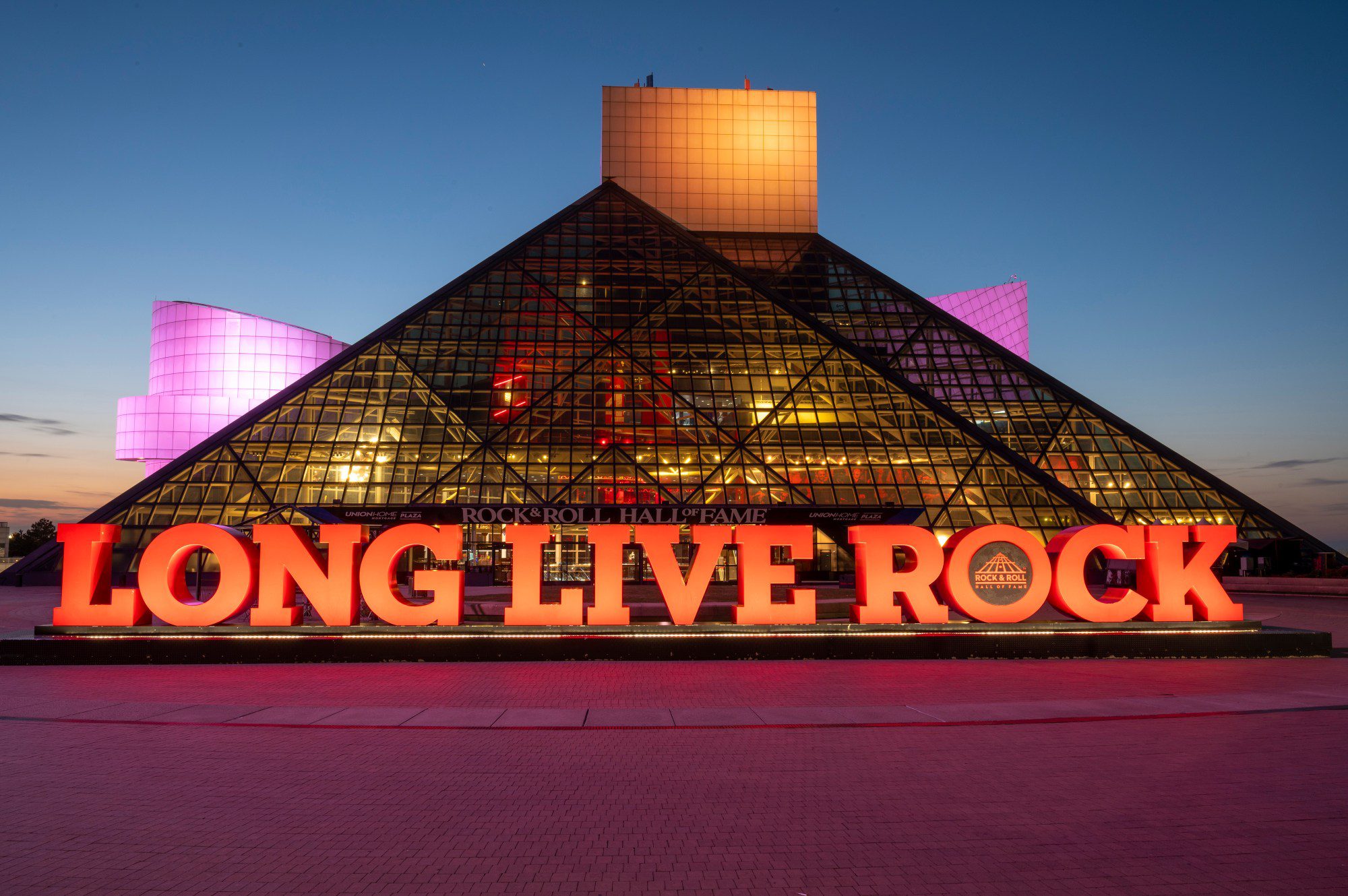
For those interested in the historical integrity of the Rock & Roll Hall of Fame, the best practice is to consult the official archives located at the Rock & Roll Hall of Fame and Museum in Cleveland, Ohio. The museum maintains detailed records of every induction ceremony, including the presentation speeches, performances, and the criteria used for each year’s class. To stay informed about future nomination cycles, monitor the official Rock Hall website or reputable music industry publications that report on the Foundation’s annual announcements.