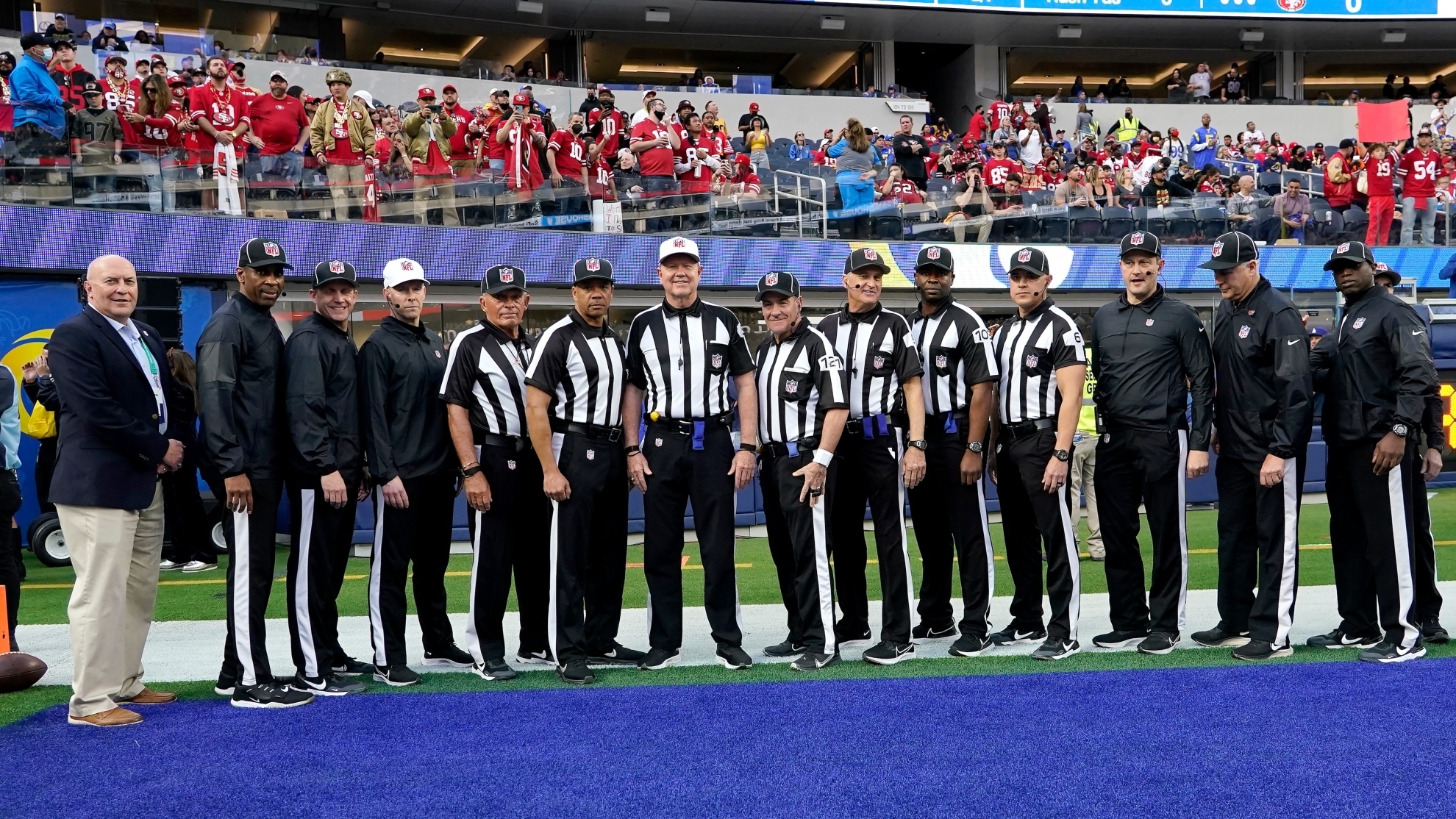
In 2024, the average NFL referee earned approximately $205,000 per year. This compensation is primarily governed by the Collective Bargaining Agreement (CBA) between the NFL and the NFL Referees Association (NFLRA). While base salaries vary by experience, total earnings often increase through lucrative postseason bonuses and per-game incentives.
Understanding the NFL Referee Compensation Structure
The financial framework for NFL officials is complex, primarily because they are not categorized as full-time employees in the traditional sense, despite the year-round demands of the position. As of 2024, the compensation model reflects a professionalized tier system established during the 2019 Collective Bargaining Agreement, which remains the governing document through the current 2026 period.
The pay scale is not a "one size fits all" figure. Instead, it is a tiered structure based on seniority, specific on-field roles, and performance metrics. A first-year official—often referred to as a "rookie" in the officiating world—will start at a lower base than a veteran "White Hat" (Referee) who has spent two decades on the field.
Furthermore, the NFL classifies these officials as part-time employees. This allows many referees to maintain high-level careers in other fields, such as law, medicine, or corporate management. However, the "part-time" label is often debated within the industry, as the film study, physical training, and travel requirements during the season often exceed 40 hours per week. This dual-income potential is a significant factor in why these positions are among the most sought-after roles in professional officiating.
Breakdown of the 2024 NFL Referee Pay Scale
To understand the 2024 figures, one must look at the progression of the base salary. Since the ratification of the 2019 CBA, there has been a steady annual increase in the pool of money allocated to officiating. By the 2024 season, the floor for an entry-level official had risen significantly compared to the previous decade.
Base Salary by Experience
Experience is the primary driver of the base pay. A rookie official in 2024 typically started with a base salary in the range of $125,000 to $150,000. As they accrue years of service, this number climbs. Veteran referees—those with over 10 or 15 years of service—often see their base pay exceed $250,000.
Role-Specific Variances
While every member of a seven-person officiating crew is highly compensated, the "Referee" (the crew chief who wears the white hat and makes the stadium announcements) typically commands a higher premium. This is due to the added responsibilities of crew management, direct communication with the league office, and the high-pressure task of explaining complex rulings to a global audience.
| Position | Estimated 2024 Base Salary | Postseason Eligibility | Total Potential Earnings |
|---|---|---|---|
| Rookie Official (All Roles) | $125,000 - $145,000 | Limited | $160,000+ |
| Veteran Line Judge/Umpire | $175,000 - $225,000 | High | $250,000+ |
| Senior Referee (Crew Chief) | $205,000 - $250,000 | High | $300,000+ |
| Super Bowl Official | Base + ~$50,000 Bonus | N/A | Top Tier |
Postseason Bonuses and Incentive Pay
The regular season is only part of the financial story. For the elite officials who consistently grade out at the top of the league's internal evaluation system, the postseason provides a massive financial windfall. The NFL uses a rigorous grading system where every single play of every game is reviewed by the officiating department.
Officials who rank in the top tier are eligible for playoff assignments. In 2024, the bonus for a Wild Card or Divisional round game was estimated between $5,000 and $10,000 per game. However, the pinnacle of officiating compensation is the Super Bowl.
Being selected to officiate the Super Bowl is not just a career milestone; it is a significant payday. In 2024, it was reported that officials selected for the Super Bowl received a bonus in the neighborhood of $40,000 to $50,000. When you combine a veteran base salary with a full playoff run and a Super Bowl appearance, a top-tier NFL referee could realistically earn over $300,000 for a season's work.
Benefits, Pensions, and the Transition to 401(k)
One of the most contentious points in previous labor negotiations was the transition from a traditional defined-benefit pension plan to a defined-contribution plan (401(k)). As of 2024, the NFL provides a substantial match to the officials' 401(k) accounts, which has become the primary retirement vehicle for the roster of 121 officials.
In addition to retirement contributions, the NFL provides:
- Travel Reimbursement: The league covers all flights, hotels, and per diem expenses for officials traveling to games.
- Insurance: Comprehensive health, dental, and life insurance policies are provided, which is crucial given the physical risks of being on an NFL field.
- Training Resources: Access to elite physical trainers and sports psychologists to ensure they can keep up with the speed of modern NFL athletes.
Despite these benefits, officials do not receive "hazard pay." When an official is injured on the field—a common occurrence given the proximity to 300-pound linemen—they are covered by workers' compensation and league insurance, but their ability to earn postseason bonuses may be impacted if they cannot finish the season.
The Road to the Pros: Why the Pay is Performance-Based
The high pay scale of 2024 is a reflection of the extreme scarcity of the skill set. To become an NFL referee, an individual must typically have at least 10 years of experience in officiating, with a significant portion of that spent at the NCAA Division I level.
The NFL scouting process for officials is as intense as it is for players. The league looks for:
- Rules Knowledge: Mastery of the most complex rulebook in professional sports.
- Physical Condition: The ability to sprint alongside some of the fastest humans on earth.
- Decisiveness: Making split-second calls under the scrutiny of dozens of high-definition cameras.
- Temperament: Managing high-stress interactions with coaches and players.
Because the league demands near-perfection, the compensation must be high enough to attract top talent who might otherwise choose more stable, less scrutinized careers. In 2024, the pressure from sports betting integration and instant replay "mic-up" segments has only increased the "mental tax" on these officials, further justifying the current pay scale.
Comparison with Other Major Sports Leagues
When looking at the 2024 NFL referee pay, it is helpful to compare it to their peers in the NBA, MLB, and NHL. While the NFL's per-game pay is the highest, their total annual pay often trails the NBA and MLB due to the sheer volume of games in those leagues.
- NBA Referees: Can earn up to $500,000+ due to an 82-game regular season and a lengthy playoff structure.
- MLB Umpires: Often see salaries ranging from $150,000 to $450,000, necessitated by a grueling 162-game schedule and constant travel.
- NHL Officials: Generally earn between $165,000 and $400,000.
The NFL's model is unique because it offers a six-figure salary for a 17-game regular season (plus preseason and potential postseason). This creates a higher "hourly" rate than almost any other officiating job in the world, though the preparation time per game is arguably more intensive.
FAQ
Do NFL referees have other jobs?
Yes, the vast majority of NFL referees maintain secondary careers. Because the NFL season is relatively short and games are primarily on weekends, many officials are successful professionals in other sectors. Common professions include attorneys, educators, business owners, and pilots. The NFL encourages this, as it ensures officials are financially stable and less susceptible to external pressures.
How much does a Super Bowl referee make?
For the 2024 season, a Super Bowl referee earned an estimated bonus of $40,000 to $50,000. This is in addition to their base salary and any bonuses earned from officiating earlier playoff rounds. The selection for the Super Bowl is based on being the highest-graded official at the "Referee" position for that specific season.
Are NFL referees full-time in 2024?
While the NFL has experimented with a small number of full-time officials in the past, the majority of the 121 officials in 2024 remain classified as part-time employees. However, they are required to attend clinics, pass physical tests, and participate in weekly film reviews throughout the year, making it a year-round commitment in practice.
What is the lowest salary for an NFL official?
The lowest salary for an entry-level (rookie) official in 2024 was approximately $125,000. Even at the entry level, officials are paid significantly more than most other professional sports officiating roles because of the high barriers to entry and the immense revenue generated by the league.
How are NFL referees' salaries funded?
Salaries are funded directly by the NFL's central revenue, which includes television broadcast deals, sponsorships, and ticket sales. The specific amounts are negotiated every several years between the league and the NFL Referees Association (NFLRA) as part of the Collective Bargaining Agreement.
Guidance for Aspiring Officials
If you are looking to enter the world of professional officiating, the 2024 pay scale serves as a high-water mark for what is possible. However, the path is arduous. The first step is to register with local high school officiating chapters and work your way through the collegiate ranks.
The NFL typically scouts officials from the "Power Five" (now expanded in the 2024-2026 era) college conferences. Consistent performance, physical fitness, and a "clean" record of game management are essential. For those who reach the summit, the 2024 pay scale offers a lucrative reward for a job that is often thankless but vital to the integrity of the game.