The 2024 elections represented a historic shift in global governance, marked by the United States general election and major contests in over 60 other nations. These elections resulted in significant leadership changes, the rise of new coalition governments, and a fundamental realignment of domestic and foreign policies that continue to shape the geopolitical landscape in 2026.
The United States General Election of 2024
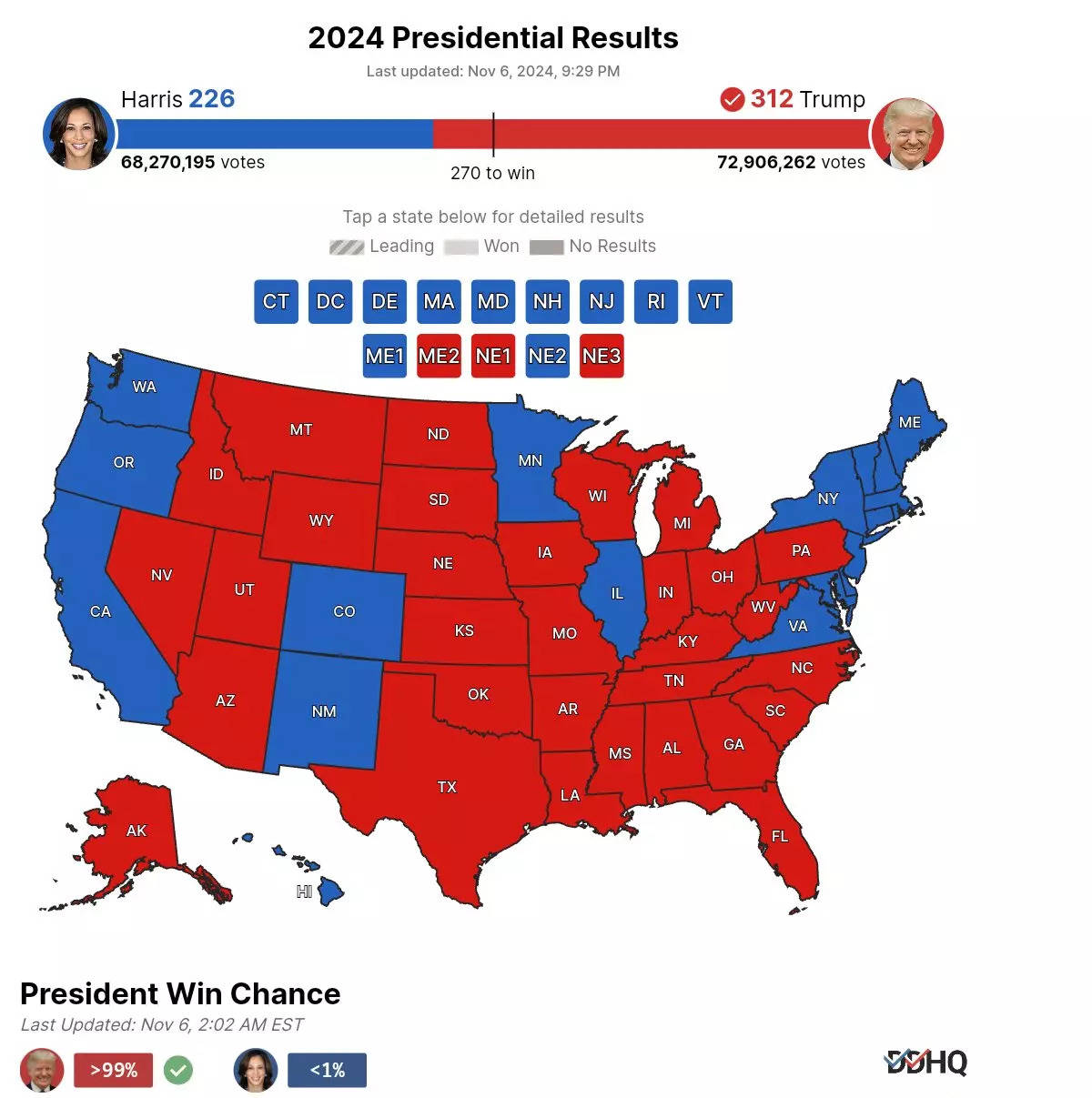
The 2024 United States general election, held on November 5, 2024, stands as one of the most consequential moments in modern American political history. The election saw the return of Donald J. Trump to the presidency, making him the second president in U.S. history to serve two non-consecutive terms. This outcome reflected a significant shift in voter sentiment regarding the economy, immigration, and the direction of federal governance.
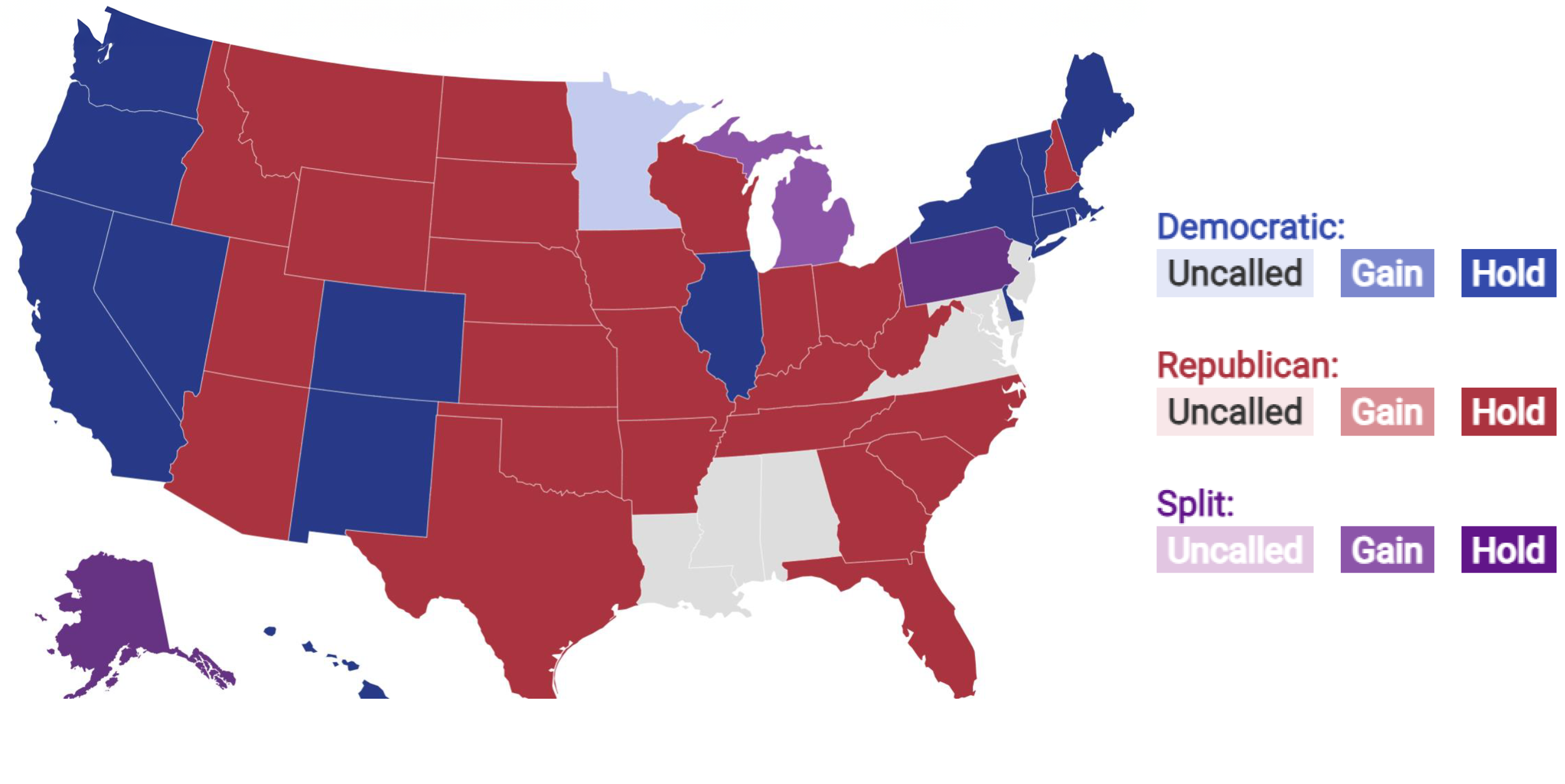
The Republican Party’s victory extended beyond the White House. By securing control of the U.S. Senate and maintaining a majority in the House of Representatives, the GOP established a "unified government" that paved the way for the legislative agenda seen throughout 2025 and into early 2026. Key swing states, including Pennsylvania, Michigan, and Wisconsin, played a decisive role in the Electoral College outcome, with shifts in voting patterns among rural and working-class demographics proving pivotal.
Voter turnout remained high, following the record-breaking trends established in 2020. Data from the Federal Election Commission indicates that economic concerns, specifically inflation and the cost of living, were the primary drivers for voters across both major parties. The 2024 cycle was also the first presidential election to fully navigate the post-pandemic electoral landscape, with various states institutionalizing permanent changes to mail-in voting and early polling access.
Global Shifts: The "Year of Democracy"
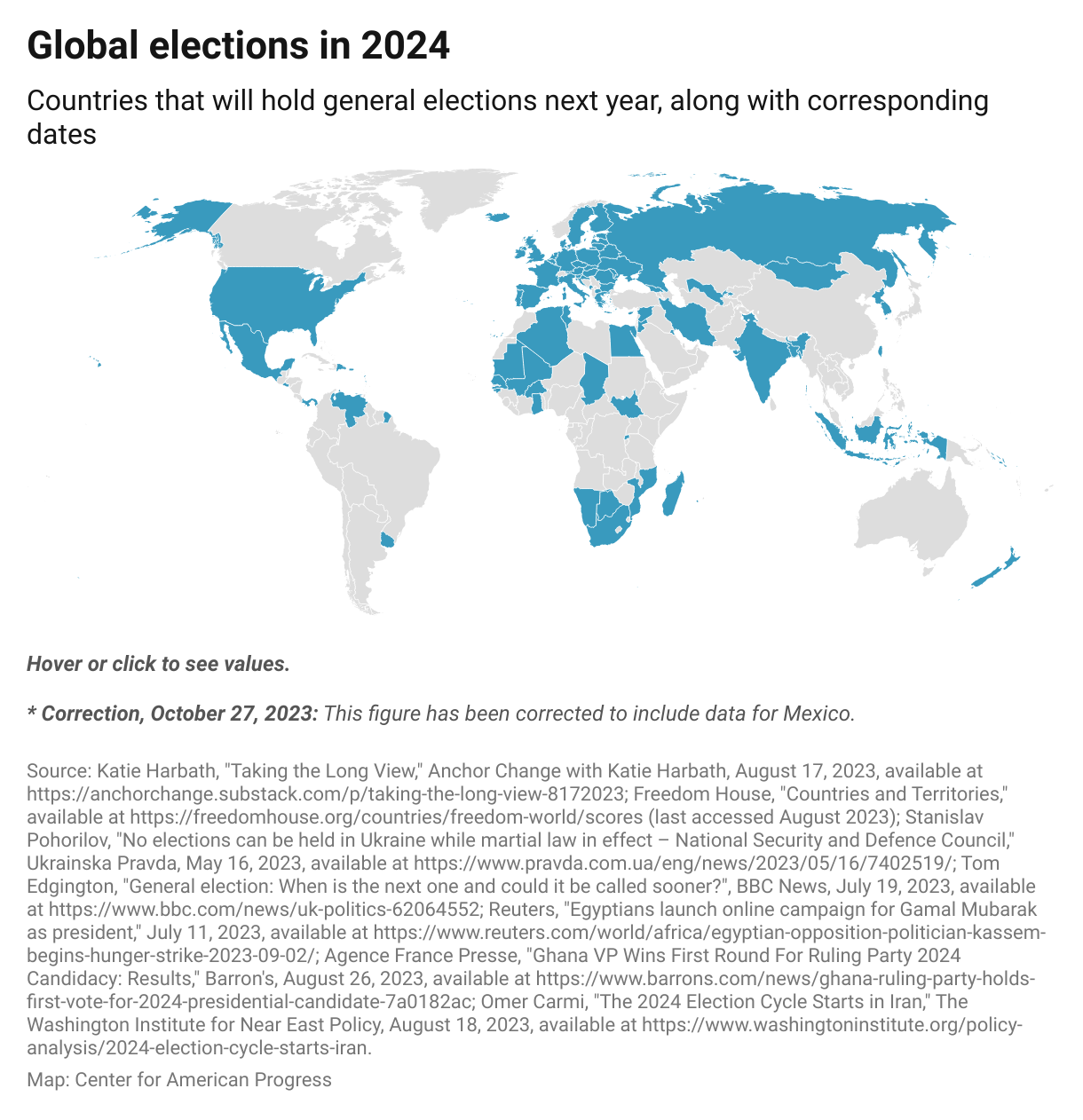
Globally, 2024 was dubbed the "Year of Democracy" as more than half of the world's population lived in countries holding national elections. The results in the United Kingdom, India, and Mexico were particularly influential in redefining international relations for the current 2026 period.
The United Kingdom’s Labour Landslide
On July 4, 2024, the United Kingdom held a general election that ended 14 years of Conservative Party rule. The Labour Party, led by Keir Starmer, secured a massive parliamentary majority. This transition marked a move toward more centralized social planning and a renewed focus on repairing trade relations with the European Union, a process that has matured significantly by 2026. Official records from the UK Parliament highlight that the collapse of the Conservative vote was largely attributed to dissatisfaction with public service delivery and the lingering economic effects of the preceding decade.
India’s Coalition Mandate
India’s multi-phase general election, concluding in June 2024, saw Prime Minister Narendra Modi’s Bharatiya Janata Party (BJP) return to power for a third consecutive term. However, unlike the 2014 and 2019 contests, the BJP did not secure an outright majority on its own, necessitating a reliance on National Democratic Alliance (NDA) coalition partners. This shift toward coalition politics has forced a more consultative approach to economic reform and infrastructure development within the Indian government over the last two years.
Mexico’s Historic First
In June 2024, Mexico elected Claudia Sheinbaum as its first female president. Representing the Morena party, her victory signaled a continuation of the social programs initiated by her predecessor, while also introducing new initiatives regarding renewable energy and urban security. The transition solidified Mexico's role as a major North American economic partner, particularly as "nearshoring" trends continued to accelerate through 2025.
Statistical Overview of Major 2024 Contests
The following table summarizes the results and participation rates of the most influential elections held during the 2024 cycle.
| Country | Election Date | Primary Winner/Party | Outcome Type | Est. Voter Turnout |
|---|---|---|---|---|
| United States | Nov 5, 2024 | Donald Trump (R) | Party Flip (Executive) | 66.4% |
| United Kingdom | July 4, 2024 | Keir Starmer (Labour) | Party Flip (Legislative) | 59.9% |
| India | April–June 2024 | Narendra Modi (BJP/NDA) | Incumbent Retention | 65.8% |
| Mexico | June 2, 2024 | Claudia Sheinbaum | Incumbent Party Retention | 61.1% |
| European Union | June 6–9, 2024 | EPP Group | Multi-National Shift | 51.1% |
Technological Impacts and Information Integrity
The 2024 election cycle was the first to face the widespread integration of generative artificial intelligence (AI) in political campaigning. Candidates and third-party groups utilized AI for targeted messaging, automated outreach, and, in some controversial instances, the creation of synthetic media. This technological leap required election officials to implement new verification protocols to protect the integrity of the vote.
Information integrity became a central focus for tech platforms and government regulators. In the United States and the European Union, specific guidelines were introduced to label AI-generated content in political advertising. While these measures were largely successful in mitigating the impact of "deepfakes" during the 2024 cycle, the evolution of these technologies continues to pose challenges for the upcoming mid-term and regional contests scheduled for later in 2026.
Beyond AI, the 2024 elections saw a continued shift away from traditional broadcast media toward decentralized social platforms and podcasts. Political campaigns redirected significant portions of their budgets toward "micro-influencers" and long-form digital content, recognizing that younger demographics increasingly source their political information outside of standard news cycles.
Legislative and Policy Outcomes in 2025–2026
The immediate aftermath of the 2024 elections led to substantial policy shifts that define the current 2026 landscape. In the United States, the unified Republican government focused on tax reform extensions, border security legislation, and the deregulation of energy production. These actions have had ripple effects on global energy markets and trade agreements.
In Europe, the June 2024 European Parliament elections resulted in a rightward shift, influencing the EU’s approach to the Green Deal and migration policy. By 2026, many of the ambitious climate targets set in the early 2020s have been re-evaluated to prioritize industrial competitiveness and energy security, reflecting the platform of the enlarged conservative blocs in the European Parliament.
From a global security perspective, the 2024 elections influenced the trajectory of international conflicts and alliances. The change in U.S. leadership led to a reassessment of aid packages and diplomatic priorities, while the stability of the Indian and Mexican governments provided a degree of regional continuity that has been vital for economic growth in the Global South.
Long-term Consequences for Democratic Institutions
The 2024 elections tested the resilience of democratic institutions worldwide. Despite concerns regarding polarization and civil unrest, the transfer of power in most nations followed established legal frameworks. The 2024 cycle reinforced the importance of independent judiciary systems and non-partisan election administration in maintaining public trust.
However, the elections also highlighted deep-seated divisions. In many Western democracies, the "urban-rural divide" became even more pronounced, with metropolitan areas and rural districts voting as almost entirely separate political entities. Addressing this geographic polarization remains a primary challenge for leaders in 2026, as they seek to build broad-based support for national policies.
FAQ
Who won the 2024 US Presidential Election?
Donald J. Trump, the Republican candidate, won the 2024 U.S. Presidential Election. He defeated the Democratic incumbent Vice President Kamala Harris by securing a majority in the Electoral College, fueled by victories in several key battleground states. His inauguration on January 20, 2025, marked the beginning of his second, non-consecutive term as the 47th President of the United States.
Which party controlled the US Congress after 2024?
The Republican Party gained control of both the U.S. Senate and the U.S. House of Representatives following the 2024 elections. This unified control allowed the party to pass significant legislation throughout 2025, particularly in areas of fiscal policy, immigration reform, and judicial appointments.
What were the results of the 2024 UK General Election?
The 2024 UK General Election resulted in a landslide victory for the Labour Party, led by Keir Starmer. The Labour Party gained over 200 seats, ending 14 years of Conservative rule. This shift led to significant changes in UK domestic policy, including a focus on public sector investment and a "reset" of relations with the European Union.
How did the 2024 elections affect the European Union?
The European Parliament elections in June 2024 saw a rise in support for right-wing and nationalist parties across several member states. While the centrist European People's Party (EPP) remained the largest bloc, the shift prompted a more cautious approach to EU-wide environmental regulations and a stronger emphasis on border control and national sovereignty.
What was the turnout for the 2024 elections?
Turnout varied significantly by country, but many nations saw historically high participation. In the United States, turnout was approximately 66%, consistent with the high levels seen in the previous two cycles. In India, over 640 million people voted, representing a turnout of roughly 66%, reflecting the massive scale of the world's largest democratic exercise.
Analyzing Results and Participating in Future Cycles
As we navigate the political environment of 2026, it is essential for citizens to review the official records of the 2024 elections to understand the mandates currently in place. Analyzing the data from local and national election boards provides clarity on how current representatives were elected and what promises were made during their campaigns.
For those looking to participate in upcoming 2026 mid-term or local elections, ensuring voter registration is up to date is the most critical next step. Many jurisdictions have updated their voting laws following the 2024 cycle, so checking with local election offices for new deadlines or polling locations is highly recommended. Active engagement in the democratic process remains the most effective way to influence the policy directions established by the landmark 2024 elections.