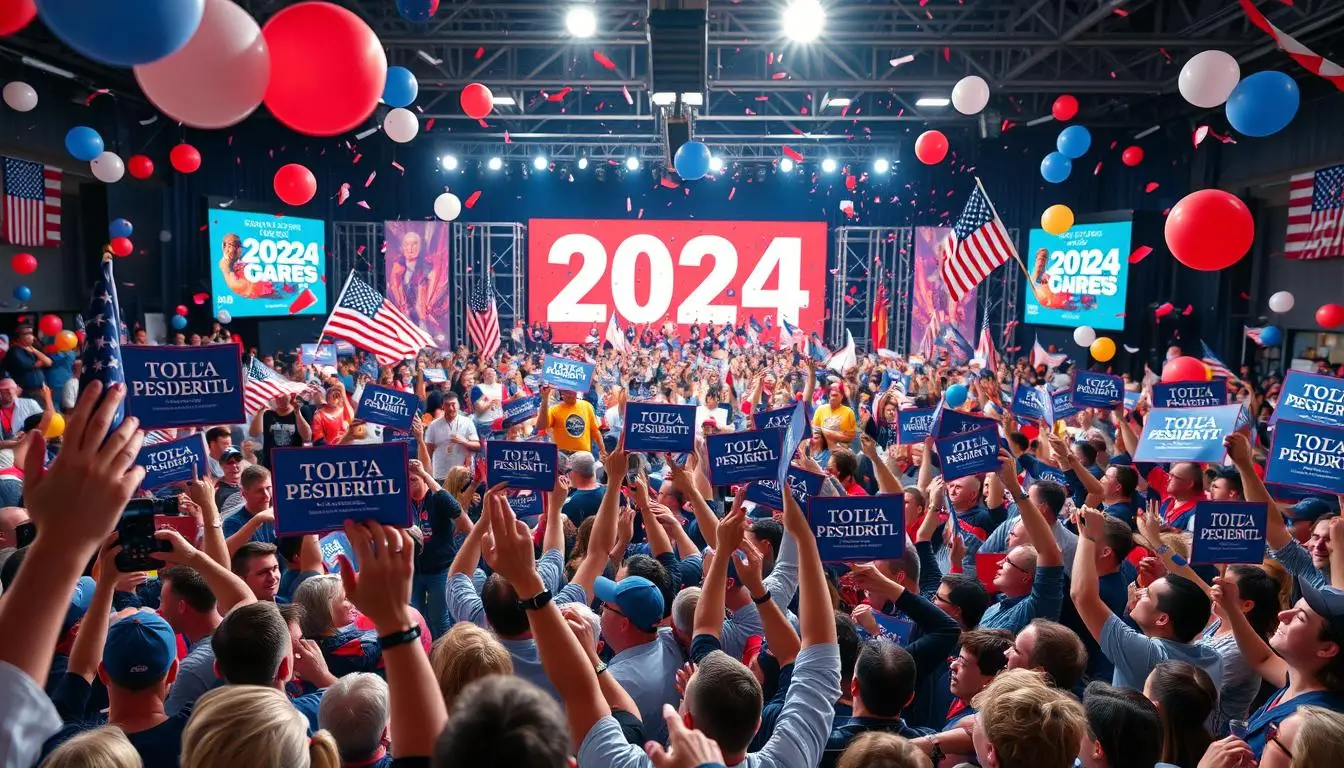
The 2024 campaign was the historic U.S. presidential election cycle that resulted in Donald Trump’s return to the White House as the 47th President. This cycle was defined by unprecedented events, including the mid-campaign withdrawal of an incumbent president, multiple legal trials, and a significant shift in traditional voter demographics across the country.
Historical Context and the Unprecedented Candidate Transition
The 2024 campaign began as a highly anticipated rematch of the 2020 election between President Joe Biden and former President Donald Trump. For the first half of the year, both candidates navigated their respective primary seasons with relative ease, despite concerns regarding Biden’s age and Trump’s ongoing legal challenges. However, the trajectory of the race fundamentally shifted following the first presidential debate on June 27, 2024.
President Biden’s performance during that debate intensified internal Democratic Party concerns regarding his ability to campaign effectively against Trump. After weeks of intense pressure from party leadership and donors, Biden announced his withdrawal from the race on July 21, 2024. This move was virtually unprecedented in modern American history, occurring just months before the general election. Biden immediately endorsed Vice President Kamala Harris, who secured the party’s nomination within days, consolidating support from delegates and major party figures.
This transition forced the Trump campaign to pivot its strategy rapidly. Having spent years and millions of dollars defining Biden, the Republican apparatus had to retool its messaging to address a younger, more energetic opponent. Conversely, Harris had to introduce herself to the broader electorate in a condensed timeframe, balancing her role as an incumbent vice president with the need to present a "New Way Forward."
Key Candidates and Political Platforms
The 2024 general election eventually settled into a contest between Donald Trump (Republican) and Kamala Harris (Democrat), with several third-party candidates influencing the margins of the race.
The Republican Platform: Donald Trump and JD Vance
Donald Trump’s "Make America Great Again" (MAGA) platform focused heavily on economic protectionism, border security, and deregulation. His selection of Senator JD Vance of Ohio as his running mate signaled a commitment to a populist, "America First" foreign policy and an appeal to the industrial working class in the "Blue Wall" states. Key pillars included:
- Mass Deportations: A promise to execute the largest domestic deportation operation in U.S. history.
- Universal Baselines Tariffs: Implementing 10% to 20% tariffs on most imports and upwards of 60% on goods from China.
- Energy Independence: Expanding oil and gas drilling to lower energy costs, often summarized by the slogan "Drill, baby, drill."
The Democratic Platform: Kamala Harris and Tim Walz
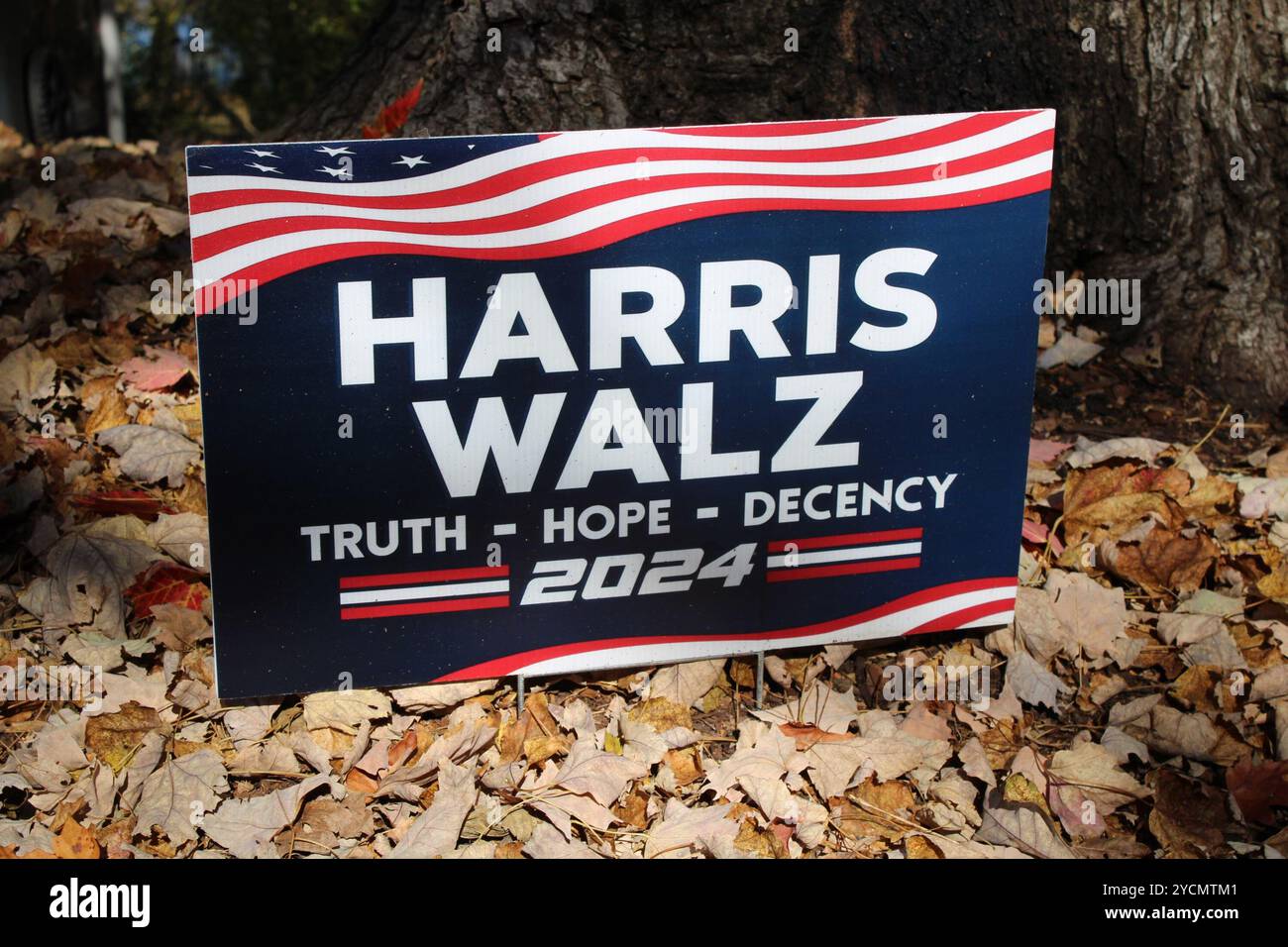
Kamala Harris chose Minnesota Governor Tim Walz as her running mate, aiming to project a sense of Midwestern stability and "joy." Her platform, labeled the "Opportunity Economy," sought to address the rising cost of living while protecting social liberties. Key pillars included:
- Reproductive Rights: A central focus on codifying abortion access nationally following the overturning of Roe v. Wade.
- Middle-Class Tax Cuts: Proposing an expansion of the Child Tax Credit and assistance for first-time homebuyers.
- Democracy and Rule of Law: Positioning the election as a choice between the stability of institutions and the perceived unpredictability of a second Trump term.
Pivotal Moments and Campaign Milestones
The 2024 campaign was punctuated by several "black swan" events that shifted momentum and dominated the news cycle for weeks at a time.
- The Butler Assassination Attempt (July 13, 2024): During a rally in Butler, Pennsylvania, a gunman opened fire, wounding Donald Trump in the ear. The image of a defiant Trump with his fist raised became a defining visual of the campaign, briefly unifying the Republican party and leading to a surge in his polling numbers ahead of the Republican National Convention.
- The Democratic National Convention (August 19–22, 2024): The DNC in Chicago served as a formal "re-introduction" of Kamala Harris. It was characterized by high energy and a departure from the somber tone of the early Biden campaign, though it faced internal pressure regarding the administration’s stance on the conflict in Gaza.
- The Harris-Trump Debate (September 10, 2024): This was the only face-to-face encounter between the two nominees. Most analysts and post-debate polls suggested Harris was more successful in baiting Trump into defensive positions, though the encounter did not result in a permanent polling shift for the Vice President.
- The RFK Jr. Endorsement: Robert F. Kennedy Jr., who had been running a significant third-party campaign, suspended his bid in August and endorsed Donald Trump. This move was seen as critical in consolidating the "anti-establishment" vote in swing states.
Central Policy Issues and Voter Priorities
As the 2024 campaign entered its final stretch, voter data consistently showed that the economy and immigration were the two most influential factors for the electorate.
The Economy and Inflation
Despite macroeconomic indicators showing cooling inflation and a strong job market, the "kitchen table" reality for many Americans was characterized by high grocery prices and housing costs. The Trump campaign successfully tied these frustrations to the Biden-Harris administration, utilizing the phrase "Are you better off now than you were four years ago?" The Harris campaign struggled to distance the Vice President from the unpopularity of the administration’s economic handling while simultaneously trying to take credit for the post-pandemic recovery.
Immigration and Border Security
Republicans made the Southern border a centerpiece of their messaging. High-profile incidents involving undocumented immigrants were used to argue that the administration had lost control of national sovereignty. The Harris campaign attempted to counter this by highlighting Trump’s role in scuttling a bipartisan border security bill earlier in the year, but polling showed the public trusted Trump more on this issue.
Abortion and Social Issues
Following the Dobbs decision, abortion became a potent mobilizing tool for Democrats. Harris frequently campaigned on the threat of a "national abortion ban," which Trump denied he would sign. While this issue helped Harris maintain a lead among women and younger voters, it was ultimately overshadowed by economic concerns in several key battleground counties.
2024 Election Outcome and Data Comparison
The election concluded with a decisive victory for Donald Trump, who not only won the Electoral College but also became the first Republican since 2004 to win the national popular vote.
| Metric | Donald Trump (GOP) | Kamala Harris (DEM) |
|---|---|---|
| Electoral College Votes | 312 | 226 |
| Popular Vote (Approximate) | 50.1% | 48.3% |
| States Carried | 31 | 19 + DC |
| Key Swing State Wins | PA, MI, WI, AZ, NV, GA, NC | None |
| Voter Turnout | High (Approx. 66%) | High (Approx. 66%) |
Analysis of the results revealed a significant realignment. Trump made historic gains with Latino voters, particularly men, and improved his margins in urban areas that had traditionally been Democratic strongholds. Harris maintained strength in suburban areas among college-educated voters but could not replicate the 2020 turnout levels required to hold the "Blue Wall" states of Pennsylvania, Michigan, and Wisconsin.
The Influence of Modern Media and Campaign Finance
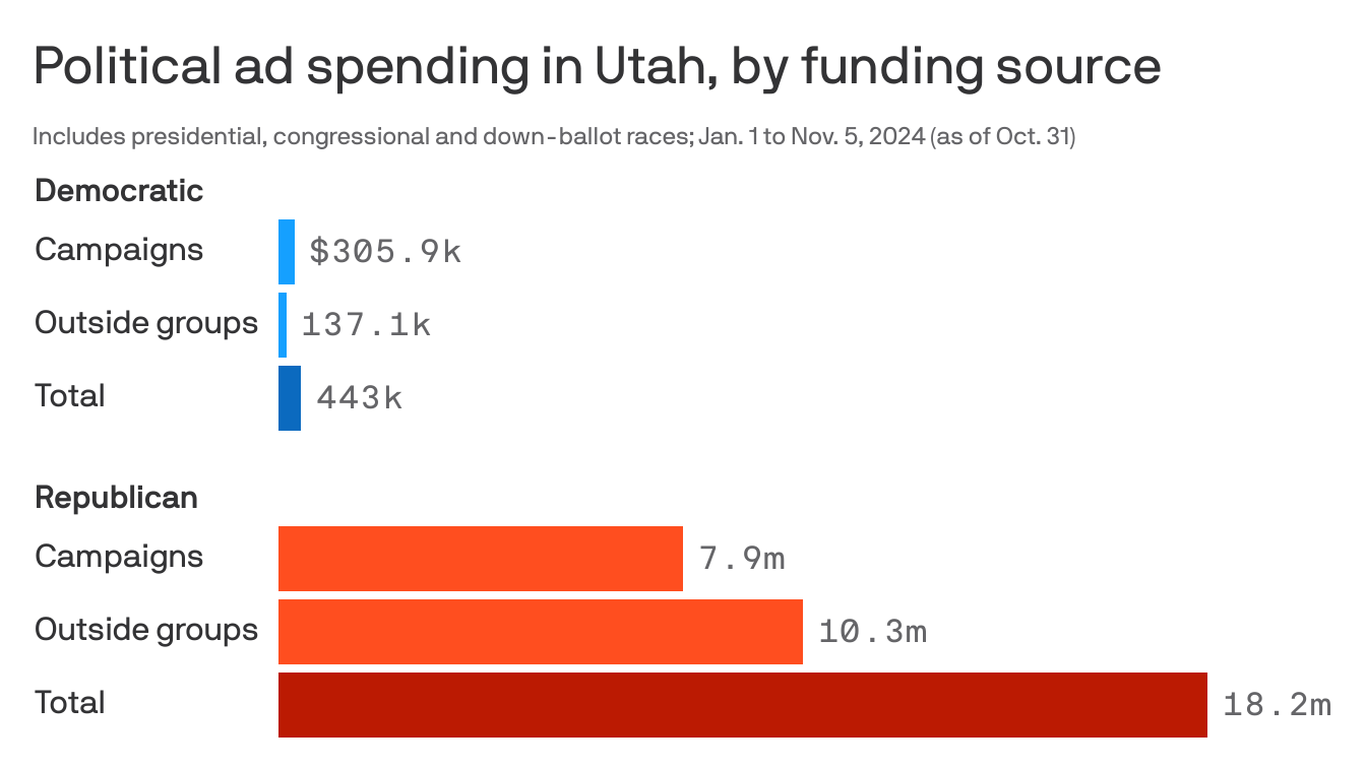
The 2024 campaign was the most expensive in history, with billions of dollars spent across television, digital advertising, and "ground game" operations. However, the medium of communication shifted significantly from previous cycles.
The "Podcast Election" became a common descriptor for 2024. Donald Trump’s three-hour appearance on The Joe Rogan Experience just days before the election reached tens of millions of viewers, bypassing traditional media gatekeepers to speak directly to a younger, male-dominated audience. Kamala Harris similarly engaged in non-traditional media, appearing on the Call Her Daddy podcast to reach younger female voters.
Additionally, the role of billionaire donors became more overt. Elon Musk’s involvement through his America PAC and his use of the X (formerly Twitter) platform to promote Trump’s candidacy represented a new era of direct intervention by tech moguls in electoral politics. On the Democratic side, large-scale fundraising through "Win with Black Women" and similar grassroots Zoom-based organizations provided a massive early cash infusion for Harris, though it was ultimately not enough to overcome the shifting electoral map.
Analyzing the Impact of the 2024 Campaign
As we look back from 2026, the 2024 campaign is seen as a watershed moment for American political strategy. It proved that traditional polling models often struggle to capture the "hidden" shifts in multi-ethnic working-class coalitions. It also demonstrated the declining influence of legacy media in the face of long-form digital content and social media algorithms.
The Republican victory paved the way for a major shift in federal policy starting in 2025, focused on "deconstructing the administrative state" and implementing aggressive trade protectionism. For Democrats, the 2024 cycle triggered a period of deep introspection regarding how to reconnect with voters outside of major metropolitan hubs and how to balance identity politics with broad economic appeals.
FAQ
Who won the 2024 U.S. Presidential Election?
Donald Trump won the 2024 election, defeating Kamala Harris. He secured 312 Electoral College votes compared to Harris's 226. Trump also won the popular vote, marking a significant shift in the U.S. political landscape and returning him to the presidency for a second, non-consecutive term.
Why did Joe Biden drop out of the 2024 race?
President Joe Biden withdrew from the race on July 21, 2024, primarily due to concerns about his age and cognitive stamina following a poor debate performance in late June. His decision followed weeks of public and private pressure from high-ranking members of the Democratic Party and a decline in his polling numbers in key swing states.
What were the "Blue Wall" states in 2024?
The "Blue Wall" refers to Pennsylvania, Michigan, and Wisconsin. These three states were considered essential for a Democratic victory. In the 2024 campaign, Donald Trump successfully flipped all three states, which had previously voted for Joe Biden in 2020, effectively sealing his victory in the Electoral College.
How did the 2024 campaign change voter demographics?
The 2024 campaign saw a notable realignment, with Donald Trump making significant inroads into traditional Democratic voting blocs. He achieved record-high support for a Republican candidate among Latino voters and made gains with Black male voters. Meanwhile, the Democratic coalition became increasingly concentrated among college-educated voters and those in affluent suburban areas.
What was the role of third-party candidates in 2024?
Robert F. Kennedy Jr. was the most prominent third-party candidate. While he initially polled in the double digits, his support waned over the summer. His decision to suspend his campaign and endorse Donald Trump in August was a pivotal moment that helped consolidate the "anti-incumbent" and "anti-establishment" vote behind the Republican ticket.
Actionable Takeaways for Future Electoral Engagement
For those analyzing or participating in future cycles, the 2024 campaign emphasizes the need for early and consistent engagement with diverse demographics rather than relying on historical party loyalty. Observers should prioritize tracking "alternative" media reach—such as independent podcasts and social media influencers—as these platforms have arguably surpassed traditional news networks in their ability to shape voter sentiment and mobilize specific segments of the population.