In 2023, the top robo-advisors for high-net-worth individuals (HNWIs) were Wealthfront, Betterment, and Empower (formerly Personal Capital). These platforms led the market by offering sophisticated "smart wealth" features such as advanced tax-loss harvesting, direct indexing for portfolios over $100,000, and hybrid access to human Certified Financial Planners (CFPs).
The Evolution of Smart Wealth Management for HNWIs
The landscape of digital wealth management underwent a significant transformation leading into 2023. Historically, robo-advisors were viewed as entry-level tools for "set-it-and-forget-it" investing, primarily using basic Exchange-Traded Fund (ETF) rebalancing. However, by 2023, the industry shifted toward "smart wealth management," a discipline focusing on maximizing after-tax returns and integrating complex financial planning into automated algorithms.
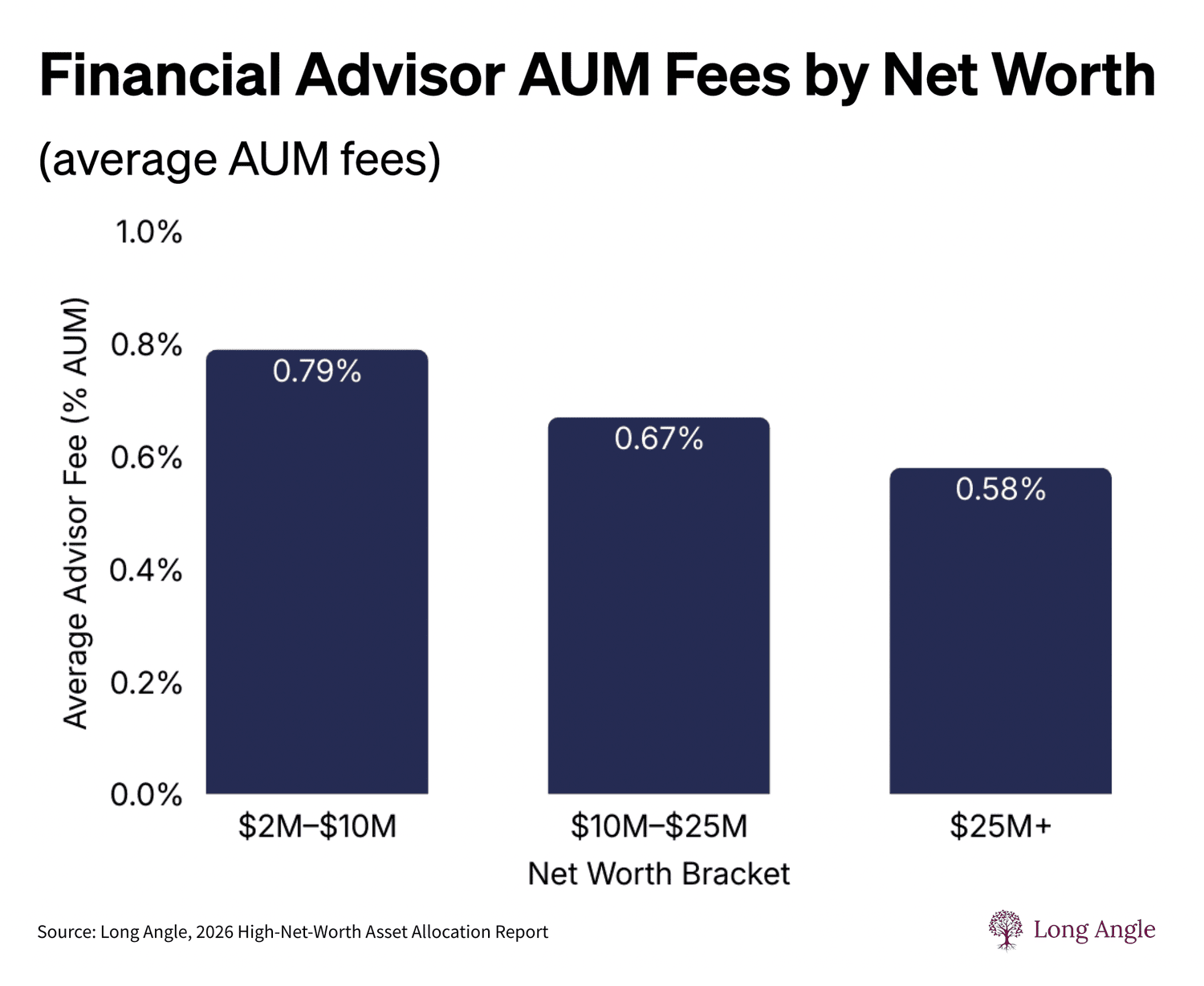
For high-net-worth individuals, the value proposition of a robo-advisor moved beyond simple asset allocation. The primary drivers became tax efficiency, customization, and cost reduction. Traditional private banking often charges 1% to 1.5% in assets under management (AUM) fees. In contrast, the top-tier digital platforms in 2023 offered sophisticated strategies for 0.25% to 0.50%, representing a massive saving for those with multi-million dollar portfolios.
By 2026, we can look back at 2023 as the year when "Direct Indexing" became a standard requirement for any platform claiming to serve the high-net-worth segment. This technology allowed investors to own the individual underlying stocks of an index rather than an ETF, enabling much more granular tax-loss harvesting and personalized ESG (Environmental, Social, and Governance) filtering.
Analysis of the 2023 Market Leaders
Choosing the "top" advisor depends on whether the investor prioritizes pure automation or a hybrid approach with human expertise. The following platforms stood out in 2023 for their specific strengths in managing significant capital.
Wealthfront: The Leader in Tax Efficiency
Wealthfront was widely considered the premier "pure-play" robo-advisor for HNWIs in 2023. Their focus remained on engineering-led solutions to wealth management. For investors with over $100,000, Wealthfront provided US Direct Indexing, which replaced the broad US stock market ETF in a portfolio with individual stocks. This allowed the platform to harvest tax losses at the individual stock level, even when the overall market was up.
Additionally, Wealthfront’s 2023 introduction of Automated Bond Portfolios provided a much-needed haven for HNWIs looking to capitalize on the higher interest rate environment of that year. Their "Path" tool remained a gold standard for financial forecasting, aggregating data from thousands of external accounts to provide a holistic view of net worth.
Betterment: Flexibility and Premium Access
Betterment’s 2023 strategy focused on flexibility. Their "Premium" plan, requiring a $100,000 minimum, offered unlimited access to CFPs. This made it a top choice for HNWIs who were navigating complex life events—such as selling a business or planning an estate—but still wanted a digital-first investment engine. Betterment’s Tax-Coordinated Portfolios also automated the placement of assets across taxable and tax-advantaged accounts (Asset Location), a critical "smart wealth" move that can significantly boost long-term after-tax wealth.
Empower (Personal Capital): The Hybrid Heavyweight
Empower (rebranded from Personal Capital) occupied the space between a traditional advisor and a robo-advisor. For HNWIs, Empower was often the top choice because of its comprehensive wealth dashboard and the fact that its management was inherently more personalized. While its fees were higher than Wealthfront or Betterment, it offered a level of human oversight that many individuals with $1M+ in assets found necessary for peace of mind in 2023's volatile markets.
Comparative Features of Top 2023 Robo-Advisors
| Feature | Wealthfront | Betterment (Premium) | Empower | Vanguard Personal Advisor |
|---|---|---|---|---|
| 2023 Minimum Investment | $500 | $100,000 | $100,000 | $50,000 |
| Management Fee | 0.25% | 0.40% | 0.49% - 0.89% | 0.30% |
| Direct Indexing | Yes (>$100k) | No (ETF-based) | Yes | No |
| Human Advisor Access | None (Digital Only) | Unlimited (CFPs) | Dedicated Advisor | Limited to CFPs |
| Tax-Loss Harvesting | Daily / Individual Stock | Daily / ETF Level | Strategic | On-request/Hybrid |
Strategic Advantages: Tax-Loss Harvesting and Direct Indexing
The hallmark of "smart wealth management" for the high-net-worth segment is Tax-Loss Harvesting (TLH). In 2023, this wasn't just a feature; it was a core strategy to offset the capital gains that often plague larger portfolios.
Direct Indexing takes TLH to the next level. Instead of selling a "Total Stock Market ETF" at a loss and buying a "S&P 500 ETF," the advisor sells the individual losing stocks within the index (e.g., selling a specific tech stock that is down) and replaces them with a highly correlated stock to maintain market exposure. For a high-net-worth individual, this can result in "tax alpha"—the additional return generated through tax savings—that can often exceed the 0.25% management fee itself.
In 2023, Wealthfront claimed that their US Direct Indexing could add significant annual tax savings for those in high tax brackets. This made the platform essentially "free" or even profitable from a tax-benefit perspective for many HNWIs.
Requirements and Prerequisites for HNW Smart Wealth Platforms
While most robo-advisors have low entry points, the "smart wealth" tiers required for HNW management in 2023 came with specific prerequisites:
- Liquidity Thresholds: To unlock features like Direct Indexing or Dedicated Advisors, a minimum of $100,000 in investable assets was typically the baseline.
- Tax Bracket Alignment: These services are most effective for those in the 32% federal tax bracket or higher. Individuals in lower brackets might not see enough benefit from TLH to justify the complexity.
- Account Compatibility: Not all platforms supported complex entities in 2023. HNWIs often needed to verify if the robo-advisor could handle Revocable Living Trusts, Simplified Employee Pension (SEP) IRAs, or 401(k) rollovers before committing capital.
- Consolidated Reporting: A prerequisite for "smart" management is the ability to link external accounts. The effectiveness of a robo-advisor’s advice depends on its visibility into the client's entire financial life, including real estate, stock options (RSUs), and private equity.
Potential Limitations for High-Net-Worth Investors
Despite the technological leaps of 2023, robo-advisors were not a perfect fit for every high-net-worth individual. Technical depth requires acknowledging where these systems can fail.
- Complex Tax Filings: Robo-advisors primarily handle public equities and bonds. They generally do not manage investments in K-1 producing entities, like Master Limited Partnerships (MLPs) or private equity, which can complicate tax reporting if not handled by a human CPA.
- Estate and Gift Planning: While some platforms offered basic trust support in 2023, they lacked the sophisticated legal and multi-generational planning offered by family offices.
- Emotional Regulation during Volatility: Algorithms do not have emotions, but investors do. The lack of a human "buffer" in pure robo-models like Wealthfront meant that HNWIs had to have the discipline to stay the course during the market fluctuations of the early 2020s without a professional to talk them out of panic-selling.
FAQ
What is the difference between a robo-advisor and a hybrid advisor for HNWIs?
A robo-advisor is an algorithm-driven platform that manages your portfolio based on mathematical models with minimal human intervention. A hybrid advisor, like Empower or Betterment Premium, combines these algorithms with access to human financial professionals. For HNWIs in 2023, the hybrid model was often preferred for its ability to handle complex questions regarding tax law, estate planning, and insurance that algorithms couldn't yet solve.
Why was direct indexing considered "smart wealth management" in 2023?
Direct indexing was considered "smart" because it offered a level of tax optimization and customization previously available only to those with $5 million or more at private banks. By allowing the software to buy individual shares of an index, the platform could harvest "micro-losses" that an ETF would otherwise mask, significantly lowering the investor's tax bill at the end of the year.
Is a robo-advisor safe for someone with a $1 million+ portfolio?
Yes, in 2023, major robo-advisors were considered very safe from a custodial perspective. Platforms like Betterment and Wealthfront used major clearing houses and were members of the SIPC (Securities Investor Protection Corporation), which protects against the loss of cash and securities if a brokerage firm fails. However, SIPC does not protect against market losses, which are an inherent risk of any investment.
Can robo-advisors handle ESG or socially responsible investing for HNWIs?
Yes, by 2023, most top robo-advisors had sophisticated ESG options. For high-net-worth individuals, direct indexing allowed for even deeper customization, such as specifically excluding certain industries (e.g., tobacco or fossil fuels) from their portfolio while still maintaining the overall performance characteristics of the market index.
How did fees for HNW robo-advisors compare to traditional advisors in 2023?
The cost difference was substantial. Traditional wealth management usually cost around 1.00% of AUM, meaning a $2 million portfolio would cost $20,000 annually. A robo-advisor like Wealthfront at 0.25% would cost only $5,000 for the same portfolio. This $15,000 annual difference, when compounded over 20 years, represents hundreds of thousands of dollars in "saved" wealth.
Next Steps for Wealth Optimization
If you are evaluating your wealth management strategy in 2026 based on the foundations set in 2023, start by conducting a fee and tax audit. Analyze your current portfolio's "tax drag" to determine if moving to a platform with direct indexing could provide a meaningful increase in your after-tax returns.
For those with complex estates, consider a "barbell" approach: use a high-end robo-advisor for your core liquid equity and bond holdings to take advantage of low fees and automated tax-loss harvesting, while maintaining a relationship with a traditional tax professional or estate attorney for high-level legal and tax strategy. Always verify that any platform you choose supports the specific account types (Trusts, IRAs, etc.) that constitute your wealth.