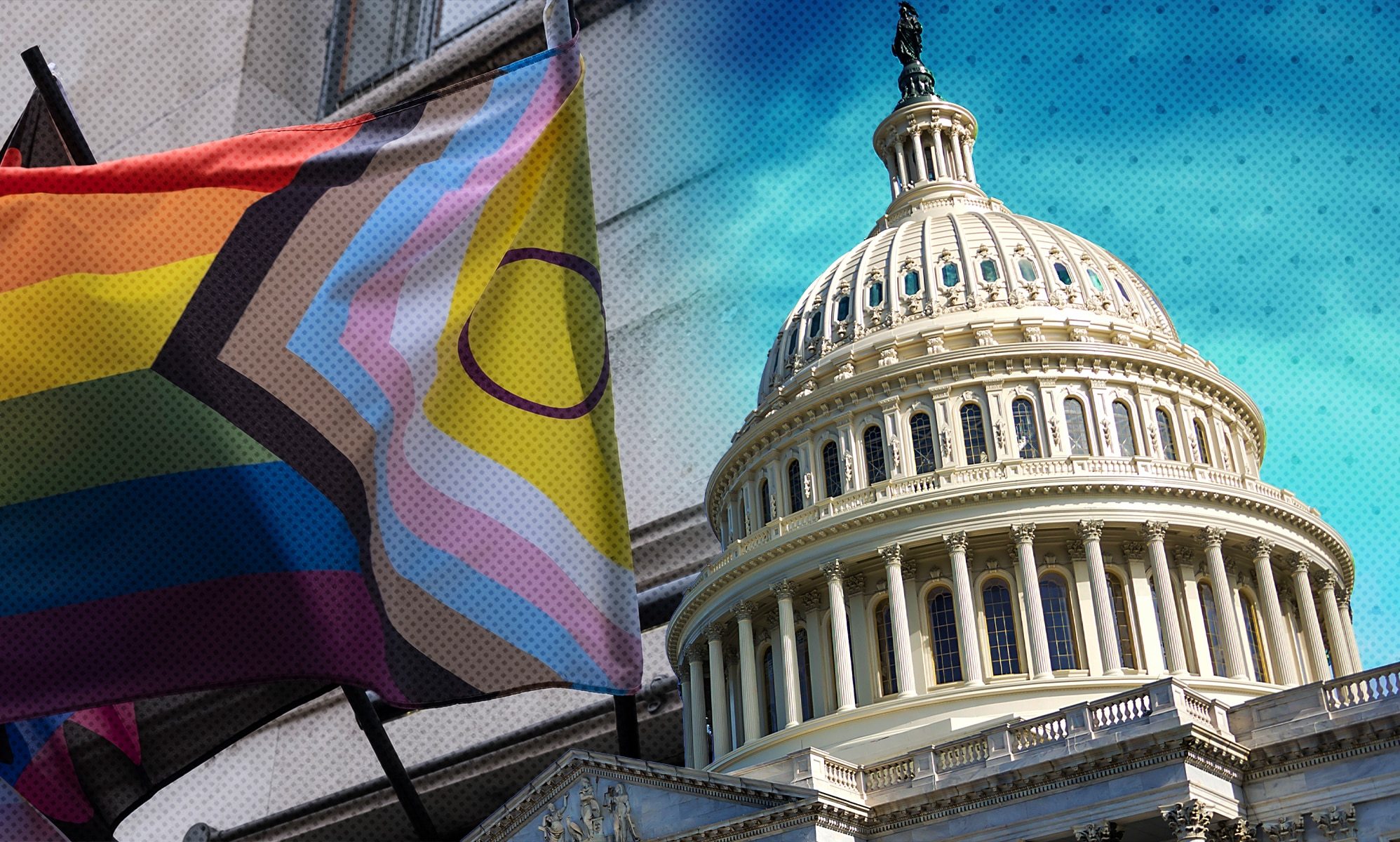
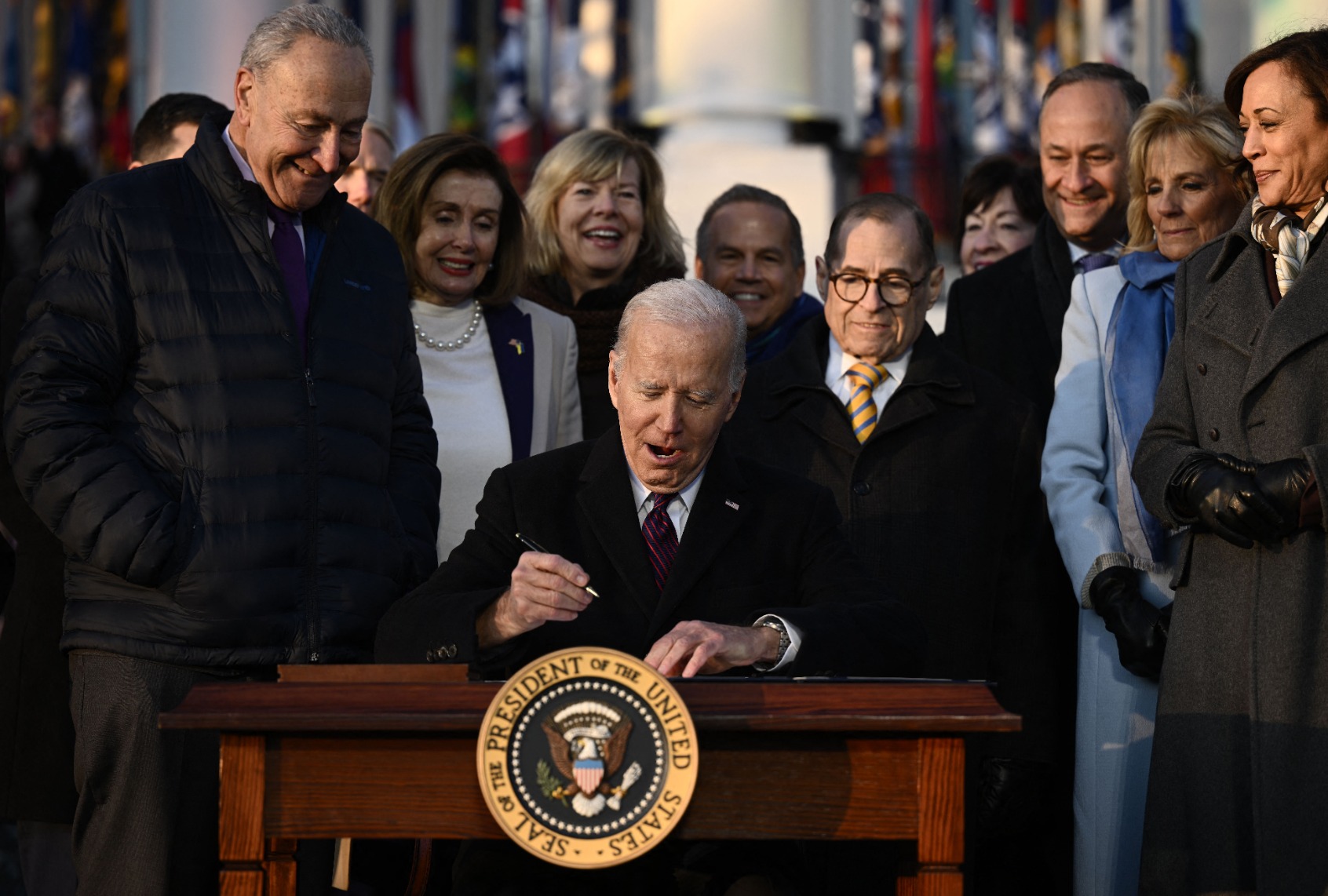
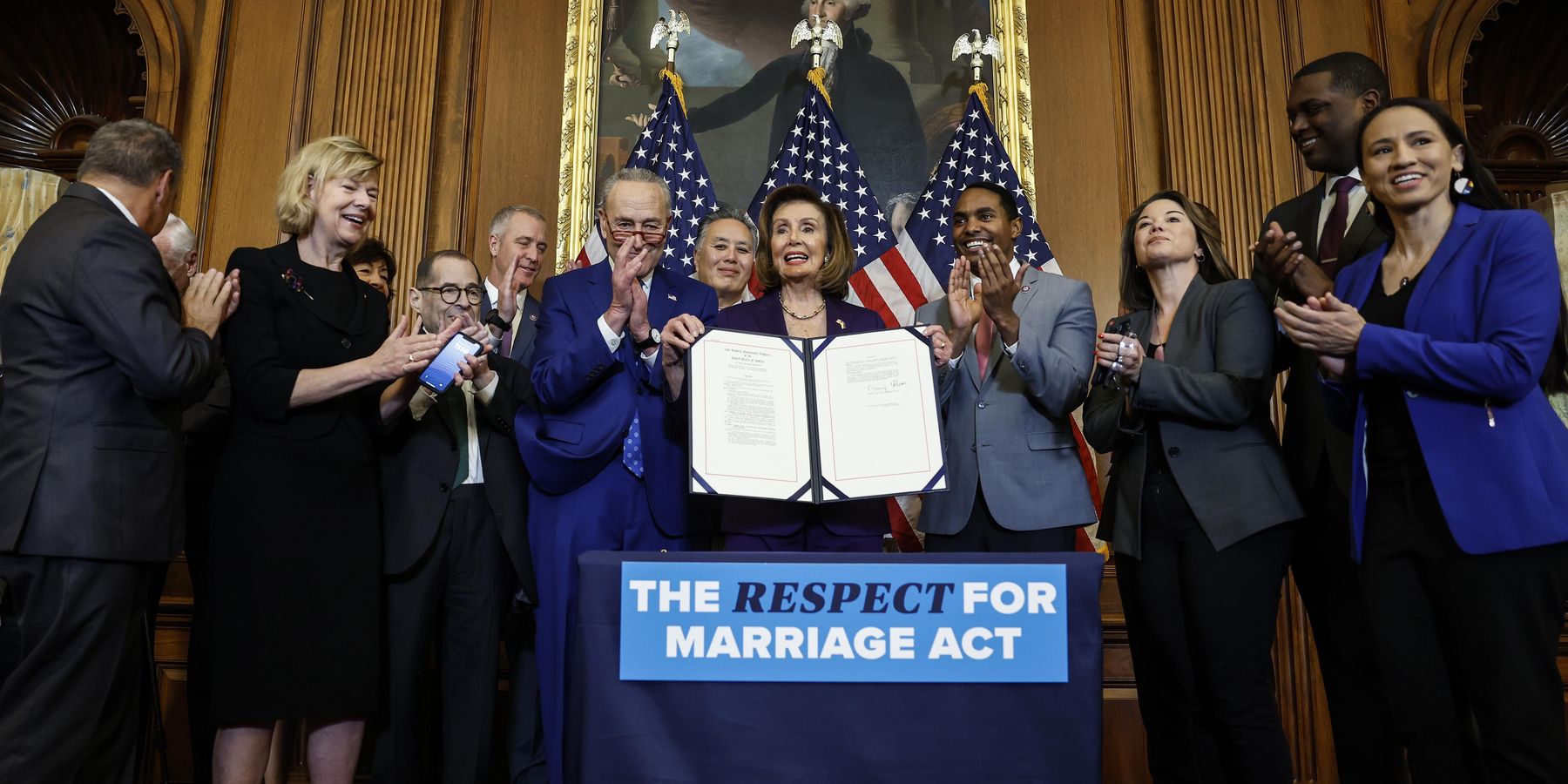
The 2022 Respect for Marriage Act guarantees federal recognition for legally performed same-sex and interracial marriages across the United States. Signed into law in December 2022, the landmark statute officially repealed the 1996 Defense of Marriage Act, securing statutory federal benefits, tax rights, and cross-state marital recognition regardless of future Supreme Court rulings.
Legislative Background: The Road to the Respect for Marriage Act
The legal framework governing marriage in the United States underwent drastic shifts over the three decades leading up to 2022. In 1996, Congress passed the Defense of Marriage Act (DOMA), which federally defined marriage strictly as a union between one man and one woman for all federal laws and regulations. DOMA also explicitly permitted individual states to refuse recognition of same-sex marriages solemnized in other jurisdictions.
Subsequent landmark Supreme Court decisions fundamentally reshaped this legal landscape:
- United States v. Windsor (2013): Struck down Section 3 of DOMA, ruling that denying federal recognition to legally married same-sex couples violated the equal protection component of the Fifth Amendment.
- Obergefell v. Hodges (2015): Held under the Fourteenth Amendment that same-sex couples possess a constitutional right to marry, requiring all fifty states to issue marriage licenses to same-sex couples and recognize marriages solemnized out-of-state.
- Loving v. Virginia (1967): Previously established that state bans on interracial marriage violated the Fourteenth Amendment's Due Process and Equal Protection Clauses.
Despite these rulings, DOMA remained on the official statute books, albeit unenforceable. The catalyst for legislative action came in June 2022 when the Supreme Court issued its ruling in Dobbs v. Jackson Women's Health Organization, overturning Roe v. Wade. In a concurring opinion, Justice Clarence Thomas suggested that the Court should reconsider other substantive due process precedents, explicitly referencing Obergefell v. Hodges.
This concurring opinion raised widespread concern that constitutional protections for same-sex and interracial marriages could be narrowed or overturned in future litigation. In response, bipartisan coalitions in Congress drafted and passed H.R. 8404, the Respect for Marriage Act, which President Joe Biden signed into law as Public Law 117-228 on December 13, 2022. The statute established a durable legislative backstop to safeguard marital equality under federal law.
Key Statutory Protections: How the 2022 Act Safeguards Marriage
The Respect for Marriage Act introduced statutory protections into federal law designed to ensure stability for married couples, establishing legal certainty regardless of potential shifts in constitutional jurisprudence.
| Federal Recognition | Interstate Recognition |
|---|---|
| Directs federal agencies to recognize valid marriages using the "place of celebration" rule (1 U.S.C. § 7). | Requires states to honor valid out-of-state marriage certificates (28 U.S.C. § 1738C). |
| Religious Protections | Explicit Coverage |
| Protects religious non-profits and clergy from forced solemnization. | Protects both same-sex and interracial marriages. |
Official Repeal of DOMA
The Act formally repealed DOMA in its entirety, removing statutory language that limited marriage to opposite-sex couples for federal purposes and explicitly striking 28 U.S.C. § 1738C, the provision that authorized states to deny full faith and credit to same-sex marriages from other states.
Codification of the "Place of Celebration" Standard
Under amended 1 U.S.C. § 7, for the purpose of any federal law, rule, or regulation, an individual is considered married if their marriage was valid in the state, territory, or foreign nation where it was entered into (the "place of celebration"). This statutory change ensures that federal agencies—such as the Internal Revenue Service, Social Security Administration, and Department of Veterans Affairs—must recognize a marriage if it was lawful where solemnized, even if the couple currently resides in a state that does not issue marriage licenses to same-sex couples.
Statutory Protection for Interracial Marriages
While public attention largely focused on same-sex unions, the Act explicitly extends statutory protection to interracial marriages. By prohibiting any person acting under color of state law from denying full faith and credit to a marriage based on ethnicity, race, or national origin, the statute provides a federal statutory safeguard matching the constitutional principles established in Loving v. Virginia.
Enforcement Mechanisms
The Act provides two distinct enforcement avenues when state actors refuse to recognize a valid out-of-state marriage:
- Civil Action by the Attorney General: The U.S. Attorney General is empowered to bring civil actions for injunctive relief against any entity acting under color of state law that violates the statute.
- Private Right of Action: Any individual harmed by a violation of the Act may bring a civil suit in federal court to enforce their rights and obtain injunctive relief.
Scope and Limitations: What the Law Does and Does Not Mandate
Understanding the operational limits of the Respect for Marriage Act is essential for evaluating its impact on civil rights and state law. The statute was carefully drafted to balance civil rights protections with state sovereignty and religious freedom guarantees.
Disclaimer: The statutory analysis provided here is for informational and educational purposes only and does not constitute formal legal advice. Couples with specific questions regarding estate planning, marital benefits, or jurisdictional recognition should consult a qualified civil rights or family law attorney.
What the Act Does Not Mandate
The Respect for Marriage Act does not create a federal requirement for states to issue marriage licenses to same-sex couples if the Supreme Court were ever to overturn Obergefell v. Hodges. Marriage licensing standards remain fundamentally within the domain of state law. If Obergefell were struck down, individual states could theoretically re-enforce state constitutional or statutory bans on issuing new same-sex marriage licenses within their borders.
However, even under that hypothetical scenario, the Respect for Marriage Act forces every state to recognize valid same-sex marriages performed in other states where same-sex marriage remains legal. A couple living in a state without same-sex licensing could travel to a state that permits it, obtain a valid marriage certificate, return home, and legally demand full state and federal recognition of their marital status.
Religious Liberty Accommodations
To build bipartisan consensus, Congress included explicit religious freedom provisions within Public Law 117-228:
- Solemnization and Celebration: Nonprofit religious organizations, churches, synagogues, mosques, and religious order institutions are not required to provide services, accommodations, facilities, goods, or privileges for the solemnization or celebration of a marriage.
- No Private Right of Action Against Religious Entities: Refusal by a religious nonprofit or clergy member to perform or accommodate a marriage solemnization does not create a civil cause of action or subject the entity to federal penalty.
- Tax-Exempt Status Security: The Act explicitly states that nothing within its provisions can be used to deny or alter the tax-exempt status, grants, contracts, or educational accreditations of religious organizations.
Legal Comparison: Constitutional Rulings vs. Statutory Protections
The protections afforded to married couples operate across constitutional, statutory, and regulatory dimensions. The following table illustrates how the 2022 Respect for Marriage Act interacts with historical legal benchmarks.
| Feature / Dimension | Defense of Marriage Act (1996) | Obergefell v. Hodges (2015) | 2022 Respect for Marriage Act |
|---|---|---|---|
| Legal Basis | Federal Statute (Public Law 104-199) | Constitutional Law (14th Amendment) | Federal Statute (Public Law 117-228) |
| State Licensing Duty | Allowed states to ban same-sex licensing | Mandates all states issue same-sex licenses | Does not compel state licensing if Obergefell falls |
| Interstate Recognition | Allowed states to refuse out-of-state recognition | Mandated full interstate recognition | Mandates full interstate recognition for all valid marriages |
| Federal Benefit Rights | Defined marriage exclusively as heterosexual | Extended federal benefits via court precedent | Codified "place of celebration" rule in federal law |
| Interracial Marriage Coverage | Silence / Not addressed | Governed separately by Loving v. Virginia | Explicit statutory protection included |
| Vulnerability to Reversal | Struck down by Court (Windsor / Obergefell) | Subject to Supreme Court precedent shifts | Requires Congressional repeal or judicial invalidation |
| Religious Exemption Clause | None specified | Addressed in general First Amendment terms | Explicit statutory exemptions for religious non-profits |
Practical Implications for Couples: Federal Benefits, Taxes, and Civil Rights
For millions of married couples, the codification of the Respect for Marriage Act provides operational stability across numerous areas of administrative law and financial planning.
- Practical Impacts of the 2022 RFMA Statute
- Tax Filing: Joint filing & federal estate tax exemptions.
- Social Sec.: Survivor & spousal benefit eligibility protection.
- Immigration: Spousal visas & green card petitions recognition.
Federal Taxation and Estate Rights
Married couples receive federal recognition under the Internal Revenue Code. Key tax implications include:
- Joint Filing: Couples are entitled to file federal income tax returns under "Married Filing Jointly" or "Married Filing Separately" status, regardless of their state of residency.
- Unlimited Marital Deduction: Spouses can transfer assets, gifts, and property to one another without triggering federal gift or estate taxes.
- Retirement Account Transfers: Surviving spouses can roll over inherited IRAs or 401(k) accounts into their own retirement plans without triggering immediate taxable distributions.
Social Security and Veterans Benefits
Under the Act's "place of celebration" framework, the Social Security Administration (SSA) determines marital status based on where the marriage was solemnized. This secures eligibility for:
- Spousal Retirement Benefits: Allowing a lower-earning spouse to claim up to 50% of the primary earner's retirement benefit amount.
- Survivor Benefits: Ensuring surviving spouses receive full survivor annuity payouts upon the death of a working spouse.
- VA Spousal Compensation: Granting veterans' spouses access to TRICARE healthcare benefits, disability indemnity, and burial rights in national cemeteries.
Immigration and Family Law
Under federal immigration statutes, foreign national spouses of U.S. citizens or lawful permanent residents are eligible for spousal green cards and immigrant visas. United States Citizenship and Immigration Services (USCIS) relies on the validity of the marriage in the jurisdiction where it took place, shielding binational same-sex couples from administrative denials based on local state residency.
Frequently Asked Questions
Does the Respect for Marriage Act force all states to issue same-sex marriage licenses?
No. The Act does not require individual states to issue same-sex marriage licenses if the Supreme Court were to overturn Obergefell v. Hodges. However, it does mandate that every state recognize validly performed same-sex and interracial marriages from other states where those unions are lawful.
What happens to existing same-sex marriages if the Supreme Court alters Obergefell v. Hodges?
Existing marriages remain legally valid under federal law. Furthermore, because the Respect for Marriage Act mandates interstate recognition under 28 U.S.C. § 1738C, any same-sex marriage legally solemnized in any U.S. state, territory, or foreign jurisdiction must be recognized as valid by every other state and by the federal government.
How does the Respect for Marriage Act protect religious institutions?
The law includes explicit statutory language ensuring that religious institutions, churches, non-profit organizations, and clergy members cannot be legally compelled to perform, solemnize, or host marriage ceremonies that violate their religious beliefs. It also explicitly protects the tax-exempt status and grants of religious institutions.
How does the law affect federal taxes, Social Security, and veterans' benefits?
The statute codifies the "place of celebration" rule across federal agencies. As long as a marriage was valid where solemnized, federal agencies—including the IRS, Social Security Administration, and Department of Veterans Affairs—must recognize the marriage for joint tax filing, spousal retirement benefits, survivor benefits, and military healthcare coverage.
Does the Act specifically protect interracial marriages?
Yes. The statute explicitly prohibits any state or government actor from denying full faith and credit to an out-of-state marriage on the basis of sex, race, ethnicity, or national origin, providing statutory backup to the constitutional principles articulated in Loving v. Virginia.
Legal Safeguards and Recommended Actions for Married Couples
While the 2022 Respect for Marriage Act provides a strong federal safety net, couples seeking maximum legal protection across all jurisdictions should maintain organized documentation and consider supplementary estate planning measures.
- Maintain Certified Marriage Records: Keep multiple official certified copies of your original marriage certificate from the issuing state or jurisdiction. This document serves as the primary legal evidence required to trigger federal "place of celebration" protections.
- Establish Explicit Estate Documents: Regardless of marital status, execute formal healthcare proxies, durable powers of attorney, hospital visitation authorizations, and living wills. These documents ensure medical decision-making rights and legal protections remain enforceable, even in restrictive jurisdictions.
- Update Beneficiary Designations: Audit retirement accounts, life insurance policies, bank accounts (payable-on-death designations), and real estate deeds to confirm that spousal designations are explicitly defined by name rather than relying solely on statutory default rules.
- Consult Specialized Legal Counsel: Couples residing in states with historical constitutional or statutory bans on same-sex marriage should periodically review their estate plans with a qualified family law or civil rights attorney to ensure full protection under both current state statutes and federal law.