Qatar hosted the 2022 FIFA World Cup, marking the first time the tournament was held in the Arab world and the first winter edition in history. The event took place from November 20 to December 18, 2022, across eight state-of-the-art stadiums, culminating in Argentina's historic victory at the Lusail Stadium.
Qatar as the 2022 Host: A Historic Selection
The selection of Qatar as the host for the 2022 FIFA World Cup was a milestone in sports history. When FIFA announced the decision in December 2010, Qatar beat bids from the United States, South Korea, Japan, and Australia. This decision was significant not only because it brought the world’s most-watched sporting event to the Middle East for the first time but also because of the immense logistical and climatic challenges that the host nation had to overcome.
Qatar is the smallest nation by land area ever to host a World Cup. This geographical compactness allowed for a unique "Olympic-style" experience where fans could potentially attend more than one match per day, as all eight venues were located within a 55-kilometer radius of central Doha. To facilitate this, the host invested heavily in the Doha Metro, a driverless rapid transit system that became the backbone of fan transportation during the tournament.
The bidding process and subsequent preparation were not without intense international scrutiny. Critics raised concerns regarding the nation's extreme summer temperatures, its human rights record—specifically concerning migrant labor—and the sudden shift in the global footballing calendar. However, the host nation maintained that the tournament would serve as a bridge between the Arab world and the West, promoting cultural exchange and regional development.
The Groundbreaking Infrastructure: Eight Iconic Venues
The 2022 host nation constructed or extensively renovated eight stadiums to meet FIFA’s stringent requirements. Each venue was designed to reflect an aspect of Qatari culture or the country’s maritime and nomadic history. A major technical achievement was the implementation of advanced "spot-cooling" technology, which allowed the pitch and spectator areas to remain at a comfortable 20°C to 24°C despite external conditions.
| Stadium Name | Capacity | Architectural Inspiration | Primary Tournament Role |
|---|---|---|---|
| Lusail Stadium | 88,966 | Fanar lantern and bowls | Hosted the Final and 10 matches total |
| Al Bayt Stadium | 68,895 | Traditional nomad tents (Bayt al-sha’ar) | Opening Match and Semi-Final |
| Stadium 974 | 44,089 | Shipping containers/Maritime trade | Modular design; first fully demountable stadium |
| Khalifa International | 45,857 | Modern arches and traditional aesthetics | Third-place play-off and long-standing legacy |
| Education City | 44,667 | Diamond-like geometric shapes | Quarter-Finals; focus on sustainability |
| Al Thumama | 44,400 | The Gahfiya (traditional woven cap) | Quarter-Finals; located near Hamad Int. Airport |
| Ahmad bin Ali | 45,032 | Sand dunes and desert architecture | Round of 16; home of Al-Rayyan SC |
| Al Janoub | 44,325 | Dhow boat sails | Round of 16; designed by Zaha Hadid |
Following the tournament, Qatar committed to a legacy plan that involved downsizing many of these venues. The upper tiers of several stadiums were slated for removal to be donated to developing nations, while Stadium 974 was designed to be completely dismantled, setting a new precedent for sustainable sports architecture.
Navigating the Winter Shift and Logistical Challenges
One of the most notable aspects of the 2022 FIFA World Cup was its timing. Traditionally held in June and July, the tournament was moved to November and December to avoid Qatar’s lethal summer heat, where temperatures frequently exceed 45°C. This shift caused a major disruption to the European club season, requiring leagues like the Premier League, La Liga, and the Bundesliga to implement a mid-season break.
The logistical undertaking extended beyond the schedule. Qatar expected over 1.2 million visitors, a number equivalent to nearly half of its resident population at the time. To accommodate this influx, the host employed creative housing solutions, including:
- Cruise Ship Hotels: Massive liners docked at Doha Port to provide thousands of rooms.
- Fan Villages: Temporary desert encampments and cabin-style accommodations.
- Shuttle Flights: Daily flights from neighboring cities like Dubai, Muscat, and Riyadh to allow fans to stay outside Qatar and fly in for match days.
Additionally, the Hayya Card served as a mandatory fan ID and entry permit. This digital or physical card integrated match tickets, visa entry, and free access to public transport, representing a high level of digital integration for a major sporting event.
Cultural Norms and the Fan Experience
As a conservative Muslim country, Qatar’s hosting duties required a delicate balance between local customs and the expectations of international football fans. One of the most discussed topics was the availability of alcohol. While Qatar is not a dry country, the sale of alcohol is strictly regulated to licensed hotels and bars.
Just days before the opening match, FIFA and the host nation announced that alcohol would not be sold within the stadium perimeters, except in corporate hospitality suites. Instead, fans could purchase Budweiser (the official sponsor) at specific "Fan Zones" and licensed venues during designated hours. This decision sparked debate regarding sponsor contracts but ultimately contributed to what many observers described as a more family-friendly atmosphere at the stadiums.
The host nation also emphasized "Majlis" culture—the traditional gathering spaces where guests are welcomed. This hospitality was visible in the volunteer programs and the "Cultural Activation" zones throughout Doha, featuring traditional music, dance, and Qatari cuisine.
Human Rights and Social Impact: The Host’s Accountability
Throughout the lead-up to 2022, the host nation faced intense pressure from organizations such as Amnesty International and the International Labour Organization (ILO) regarding the treatment of migrant workers. The "Kafala" system, which previously tied workers to their employers, was a focal point of criticism.
In response to international pressure, Qatar introduced several labor reforms:
- Minimum Wage: In 2021, Qatar introduced a non-discriminatory minimum wage.
- Kafala Reform: Workers were legally allowed to change jobs without a "No Objection Certificate" from their employer.
- Heat Protection: New regulations prohibited outdoor work during the hottest hours of the day during summer months.
While human rights groups acknowledged these legislative steps, they often noted that enforcement remained inconsistent. The legacy of these reforms remains a central part of the discussion regarding Qatar’s role as an international sports hub as we look back from 2026. The 2022 World Cup forced a global conversation on the ethical responsibilities of host nations that continues to influence FIFA’s bidding requirements for future tournaments.
Sporting Milestones of the Qatar Edition
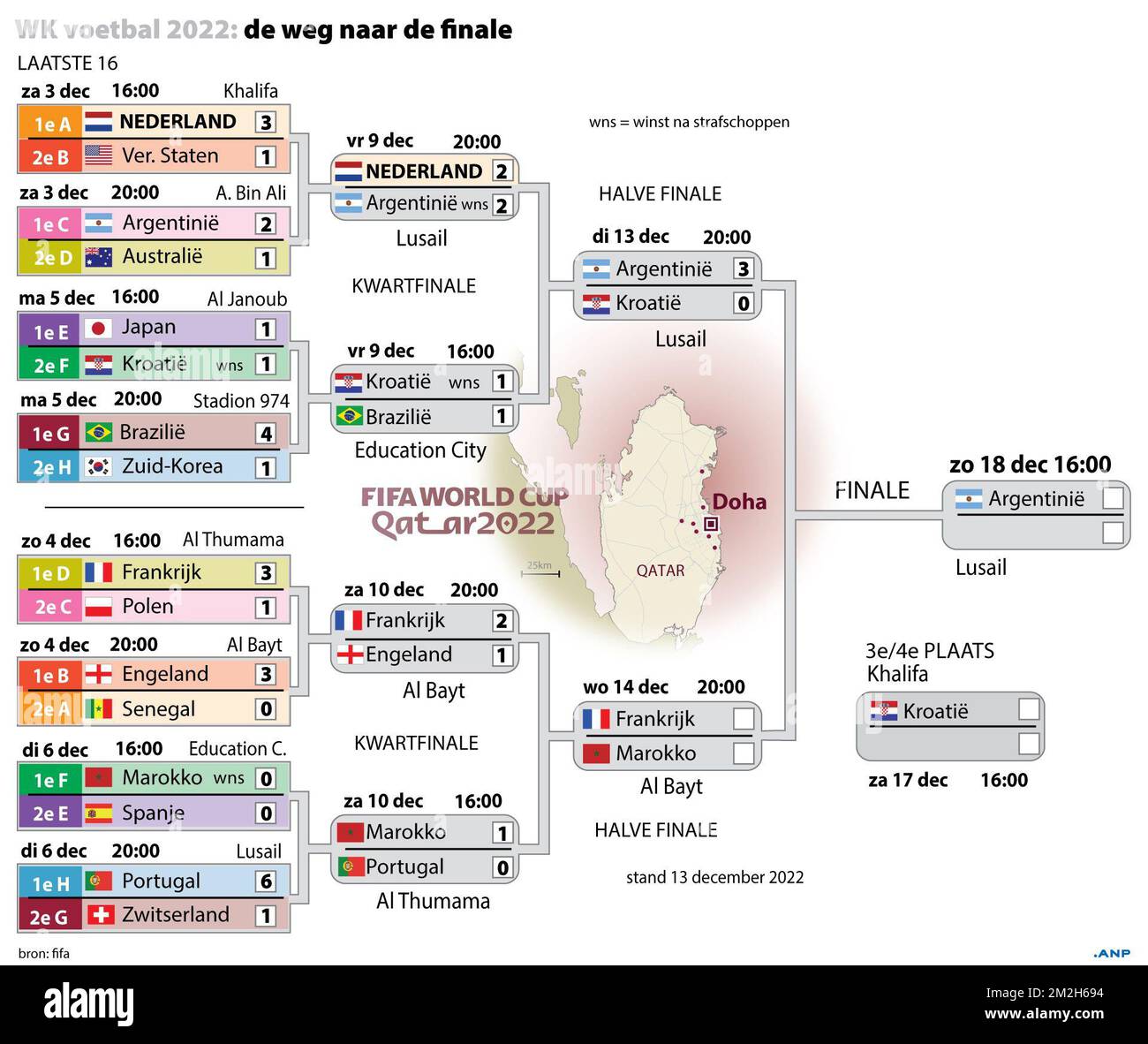
On the pitch, the 2022 host provided the backdrop for some of the most dramatic moments in football history. The tournament was characterized by significant upsets and the rise of underdog nations. Saudi Arabia’s victory over Argentina in the group stage and Morocco’s historic run to the semi-finals—the first African and Arab nation to reach that stage—highlighted the "home-field" advantage felt by regional teams.
The final at Lusail Stadium on December 18, which coincided with Qatar National Day, is widely regarded as one of the greatest football matches ever played. Argentina and France drew 3–3 after extra time, with Lionel Messi and Kylian Mbappé both delivering career-defining performances. Argentina eventually won 4–2 on penalties, securing Messi’s first World Cup trophy and cementing the 2022 tournament's place in sporting lore.
Key Performance Statistics from 2022:
- Total Goals Scored: 172 (a new World Cup record).
- Clean Sheets: Jordan Pickford (England) and Yassine Bounou (Morocco) were among the leaders.
- Attendance: Total attendance reached over 3.4 million across the 64 matches.
Frequently Asked Questions
Why was the 2022 World Cup held in the winter?
The tournament was held in November and December because Qatar’s summer temperatures (June/July) often exceed 45°C (113°F), which would have posed a severe health risk to players and fans. By moving the event to the winter, the average temperature dropped to a much more manageable 20°C to 25°C.
Which country won the 2022 FIFA World Cup?
Argentina won the 2022 FIFA World Cup by defeating France in a penalty shootout after a 3–3 draw in the final. This was Argentina’s third title and the first for captain Lionel Messi.
What is the legacy of the 2022 stadiums in 2026?
As of 2026, many of the stadiums have been repurposed. Stadium 974 was slated for complete dismantling to be reconstructed elsewhere, while Education City and Al Thumama have had their capacities reduced to serve local sports clubs and community initiatives. Khalifa International Stadium remains a central hub for Qatar's national sports teams and international athletics.
Was alcohol available for fans in Qatar?
Alcohol was available in Qatar but its sale was restricted. It could be purchased at the FIFA Fan Festival, licensed hotel bars, and specific restaurants. However, it was not sold at the stadium stands, a decision announced shortly before the tournament began.
How did the 2022 World Cup impact future bidding processes?
The 2022 tournament led FIFA to place a much higher emphasis on human rights, labor laws, and environmental sustainability in its bidding requirements. Future hosts must now provide more transparent guarantees regarding worker protections and long-term stadium utility.
Evaluating the Long-Term Impact of the 2022 Host
As we evaluate the impact of the 2022 host from the perspective of 2026, the tournament’s legacy is defined by a mix of architectural brilliance and social evolution. Qatar successfully proved that a small nation could host a global event of this magnitude through massive investment and technological innovation. The "compact" tournament model set a precedent for urban integration, while the mid-season timing challenged traditional footballing structures.
For those looking to understand the broader impact of global sporting events, the 2022 World Cup serves as a primary case study in sports diplomacy. It transformed Qatar’s international profile and accelerated domestic infrastructure projects that would have otherwise taken decades to complete. Whether analyzing the "soft power" benefits or the controversies that shadowed the event, the 2022 FIFA World Cup remains a transformative moment in the history of international competition.