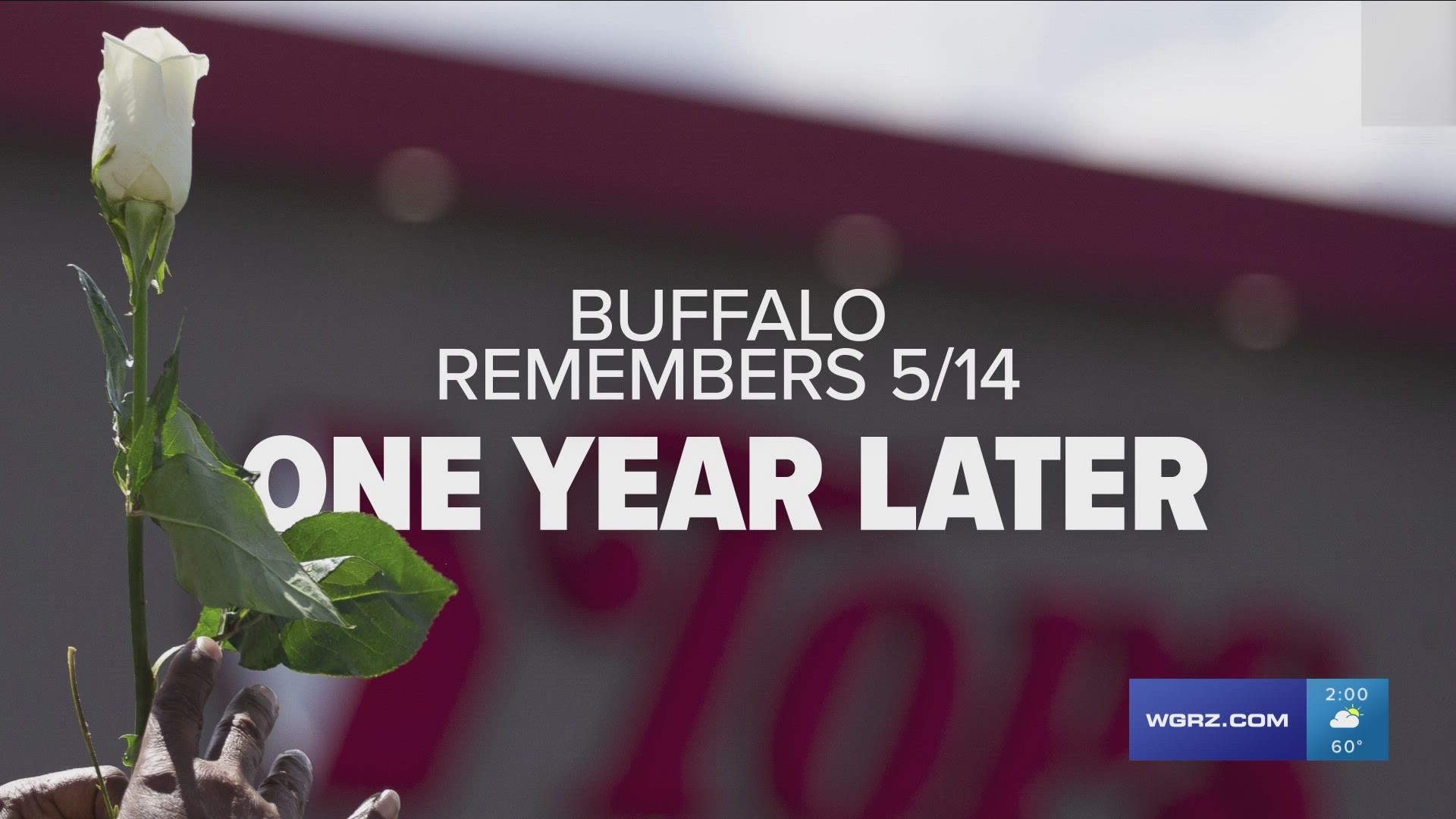
The 2022 Buffalo shooting victims, remembered for their deep community ties and personal legacies, were ten Black residents killed in a racially motivated attack at a Tops Friendly Market on May 14, 2022. Honoring those lost requires acknowledging their roles as parents, activists, and heroes who were targeted while performing the everyday task of grocery shopping in their own neighborhood.
On May 14, 2022, a white supremacist gunman targeted the East Side of Buffalo, specifically selecting the Tops Friendly Market on Jefferson Avenue because it served a predominantly Black community. While the legal proceedings against the perpetrator reached significant milestones by 2026—including a state sentence of life without parole and federal capital proceedings—the focus of the Buffalo community has remained steadfastly on the "Buffalo Ten." These individuals were not merely victims; they were the pillars of their families and the social fabric of the Jefferson Avenue corridor.
Profiles of the Ten Victims: A Legacy of Service and Love
To truly remember those lost, one must look beyond the tragedy and into the lives they led. Each of the ten victims represented a unique thread in the Buffalo tapestry, ranging from a dedicated security guard to a 77-year-old missionary.
Roberta A. Drury (32)
The youngest victim, Roberta "Robbie" Drury, had moved from Syracuse to Buffalo to help care for her brother, who was recovering from a bone marrow transplant. Known for her vibrant personality and willingness to help anyone in need, she was at the market to buy groceries for dinner. Her presence in Buffalo was a testament to her devotion to her family, and she is remembered as a bright light who prioritized the well-being of others above her own.
Margus D. Morrison (52)
A father of three, Margus Morrison was known as a "gentle giant" by his family and peers. He worked as a school bus aide, a role that allowed him to protect and care for the city’s children. On the day of the shooting, he was at Tops purchasing snacks for a weekly movie night with his family. His death left a void in the lives of his children and the local school community where he was a beloved figure.
Andre Mackniel (53)
Andre Mackniel was in the store to buy a surprise birthday cake for his three-year-old son. A resident of Auburn, New York, who was visiting Buffalo, Mackniel was a devoted father and grandfather. His family describes him as a man who lived for his children, making his loss particularly poignant given the celebratory nature of his errand that afternoon.
Aaron Salter Jr. (55)
Aaron Salter Jr. was the security guard on duty at Tops and a retired Buffalo Police Department officer. He is widely hailed as a hero who likely saved dozens of lives. When the gunman entered, Salter drew his weapon and engaged the assailant, who was wearing tactical body armor. Salter’s bravery forced the shooter to divert his attention, allowing others to flee or hide. A tinkerer and inventor in his spare time, Salter was a respected professional who spent his retirement continuing to protect his neighbors.
Geraldine Talley (62)
Geraldine Talley was an avid baker and a woman of deep faith. She was at the store with her fiancé when the attack began. Known for her "famous" cheesecakes and her infectious laughter, Talley was the heart of her extended family. Her relatives remember her as a woman who found joy in the simple acts of domestic life and community fellowship.
Celestine Chaney (65)
A survivor of both breast cancer and three brain aneurysms, Celestine Chaney was a woman of immense resilience. She was at the market with her sister to buy ingredients for a strawberry shortcake. A grandmother of six and great-grandmother of one, Chaney was known for her sense of humor and her devotion to her family. Her son, Wayne Jones, has since become a vocal advocate for community healing in the wake of the tragedy.
Heyward Patterson (67)
Known affectionately as "Deacon" or "Jit," Heyward Patterson was a pillar of the State Tabernacle Church of God in Christ. He was a regular fixture at the Tops market, where he frequently gave rides to people who did not have cars, ensuring his neighbors could get their groceries home safely. He was acting as a community "jitney" driver when he was killed, a final act of service that defined his life’s mission.
Katherine Massey (72)
Katherine "Kat" Massey was a prominent community activist and a frequent contributor to local newspapers like The Buffalo Challenger and The Buffalo Criterion. She was a member of the "We Are Women Warriors" group and had spent years writing about the need for gun control and community investment. Her death was a significant blow to the intellectual and activist circles of Buffalo's East Side.
Pearl Young (77)
Pearl Young was a substitute teacher and a dedicated missionary who ran a local food pantry for 25 years. She was a woman of immense energy who spent her Saturdays volunteering and her Sundays at church. Her commitment to feeding the hungry in her neighborhood made the location of her death—a grocery store—all the more tragic for the community she had served for decades.
Ruth Whitfield (86)
The oldest victim, Ruth Whitfield, was the mother of former Buffalo Fire Commissioner Garry Whitfield. She had just left a nursing home where she had spent the morning caring for her husband of 68 years. Whitfield was a woman of legendary grace and poise. Her son’s emotional testimony before Congress in the weeks following the shooting became a defining moment in the national conversation on white supremacy and racial violence.
Summary of the Buffalo Ten
| Name | Age | Primary Legacy & Community Role |
|---|---|---|
| Roberta Drury | 32 | Family caregiver and vibrant community spirit. |
| Margus Morrison | 52 | School bus aide and devoted father of three. |
| Andre Mackniel | 53 | Father and grandfather; died on his son's birthday. |
| Aaron Salter Jr. | 55 | Retired police officer and heroic security guard. |
| Geraldine Talley | 62 | Beloved family baker and person of deep faith. |
| Celestine Chaney | 65 | Cancer survivor and devoted grandmother. |
| Heyward Patterson | 67 | Church deacon and community volunteer driver. |
| Katherine Massey | 72 | Community activist and prolific neighborhood writer. |
| Pearl Young | 77 | Long-time food pantry coordinator and teacher. |
| Ruth Whitfield | 86 | Matriarch and primary caregiver for her husband. |
The Heroism of Aaron Salter Jr. and First Responders
When discussing the 2022 Buffalo shooting victims, the actions of Aaron Salter Jr. occupy a special place in the narrative of that day. Salter did not simply happen to be there; he stood his ground as a professional protector. As a 30-year veteran of the Buffalo Police Department, he understood the risks of engaging an active shooter.
Eyewitness accounts confirmed that Salter fired multiple rounds at the gunman, striking him. However, the shooter’s enhanced tactical gear and body armor rendered Salter's sidearm ineffective. Salter’s willingness to exchange fire provided the critical seconds needed for shoppers to retreat to the back of the store and into the cold storage lockers. His sacrifice is immortalized by the Buffalo Police Department and the city, which posthumously awarded him the Medal of Honor.
Furthermore, the response from the Buffalo Police and fire departments was immediate. Officers entered the building within minutes of the first 911 calls. The coordination between the City of Buffalo and state authorities ensured that the perpetrator was apprehended alive, which many community members viewed as essential for the pursuit of justice and the unearthing of the radicalization that led to the attack.
Sociological Impact and the Concept of Food Apartheid
The targeting of the Tops Friendly Market was a calculated move by the perpetrator to inflict maximum damage on a Black community. This specific location was significant because the Jefferson Avenue corridor had long struggled with "food apartheid"—a term used by activists like Katherine Massey to describe the systemic lack of access to fresh, healthy food in Black neighborhoods.
For years, the East Side was a food desert until the community fought for the opening of the Tops market in 2003. When the store closed for several months following the shooting for renovations and out of respect for the victims, the neighborhood was once again plunged into a food crisis. The reopening of the store in July 2022 was met with mixed emotions; while it was a necessary resource, it remained a site of profound trauma. As of 2026, the store includes a memorial and has been redesigned to feel more like a community space, though the psychological scars remain a part of the daily shopping experience.
Legislative and Social Responses Since 2022
The deaths of the Buffalo Ten catalyzed significant legislative action at both the state and federal levels. In the immediate aftermath, New York State passed a landmark package of gun safety laws. These included:
- Strengthening Red Flag Laws: Making it easier for healthcare professionals and law enforcement to petition for the removal of firearms from individuals deemed a danger to themselves or others.
- Semi-Automatic Rifle Age Requirements: Raising the age to purchase a semi-automatic rifle from 18 to 21.
- Body Armor Bans: Restricting the sale of certain types of bulletproof vests to civilians (the type used by the Buffalo shooter).
Nationally, the shooting led to the passage of the Bipartisan Safer Communities Act, the most significant federal gun legislation in nearly thirty years. This act provided funding for mental health services and community violence intervention programs, many of which have been implemented in Buffalo’s 14208 zip code.
Memorials and Permanent Tributes
By 2026, the physical landscape of Buffalo has been permanently altered to honor the victims. The May 14th Memorial Commission, appointed by the Mayor and Governor, oversaw the creation of a permanent memorial near the Tops site.
The chosen design, "Seeing Us," features ten interconnected pillars that symbolize the individual lives of the victims while emphasizing the strength of the community. Each pillar is inscribed with a biography of a victim, ensuring that future generations do not just see a list of names, but understand the people behind them.
In addition to the physical memorial, the 5/14 Survivor Fund and various scholarships named after the victims—such as the Pearl Young Missionary Scholarship—continue to support the education and welfare of East Side residents. These initiatives ensure that the legacy of the Buffalo Ten is one of continued growth and empowerment rather than just sorrow.
Frequently Asked Questions
Who were the 10 victims of the Buffalo shooting?
The ten victims were Roberta Drury, Margus Morrison, Andre Mackniel, Aaron Salter Jr., Geraldine Talley, Celestine Chaney, Heyward Patterson, Katherine Massey, Pearl Young, and Ruth Whitfield. They ranged in age from 32 to 86 and were all Black residents or visitors of the Buffalo community. Each was a victim of a targeted, racially motivated attack while at the Tops Friendly Market on Jefferson Avenue.
Has a permanent memorial been built for the Buffalo victims?
Yes, as of 2026, a permanent memorial has been established through the work of the May 14th Memorial Commission. The memorial is located in the vicinity of the Jefferson Avenue Tops market and serves as a place for reflection, education, and community gathering. It focuses on the individual stories of the ten victims and the resilience of the East Side Buffalo community.
What happened to the shooter in the 2022 Buffalo case?
Payton Gendron, the shooter, pleaded guilty to state charges including domestic terrorism motivated by hate and ten counts of first-degree murder. In February 2023, he was sentenced to life in prison without the possibility of parole. On the federal level, he faced dozens of hate crime and firearms charges. By early 2026, these legal proceedings had largely concluded, reinforcing the message that racially motivated violence is met with the highest level of judicial scrutiny.
How did the Buffalo community respond to the tragedy?
The response was characterized by a mixture of grief, activism, and mutual aid. Organizations like the Buffalo 5/14 Survivor Fund were established to provide direct financial support to the families. The community also pushed for broader social changes, addressing the underlying issues of food insecurity and systemic racism that made the neighborhood a target.
Supporting the Ongoing Healing in Buffalo
For those looking to honor the memory of the 2022 Buffalo shooting victims today, the most effective action is to support the organizations and initiatives they cared about during their lives. This includes donating to local food pantries like the ones Pearl Young operated, supporting gun violence prevention advocacy in the spirit of Katherine Massey, or contributing to the Buffalo 5/14 Memorial Commission's ongoing educational programs. Remembering those lost is not a static act; it is a commitment to the continued vitality and safety of the community they called home.