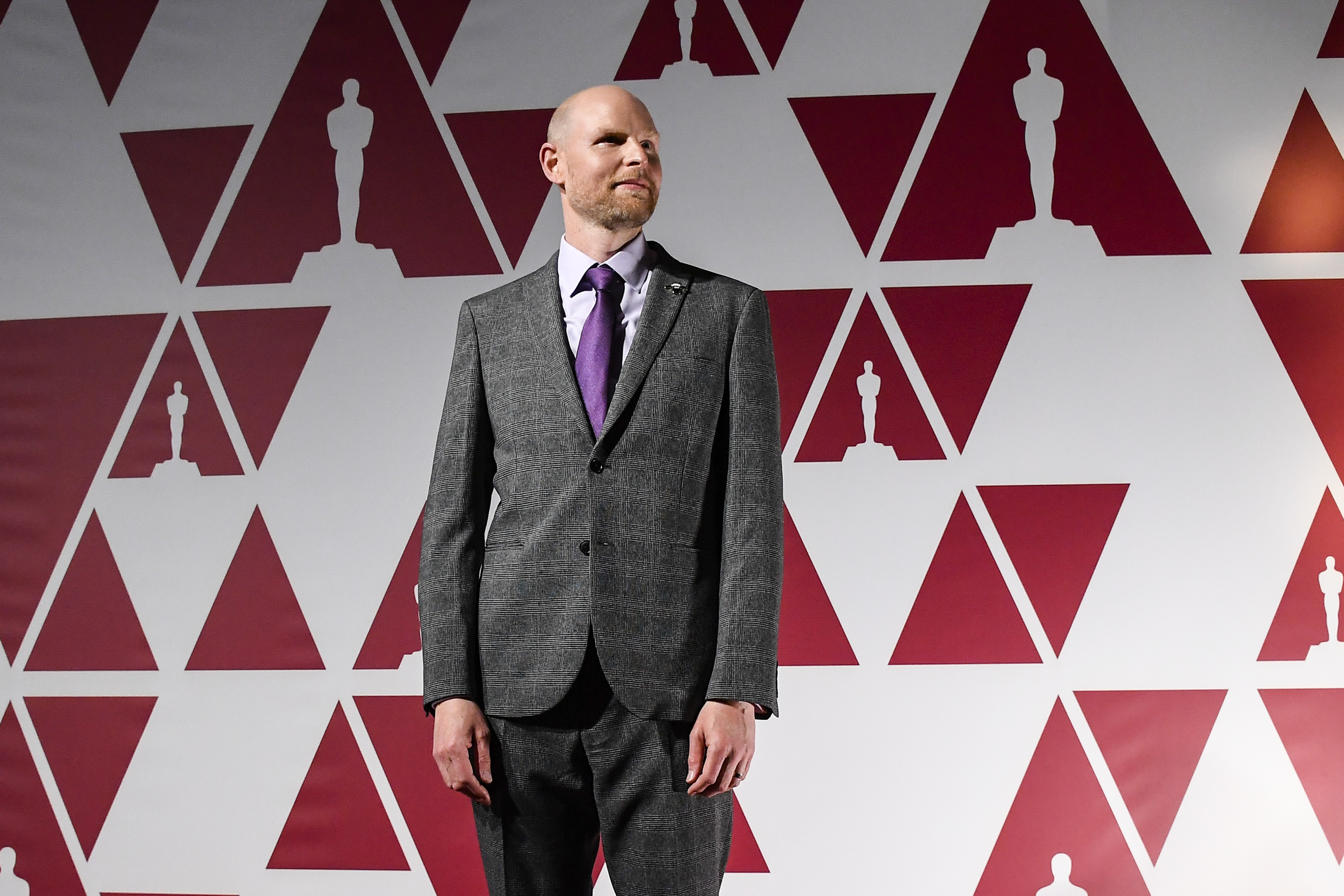
The 2021 Oscars, officially known as the 93rd Academy Awards, took place on April 25, 2021, at Union Station and the Dolby Theatre in Los Angeles. Nomadland was the evening's biggest winner, securing Best Picture, while Chloé Zhao made history as the first woman of color to win Best Director. The ceremony was uniquely defined by its pandemic-era "cinematic" staging and the unexpected Best Actor win for Anthony Hopkins.
The Historic Context of the 93rd Academy Awards
The 2021 Oscars were unlike any ceremony that preceded them. Typically held in late February or early March, the 93rd Academy Awards were delayed by two months due to the global COVID-19 pandemic. This shift was more than a scheduling change; it necessitated a complete overhaul of eligibility rules and production logistics. For the first time, the Academy of Motion Picture Arts and Sciences (AMPAS) allowed films that premiered on streaming services without a theatrical run to qualify, provided they had a planned theatrical release.
The production itself, helmed by director Steven Soderbergh, Jesse Collins, and Stacey Sher, sought to treat the broadcast like a feature film. Shot at 24 frames per second with a widescreen aspect ratio, the ceremony moved away from the traditional stage-and-podium setup. Instead, the primary venue was Los Angeles’ Union Station, which allowed for a socially distanced, "supper club" atmosphere. This intimate setting was designed to provide a safer environment for nominees while maintaining the prestige of the event.
Looking back from 2026, the 2021 ceremony is often cited as the peak of the "experimental" Oscar era. It abandoned the traditional host format—continuing a trend that started in 2019—and prioritized long-form storytelling about the nominees' lives over comedic monologues. While some praised the intimacy, others criticized the lack of musical performances during the main telecast, as the Best Original Song performances were relegated to a pre-show special.
Major Winners and Career Milestones
The 2021 Oscars were a night of significant historical "firsts" and surprising upsets that are still discussed in film circles today. The distribution of awards across various films suggested a year where the Academy favored intimate, character-driven narratives over traditional blockbusters.
Nomadland’s Dominance
Searchlight Pictures' Nomadland entered the night as the heavy favorite and lived up to the expectations. Chloé Zhao became only the second woman ever to win Best Director (following Kathryn Bigelow in 2010) and the first woman of color to achieve the feat. The film also earned Frances McDormand her third Academy Award for Best Actress, placing her in an elite tier of performers with three or more acting Oscars, alongside legends like Meryl Streep and Daniel Day-Lewis.
The Best Actor Upset
Perhaps the most discussed moment of the night was the final award. In a break from tradition, the ceremony ended with the Best Actor category rather than Best Picture. Many industry insiders and fans expected the late Chadwick Boseman to win posthumously for Ma Rainey's Black Bottom. However, the Oscar went to Anthony Hopkins for his harrowing portrayal of a man living with dementia in The Father. Since Hopkins was in Wales and did not attend via Zoom, the ceremony ended abruptly with a brief statement from presenter Joaquin Phoenix, leading to significant social media backlash and critique of the telecast's pacing.
Supporting Role Triumphs
Daniel Kaluuya won Best Supporting Actor for his powerful portrayal of Fred Hampton in Judas and the Black Messiah. His win was widely celebrated, though his candid acceptance speech—specifically a comment regarding his parents—became a viral moment of its own. Meanwhile, Yuh-jung Youn won Best Supporting Actress for Minari, becoming the first Korean actor to win an Oscar. Her charming interaction with presenter Brad Pitt and her humble speech were highlights of the evening.
Technical Achievements and Craft Winners
Beyond the "Big Five" categories, the 2021 Oscars highlighted technical innovations that elevated the cinematic experience during a year when many viewers were confined to their homes.
- Sound of Metal: This film was a masterclass in sound design. By winning Best Sound and Best Film Editing, it was recognized for its innovative use of auditory perspective to simulate the experience of hearing loss. The technical team worked meticulously to ensure the audience felt the protagonist's transition into a world of silence and distorted vibration.
- Mank: Despite having the most nominations (ten) going into the night, David Fincher’s Mank took home only two awards: Best Cinematography and Best Production Design. The film was a visual love letter to "Old Hollywood," painstakingly recreating the 1930s aesthetic through high-contrast black-and-white photography.
- Soul: Pixar’s Soul continued the studio's dominance in the Best Animated Feature category. It was praised for its philosophical depth and its representation of African American culture, also winning Best Original Score for the collaborative work of Trent Reznor, Atticus Ross, and Jon Batiste.
Summary of Major 93rd Academy Award Winners
The following table summarizes the winners in the primary categories at the 2021 Oscars.
| Category | Winner | Film |
|---|---|---|
| Best Picture | Mollye Asher, Dan Janvey, Frances McDormand, Peter Spears, Chloé Zhao | Nomadland |
| Best Director | Chloé Zhao | Nomadland |
| Best Actor | Anthony Hopkins | The Father |
| Best Actress | Frances McDormand | Nomadland |
| Best Supporting Actor | Daniel Kaluuya | Judas and the Black Messiah |
| Best Supporting Actress | Yuh-jung Youn | Minari |
| Best Adapted Screenplay | Christopher Hampton and Florian Zeller | The Father |
| Best Original Screenplay | Emerald Fennell | Promising Young Woman |
| Best Animated Feature | Pete Docter and Dana Murray | Soul |
| Best International Feature | Thomas Vinterberg | Another Round (Denmark) |
Cultural Impact and Diversity Milestones
The 2021 Oscars are frequently cited by historians and film critics as a turning point for representation within the Academy. Following the "OscarsSoWhite" movements of previous years, the 2021 slate of nominees was the most diverse in the history of the awards. Nine of the twenty acting nominees were people of color, and the directing category featured two women (Zhao and Emerald Fennell) for the first time in a single year.
This diversity extended to the stories being told. Minari explored the Korean-American immigrant experience, Judas and the Black Messiah delved into the history of the Black Panther Party, and Sound of Metal centered on the deaf community, featuring several deaf actors and incorporating American Sign Language (ASL) into the telecast. The Academy's efforts to diversify its voting membership appeared to be manifesting in the winners' circle.
Furthermore, the win for Another Round in the Best International Feature category brought renewed attention to Danish cinema. Director Thomas Vinterberg’s emotional acceptance speech, in which he dedicated the award to his late daughter, was one of the most poignant moments of the night, highlighting the personal stakes involved in the year's productions.
Critical Reception and Industry Challenges
While the 2021 Oscars were a technical achievement in terms of pandemic safety, the telecast faced significant challenges regarding viewership. Like many live events in 2021, the Oscars saw a substantial drop in television ratings. According to Nielsen data reported by Variety, the broadcast reached a record low of approximately 10.4 million viewers.
Critics were divided on the "No Host" and "No Music" format. Some felt the ceremony lacked the energy and "sparkle" associated with Hollywood’s biggest night. The decision to move the Best Picture announcement before the Lead Actor and Actress categories was also heavily criticized, as it resulted in an anti-climactic ending when the winner (Hopkins) was not present to accept. However, the Academy of Motion Picture Arts and Sciences defended the choices as necessary adaptations to an unprecedented global crisis.
From the vantage point of 2026, we can see that these challenges prompted the Academy to return to more traditional elements in subsequent years, such as bringing back hosts and emphasizing the spectacle of the Dolby Theatre. However, the 2021 Oscars remain a fascinating "time capsule" of a period when the film industry was forced to redefine itself.
FAQ
What film won Best Picture at the 2021 Oscars?
Nomadland won the Academy Award for Best Picture. Directed by Chloé Zhao and starring Frances McDormand, the film follows a woman who leaves her home to travel around the American West as a van-dwelling nomad after losing everything in the Great Recession. It was widely praised for its documentary-style realism and its use of non-professional actors playing versions of themselves.
Why were the 2021 Oscars held at Union Station?
The ceremony was primarily held at Union Station in Los Angeles to accommodate COVID-19 safety protocols. The station's spacious architecture allowed for a "breathable" layout where nominees could sit at socially distanced tables without masks while on camera. The Dolby Theatre was still used for some technical segments and musical performances, but the main awards were presented at the station.
Who was the oldest person to win an acting Oscar in 2021?
Anthony Hopkins became the oldest person to win a competitive acting Oscar at age 83. He won Best Actor for his role in The Father. He surpassed the previous record held by Christopher Plummer, who won Best Supporting Actor at age 82 for the film Beginners.
How many Oscars did Chloé Zhao win in 2021?
Chloé Zhao won two Oscars personally for Nomadland: Best Director and Best Picture (as a producer). While she was also nominated for Best Adapted Screenplay and Best Film Editing, those awards went to The Father and Sound of Metal, respectively.
Where can I watch the 2021 Oscar-winning films now?
As of 2026, most of the 2021 winners are available on major streaming platforms. Nomadland is typically found on Hulu or Disney+, Soul is on Disney+, and Sound of Metal remains a staple on Amazon Prime Video. Many of these films are also available for digital purchase or rental through platforms like Apple TV and Google Play.
Exploring the Legacy of the 93rd Academy Awards
For those interested in the history of cinema, the 2021 Oscars serve as a vital case study in how art adapts to crisis. To fully appreciate the impact of these films, viewers should look beyond the awards themselves and explore the "making-of" documentaries and director commentaries available for titles like Nomadland and The Father. These resources provide insight into the grueling production conditions of 2020 and 2021.
If you are a student of film or a casual fan, a recommended next step is to curate a "93rd Academy Awards Marathon." Watching Nomadland, Minari, and Promising Young Woman back-to-back provides a comprehensive look at the diverse storytelling styles that defined this era. Understanding the 2021 Oscars is essential for understanding the broader shift in Hollywood toward streaming-first releases and the ongoing evolution of the Academy’s identity in the 21st century.