The 2021 NCAA Men’s Basketball Tournament concluded with the Baylor Bears winning their first national championship by defeating the previously unbeaten Gonzaga Bulldogs 86–70. Played entirely within the state of Indiana to mitigate COVID-19 risks, the tournament marked the return of "March Madness" following the unprecedented cancellation of the 2020 event.
The Return of March Madness: A Historical Context
The 2021 NCAA Men’s Basketball season was defined by its resilience and the shadow of the COVID-19 pandemic. After the 2020 tournament was canceled—the first time since the event's inception in 1939—the 2021 iteration was more than just a sporting event; it was a symbol of a return to normalcy for collegiate athletics. As we look back from 2026, the 2021 tournament remains a pivotal moment in sports history, representing the first time the entire event was centralized in a single geographic region to ensure player safety.
The NCAA made the strategic decision to host all 67 games in Indiana, primarily in Indianapolis. This "controlled environment" (often referred to as the "Indiana Bubble") was a logistical marvel. Teams were housed in local hotels with strict movement protocols, and games were played across several venues, including Lucas Oil Stadium, Bankers Life Fieldhouse, Hinkle Fieldhouse, Indiana Farmers Coliseum, Mackey Arena (West Lafayette), and Assembly Hall (Bloomington). This centralization allowed the NCAA to manage testing, contact tracing, and quarantine procedures more effectively than the traditional multi-city regional format.
Culturally, the tournament was the first major national collegiate championship to return at full scale after the initial pandemic lockdowns. While attendance was limited to 25% capacity, the energy surrounding the games was palpable. Fans, starved for the drama of the bracket, embraced the unique circumstances, making the 2021 tournament one of the most-watched and discussed events in recent college basketball history.
The Indiana Bubble: Logistics and Health Protocols
The success of the 2021 NCAA Men’s Basketball Tournament relied heavily on a comprehensive health and safety framework. The NCAA Medical Advisory Group established rigorous standards that every participating school had to meet before traveling to Indianapolis. Teams were required to document seven consecutive days of negative COVID-19 tests before arrival. Once in the bubble, daily testing became the norm for players, coaches, and essential staff.
One of the most significant impacts of these protocols occurred early in the tournament. The first-round game between VCU and Oregon was declared a "no-contest" because of positive tests within the VCU program. This highlighted the precarious nature of the event and the strict adherence to safety guidelines. Despite this setback, the tournament proceeded with remarkably few interruptions.
The logistics extended to the physical environment of the players. Teams were assigned specific floors in hotels, and "safe zones" were created for meals and meetings. Transportation was handled via dedicated shuttle buses that were sanitized between trips. For the athletes, the experience was vastly different from a typical NCAA tournament; there were no large-scale fan interactions or traditional "Selection Sunday" travel scrambles. Instead, the focus was entirely on the game and the immediate safety of the participants.
Path to the Title: The Dominance of Baylor and Gonzaga
The 2021 season was characterized by a collision course between two powerhouse programs: the Gonzaga Bulldogs and the Baylor Bears. For much of the year, these two teams were ranked No. 1 and No. 2 in the country, and their eventual meeting in the championship game felt like a statistical inevitability.
The Gonzaga Pursuit of Perfection
Led by head coach Mark Few, Gonzaga entered the tournament with an unblemished 26–0 record. They were attempting to become the first team since the 1976 Indiana Hoosiers to complete a season as undefeated national champions. The Bulldogs boasted an elite offense featuring Corey Kispert, Drew Timme, and freshman sensation Jalen Suggs. Their path to the Final Four was dominant, as they won their first four games by an average of 24 points. Their overtime victory against UCLA in the Final Four—sealed by a near-half-court buzzer-beater by Jalen Suggs—is considered one of the greatest games in NCAA history.
Baylor’s Defensive Masterclass
Baylor, coached by Scott Drew, presented a different kind of dominance. Known for their "No Middle" defense and elite guard play, the Bears were a physical and relentless unit. After a brief mid-season pause due to COVID-19 issues, Baylor regained their form just in time for the tournament. Their backcourt, featuring Jared Butler, Davion Mitchell, and MaCio Teague, was widely regarded as the best in the nation. Baylor’s path to the title game involved suffocating defensive performances against teams like Villanova and Arkansas, and a blowout win over Houston in the Final Four.
Cinderellas and Upsets: The 2021 Bracket Chaos
While the top seeds ultimately dominated the Final Four, the early rounds of the 2021 tournament provided the classic "Madness" that defines the event. The most notable underdog story was the Oral Roberts Golden Eagles. As a 15-seed, Oral Roberts stunned the world by defeating 2-seed Ohio State in the first round and 7-seed Florida in the second round. They became only the second 15-seed in history to reach the Sweet 16, led by the nation’s leading scorer, Max Abmas, and forward Kevin Obanor.
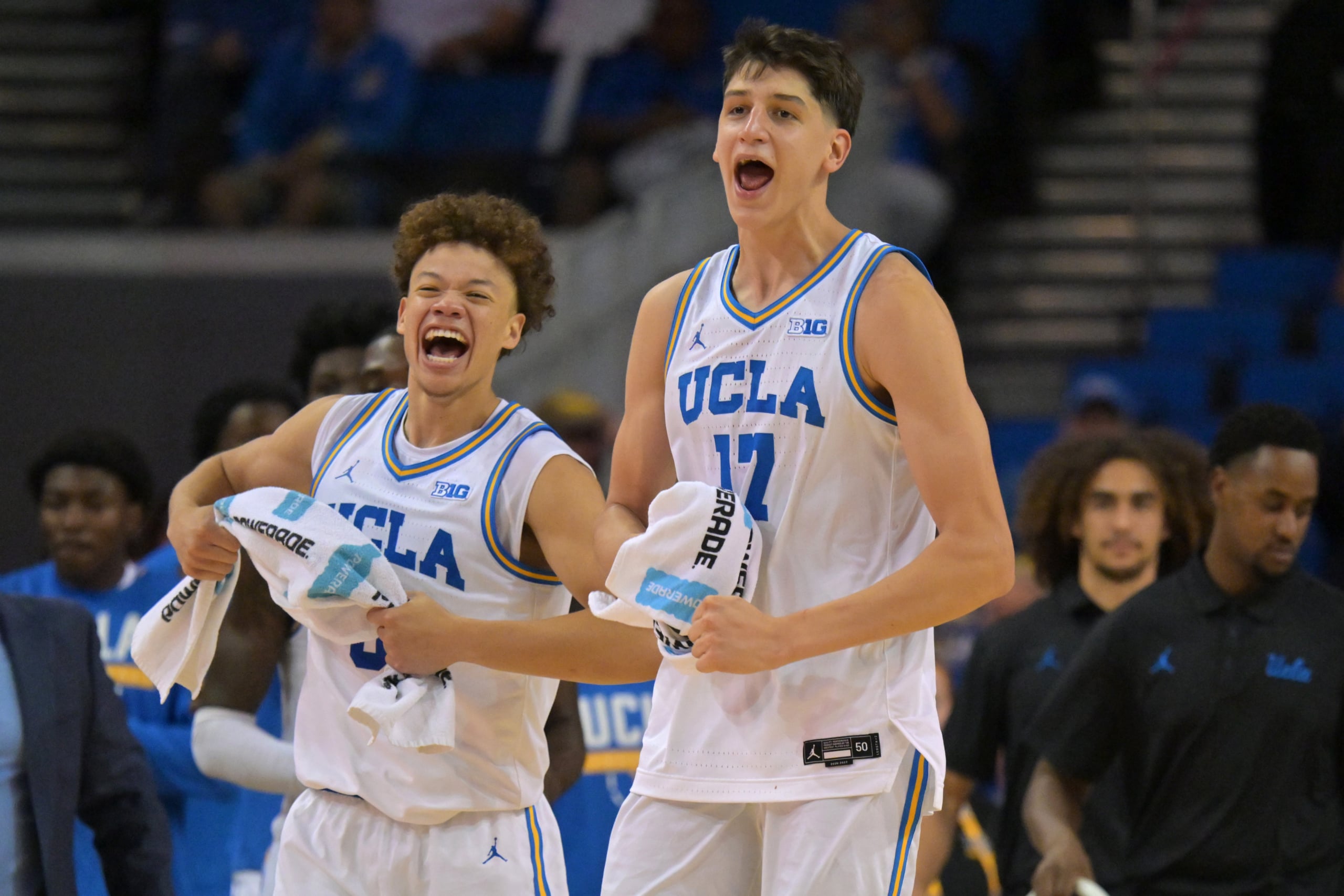
Another historic run was made by the UCLA Bruins. Entering the tournament as an 11-seed and playing in the "First Four" play-in game, UCLA embarked on an incredible journey. Under coach Mick Cronin and fueled by the scoring of Johnny Juzang, the Bruins defeated Michigan State, BYU, Abilene Christian, Alabama, and Michigan to reach the Final Four. Their run from the First Four to the Final Four matched the record set by VCU in 2011.
The 2021 tournament also saw a record-breaking number of upsets in the first round based on seed disparity. This volatility was attributed by some analysts to the lack of home-court advantages and the unique atmosphere of the centralized Indiana venues, which neutralized some of the traditional pressures of the tournament.
The National Championship Game Analysis
On April 5, 2021, Baylor and Gonzaga met at Lucas Oil Stadium to decide the title. While many expected a back-and-forth battle, Baylor asserted dominance from the opening tip. The Bears started the game on an 11–1 run, using their physical perimeter defense to disrupt Gonzaga’s rhythmic offensive flow.
Baylor’s offensive rebounding was a critical factor; they secured 15 offensive boards, which led to numerous second-chance points and prevented Gonzaga from starting their signature fast breaks. Jared Butler was the standout performer, scoring 22 points and earning the Final Four Most Outstanding Player award. The Bears' defense held Gonzaga to just 20% shooting from three-point range.
The final score of 86–70 did not just represent a single victory; it was a validation of Scott Drew’s 18-year rebuilding project at Baylor. Having taken over a program in 2003 that was decimated by scandal and tragedy, Drew’s journey to the 2021 national title is often cited as one of the greatest coaching achievements in college sports history.
Tournament Statistics and Final Four Comparison
The following table summarizes the performance and key metrics of the four teams that reached the 2021 Final Four in Indianapolis.
| School | Seed | Final Record | Leading Scorer (Tournament) | Key Tournament Achievement |
|---|---|---|---|---|
| Baylor | 1 | 28–2 | Jared Butler | First National Championship in program history. |
| Gonzaga | 1 | 31–1 | Drew Timme | Reached second National Title game since 2017. |
| Houston | 2 | 28–4 | Quentin Grimes | First Final Four appearance since "Phi Slama Jama" (1984). |
| UCLA | 11 | 22–10 | Johnny Juzang | Second 11-seed to ever reach the Final Four from the First Four. |
Notable Players and Future Impact
The 2021 tournament served as a major scouting platform for the NBA. Many of the tournament's stars transitioned to successful professional careers, reflecting the high talent level present in the "Indiana Bubble."
- Cade Cunningham (Oklahoma State): Although his team was eliminated in the second round, the freshman phenom's performance solidified his status as the No. 1 overall pick in the 2021 NBA Draft.
- Jalen Suggs (Gonzaga): His "Shot Heard 'Round the World" against UCLA and his overall playmaking ability made him a top-5 NBA selection.
- Davion Mitchell (Baylor): Known as "Off Night" for his lockdown defense, Mitchell’s stock skyrocketed during the tournament, leading to him being a lottery pick.
- Evan Mobley (USC): Mobley led the Trojans to the Elite Eight, showcasing a modern skill set for a big man that made him a cornerstone for the Cleveland Cavaliers.
Beyond individual players, the 2021 tournament was the last "pre-NIL" (Name, Image, and Likeness) championship. Shortly after the tournament, the landscape of college sports changed forever as players gained the ability to earn money from their personal brands. This makes the 2021 season a significant bookend to the traditional amateur era of college basketball.
Frequently Asked Questions
Who won the 2021 NCAA Men's Basketball Tournament?
The Baylor Bears won the championship. They defeated the Gonzaga Bulldogs with a final score of 86–70 in the title game held on April 5, 2021, at Lucas Oil Stadium in Indianapolis.
Why was the entire 2021 tournament held in Indiana?
The NCAA centralized the tournament in Indiana to create a "controlled environment" to manage the COVID-19 pandemic. By limiting travel and keeping all 68 teams in one metropolitan area, the NCAA could implement consistent testing and quarantine protocols.
Which team was the "Cinderella" of the 2021 tournament?
The Oral Roberts Golden Eagles were the primary Cinderella story. As a 15-seed, they reached the Sweet 16 by defeating 2-seed Ohio State and 7-seed Florida, becoming only the second 15-seed to ever advance that far in the tournament.
What happened to the VCU vs. Oregon game?
The game was declared a "no-contest" because multiple members of the VCU team tested positive for COVID-19. Under the protocols of the time, VCU could not field a team, and Oregon was automatically advanced to the second round.
Who was the Most Outstanding Player (MOP) of the 2021 Final Four?
Jared Butler of Baylor was named the Most Outstanding Player. He scored 22 points and recorded seven assists in the championship game, capping off an All-American season.
How many fans were allowed to attend the 2021 tournament?
Attendance was restricted to approximately 25% of the capacity of each venue. This included players’ families, staff, and a limited number of general public fans, all of whom were required to wear masks and follow social distancing guidelines.
Assessing the 2021 Tournament's Place in History
The 2021 NCAA Men's Basketball Tournament is remembered as a triumph of logistics and a celebration of the sport's endurance. For fans and researchers looking back from 2026, it stands as a testament to the ability of collegiate athletics to adapt under extreme pressure. Baylor's victory broke the long-standing dominance of traditional blue-bloods and signaled the rise of the Big 12 as a premier basketball conference.
To understand the current state of college basketball, one must study the 2021 season. It was the catalyst for discussions regarding player health, the efficiency of centralized tournaments, and the eventual transition into the NIL era. For those wishing to explore the tactical side of the game, reviewing Baylor's defensive schemes from this tournament remains a standard for coaching clinics worldwide. The 2021 tournament did not just crown a champion; it preserved the tradition of March Madness during one of the most challenging periods in modern history.