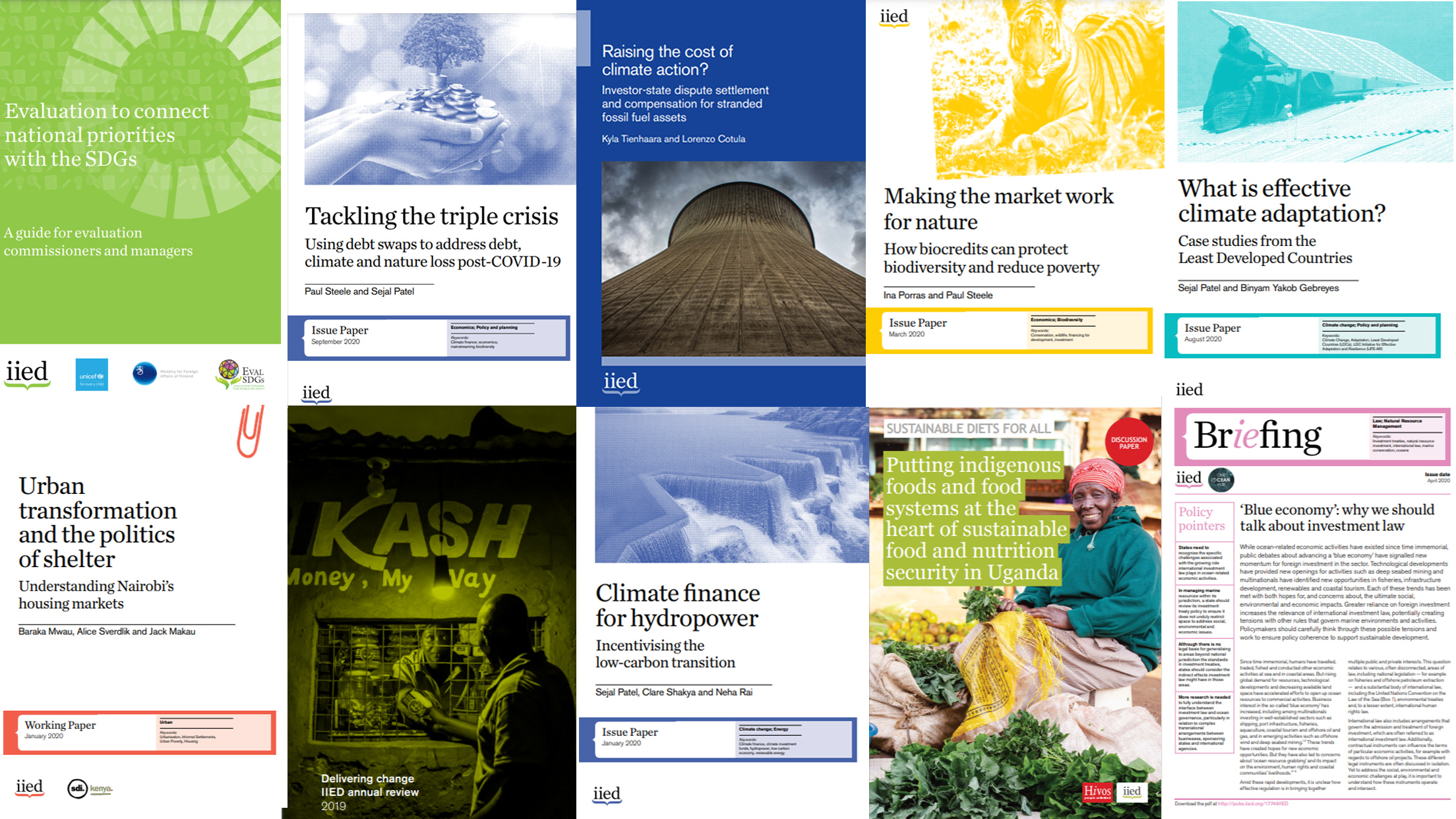
In 2020, the publishing landscape underwent a radical transformation driven by the COVID-19 pandemic and global social justice movements. Scientific publishing saw a record-breaking surge in open-access medical research, while the literary world pivoted to digital formats and virtual engagement, fundamentally altering how information is peer-reviewed, distributed, and consumed globally.
The Scientific Surge: Medical Research and the Pandemic
The defining characteristic of 2020 publications was the unprecedented volume and velocity of scientific output related to SARS-CoV-2. Researchers worldwide dropped existing projects to focus on the pandemic, resulting in over 100,000 COVID-19-related papers published within the single calendar year. This surge tested the traditional boundaries of peer review and editorial oversight.
Major journals such as The New England Journal of Medicine (NEJM), The Lancet, and JAMA implemented "fast-track" review processes. While this allowed critical data on vaccine efficacy and viral transmission to reach the public in record time, it also highlighted the risks of accelerated publishing. Retractions of high-profile studies—most notably those concerning hydroxychloroquine—served as a stark reminder that speed must not sacrifice rigor. From our vantage point in 2026, we see these events as the catalyst for the more robust automated screening tools now used by major publishers to detect data inconsistencies.
Beyond COVID-19, other scientific fields maintained significant output, though often overshadowed. Climate change research continued to evolve, with publications focusing on the "temporary cooling" effect of global lockdowns. The integration of artificial intelligence in drug discovery also saw a spike in literature, laying the groundwork for the AI-driven medical breakthroughs of the mid-2020s.
The Preprint Revolution and Open Access Acceleration
Perhaps the most significant structural change in 2020 was the mainstreaming of preprints. Prior to the pandemic, preprints (manuscripts shared before formal peer review) were largely the domain of physicists and mathematicians. In 2020, platforms like medRxiv and bioRxiv became central hubs for the global medical community.
This shift addressed the urgent need for real-time data sharing. However, it created a dual-edged sword: the public and news media often struggled to distinguish between peer-reviewed "truth" and preliminary preprint findings. This led to a significant discussion regarding scientific literacy and the responsibility of journals to label unverified research clearly.
Furthermore, 2020 was the year the "Open Access" (OA) movement gained irreversible momentum. Facing a global crisis, many major publishers (including Elsevier, Springer Nature, and Wiley) temporarily removed paywalls for pandemic-related research. This "freeing" of information proved that the traditional subscription model could be bypassed during emergencies, fueling the push for the permanent OA mandates we see across the EU and North America today in 2026.
The Literary Market: Bestsellers and The Digital Pivot
While scientific publishing was defined by urgency, the consumer book market was defined by adaptation and deep reflection. The closure of physical bookstores during lockdowns initially sparked fears of a retail collapse. Instead, the industry saw a surprising resilience as readers turned to books for education, escapism, and solace.
Political and Social Discourse The year 2020 saw a historic spike in non-fiction publications focused on systemic racism and social justice, triggered by the global protests following the death of George Floyd. Titles like Caste by Isabel Wilkerson and How to Be an Antiracist by Ibram X. Kendi dominated bestseller lists for months. Simultaneously, the U.S. presidential election year fueled a massive market for political memoirs and investigative journalism, culminating in the late-year release of Barack Obama’s A Promised Land, which sold millions of copies in its first week.
The Rise of Audio and E-books With distribution chains disrupted and physical stores shuttered, the transition to digital formats accelerated by an estimated five years in just twelve months. E-book sales surged, and the audiobook market continued its double-digit growth. This period also saw the birth of "BookTok," a sub-community of TikTok that began influencing bestseller lists more effectively than traditional newspaper reviews—a trend that remains a dominant force in 2026 marketing strategies.
Industry Economics and the Supply Chain Crisis
The 2020 publications overview is incomplete without addressing the economic and logistical hurdles that reshaped the industry's "back end." The pandemic exposed the fragility of global supply chains, specifically regarding paper production and shipping logistics.
Many publishers were forced to delay major releases due to "paper shortages" and printing plant closures. This led to a strategic consolidation of titles, where publishers focused their limited resources on "sure bets" and high-profile authors, making it increasingly difficult for debut novelists to break through.
| Category | 2020 Growth/Impact Trend | Primary Driver |
|---|---|---|
| Medical Journals | +200% Submission Volume | COVID-19 Research Urgency |
| Preprint Servers | Record High Traffic | Demand for Real-time Data |
| E-books/Audio | ~15-20% Revenue Increase | Lockdown-driven Digital Consumption |
| Hardcover Print | Supply Chain Delays | Paper Shortages & Shipping Bottlenecks |
| Social Science | Surge in Diversity Titles | Global Social Justice Movements |
Educational Publishing and the Shift to Remote Learning
The academic and educational publishing sector faced a unique challenge in 2020: the sudden, total migration to remote learning. K-12 and higher education publishers had to pivot from physical textbooks to digital learning platforms (LMS) almost overnight.
This transition highlighted the "Digital Divide," where students without reliable internet or hardware were left behind. In response, 2020 saw a surge in the publication of Open Educational Resources (OER)—free, openly licensed text and media that are useful for teaching and learning. The move toward "Inclusive Access" models, where digital course materials are bundled into tuition, became a standard practice during this year, forever changing the revenue models for companies like Pearson and McGraw-Hill.
Virtual Events and the New Author Experience
In 2020, the concept of the "Book Tour" was reinvented. The cancellation of the London Book Fair and the shift of the Frankfurt Book Fair to a digital-only format sent shockwaves through the industry. However, this forced authors and publishers to embrace virtual events.
Webinars, Zoom readings, and interactive social media Q&As became the norm. While authors missed the physical connection of signing books, they found they could reach a much wider, global audience without the cost and exhaustion of travel. This democratization of the author event has had a lasting impact; in 2026, most major book launches are "hybrid," featuring both an in-person and a globally streamed digital component.
Frequently Asked Questions
What were the most influential scientific papers published in 2020?
The most influential papers focused on the genomic sequencing of SARS-CoV-2 and the initial results of mRNA vaccine trials. Key publications in The Lancet and NEJM provided the foundational data for the Pfizer-BioNTech and Moderna vaccines. These papers are among the most cited in scientific history, reflecting the global scale of the research effort.
How did the pandemic affect independent book publishers?
Independent publishers faced significant financial strain due to the closure of independent bookstores, which are their primary advocates. However, many survived by pivoting to direct-to-consumer sales via their websites and participating in platforms like Bookshop.org, which launched in early 2020 to help indie stores compete with Amazon.
Did the volume of non-COVID research decline in 2020?
While COVID-19 dominated the headlines, the total volume of scientific publishing actually increased across most fields. However, many researchers reported "productivity loss" in experimental sciences due to laboratory closures, leading to a temporary shift toward review articles, data meta-analysis, and theoretical papers during the lockdown periods.
What role did AI play in 2020 publishing?
In 2020, AI began to be used more aggressively for "pre-screening" manuscripts for plagiarism and statistical errors. It also played a role in the rapid discovery of potential drug treatments for COVID-19, with these findings being published in high-impact computational biology journals. This marked the beginning of the AI integration that is now standard in the 2026 editorial process.
Why are 2020 publications still significant in 2026?
The 2020 corpus remains a critical case study in "crisis publishing." Researchers today study 2020 to understand how to improve peer review speed, how to manage the spread of misinformation in preprints, and how to maintain the momentum of the Open Access movement. It was the year the "old way" of publishing died, and the digital-first, open-science era truly began.
Navigating 2020 Archives and Data
For researchers, librarians, and historians looking back at 2020, it is essential to use comprehensive databases that account for both peer-reviewed and preprint content. When citing 2020 publications, always verify the final "version of record" (VOR), as many papers underwent significant revisions or even retractions in the months following their initial release.
Utilizing DOI (Digital Object Identifier) resolvers is the most reliable way to track a 2020 paper's history, including any subsequent corrections or citations. As we continue to build on the knowledge generated during that tumultuous year, the lessons learned about transparency, speed, and digital accessibility remains the cornerstone of modern intellectual exchange.