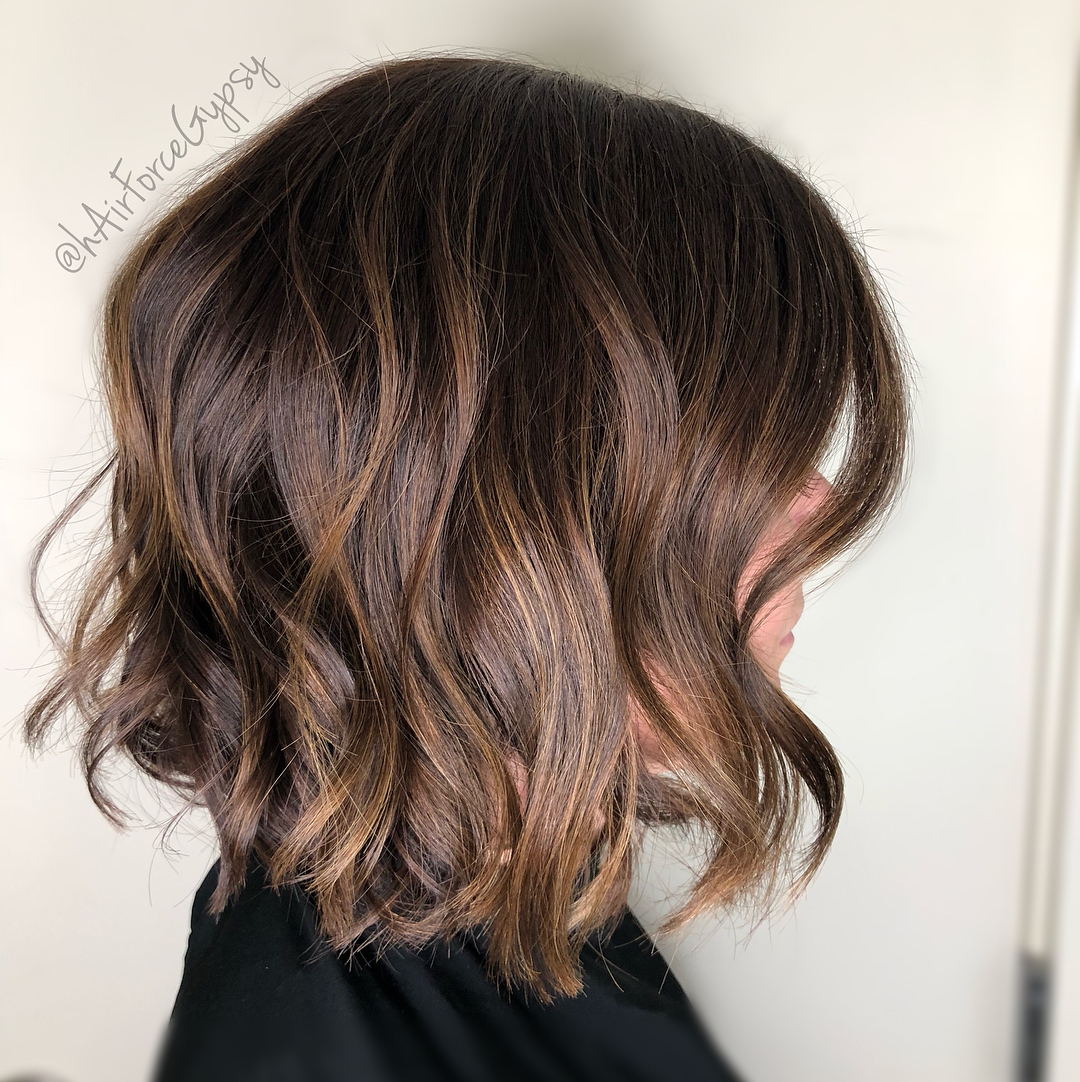
The 2020 haircut was defined by a shift toward low-maintenance, DIY-friendly styles and bold, nostalgic silhouettes. Driven by global lockdowns, the year popularized "curtain bangs," the "modern mullet" (later known as the wolf cut), and the "quarantine buzz cut," blending 1970s aesthetics with practical, at-home grooming solutions that prioritized comfort and self-expression.
The Cultural Shift: Why 2020 Changed Hair History
Looking back from 2026, the year 2020 remains a pivotal moment in the history of cosmetology. It was a year where the professional salon environment was largely replaced by the "bathroom barber shop." When hair salons across the globe closed their doors during the initial COVID-19 lockdowns, the relationship between individuals and their hair underwent a radical transformation. The "2020 haircut" was no longer just a fashion choice; it was a response to physical isolation and a lack of professional maintenance.
During this period, we saw two distinct movements. The first was the "survivalist" approach—functional, short, and often self-administered cuts like the buzz cut. The second was the "experimental" approach, fueled by social media platforms like TikTok, where users began reviving retro styles that didn't require the precision of a professional every four weeks. This era marked the end of the "perfectly polished" look that dominated the late 2010s, ushering in a decade of shaggy, textured, and highly individualized aesthetics.
The technical depth of the 2020 haircut often relied on "point cutting" and "over-direction," techniques that allowed amateurs to hide mistakes within layers. This shift toward "perfect imperfection" is a hallmark of 2020 that continues to influence modern 2026 styles, where ease of wear is valued over rigid structure.
The Rise of Curtain Bangs and the 70s Revival
Perhaps the most enduring legacy of the 2020 haircut is the "curtain bang." Inspired by 1970s icons like Brigitte Bardot, these face-framing, center-parted fringe layers became the go-to solution for people wanting a change without committing to a full forehead-covering bang.
From a technical perspective, curtain bangs in 2020 were designed to be longer than traditional fringe, usually hitting around the cheekbones or the jawline. This length was strategic; it allowed the wearer to tuck the hair behind their ears as it grew out, making it the perfect "low-maintenance" lockdown look. Stylists often recommended cutting them using a "slide-cutting" technique to ensure they blended seamlessly into the rest of the hair.
Curtain bangs were also highly democratic. They complemented almost every face shape—oval, square, and heart-shaped—by narrowing the forehead and highlighting the eyes. For many, this style was the "gateway" to the more radical shag cuts that would dominate the latter half of the year and the years following.
From the Modern Mullet to the Wolf Cut
In 2020, the mullet made an unexpected and forceful return to the mainstream. However, it wasn't the "business in the front, party in the back" style of the 1980s. The 2020 version, often called the "modern mullet," featured softer transitions between the short top and the long back. This style eventually evolved into the "wolf cut," a hybrid of a mullet and a traditional shag.
The wolf cut is characterized by heavy layers and significant volume at the crown, tapering down to thinner, wispy ends. In 2020, this was often achieved at home using the "unicorn cut" method—tying the hair into a ponytail at the very front of the forehead and cutting across to create instant, dramatic layers. While professional stylists generally advised against this DIY approach, the results became a viral sensation, defining the "alt" aesthetic of the early 2020s.
According to reports from Vogue, the resurgence of these choppy, layered looks was a direct reaction to the "Instagram Face" era of the 2010s. People were moving away from the highly curated, smooth waves and toward something that felt more rebellious and organic.
The Buzz Cut: A Symbol of the 2020 Reset
While many used lockdown to grow their hair out, others took the opposite route: the "quarantine buzz cut." This was particularly popular among men and those looking for a "radical reset." The act of shaving one's head in 2020 was often documented as a therapeutic release—a way to exert control over one's appearance when the outside world felt chaotic.
Technically, the 2020 buzz cut wasn't just about utility. It often involved "fade" experimentation at home, though most users stuck to a uniform guard length (usually a #2 or #3). The trend was bolstered by celebrities like Tallulah Willis and David Beckham, who shared their DIY head-shaving videos online.
The buzz cut also served a practical purpose. With no access to barbers for months at a time, a shaved head removed the "awkward growth" phase of shorter hairstyles. By 2026, the buzz cut has transitioned from a pandemic necessity to a staple of high-fashion minimalism, but its 2020 origins were firmly rooted in the need for simplicity.
Comparison of Dominant 2020 Haircut Trends
The following table outlines the key characteristics of the most popular 2020 styles, their maintenance requirements, and the specific hair types they suited best.
| Haircut Style | Key Defining Feature | Ideal Hair Texture | Maintenance Level | Tools Required |
|---|---|---|---|---|
| Curtain Bangs | Center-parted, face-framing fringe | Straight to Wavy | Medium (Daily Styling) | Round brush, Blow dryer |
| Wolf Cut | Shaggy layers, volume at the crown | Wavy to Curly | High (Texturizing) | Sea salt spray, Diffuser |
| Quarantine Buzz | Uniformly short (clippered) | All textures | Very Low | Electric clippers |
| Glass Bob | Sharp, blunt-cut chin length | Straight | Medium (Trimming) | Flat iron, Shine serum |
| The "Big Chop" | Removing all processed/long hair | Coily/Kinky textures | Low to Medium | Wide-tooth comb, Oils |
The Impact of DIY Hair Color and the "Money Piece"
You cannot discuss the 2020 haircut without mentioning the accompanying color trends. Because professional colorists were unavailable, "box dye" saw a massive surge in sales. However, the most iconic color trend of 2020 was the "money piece"—bright, bleached, or high-contrast highlights on the two front strands of hair.
This trend was a nod to the 1990s (think Geri Halliwell) but updated for the TikTok generation. It was popular because it was relatively easy to do at home; bleaching only two small sections of hair was less risky than attempting a full-head blonde transformation. These "E-girl" streaks, often in neon pink, blue, or platinum blonde, provided a stark contrast against natural hair colors and perfectly framed the face during video calls, which became the primary mode of social interaction in 2020.
Furthermore, many people used the "haircut hiatus" to stop dyeing their hair altogether, leading to a massive movement of people embracing their natural grey or silver hair. This shift toward "naturalism" was one of the few positive long-term trends to emerge from the 2020 aesthetic.
2020 Haircut Maintenance: Then and Now
In 2020, maintenance was about preservation. Products like dry shampoo, deep conditioning masks, and "root touch-up" sprays became essential. Because people were going longer between professional cuts, the health of the hair became a priority. Scalp health also gained mainstream attention, with many realizing that a healthy "foundation" was necessary for the long-term growth many were forced to endure.
From the perspective of 2026, we see that the 2020 haircut era taught consumers how to better care for their hair at home. The "skinification" of hair—treating the scalp with serums and exfoliants—truly took hold during this year. People began to understand the chemistry of their hair, leading to the rise of bond-building treatments that could be used outside of a salon setting.
Frequently Asked Questions
What exactly is a "wolf cut" from the 2020 era?
The wolf cut is a creative blend of a vintage shag and a mullet. It is defined by heavy, voluminous layers at the top and thinner, tapered layers toward the bottom, usually accompanied by a messy fringe or curtain bangs. It was designed to look "wild" and unkempt, hence the name.
Why were curtain bangs so popular in 2020?
Curtain bangs became a phenomenon because they provided a significant style change that was easy to maintain during lockdowns. Unlike blunt bangs, which require frequent trims to stay out of the eyes, curtain bangs could be grown out gracefully and tucked away, making them the most practical choice for a year without regular salon access.
Can I still pull off a 2020-style mullet in 2026?
Yes. In 2026, the mullet has evolved into the "soft mullet" or "shullet" (shag-mullet). It is less aggressive than the 2020 version, focusing more on texture and movement rather than extreme length differences. It remains a popular choice for those wanting an edgy, gender-neutral look.
How did the 2020 haircut trends affect the professional industry?
The 2020 trends forced the hair industry to adapt to a more "educational" model. Many stylists began offering virtual consultations and DIY "maintenance kits." Long-term, it led to a shift where clients now prefer styles that can last 12-16 weeks between salon visits rather than the traditional 6-8 weeks.
Was the "unicorn cut" actually safe for hair?
The "unicorn cut" (cutting hair in a ponytail at the front of the head) was a popular 2020 DIY hack for layers. While it works for some, professional stylists generally warn against it because it can lead to uneven "shelves" in the hair and doesn't account for individual hair density or natural growth patterns.
Recreating the 2020 Look in a Modern Context
If you are looking to embrace a 2020-inspired haircut in 2026, the key is to focus on texture and movement. The "2020 haircut" was never about perfection; it was about personality. To successfully wear these styles today, consult with a professional who can adapt the heavy layering of a wolf cut or the softness of curtain bangs to your specific face shape and lifestyle.
The best approach is to take the "spirit" of 2020—the bravery to experiment and the focus on low-maintenance health—and apply it to modern 2026 styling tools. Use high-quality texturizing sprays instead of heavy gels, and embrace your natural texture whenever possible. The 2020 era taught us that hair is resilient and that even a "failed" DIY cut is just a temporary step toward discovering a new personal style.