The 2020 United States presidential election, held on November 3, 2020, resulted in the election of Joe Biden as the 46th president and Kamala Harris as the 49th vice president. The contest saw record-breaking voter turnout during the COVID-19 pandemic, with significant reliance on mail-in and early voting, and ultimately marked the transition of power between the incumbent Donald Trump and the challenger Joe Biden.
Historical Context and Candidate Platforms
The 2020 election occurred during a period of intense national focus on public health, social justice, and economic stability. The Republican ticket featured the incumbent president, Donald Trump, and Vice President Mike Pence, who campaigned on a platform emphasizing economic deregulation, judicial appointments, and a "law and order" approach to domestic policy. The Democratic ticket featured former Vice President Joe Biden and Senator Kamala Harris, who focused on expanding access to healthcare, addressing climate change, and restoring institutional norms in domestic and foreign policy.
The primary process leading to the general election saw a competitive field within the Democratic Party, which eventually consolidated around Biden’s candidacy. The Republican Party saw little formal opposition to the incumbent ticket, focusing instead on internal party organization and strategy for the general election.
The Impact of the COVID-19 Pandemic on Election Administration
The global COVID-19 pandemic profoundly altered the landscape of the 2020 election. State and local election officials faced the dual challenge of protecting poll workers and voters from viral transmission while ensuring the accessibility and security of the democratic process. This necessitated rapid adjustments to standard voting procedures, including the expansion of absentee ballot access and early voting windows.
Several states transitioned to universal mail-in ballot systems, sending ballots to all registered voters to discourage in-person gatherings. This shift led to significant debate regarding the timing of vote counting and the administrative capacity of local jurisdictions. Because many states required mail-in ballots to be processed only after Election Day, the counting process in several key battleground states extended for days, creating a delayed final result compared to previous election cycles.
Voter Turnout and Demographic Participation
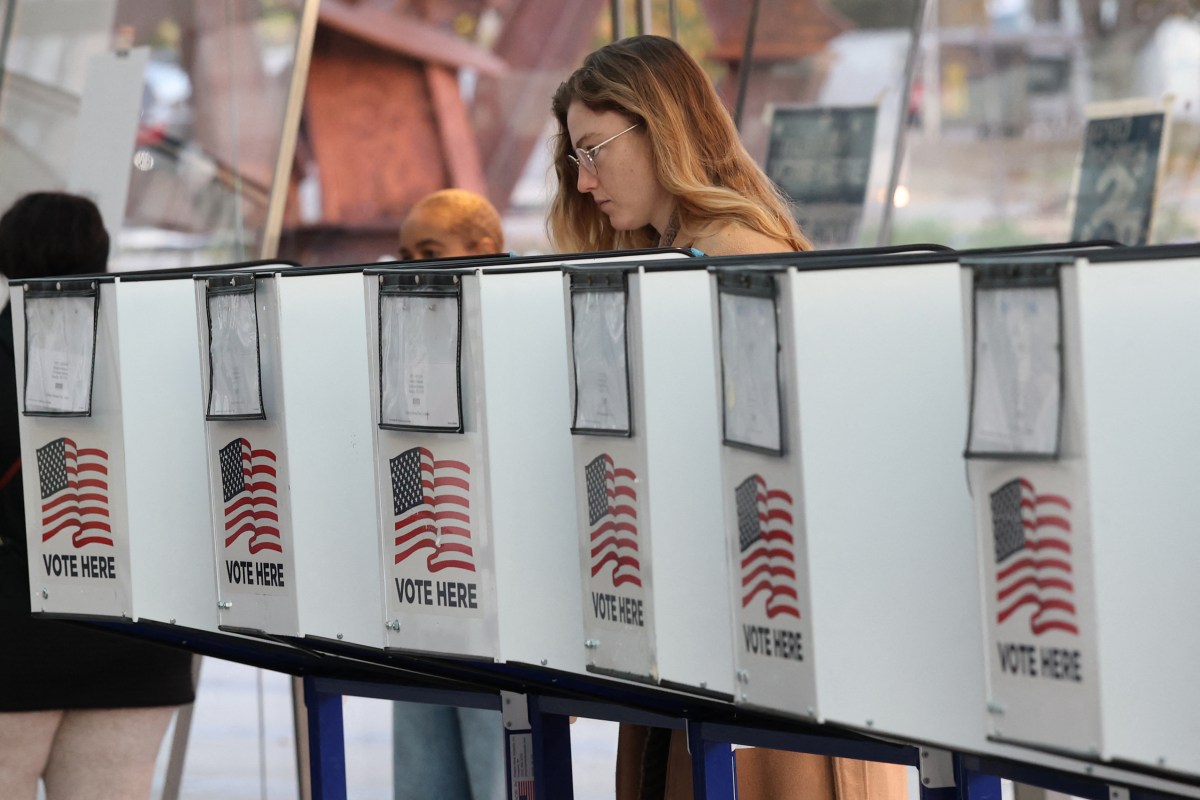
The 2020 election experienced the highest voter turnout in over a century, with approximately 158 million Americans casting ballots. This historic participation was driven by heightened political polarization, the ease of access afforded by expanded mail-in voting options, and intensive get-out-the-vote campaigns by both major parties and non-partisan organizations.
Demographic analysis of the electorate showed varying patterns of participation across racial, age, and educational groups. Younger voters and suburban voters played a pivotal role in the final tallies of competitive swing states. The election highlighted the ongoing evolution of the American electorate, characterized by a shift toward early and remote participation rather than a reliance solely on traditional Election Day polling stations.
Tabulation, Verification, and Legal Challenges
The post-election period involved rigorous processes to verify results, including canvassing and official certifications in all 50 states and the District of Columbia. Election officials conducted audits to ensure the accuracy of the machines and procedures used. In the weeks following the election, the Trump campaign and various allies filed more than 60 lawsuits in state and federal courts, challenging vote-counting procedures, the validity of mail-in ballots, and the certification of results in states including Arizona, Georgia, Michigan, Pennsylvania, and Wisconsin.
These legal challenges were reviewed by judges at both the trial and appellate levels. The judiciary consistently found that the plaintiffs provided insufficient evidence to substantiate claims of widespread fraud or illegal activity that would alter the outcome of the election. By the time of the December 14, 2020, meeting of the Electoral College, all states had certified their results, and federal and state agencies, including the Department of Homeland Security’s Cybersecurity and Infrastructure Security Agency (CISA), had affirmed the integrity of the election infrastructure.
Comparison of Voting Modalities
The 2020 election was notable for the diversification of methods voters used to cast their ballots. The following table summarizes the primary modalities employed across the country during this cycle.
| Voting Method | Primary Characteristics | Implementation Context |
|---|---|---|
| In-Person Election Day | Traditional voting at assigned local precincts. | Utilized where safety protocols allowed. |
| Early In-Person | Voting centers opened days or weeks before Nov 3. | Encouraged to reduce Election Day lines. |
| Absentee/Mail-in | Ballots requested by or sent to registered voters. | Widely expanded due to public health concerns. |
| Drop Boxes | Secure boxes for depositing mail-in ballots. | Provided an alternative to postal delivery. |
The Electoral College and Transition of Power
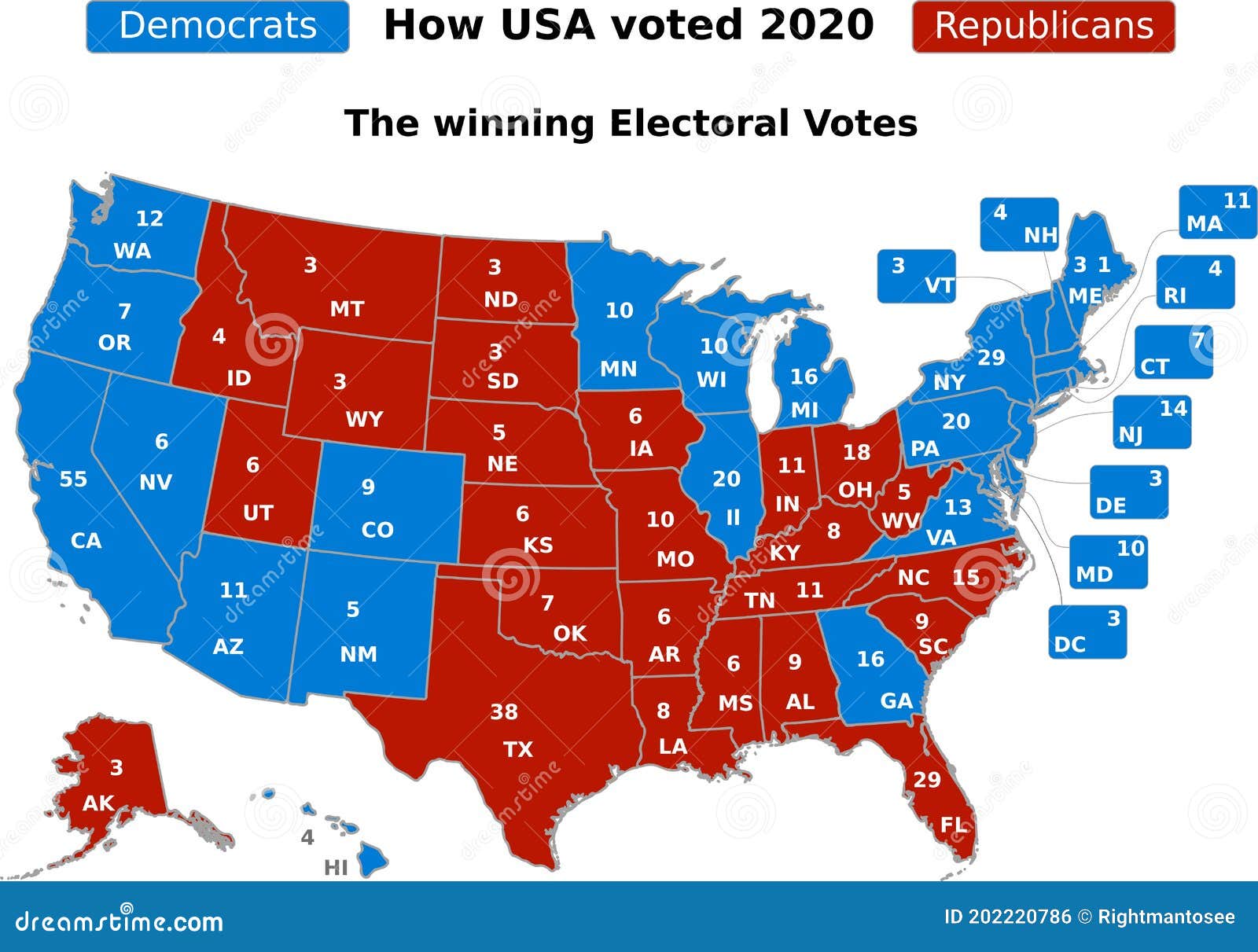
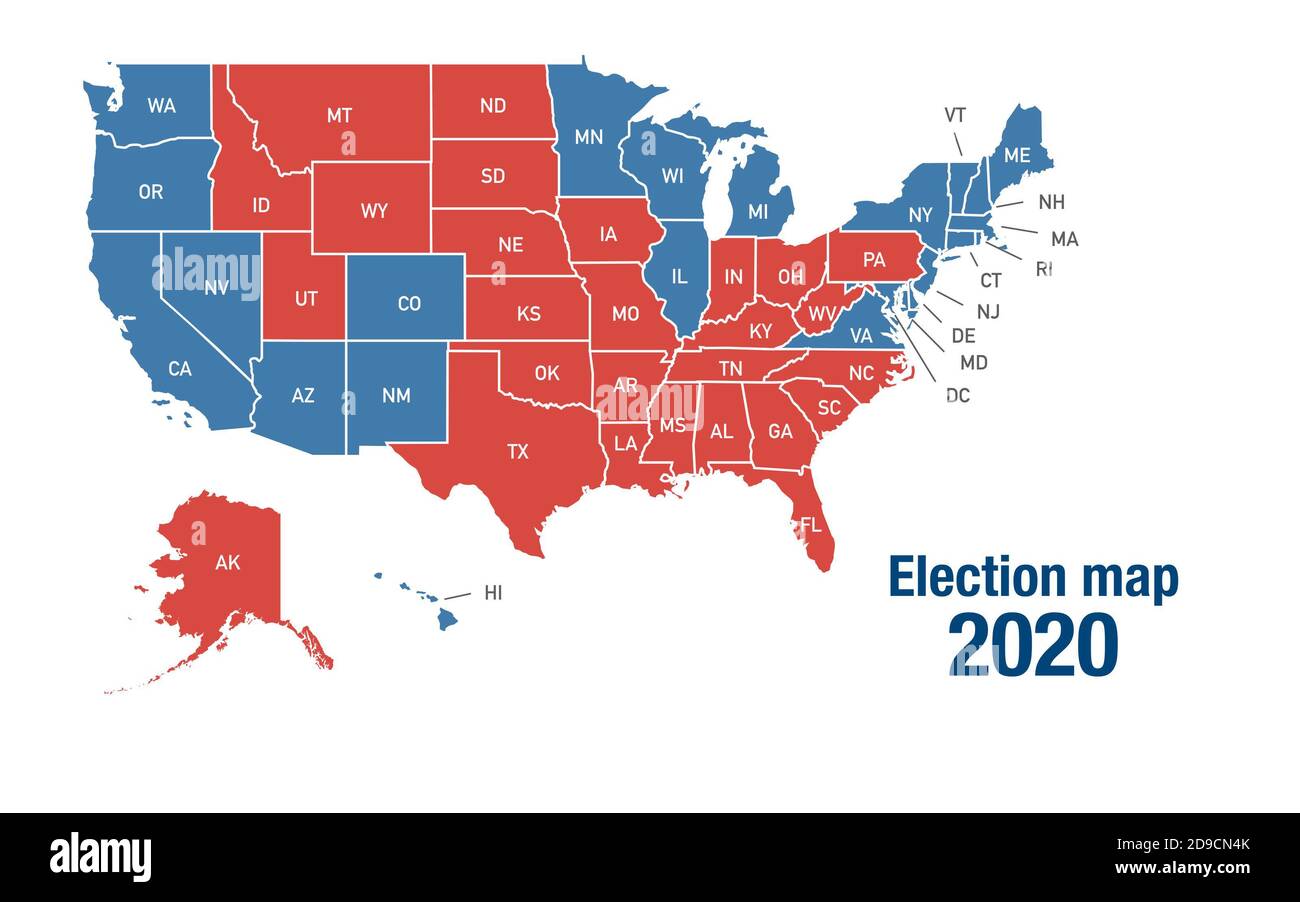
The culmination of the election process occurred through the Electoral College. On December 14, 2020, electors met in their respective states to cast their votes. Joe Biden received 306 electoral votes, while Donald Trump received 232. Congress met in a joint session on January 6, 2021, to count these votes and certify the final result. Following the certification, the inauguration of Joe Biden took place on January 20, 2021. This transition marked the formal change in administration, adhering to the long-standing peaceful transfer of power as stipulated in the United States Constitution.
Frequently Asked Questions
What was the official certified result of the 2020 election?
The official certified result showed Joe Biden received 306 electoral votes and Donald Trump received 232 electoral votes. The national popular vote total was approximately 81.2 million for Biden and 74.2 million for Trump.
Why did it take several days to determine the winner of the 2020 election?
The delay was primarily caused by the record number of mail-in ballots. Many states had statutes that prevented election workers from beginning the verification and counting of mail-in ballots until Election Day or shortly before, creating a backlog that required days of processing.
Were there confirmed instances of widespread voter fraud?
No. Federal and state election officials, along with the Department of Justice and CISA, investigated various claims of irregularities and concluded that there was no evidence of widespread voter fraud sufficient to impact the outcome of the presidential election.
How did the 2020 election affect future election laws?
The 2020 election served as a catalyst for legislative activity across many states regarding election administration. Following the election, various state legislatures enacted new laws adjusting requirements for mail-in voting, signature verification, the use of ballot drop boxes, and voter identification, reflecting different perspectives on ballot access and security.
How did the COVID-19 pandemic influence election turnout?
The pandemic influenced turnout by necessitated the adoption of flexible voting options. The widespread availability of mail-in ballots and early voting centers significantly lowered the barriers to participation for millions of voters, contributing to the highest turnout percentage in modern American history.
Ensuring Election Integrity and Future Preparedness
For citizens and policymakers alike, the primary lesson of the 2020 election involves the necessity of maintaining robust, transparent, and modernized election infrastructure. Future election cycles rely on the consistent application of bipartisan observation, rigorous post-election audits, and clear communication from local election officials regarding the chain of custody for ballots. Engaging with local boards of election remains the most effective way for voters to understand their specific jurisdiction's security protocols and to participate in the democratic process with confidence.