The term "2019 release date" refers to the specific launch windows for major technology products, software versions, and media content that debuted throughout the calendar year 2019. This year served as a critical inflection point for consumer hardware, digital platforms, and entertainment, marking the final major product cycles before the global shift in market dynamics experienced in subsequent years.
Defining the 2019 Product Landscape
The 2019 calendar year was characterized by a push toward incremental hardware refinement and the expansion of digital service ecosystems. For many manufacturers, the 2019 release date represented the culmination of research and development cycles initiated between 2016 and 2018. During this period, consumers saw the maturity of high-refresh-rate displays in mobile devices, the broader adoption of multi-camera arrays in smartphones, and the strategic pivot of major software companies toward subscription-based service models.
Understanding the release dates from this period is essential for secondary market valuation, technical support lifecycles, and historical research. When assessing devices or software from 2019, users must account for the specific quarterly window in which these items were released, as this dictates the end-of-life status for security updates, firmware support, and component compatibility in the current 2026 environment.
Major Technology and Software Milestones
The 2019 release calendar was packed with significant launches that shifted consumer expectations. In the mobile sector, flagship devices released in the first and third quarters of 2019 established the performance benchmarks that remained relevant for several years. Software updates released in 2019 were particularly notable, as they introduced privacy-centric features and interface overhauls that forced a paradigm shift in how developers handle user data and system permissions.
The following table summarizes key categories and the typical release patterns observed in 2019:
| Category | Typical Q1 Release | Typical Q3 Release | Key Focus in 2019 |
|---|---|---|---|
| Smartphones | Flagship models | Professional/Pro variants | Camera arrays and battery life |
| PC Hardware | Gaming-grade CPUs | High-end GPU series | Thermal efficiency and throughput |
| OS Updates | Beta cycles start | Public stable release | Security and interface refinement |
| Gaming Consoles | N/A (Mid-cycle) | Seasonal hardware refresh | Cloud gaming service integration |
Impact of 2019 Releases on Modern Systems
In 2026, many systems that launched in 2019 are reaching or have already passed their manufacturer-supported lifespans. The release date of a 2019 product is the primary data point for determining whether a device is eligible for modern security patches or if it has entered the "legacy" or "obsolete" category according to original equipment manufacturer (OEM) guidelines.
For enterprise users and individual consumers alike, knowing the exact 2019 release date allows for an accurate audit of hardware risk. Devices released in early 2019 often lack the hardware-level security modules required for the latest operating system iterations. Consequently, identifying these devices via their release date helps in planning for hardware refreshing, budget allocation, and the mitigation of vulnerabilities that occur when software support ceases.
Verification of Release Dates for Historical Accuracy
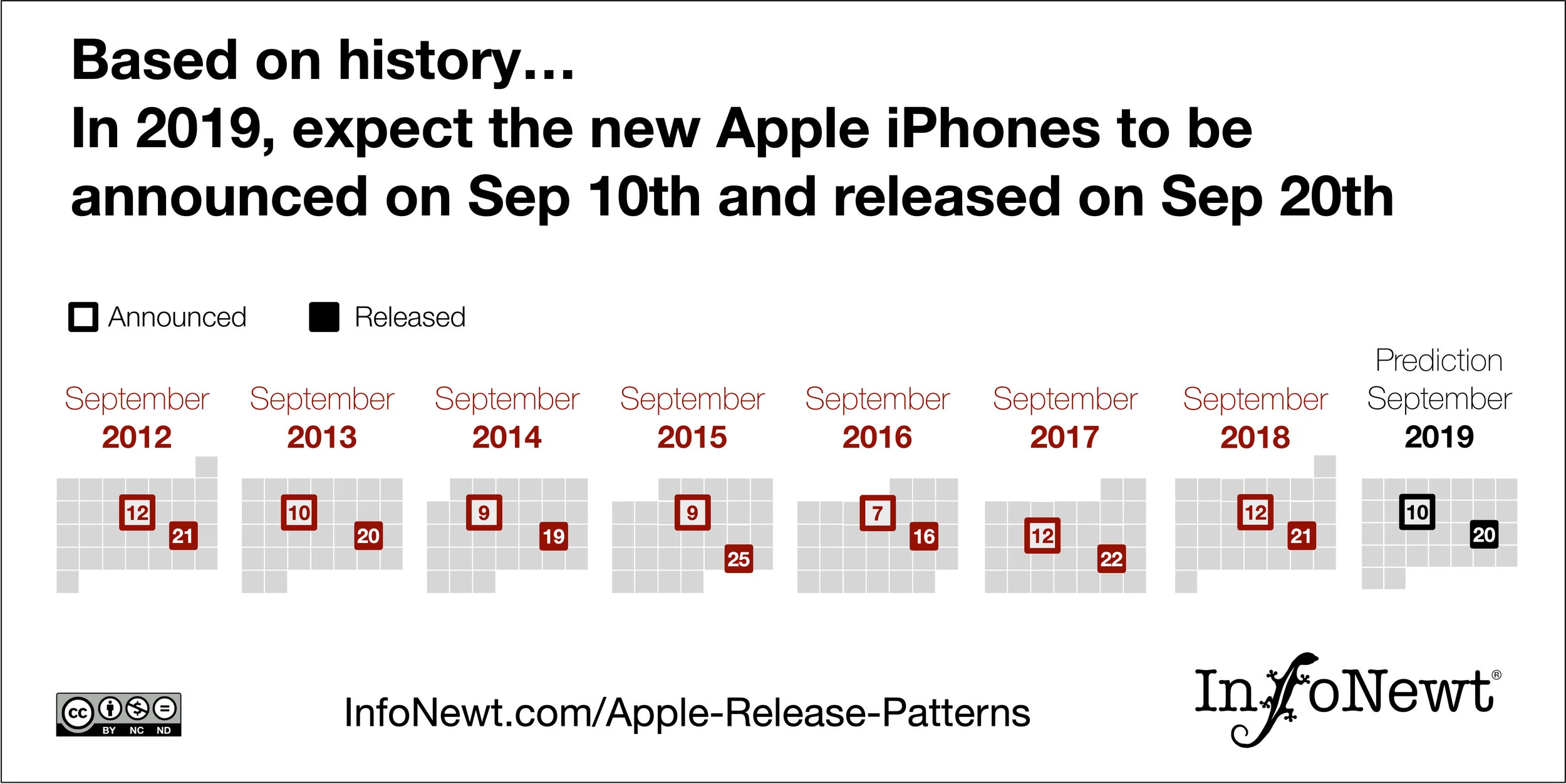
When verifying the release date of a 2019 product, it is critical to distinguish between the "announcement date" and the "retail availability date." Many products announced in early 2019 did not reach consumer markets for several weeks or months. For the purpose of tracking warranty status or software compatibility, the retail release date—the day the product was first available for purchase—is the functional metric.
Independent documentation, such as archived product pages, press releases, and reputable technical reviews published in 2019, remain the most reliable sources for this verification. Secondary sources like retail databases often contain conflicting information based on regional staggered launches, where a product might have been available in one market while remaining unreleased in another.
Common Challenges with 2019 Product Support
Users attempting to integrate 2019 hardware into 2026 workflows often encounter compatibility bottlenecks. These issues are rarely related to raw performance, which often remains adequate for standard tasks, but rather to driver support and proprietary software requirements. Many manufacturers ceased the development of dedicated drivers for 2019 hardware by late 2023 or 2024.
To successfully utilize 2019-era hardware in a contemporary environment, consider the following strategies:
- Firmware Audits: Check if the final firmware update released for the device addresses known security vulnerabilities discovered since its original launch.
- Operating System Compatibility: Determine if the hardware is compatible with modern kernels or if it requires specialized legacy support packages.
- Component Replacements: Identify if parts such as batteries or internal storage are still available via third-party providers, as OEM supplies for 2019 models are typically exhausted by 2026.
FAQ: Frequently Asked Questions
How can I confirm the exact release date of a specific 2019 product?
The most reliable method is to cross-reference the product's official model number with the manufacturer's historical support database or archived press releases. Retailer listings can be misleading due to global staggered release schedules; always defer to the manufacturer's global launch announcement for the definitive date.
Does the 2019 release date affect current software compatibility?
Yes. Many 2019 devices and software versions rely on legacy architecture. As of 2026, many modern applications require updated instruction sets or security protocols that 2019-era hardware may not support, leading to installation errors or reduced functionality.
Are products released in 2019 still under warranty?
Generally, no. Standard consumer warranties for electronics typically range from one to three years. A product released in 2019 would have exceeded its standard manufacturer warranty period by 2022 or 2023. Any current warranty coverage would be limited to extended service contracts or secondary retail protection plans.
What is the difference between "Release Date" and "Announcement Date"?
The announcement date is when a company publicly unveils a product, often to generate market hype or developer interest. The release date is the time when the product enters the supply chain and becomes available for consumer acquisition. Always use the retail release date for calculating support cycles and depreciation.
How should I handle hardware that reached its end-of-life in 2019 or shortly after?
If the device no longer receives security updates, it should be isolated from sensitive networks. For enterprise environments, the recommendation is to decommission the hardware in favor of supported modern alternatives to ensure compliance with current security regulations and industry standards.
Next Actions for 2019 Hardware Owners
If you are currently managing equipment or software with a 2019 release date, prioritize a comprehensive audit of your inventory. Establish a clear timeline for replacement based on the manufacturer’s published end-of-support dates. For systems that must remain in operation due to legacy software dependencies, implement robust network-level security controls to compensate for the lack of native device-level updates. Consult with your IT department or technical support provider to determine if your specific 2019 hardware is flagged for critical security risks in 2026.