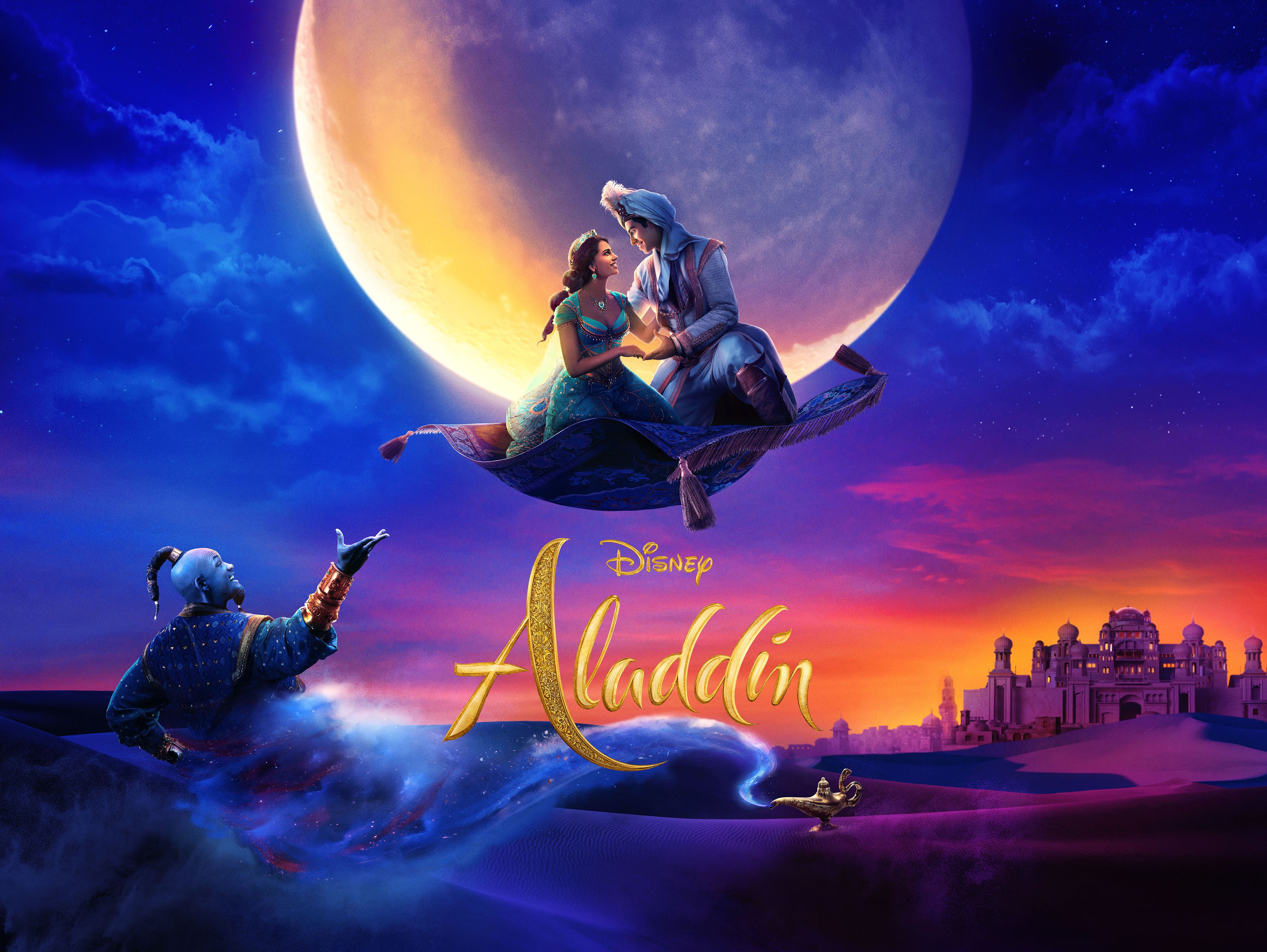
The 2019 movie year represents the final peak of pre-pandemic theatrical dominance, characterized by record-breaking franchise conclusions and a historic shift in global representation. It is most notably defined by Avengers: Endgame becoming a global phenomenon, the unprecedented Academy Award sweep of South Korea’s Parasite, and Disney’s dominance of the global box office.
Cinema in 2019 served as a definitive turning point for the industry. While established intellectual properties (IP) reached their commercial zenith, the year also witnessed a profound resurgence in original storytelling and the aggressive expansion of streaming services into the prestige film space. To understand the current state of film in 2026, one must look back at 2019 as the foundational year that proved audiences were equally hungry for massive blockbusters and sophisticated, genre-bending international narratives.
The Billion-Dollar Club: Disney’s Unprecedented Dominance
In the history of cinema, 2019 stands as a statistical anomaly for theatrical earnings. It was the first year in which nine separate films surpassed the $1 billion mark at the global box office. Disney spearheaded this charge, leveraging its acquisition of 21st Century Fox and the culmination of a decade of storytelling in the Marvel Cinematic Universe (MCU).
The release of Avengers: Endgame was more than a movie premiere; it was a global cultural event. Serving as the finale to the "Infinity Saga," it briefly claimed the title of the highest-grossing film of all time (unadjusted for inflation). However, the year was not solely defined by superheroes. Disney saw massive returns from "live-action" or photorealistic remakes like The Lion King and Aladdin, as well as animated sequels such as Frozen II and Toy Story 4.
This concentration of wealth at the top of the box office raised significant questions about the future of mid-budget cinema. The "Disney-fication" of the box office meant that traditional studios had to find niche ways to compete, leading to a bifurcated market where movies were either $200 million spectacles or low-budget indie projects, with very little remaining in the middle.
The Parasite Effect: A Global Shift in Prestige
While blockbusters dominated the balance sheets, 2019 was also the year the "one-inch tall barrier of subtitles" was finally broken. Bong Joon-ho’s Parasite became a worldwide sensation, blending dark comedy, social commentary, and thriller elements. Its victory at the 92nd Academy Awards—becoming the first non-English language film to win Best Picture—altered the trajectory of international film distribution.
The success of Parasite proved that global audiences were no longer deterred by language barriers if the narrative was compelling and the production value was high. This success opened the floodgates for international content on streaming platforms, a trend that has only accelerated through 2026. It validated the idea that local stories, when told with universal themes of class struggle and family dynamics, could resonate just as strongly in Ohio as they did in Seoul.
The Streaming Inflection Point: Netflix Enters the Arena
2019 was the year the "Streaming Wars" moved from a skirmish to an all-out battle for cinematic legitimacy. Netflix invested heavily in veteran directors to prove its platform could produce "real cinema." The most prominent example was Martin Scorsese’s The Irishman. With a budget exceeding $150 million due to groundbreaking de-aging technology, the film was a massive gamble that traditional studios like Paramount were unwilling to take.
Alongside The Irishman, Noah Baumbach’s Marriage Story and Fernando Meirelles’ The Two Popes established Netflix as a major player in the awards circuit. This shift sparked a heated industry debate, led by figures like Steven Spielberg and Christopher Nolan, regarding the definition of a "movie" and whether a film that skips a traditional theatrical window should be eligible for the industry’s highest honors. Looking back from 2026, this tension was the precursor to the hybrid release models that are now standard across the industry.
Comparative Overview of 2019’s Most Impactful Films
The following table compares the top-performing and most critically acclaimed films of 2019, highlighting the gap between commercial success and critical consensus during this landmark year.
| Film Title | Global Box Office | Rotten Tomatoes (Critics) | Primary Genre | Cultural Significance |
|---|---|---|---|---|
| Avengers: Endgame | $2.798 Billion | 94% | Superhero / Action | Conclusion of a 22-film arc. |
| Parasite | $263 Million | 99% | Thriller / Social Satire | First non-English Best Picture winner. |
| Joker | $1.074 Billion | 68% | Psychological Drama | Highest-grossing R-rated film (at the time). |
| The Lion King | $1.663 Billion | 52% | Musical / Adventure | Peak of the photorealistic remake trend. |
| Once Upon a Time in Hollywood | $377 Million | 85% | Comedy-Drama | Quentin Tarantino’s love letter to 1969. |
| 1917 | $385 Million | 89% | War / Drama | Innovative "single-shot" cinematography. |
| Knives Out | $312 Million | 97% | Mystery / Whodunnit | Resurgence of the ensemble mystery genre. |
Genre Reinvention and the Rise of "Elevated Horror"
2019 continued the trend of "elevated horror," where genre films were used as vehicles for complex social and psychological exploration. Jordan Peele followed up his success with Get Out by releasing Us, a terrifying look at class and identity that sparked endless online analysis. Similarly, Ari Aster’s Midsommar challenged horror conventions by setting its most gruesome moments in the blinding brightness of a Swedish summer.
These films demonstrated that horror was no longer a "niche" genre relegated to the October doldrums. They were profitable, critically respected, and discussed with the same fervor as high-brow dramas. This era of horror proved that audiences were willing to engage with demanding, non-linear, and often unsettling narratives on a massive scale.
The Legacy of Original Screenplays
Despite the dominance of sequels and remakes, 2019 was a surprisingly strong year for original screenplays and mid-budget hits. Rian Johnson’s Knives Out is the prime example of this success. In an era where most non-IP films struggled, Knives Out relied on a clever script, a star-studded ensemble, and old-fashioned "whodunnit" mechanics to earn over $300 million.
This success provided a blueprint for studios: original stories could still thrive if they offered a distinct voice and high entertainment value. Similarly, Quentin Tarantino’s Once Upon a Time in Hollywood served as a nostalgic, revisionist history that reminded audiences of the power of the "Director as a Brand." These films acted as a necessary counterweight to the franchise fatigue that began to emerge in the latter half of the year.
FAQ: Common Questions About 2019 Movies
What was the highest-grossing movie of 2019?
Avengers: Endgame was the highest-grossing movie of 2019, earning approximately $2.798 billion globally. It briefly became the highest-grossing film of all time, surpassing Avatar, though subsequent re-releases of Avatar eventually reclaimed the top spot. The film's success was driven by its status as the culmination of the Marvel Cinematic Universe's first major narrative cycle.
Why is 2019 considered one of the best years for movies?
Many critics and historians view 2019 as a "golden year" because of the sheer variety and quality of output. It featured a rare balance where the biggest blockbusters were generally well-received by critics (Endgame, Toy Story 4), while original and international films (Parasite, Uncut Gems, Knives Out) achieved significant mainstream success. It felt like a year where there was "something for everyone."
Which movie won the Oscar for Best Picture in 2019?
While the 92nd Academy Awards were held in February 2020, they honored the films of 2019. The Best Picture winner was Parasite, directed by Bong Joon-ho. This was a landmark moment in Oscar history, as it was the first time a non-English language film won the top prize, signaling a more global outlook for the Academy.
Did any R-rated movies make a billion dollars in 2019?
Yes, Joker, directed by Todd Phillips and starring Joaquin Phoenix, became the first R-rated film in history to gross over $1 billion. This was particularly significant because the film was a gritty, character-driven drama with a relatively modest budget of $55 million, proving that "comic book movies" could succeed without heavy CGI action sequences or a PG-13 rating.
How did 2019 affect the future of streaming?
2019 was a catalyst for the streaming era. With the launch of Disney+ and Apple TV+ in late 2019, and Netflix’s heavy investment in prestige films like The Irishman, the industry shifted toward a digital-first mindset. This year proved that high-quality, big-budget cinema could live on a streaming platform, setting the stage for the industry's response to the 2020 theater closures.
Strategic Viewing: Building a 2019 Retrospective Watchlist
For those looking to experience the breadth of 2019 cinema from the vantage point of 2026, a curated approach is recommended. To understand the year's impact, one should balance the massive cultural touchstones with the smaller films that pushed artistic boundaries.
Start with the "Big Three" of 2019 impact: Avengers: Endgame for scale, Parasite for cultural shift, and Joker for genre-bending. Following these, explore the technical mastery of 1917, which utilized long-take cinematography to immerse viewers in World War I, and The Irishman for its de-aging technological ambition. For a lighter but equally vital perspective, Knives Out and Booksmart offer insights into how the mystery and coming-of-age genres were modernized for a new generation. By viewing these films, one gains a comprehensive understanding of a year that served as both a grand finale for the old Hollywood model and a bold prologue for the new digital age.