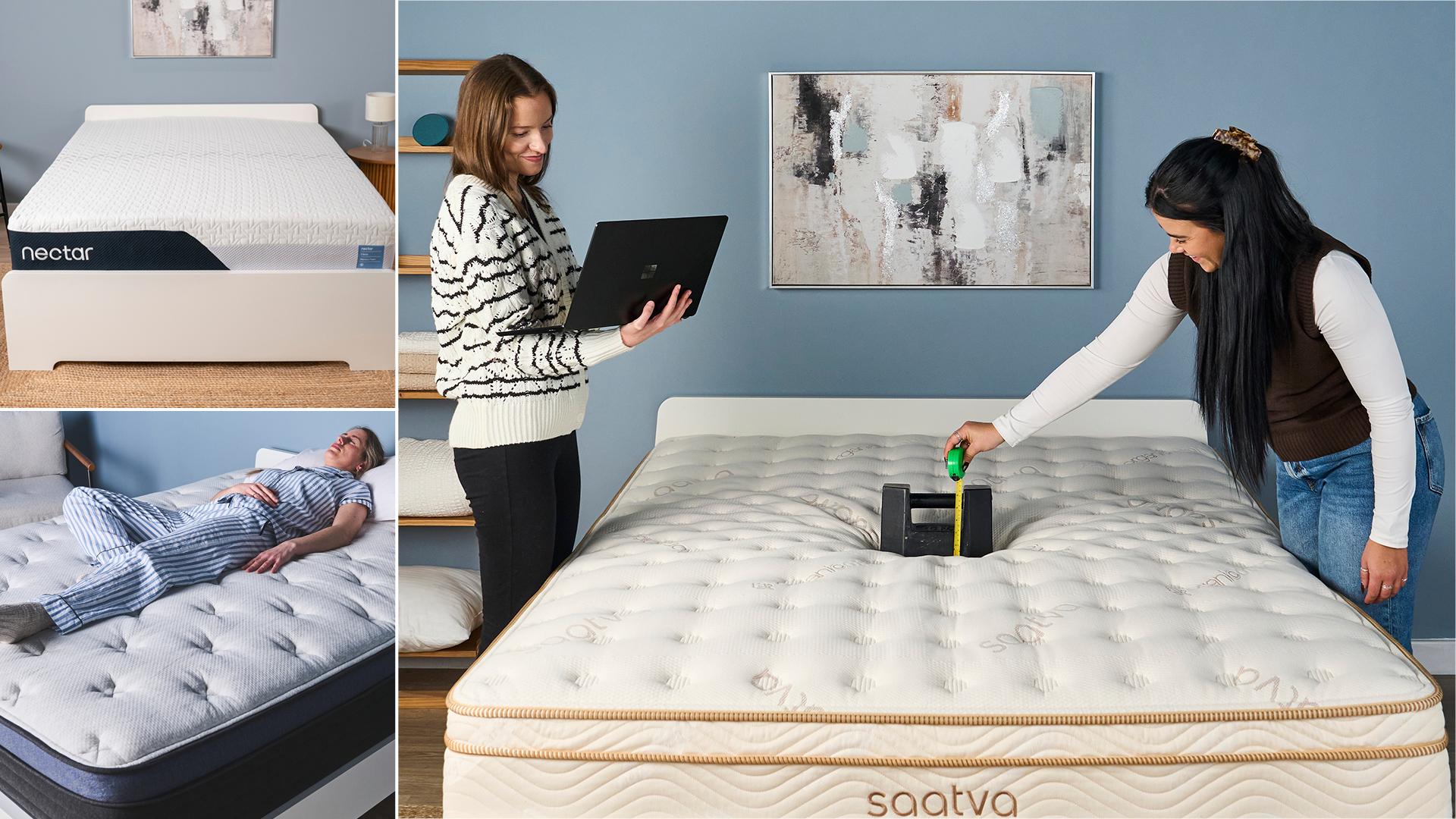
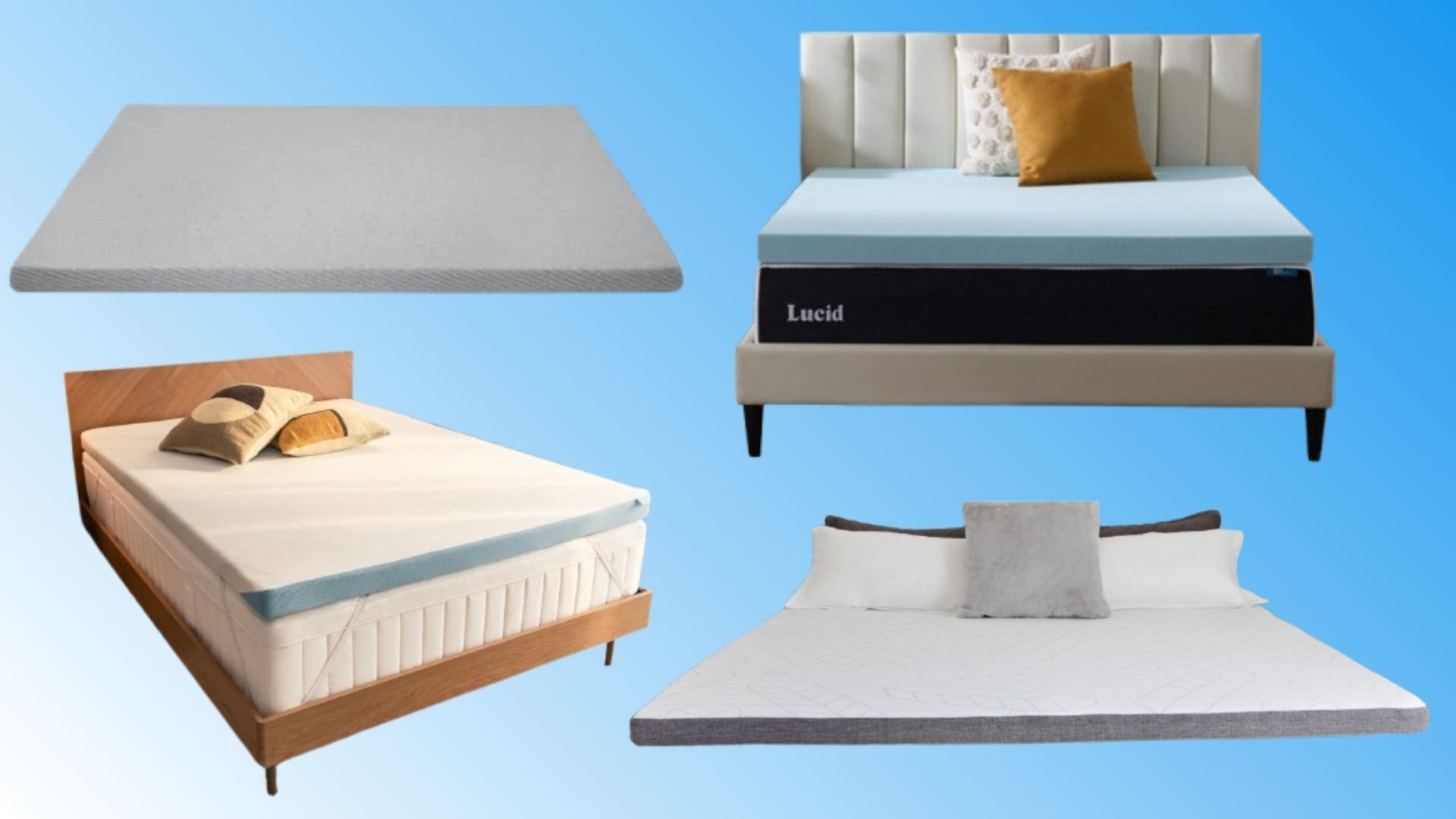
The 2019 mattress market marked a pivotal turning point in sleep technology, driven by the maturity of bed-in-a-box direct-to-consumer (DTC) brands and major updates to hybrid mattress engineering. Evaluating top picks from 2019 requires looking at memory foam density, pocketed coil ergonomics, heat dissipation tech, and long-term durability metrics established by leading brands like Casper, Purple, Sauna, and Luxe-grade hybrids.
The 2019 Mattress Landscape: Why This Era Defined Modern Sleep Technology
The year 2019 represented a high-water mark for mattress design, establishing standard material specifications and consumer trial expectations that continue to govern the bedding industry. Prior to this period, the market was sharply divided between traditional brick-and-mortar innerspring manufacturers and early-generation all-foam online retailers. By 2019, advanced hybrid constructions—combining pocketed coil support cores with specialized memory foam or gel polymer layers—became the dominant consumer preference.
During this product cycle, manufacturers prioritized three engineering challenges: thermal regulation, edge support reinforcement, and targeted spinal alignment. The integration of phase-change materials (PCM), open-cell viscoelastic foams, and zoned coil systems transitioned mattresses from simple cushioning pads into engineered sleep platforms.
Understanding the structural advancements introduced in 2019 is vital whether you are assessing the seven-year longevity of an existing mattress, researching classic models still produced today with minor refinements, or evaluating secondary market offerings. The material densities, chemical compositions, and layer stackings introduced during this model year remain the benchmark against which modern sleep products are measured.
Top-Rated 2019 Mattress Categories and Standout Models
All-Foam Leaders: Memory Foam and Latex Integration
All-foam mattresses in 2019 moved beyond basic polyurethane bases topped with standard viscoelastic memory foam. Top picks in this category utilized multi-layer designs engineered to resolve heat retention and deep sinkage (the "stuck in mud" feeling) while preserving pressure-relief benefits.
- The Original Casper (2019 Edition): Casper introduced its updated Zoned Support™ layer in 2019. This continuous foam sheet featured softer foam under the shoulders for contouring and firmer, higher-density foam beneath the hips and spine to prevent pelvic sagging. This construction targeted mid-back alignment for both back and side sleepers.
- Nectar Memory Foam: Engineered as a high-density, multi-layer viscoelastic option, Nectar gained prominence by offering gel-infused memory foam paired with a adaptive cooling cover. Its 3-inch top comfort layer was designed for severe pressure points at the hips and shoulders, making it a primary recommendation for side sleepers suffering from joint stiffness.
- Botanical and Natural Latex Options: Natural latex mattresses, such as the Avocado Green (foam-core variant) and PlushBeds Botanical Bliss, captured the eco-conscious segment. Utilizing Dunlop and Talalay latex derived from rubber tree sap, these beds delivered immediate responsiveness, natural antimicrobial properties, and exceptional air circulation without synthetic gel additives.
Hybrid Innovation: The Fusion of Coils and Advanced Polymers
Hybrids became the most awarded category in 2019 mattress reviews due to their ability to combine the contouring benefits of foam with the structural breathability, edge stability, and push-back support of tempered steel coils.
- Quilted Cooling Cover
- Comfort Layer: Gel Memory Foam / Hyper-Elastic Polymer
- Transition Layer: High-Resilience Polyurethane Foam
- Support Core: Individually Wrapped Pocketed Coils
- Base Foundation: High-Density Polyfoam Substrate
- Saatva Classic: Operating on a dual-coil architecture, the 2019 Saatva Classic combined an upper unit of active pocketed coils with a lower unit of heavy-duty steel hourglass coils. Wrapped in an organic cotton cover with built-in lumbar zone quilting, it appealed directly to back sleepers and individuals recovering from lower back strain.
- Purple Hybrid / Purple Premier: Purple’s 2019 lineup stood apart due to its proprietary Hyper-Elastic Polymer® grid. Rather than conforming via body heat like traditional memory foam, the grid walls collapsed under specific weight thresholds, relieving shoulder and hip pressure while remaining rigid under broader areas like the lower back. Paired with pocketed coils, it addressed both temperature regulation and spinal support.
- Leesa Hybrid (formerly Sapira): Featuring a five-zone pocketed coil core beneath high-density memory foam and a punch-hole polyfoam top layer, the Leesa Hybrid consistently scored top marks for motion isolation and edge support, bridging the gap between contouring comfort and traditional innerspring bounce.
Comprehensive 2019 Top Picks Comparison Matrix
The table below outlines the core structural specifications, firmness ratings (on a standard 1–10 scale where 10 is rigid), primary sleep positions, and baseline material compositions of the flagship 2019 models.
| Mattress Model | Construction Type | Firmness Rating | Ideal Sleep Position | Core Materials & Highlight Features |
|---|---|---|---|---|
| Saatva Classic | Innerspring Hybrid | Medium Firm (5.5–7.5) | Back, Stomach, Combination | Dual steel coil layers, lumbar wire reinforcement, organic cotton top |
| Casper Original | All-Foam | Medium (6.0) | Side, Back | Zoned Support™ polyfoam core, open-cell breathable top foam |
| Nectar Memory Foam | Gel Memory Foam | Medium-Firm (6.5) | Side, Back | 3-inch gel memory foam top, high-density base polyfoam |
| Purple Hybrid | Polymer Grid Hybrid | Medium (6.5) | Side, Combination | 2-inch Hyper-Elastic Polymer grid, wrapped pocketed coils |
| Avocado Green | Latex Hybrid | Medium-Firm to Firm (7.0) | Back, Stomach | GOLS organic latex, GOTS organic wool/cotton, 5-zone pocketed coils |
| Leesa Hybrid | Polyfoam Memory Hybrid | Medium (6.0–6.5) | All Positions | Airflow polyfoam top layer, memory foam transition, pocketed coil base |
| Tempur-Pedic TEMPUR-ProAdapt | Premium Memory Foam | Multiple Options (Soft to Firm) | Side (Soft/Med), Back (Firm) | Proprietary TEMPUR material, high-density APR (Advanced Pressure Relief) foam |
Key Buying Factors: Evaluating Construction, Firmness, and Support
When evaluating 2019 mattress designs, understanding material physics prevents common purchasing mistakes. Price points often reflect foam densities, coil gauges, and cover treatments rather than simple brand recognition.
PRESSURE RELIEF vs. SUPPORT SPECTRUM
| Soft (1-4) | Medium (5-7) | Firm (8-10) |
|---|---|---|
| Maximum Sinkage | Balanced Alignment | Minimal Surface Give |
| Ideal for Side Sleepers & Lightweight | Ideal for Back & Combination Sleepers | Ideal for Heavyweight & Stomach Sleepers |
Foam Density and Durability Metrics
For all-foam and hybrid mattresses, foam density is the primary indicator of resistance to sagging over time:
- Viscoelastic Memory Foam: Measured in pounds per cubic foot (PCF). High-grade memory foam utilizes densities between 4.0 and 5.5 PCF. Mid-grade models feature 3.0 to 3.5 PCF, while lower-cost budget options frequently drop below 2.5 PCF, making them susceptible to permanent body impressions within 2 to 3 years.
- Polyurethane Support Foam: The base core should maintain a density of at least 1.8 PCF for standard body weights, or 2.0+ PCF for heavier individuals.
- Latex Foam: Measured by Indentation Load Deflection (ILD) and density. Natural latex (2019 standard) consistently outlasts synthetic polyfoams due to its molecular resilience, retaining structural integrity for 10 to 15 years.
Coil Systems, Gauge, and Edge Reinforcement
In hybrid and innerspring models, the coil configuration determines structural lift:
- Coil Gauge: Refers to steel thickness. Lower numbers indicate thicker, firmer wire. A 12.5- to 13.5-gauge system provides rigid, firm support, while a 15- to 16-gauge system yields a softer, more contouring feel. Zoned hybrids often mix 14-gauge coils in the center third with 16-gauge coils under the legs and head.
- Pocketed Coils: Individually encased fabric coils function independently, dampening motion transfer across the bed—a major technological shift away from linked Bonnell or continuous wire coils.
- Perimeter Edge Support: Quality 2019 hybrids utilized either high-density foam encasements around the outer frame or reinforced, lower-gauge steel coils along the outer edge to prevent roll-off when sitting or sleeping near the border.
Long-Term Durability & Performance: How 2019 Models Hold Up Over Time
As mattresses engineered and purchased in 2019 reach mature operational lifespans, assessing real-world performance patterns reveals key insights into material longevity. Most high-quality sleep surfaces are engineered for a 7- to 10-year lifespan, making the structural integrity of 2019 models a prime consideration for current owners or secondary buyers.
Material Degradation Patterns
- Memory Foam Impressions: Polyfoam and lower-density memory foams undergo mechanical softening after 5 to 7 years of nightly compression. If structural sagging exceeds 0.75 to 1.5 inches, spinal alignment becomes compromised, leading to lumbar strain upon waking.
- Latex Resilience: Natural rubber latex mattresses from 2019 demonstrate minimal height loss over extended periods. Their primary aging mechanism is gradual oxidation (stiffening) rather than deep sagging.
- Coil Fatigue: Pocketed coil cores maintain shape significantly longer than pure foam bases. However, pocketed coils seated on thin, low-density base foam layers can push downward into the foundation if the base platform lacks rigid center support.
Cleaning and Maintenance Integrity
By 2019, many mattress covers incorporated unzippable outer covers. However, an essential safety detail emerged during this design era: many removable covers contained underlying glass fiber woven socks used as fire barriers (complying with federal 16 CFR Part 1633 standards). Machine washing these covers can release fiberglass fibers into ambient living spaces. Owners evaluating or cleaning 2019-era mattresses should verify law tag fire-barrier declarations before opening outer enclosures.
Common Pitfalls When Purchasing Legacy or Updated Models
Navigating mattress reviews requires filtering marketing claims from measurable material facts.
- Confusing "Firmness" with "Support": Firmness describes the initial feel of the surface top (soft vs. hard), whereas support refers to whether the core keeps the spine in a neutral horizontal alignment. A soft mattress can be supportive if the underlying core prevents deep pelvic drop; a hard mattress can lack support if it leaves hollow spaces under the lumbar curve.
- Ignoring Foundation Requirements: Placing a flexible or modern hybrid mattress on an outdated 20-year-old box spring with widely spaced wood slats (greater than 3 inches apart) voids warranties and causes structural sagging within months. Modern memory foam and hybrid beds require solid platforms, slatted bases with tight spacing, or reinforced metal foundations.
- Overlooking Thermal Properties: Body weight increases sinkage. Heavier sleepers sink deeper into memory foam layers, reducing airflow around the skin and causing the mattress to trap heat, regardless of cooling gel claims. Hybrids or natural latex are essential alternatives for individuals prone to overheating.
Frequently Asked Questions
What made 2019 a significant year for mattress technology?
The year 2019 marked the wide refinement of hybrid mattresses, zoned support layers, and high-density cooling technologies within the direct-to-consumer market. Brands moved away from simple single-layer memory foam boxes to complex multi-layer designs that targeted spinal alignment and temperature regulation.
How do I know if a 2019-era mattress needs to be replaced?
A mattress generally requires replacement if it shows visible sags deeper than 0.75 to 1.5 inches, if you consistently wake up with lower back or shoulder pain, or if the foam layers no longer spring back to their original shape. Most polyfoam and memory foam mattresses have a practical functional lifespan of 7 to 10 years.
What is the difference between all-foam and hybrid mattresses from this generation?
All-foam mattresses rely entirely on layers of polyurethane, viscoelastic memory foam, or latex for both comfort and support. Hybrid mattresses combine top comfort foam or polymer layers with an underlying base of individually pocketed steel coils, offering higher breathability, stronger edge support, and increased push-back responsiveness.
Are memory foam cooling gels effective?
Gel-infused memory foams help dissipate initial body heat upon entering the bed, preventing immediate surface heat buildup. However, for long-term cooling throughout an 8-hour sleep cycle, structural ventilation—such as the open airflow of pocketed coils or latex channels—is significantly more effective than gel additives alone.
What firmness rating is best for side sleepers vs. back sleepers?
Side sleepers typically require a medium-soft to medium feel (4.5 to 6.0 on the 1–10 scale) to allow hips and shoulders to cushion without compromising neck position. Back sleepers require a medium-firm surface (6.0 to 7.5) that supports the lumbar curve without allowing the pelvis to sink excessively.
Can you wash the removable cover on a 2019 bed-in-a-box mattress?
Check the law tag and manufacturer instructions carefully before unzipping any mattress cover. Many 2019 all-foam mattresses used inner fire socks made of fiberglass fibers beneath the outer fabric. Unzipping or machine washing these covers can breach the protective layer; spot-cleaning or using an external mattress protector is recommended.
Recommended Next Steps for Buyers and Owners
If you are evaluating an existing 2019 mattress or seeking a modern equivalent built on these established performance standards, follow this systematic audit:
- Inspect the Foundation: Ensure your current platform or bed frame features solid support legs in the center and slats spaced no more than 2.75 to 3.0 inches apart.
- Perform a Depth Alignment Check: Lay flat on your back or side and have someone photograph your lateral profile. Your neck, spine, and pelvis should form a continuous, straight horizontal line without noticeable dipping at the hip complex.
- Check Density Specifications: When purchasing updated versions of classic 2019 models, request foam density (PCF) and coil gauge data from the manufacturer rather than relying solely on firmness descriptions.
- Use a Water-Resistant Protector: Protect high-density foams from liquid intrusion and sweat degradation, which accelerate the chemical breakdown of polyurethane bonds.