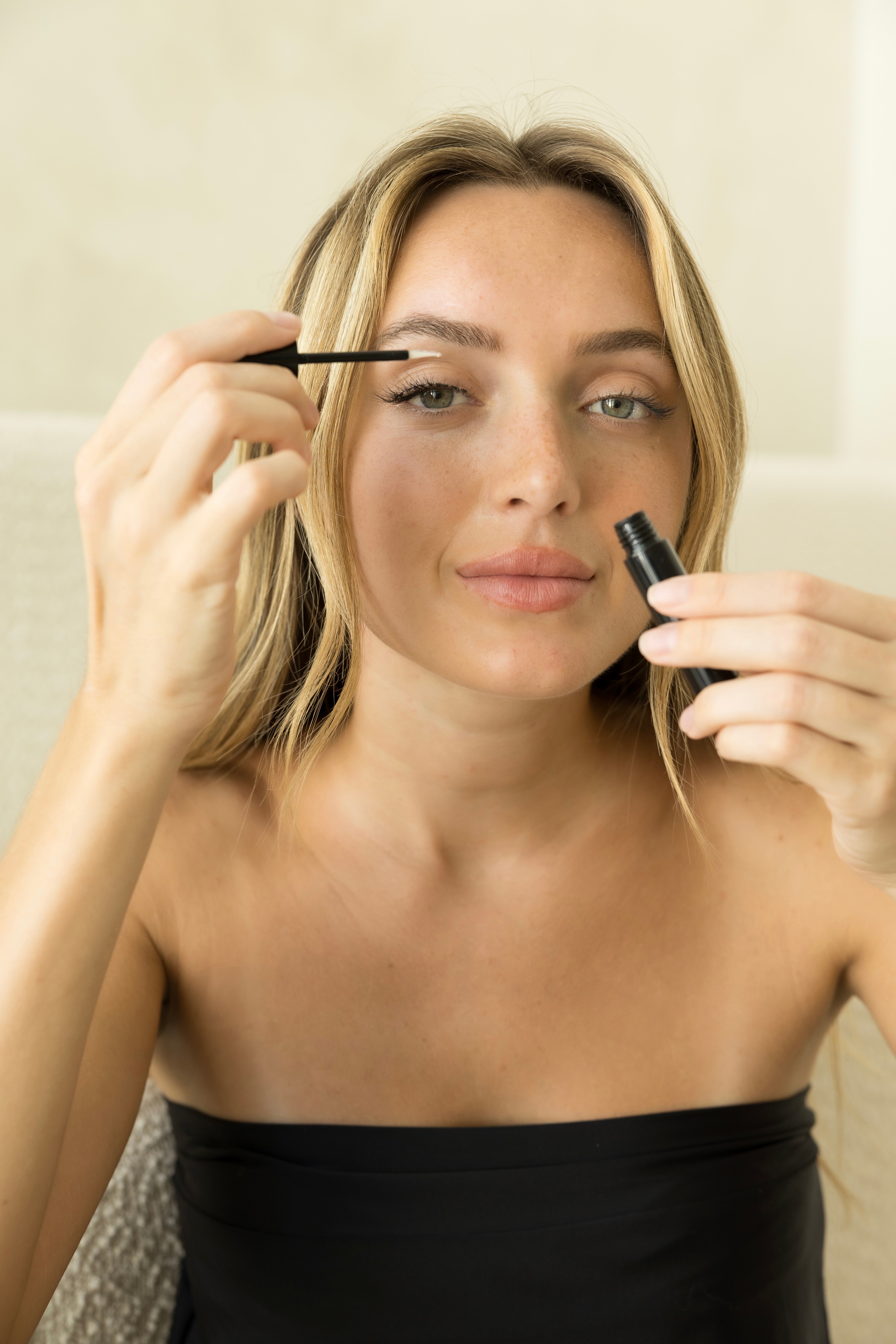
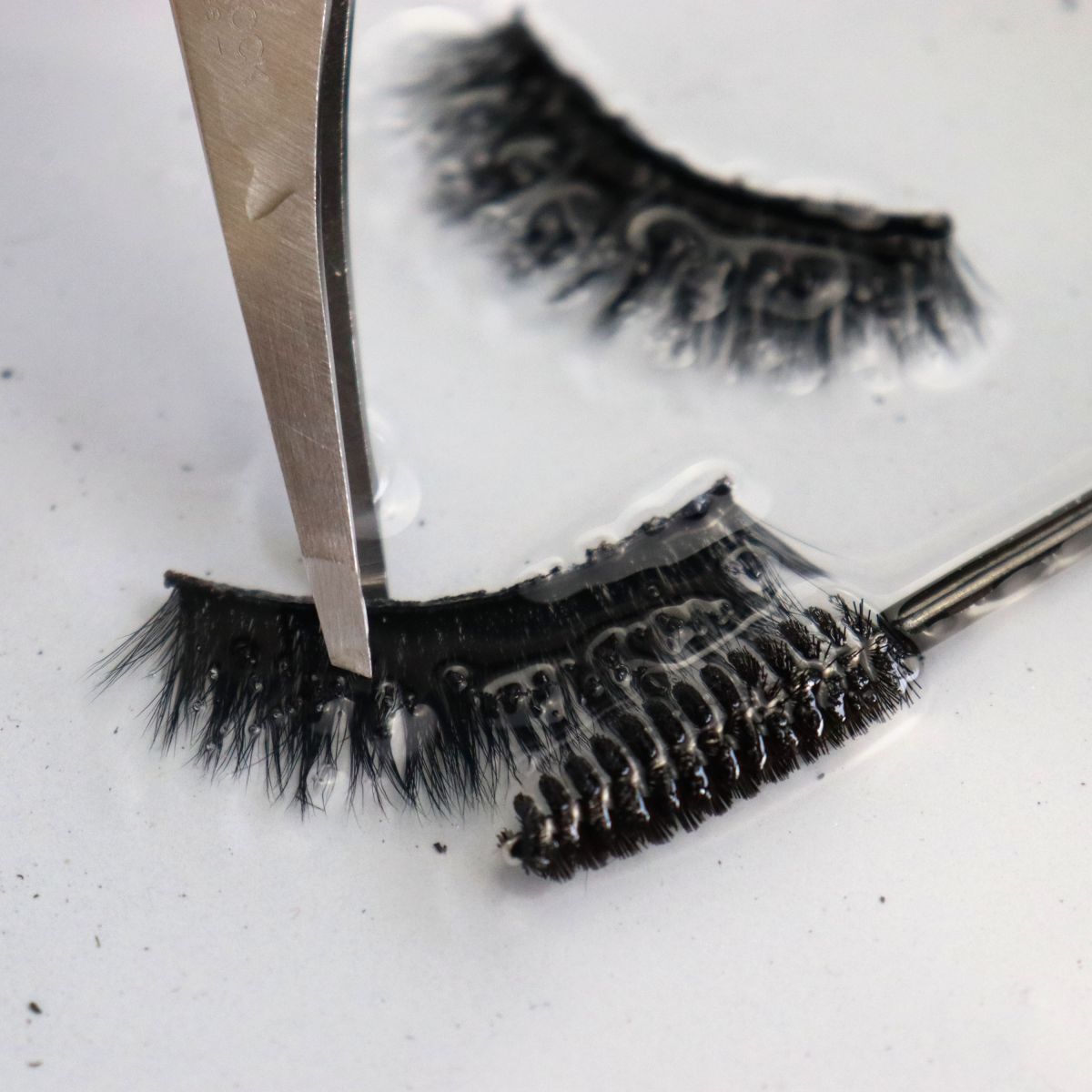
Magnetic lashes significantly changed the beauty landscape in 2019, transitioning from difficult "sandwich" application styles to the more effective magnetic eyeliner systems. While they do work for most users, success depends heavily on the concentration of iron oxide in the liner and the number of magnets on the lash band to ensure a secure, all-day hold.
The year 2019 served as a pivotal moment for the false eyelash industry. Before this period, the primary alternative to traditional lash glue was a dual-strip magnetic system that required sandwiching your natural lashes between two magnetic bands. By 2019, the introduction and refinement of magnetic eyeliner revolutionized the process, making it accessible to those who previously struggled with messy adhesives. As we look back from 2026, the 2019-era magnetic lashes remain a foundational technology in the cosmetic world, setting the standards for ease of use and eye safety.
The Evolution of Magnetic Technology in 2019
To understand if magnetic lashes work, one must distinguish between the two primary technologies available during the 2019 peak. The first generation, often referred to as "sandwich lashes," utilized two strips per eye. These relied on the attraction between two sets of magnets to grip the natural lash. While innovative, users frequently reported that they were heavy, difficult to align with the lash line, and often slipped throughout the day.
The second generation—and the real winner of 2019—was the magnetic eyeliner system. Brands like MoxieLash and LashLiner pioneered the use of a liquid or gel eyeliner infused with high concentrations of iron oxide. The lash strips, equipped with tiny micro-magnets, would then snap directly onto the liner. This eliminated the need to "sandwich" the natural lashes, allowing for a much closer fit to the eyelid and a more natural appearance.
This shift was more than just a marketing gimmick; it was a solution to the "inner corner lift" problem that plagued traditional glue-on lashes. Because the magnetic attraction is instantaneous, users could reposition the lashes without the gooey residue that often ruins a makeup look. However, the efficacy of these lashes is not universal and depends on several technical factors including magnet count, liner formula, and application technique.
How Magnetic Eyeliner and Lashes Function
The science behind the 2019 magnetic lash revolution is centered on iron oxide. This is a common mineral used in traditional cosmetics to provide pigment, but in magnetic liners, it is used at a higher concentration to create a receptive surface for the magnets. It is important to note that these liners do not contain actual magnets; rather, they contain magnetic-sensitive particles.
The lash bands themselves are typically constructed with 3 to 6 micro-magnets. In 2019, many affordable brands used only 3 magnets (outer, middle, inner), which often led to the band "poking" out at the ends. Premium 2019 brands moved toward 5 or 6 magnets, which allowed the band to contour to the natural curve of the eye more effectively.
The Role of Magnet Placement
When evaluating if these lashes "really work," the weight-to-magnet ratio is critical. If a lash is too voluminous (heavy) and only has three magnets, the gravitational pull and the movement of the eyelid will likely cause the magnets to detach from the liner. High-quality 2019 sets balanced lightweight synthetic fibers with enough magnets to distribute the weight evenly across the lash line.
Step-by-Step Application for Maximum Hold
One of the primary reasons users in 2019 reported that magnetic lashes "didn't work" was improper application. Unlike glue, which requires a "tacky" phase, magnetic liner requires a specific drying time to prevent the magnets from pulling the wet liner off the skin.
- Preparation and Trimming: Always measure the lash against your eye. If the band is too long, it will poke the inner corner or hang off the outer edge, causing the magnets to lose leverage. In 2019, experts recommended trimming from the outer edge, ensuring a magnet remained at the very end of the band.
- Liner Application: Apply a thick, even layer of the magnetic eyeliner. In 2019, the consensus was that a single thin line was rarely enough. Two coats were often necessary, with the second coat focusing on the inner and outer corners where lifting is most common.
- The Drying Phase: This is the most critical step. If you apply the magnets to wet liner, the liner will stick to the magnets rather than the eyelid. You must wait approximately 60 to 90 seconds until the liner is 80% dry—matte but slightly tacky to the touch.
- The "Snap" Attachment: Using tweezers or your fingers, bring the lash close to the liner. You should feel a physical "snap" as the magnets engage.
- Setting the Bond: Once attached, do not pull the lash. Gently press the magnets down to ensure they are fully seated in the liner.
2019 Magnetic Lash Brand Comparison
The following table compares the leading magnetic lash options available during the 2019 market peak, highlighting their technical specs and performance.
| Brand | System Type | Magnet Count | Material | 2019 Performance Rating |
|---|---|---|---|---|
| MoxieLash | Magnetic Liner | 5 Micro-magnets | Silk/Synthetic | High (Industry Standard) |
| Ardell Magnetic | Sandwich / Liner | 3-4 Magnets | Human Hair | Moderate (Great Value) |
| LashLiner | Magnetic Liner | 5-6 Magnets | Synthetic | High (Strongest Hold) |
| Kiss Magnetic | Magnetic Liner | 5 Magnets | Faux Mink | High (Best Drugstore) |
| Generic Brands | Sandwich Style | 2-3 Magnets | Synthetic | Low (Difficult to use) |
The Pros and Cons: A Realistic Assessment
To determine if magnetic lashes really work for your lifestyle, you must weigh the convenience against the specific limitations of the 2019 technology.
The Advantages
- No Adhesive Damage: Traditional lash glue can pull out natural lashes during removal. Magnetic systems involve a liner that is removed with oil-based cleanser, preserving the health of the natural lash follicle.
- Reusability: Because there is no glue buildup on the lash fibers, 2019 magnetic lashes could often be worn 30+ times if the magnets were cleaned properly with alcohol.
- Adjustability: If you place the lash incorrectly, you can simply pull it off and snap it back on. With glue, you would have to clean the lid and restart the entire makeup process.
The Disadvantages
- Liner Thickness: Magnetic liners in 2019 were notoriously thick and "goopy" compared to high-end traditional liners. Achieving a precise wing was difficult for beginners.
- Weather Sensitivity: While the magnets are strong, they are not invincible. High winds or heavy rain could potentially break the magnetic bond, especially if the liner application was too thin.
- Magnet Maintenance: If liner builds up on the tiny magnets, the magnetic force weakens. Users had to be diligent about scraping off dried liner after every use.
Technical Limitations and Safety Considerations
A common question in 2019 was whether these lashes were safe for the eyes. The primary ingredient, iron oxide, is FDA-approved for cosmetic use and is found in almost all mascaras. However, people with extreme sensitivities to metals should perform a patch test on their wrist before applying the liner to their eyelids.
Furthermore, the 2019 magnetic systems were not recommended for use during MRI scans due to the presence of iron oxide and magnets. While this is a niche concern, it highlights the technical nature of the product. From a purely functional standpoint, magnetic lashes work effectively as long as the user understands they are not "permanent." They are a daily-wear cosmetic tool, much like a clip-in hair extension.
Troubleshooting Common Issues
If you find that your magnetic lashes are not sticking, the issue is usually one of three things:
- Incomplete Drying: If the liner is too wet, the magnet will slide. If it is too dry (brittle), the magnet won't have a tacky surface to grip. Aim for the "matte-tacky" stage.
- Oil Interference: If you have oily eyelids or used an oil-based primer, the liner may lift off the skin entirely, taking the lash with it. Always start with a clean, dry eyelid.
- Magnet Debris: Check the bottom of the lash band. Even a tiny speck of dried liner from a previous use can create a gap between the magnet and the eyelid liner, breaking the magnetic circuit.
FAQ
Can I use mascara with magnetic lashes?
Yes, you can apply mascara to your natural lashes before applying magnetic lashes. This helps the natural lashes blend with the synthetic ones. However, avoid putting mascara directly on the magnetic lash fibers, as this will reduce their lifespan and make the magnets harder to clean.
Do magnetic lashes feel heavy on the eyes?
Generally, magnetic liner lashes feel lighter than the older sandwich-style lashes. However, they may feel slightly heavier than traditional glue-on lashes because of the physical weight of the micro-magnets. Most users adjust to the sensation within 15 minutes of wear.
How do I remove the magnetic eyeliner?
The eyeliner used in 2019 systems was designed to be long-wearing and smudge-proof. To remove it, you need an oil-based makeup remover or micellar water formulated for waterproof makeup. Soak a cotton pad, hold it over the closed eye for 30 seconds, and gently wipe away.
Are magnetic lashes better than lash extensions?
They serve different purposes. Lash extensions are semi-permanent and require professional maintenance, while magnetic lashes are a DIY, daily-wear option. Magnetic lashes are significantly more affordable and carry a lower risk of allergic reaction compared to the cyanoacrylate glue used in extensions.
Can I wear magnetic lashes with glasses?
Yes, but you must choose the style carefully. Many 2019 "glam" styles were very long and would hit the lenses of glasses. Look for "natural" or "accent" lashes if you plan to wear them with spectacles.
Selecting the Right Pair for Your Eye Shape
To ensure your magnetic lashes work effectively, you must match the lash style to your eye shape. For hooded eyes, 2019 beauty experts recommended lashes that were longer in the center to "open" the eye. For almond eyes, a winged or "cat-eye" style (longer on the outer corners) works best to accentuate the natural shape.
If you are a beginner, starting with an accent lash (a half-strip) is the most reliable way to test the technology. These require less precision and are less likely to lift because they do not extend into the watery inner corner of the eye. By following the dual-layer liner method and ensuring the magnets are clean, the 2019 magnetic lash system remains a highly effective alternative to traditional falsies.