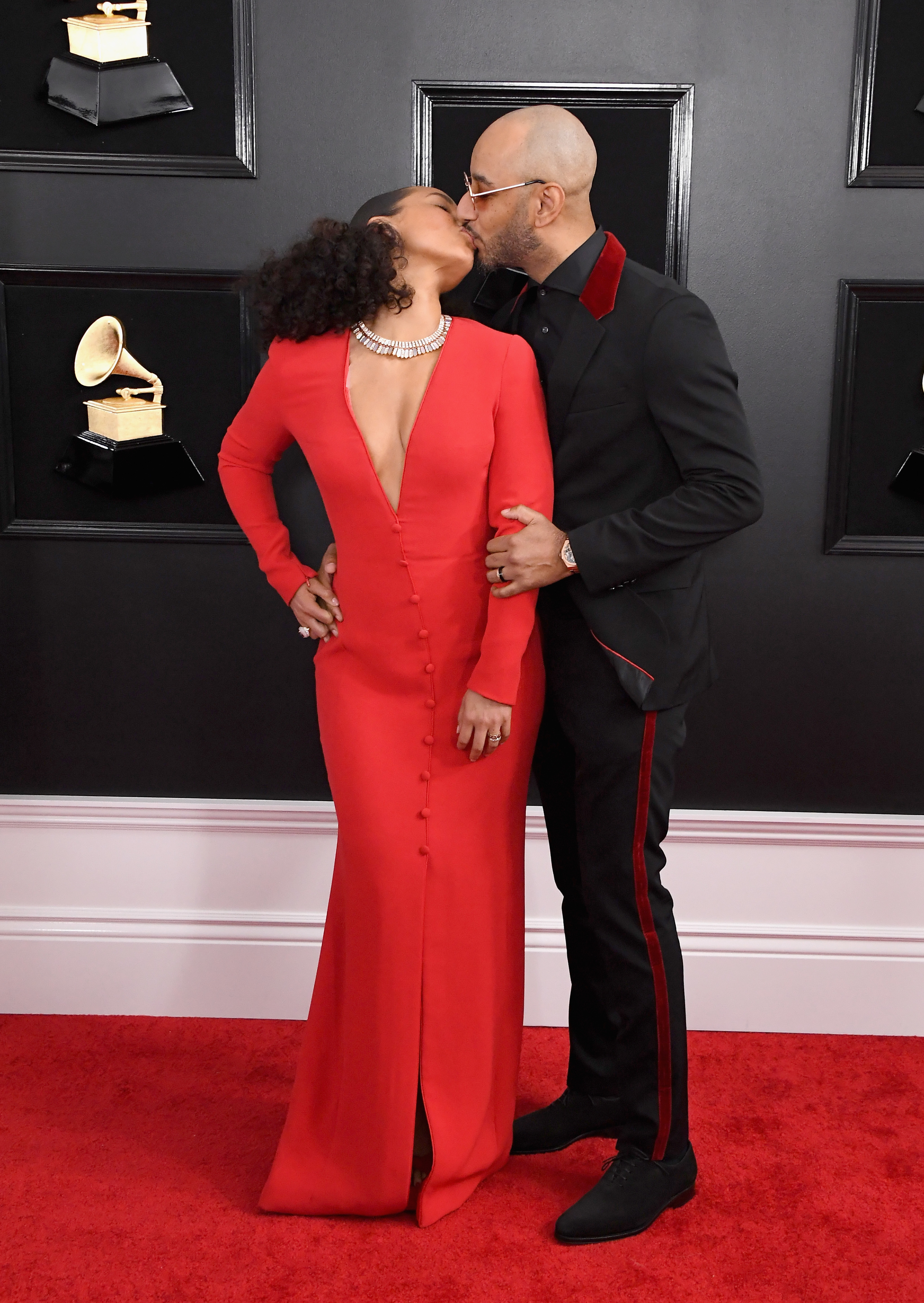
The 2019 Grammy Awards—officially known as the 61st Annual Grammy Awards—took place on February 10, 2019, at the Staples Center in Los Angeles. Hosted by Alicia Keys, the ceremony celebrated achievements in the music industry from October 1, 2017, to September 30, 2018, featuring historic wins for Childish Gambino, Kacey Musgraves, Cardi B, and Dua Lipa.
Overview and Context of the 61st Annual Grammy Awards
The 61st Annual Grammy Awards marked a major structural turning point in the history of the Recording Academy. Responding to long-standing criticism regarding representation and diversity within top categories, the Academy instituted a structural rule change for the 2019 ceremony: the number of nominees in the "General Field" categories—Album of the Year, Record of the Year, Song of the Year, and Best New Artist—was expanded from five to eight. This change aimed to provide a broader cross-section of genres, artists, and cultural backgrounds within the marquee races.
Broadcast live on CBS in the United States, the ceremony was anchored by 15-time Grammy winner Alicia Keys, whose hosting duties included a memorable piano showcase playing two grand pianos simultaneously. The eligibility period spanned October 1, 2017, through September 30, 2018, placing the ceremony's focus on a transitional period in contemporary music where streaming dominance, genre-blending, and sociopolitical themes heavily influenced commercial and critical successes.
The night stood out for its elevation of female artists across multiple major categories, contrasting sharply with the previous year’s broadcast, which had faced public scrutiny regarding gender inclusion. From the opening moment—featuring a surprise appearance by former First Lady Michelle Obama alongside Lady Gaga, Jada Pinkett Smith, Jennifer Lopez, and Alicia Keys—the 2019 Grammys placed female empowerment, genre diversity, and creative autonomy at the center of the broadcast.
Major Category Winners: Breaking Down the General Field
Album of the Year: Golden Hour by Kacey Musgraves
Country singer-songwriter Kacey Musgraves took home the night's most prestigious honor, Album of the Year, for her critically acclaimed third studio album, Golden Hour. Produced alongside Daniel Tashian and Ian Fitchuk, Golden Hour blended traditional country acoustic instruments with elements of modern pop, disco, and soft-rock production.
Musgraves’ victory represented a rare crossover success for a country album in the general field, earning praise for its intimate songwriting, vocal clarity, and optimistic thematic tone. In addition to Album of the Year, Golden Hour swept all three country categories in which it was nominated, making Musgraves one of the primary victors of the broadcast.
Record of the Year and Song of the Year: "This Is America" by Childish Gambino
Donald Glover, performing under his musical moniker Childish Gambino, made Grammy history with his viral, politically charged track "This Is America." The song won both Record of the Year (awarded to the artist and production team) and Song of the Year (awarded to the songwriters Donald Glover, Ludwig Göransson, and Jeffery Lamar Williams, professional name Young Thug).
This marked the first time in Grammy history that a hip-hop or rap composition won either Record of the Year or Song of the Year. Addressing systemic racism, gun violence, and media distraction in modern American society, "This Is America" relied on stark tonal shifts between gospel-infused melodies and heavy trap beats. Although Glover chose not to attend or perform at the ceremony, the double win solidified the track’s place as a cultural touchstone of the late 2010s.
Best New Artist: Dua Lipa
English singer-songwriter Dua Lipa was awarded Best New Artist, capping a breakout year fueled by her self-titled debut album and hit singles like "New Rules" and "IDGAF." Her victory came amid a competitive field expanded to eight nominees, which included Chloe x Halle, Luke Combs, Greta Van Fleet, H.E.R., Margo Price, Bebe Rexha, and Jorja Smith. In her acceptance speech, Dua Lipa highlighted the strong presence of female nominees in the category, explicitly referencing the ongoing movement toward gender equity within the music business.
2019 General Field Winners Summary: - Album of the Year: Kacey Musgraves — Golden Hour - Record of the Year: Childish Gambino — "This Is America" - Song of the Year: Childish Gambino — "This Is America" - Best New Artist: Dua Lipa
Key Genre Category Breakdown and Notable Victories
The 61st Grammy Awards featured significant moments across individual genre fields, reflecting shifts in rap, pop, R&B, and roots music.
Rap Categories: Historic Firsts and Industry Friction
The rap categories produced several headline-grabbing developments during the 2019 broadcast:
- Best Rap Album: Cardi B won for her debut studio album, Invasion of Privacy, becoming the first solo female artist to capture the award since the category was established in 1996.
- Best Rap Song: Drake secured the award for "God's Plan." During his acceptance speech, he voiced critical commentary on the necessity of institutional awards versus audience validation before his microphone was cut to commercial.
- Best Rap Performance: Kendrick Lamar, Jay Rock, Future, and James Blake tied with Anderson .Paak ("Bubblin'"), with the former winning for "King's Dead" from the Black Panther soundtrack.
Pop and Visual Media Categories
Lady Gaga was among the evening's most awarded individual artists, picking up three Grammys:
- Best Pop Duo/Group Performance: Lady Gaga and Bradley Cooper won for "Shallow" from the film A Star Is Born.
- Best Song Written for Visual Media: "Shallow" also earned top honors for its songwriters (Lady Gaga, Mark Ronson, Anthony Rossomando, and Andrew Wyatt).
- Best Pop Solo Performance: Lady Gaga won for "Joanne (Where Do You Think You're Goin'?)".
- Best Pop Vocal Album: Ariana Grande earned her first Grammy for her fourth studio album, Sweetener, though she abstained from attending the broadcast following creative differences with ceremony producers regarding her performance setlist.
R&B and American Roots
- Best R&B Album: H.E.R. won for her self-titled compilation album, establishing her as a central figure in modern R&B. She also claimed Best R&B Performance for "Best Part" featuring Daniel Caesar.
- American Roots Categories: Brandi Carlile entered the night as the most-nominated woman (six nominations) and secured three awards, including Best American Roots Performance and Best American Roots Song for "The Joke," alongside Best Americana Album for By the Way, I Forgive You.
Comprehensive 2019 Grammy Awards Winners Summary Table
The table below outlines the primary winners across major categories at the 61st Annual Grammy Awards, detailing the artist, work, and category classification.
| Award Category | Winning Title / Track | Artist / Creator(s) | Key Significance / Notes |
|---|---|---|---|
| Album of the Year | Golden Hour | Kacey Musgraves | Crossover country-pop album; won all 4 of its nominated categories. |
| Record of the Year | "This Is America" | Childish Gambino | First hip-hop track to win Record of the Year in Grammy history. |
| Song of the Year | "This Is America" | Donald Glover, Ludwig Göransson, Jeffery Lamar Williams | First hip-hop song to win Song of the Year; recognized songwriting team. |
| Best New Artist | N/A | Dua Lipa | Headlined an expanded 8-nominee field of emerging international artists. |
| Best Rap Album | Invasion of Privacy | Cardi B | First solo female artist to win Best Rap Album. |
| Best Pop Vocal Album | Sweetener | Ariana Grande | Grande's first career Grammy win; skipped ceremony over setlist dispute. |
| Best Country Album | Golden Hour | Kacey Musgraves | Anchored Musgraves' genre-wide sweep across country categories. |
| Best R&B Album | H.E.R. | H.E.R. | Breakthrough project that launched H.E.R. into mainstream critical acclaim. |
| Best Pop Duo/Group Performance | "Shallow" | Lady Gaga & Bradley Cooper | Lead single from A Star Is Born soundtrack; won multiple visual media awards. |
| Best Rap Song | "God's Plan" | Drake | Awarded to Aubrey Graham, Daveon Jackson, Brock Korsan, Ron LaTour, Matthew Samuels, & Noah Shebib. |
| Best Urban Contemporary Album | Everything Is Love | The Carters (Beyoncé & Jay-Z) | Collaborative studio album released under joint moniker. |
| Best Americana Album | By the Way, I Forgive You | Brandi Carlile | Part of Carlile's 3-award sweep in American Roots music categories. |
Cultural Impact, Controversies, and Memorable Ceremony Moments
The General Field Expansion
The decision to expand the four major general categories from five to eight nominees was one of the most consequential administrative shifts in recent Recording Academy history. Designed to make room for genre diversity—particularly hip-hop, R&B, and indie pop—the expansion resulted in one of the most eclectic nominee slates of the decade. The shift demonstrated the Academy's intent to better reflect contemporary listening habits driven by streaming platforms.
High-Profile Absence and Acceptance Speech Interruptions
Tension between top hip-hop artists and the Recording Academy remained visible throughout the event:
- Childish Gambino & Kendrick Lamar: Neither Childish Gambino nor Kendrick Lamar (who led the night with eight nominations for the Black Panther soundtrack) performed or attended the broadcast, reflecting ongoing disputes between hip-hop creators and legacy institutional awards.
- Drake’s Acceptance Speech: Upon accepting Best Rap Song for "God's Plan," Drake addressed aspiring artists directly, stating that validation comes from fan connections and sold-out shows rather than physical trophies. Mid-speech, the broadcast cut to a commercial break, provoking online debate regarding ceremony management and broadcast editing protocols.
- Ariana Grande’s Dispute: Ariana Grande publicly clashed with producer Ken Ehrlich days before the broadcast over artistic freedom regarding her song choices, leading her to cancel her appearance despite winning Best Pop Vocal Album.
Tributes and Stage Performances
The 2019 ceremony placed heavy emphasis on live multi-artist tributes:
- Dolly Parton Tribute: A multi-genre tribute honoring Dolly Parton featured performances by Kacey Musgraves, Katy Perry, Miley Cyrus, Little Big Town, and Maren Morris alongside Parton herself.
- Aretha Franklin Tribute: Following the Queen of Soul’s passing in August 2018, Fantasia Barratt, Andra Day, and Yolanda Adams delivered a poignant performance of "(You Make Me Feel Like) A Natural Woman."
- Motown 60th Anniversary: Jennifer Lopez led a tribute to Motown Records featuring guest appearances by Smokey Robinson and Ne-Yo.
Frequently Asked Questions
Who hosted the 2019 Grammy Awards?
Alicia Keys hosted the 61st Annual Grammy Awards. Her hosting performance was widely praised for its musicality, warm tone, and a famous segment where she performed hits on two grand pianos simultaneously.
Which album won Album of the Year at the 2019 Grammys?
Kacey Musgraves won Album of the Year for Golden Hour. The album won all four categories in which it was nominated, including Best Country Album, Best Country Song ("Space Cowboy"), and Best Country Solo Performance ("Butterflies").
What historic record did Childish Gambino set at the 61st Grammy Awards?
Childish Gambino's "This Is America" became the first hip-hop track in Grammy history to win both Record of the Year and Song of the Year. It also won Best Music Video and Best Rap/Sung Performance.
Who was named Best New Artist at the 2019 Grammy Awards?
Dua Lipa won Best New Artist at the 2019 ceremony, emerging victorious from an expanded field of eight nominees that included Chloe x Halle, Luke Combs, Greta Van Fleet, H.E.R., Margo Price, Bebe Rexha, and Jorja Smith.
Why did the Recording Academy expand the General Field categories in 2019?
The Recording Academy expanded the General Field categories (Album, Record, Song of the Year, and Best New Artist) from five to eight nominees to foster greater diversity, inclusivity, and broader representation of genres and artists within the main races.
How to Access Official 2019 Grammy Archives and Historical Records
For music historians, researchers, and fans looking to review the official documentation, voting data, and media archives of the 61st Annual Grammy Awards, several official resources provide verified data:
- Recording Academy Official Awards Database: The official Grammy website (grammy.com) maintains a searchable database of all past nominees and winners. You can filter by year (2018 eligibility / 2019 ceremony) or specific category to review full technical credits, including engineers, producers, and songwriters.
- Grammy Museum Archives: Located in Los Angeles, California, the Grammy Museum preserves physical artifacts, stage wear, and interactive digital exhibits from the 61st ceremony, including curated displays on Golden Hour and This Is America.
- Official Performance Recordings and Visual Media: Performance highlights, acceptance speeches, and red carpet interviews are cataloged via the Recording Academy's official YouTube channel and CBS/Paramount archival streaming collections.
To conduct deeper research into how the 2019 voting guidelines laid the groundwork for modern Grammy policies, consult the Recording Academy’s published rulebooks and annual governance updates detailing voting committee reforms.