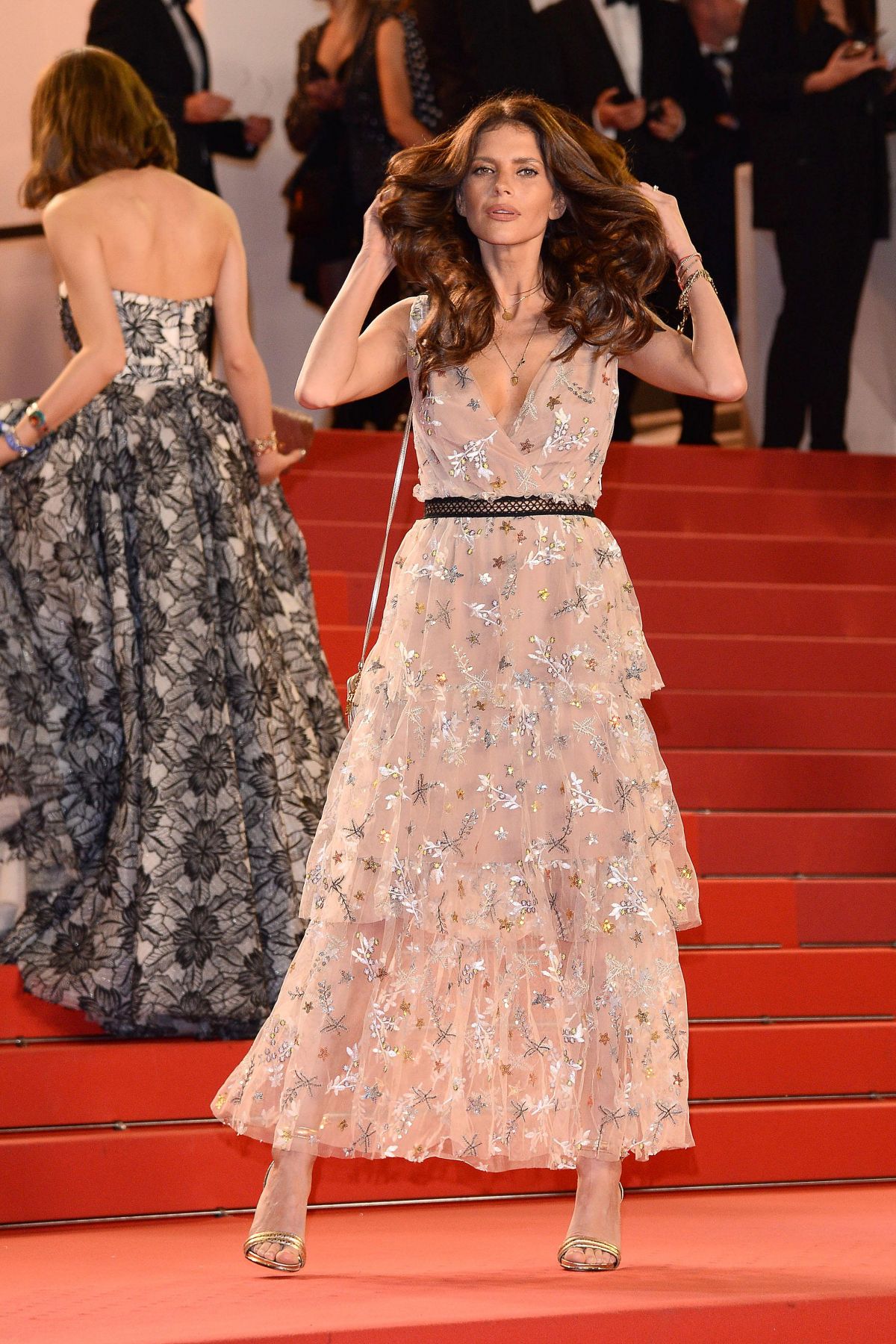
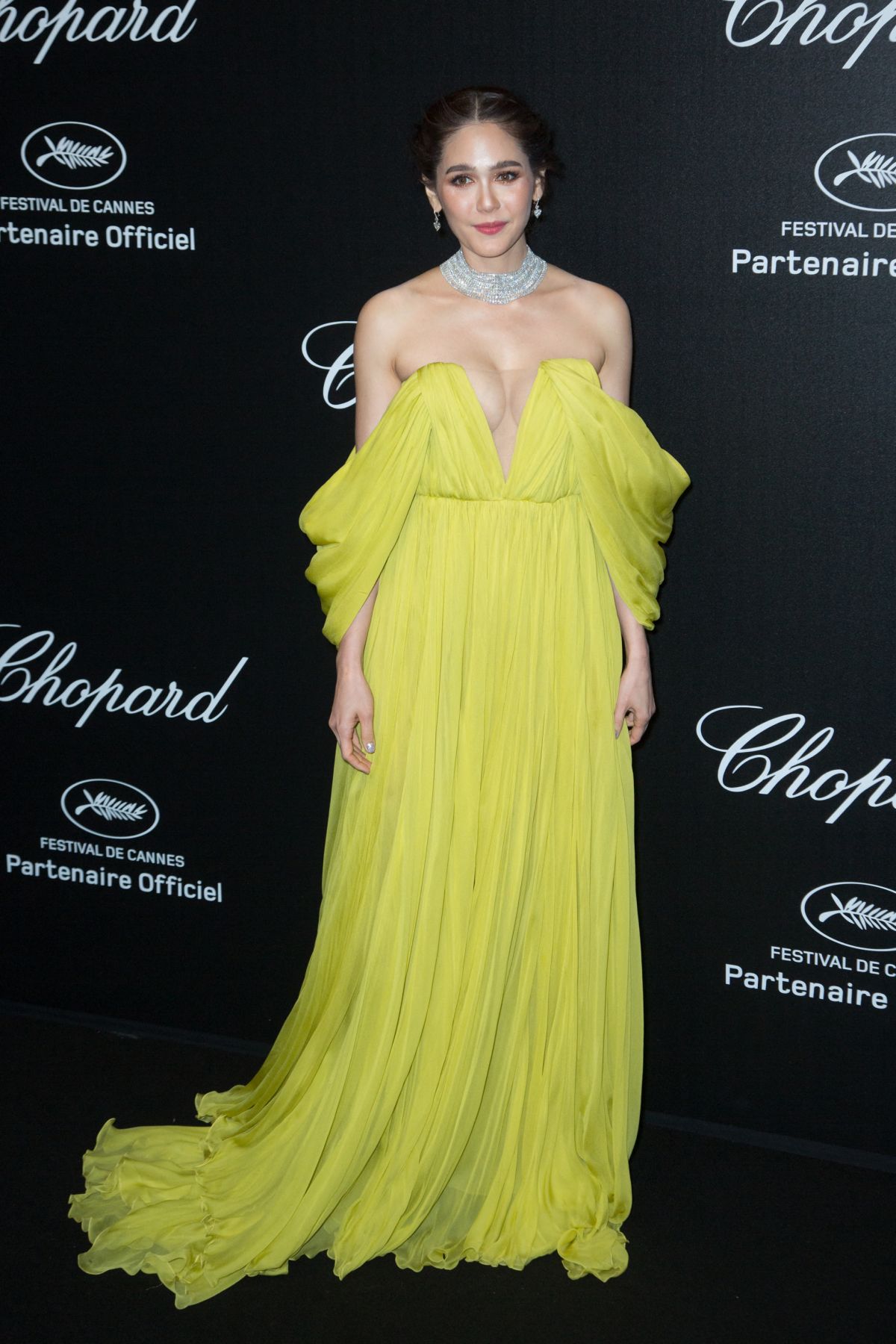
The 72nd annual Cannes Film Festival took place from May 14 to May 25, 2019, in Cannes, France. Chaired by Mexican filmmaker Alejandro González Iñárritu, the festival delivered one of the most critically acclaimed lineups in modern cinema, crowned by a unanimous Palme d'Or victory for Bong Joon-ho’s social satire Parasite.
While the Cannes gathering primarily signifies the premier global showcase for auteur cinema, the name "Cannes 2019" occasionally refers to the Cannes Lions International Festival of Creativity held later that June. However, in global media and film history, the 2019 festival refers overwhelmingly to the 72nd Festival de Cannes, an event that reshaped international film distribution, redefined award-season trajectories, and spotlighted vital artistic voices.
Overview of the 72nd Festival de Cannes
Held at the Palais des Festivals et des Congrès along the Boulevard de la Croisette, the 2019 festival operated under the leadership of festival President Pierre Lescure and General Delegate Thierry Frémaux. The event brought together international directors, producers, film scholars, and journalists to evaluate dozens of features across the Official Selection, Un Certain Regard, and parallel sidebar sections such as Directors' Fortnight (Quinzaine des Réalisateurs) and Critics' Week (Semaine de la Critique).
The main competition jury was presided over by Alejandro González Iñárritu, making him the first Latin American filmmaker to serve as jury president in the festival's history. The jury comprised a diverse panel of international artists:
- Elle Fanning (American actress), who became the youngest jury member in Cannes history at age 21
- Maimouna N'Diaye (Burkinabé actress and director)
- Kelly Reichardt (American director and screenwriter)
- Alice Rohrwacher (Italian director and screenwriter)
- Enki Bilal (French author and filmmaker)
- Robin Campillo (French director and editor)
- Yorgos Lanthimos (Greek director and producer)
- Pawel Pawlikowski (Polish director and screenwriter)
Together, this panel evaluated 21 feature films in the main competition, balancing established cinematic icons against groundbreaking emerging talent.
The Historic Victory of Bong Joon-ho’s Parasite
The defining narrative of the 2019 festival was the overwhelming critical acclaim for Parasite (Gisaengchung), directed by South Korean auteur Bong Joon-ho. The jury awarded Parasite the Palme d'Or by a unanimous decision—a rare feat in Cannes history. It was the first Korean film to ever win the festival's highest honor.
2019 PALME D'OR MILESTONE
- Film: PARASITE (Gisaengchung)
- Director: Bong Joon-ho | Country: South Korea
- Jury Vote: Unanimous (Chaired by Alejandro G. Iñárritu)
- Impact:
- First Korean Palme d'Or
- First Non-English Best Picture winner at the 92nd Academy Awards
Parasite constructs an intricate black comedy-thriller detailing the codependent relationship between the impoverished Kim family and the wealthy Park family. The film resonated globally due to its sharp social critique of economic inequality, structural class divisions, and architectural symbolism.
The Palme d'Or win at Cannes launched an unprecedented award-season run. Later in early 2020, Parasite achieved monumental success at the 92nd Academy Awards, winning four Oscars, including Best Picture, Best Director, Best Original Screenplay, and Best International Feature Film. It became the first non-English language film to win Best Picture in Oscar history, solidifying the 2019 Cannes selection as a crucial turning point for international cinema in global pop culture.
Official Competition Award Winners and Highlights
Beyond the Palme d'Or, the 2019 jury recognized a remarkably balanced roster of films addressing themes of labor exploitation, historical romance, immigration, and institutional systemic failure.
| Award Category | Film Title | Recipient / Director | Country of Origin |
|---|---|---|---|
| Palme d'Or | Parasite | Bong Joon-ho | South Korea |
| Grand Prix | Atlantics (Atlantique) | Mati Diop | Senegal / France / Belgium |
| Jury Prize (Tied) | Les Misérables | Ladj Ly | France |
| Jury Prize (Tied) | Bacurau | Kleber Mendonça Filho & Juliano Dornelles | Brazil |
| Best Director | Young Ahmed (Le Jeune Ahmed) | Jean-Pierre & Luc Dardenne | Belgium |
| Best Actor | Pain and Glory (Dolor y gloria) | Antonio Banderas | Spain |
| Best Actress | Little Joe | Emily Beecham | United Kingdom / Austria |
| Best Screenplay | Portrait of a Lady on Fire | Céline Sciamma | France |
| Caméra d'Or (Best First Feature) | Our Mothers (Nuestras madres) | César Díaz | Guatemala / Belgium |
Breakthrough Performances and Auteur Triumphs
The Grand Prix was awarded to Mati Diop for Atlantics, making her the first Black female director to have a film screened in competition at the Cannes Film Festival. Atlantics combined supernatural elements with a harrowing exploration of migrant labor and grief along the Dakar coastline.
The Jury Prize was shared by two politically charged films: Ladj Ly's Les Misérables, a tense examination of police brutality and racial friction in the Paris suburbs, and Kleber Mendonça Filho and Juliano Dornelles' Bacurau, a violent, anti-colonial satire about a remote Brazilian village defending itself against foreign mercenaries.
In individual categories, Antonio Banderas earned the Best Actor prize for his vulnerable performance in Pedro Almodóvar’s autobiographical drama Pain and Glory, portraying an aging film director reflecting on creative decline and physical pain. Emily Beecham received Best Actress for her performance in Jessica Hausner’s eerie sci-fi parable Little Joe.
Céline Sciamma won Best Screenplay for Portrait of a Lady on Fire (Portrait de la jeune fille en feu), an 18th-century romantic drama celebrated for its visual composition, absence of traditional male gaze dynamics, and sound design. The film also won the independent Queer Palm, becoming the first film directed by a woman to win that award.
Key Premieres Beyond the Main Competition
The 2019 festival featured high-profile titles outside the main prize structure, drawing significant media attention and red-carpet star power.
Major In-Competition Premieres
- Quentin Tarantino’s Once Upon a Time in Hollywood: Premiering exactly 25 years after Tarantino’s Pulp Fiction won the Palme d'Or in 1994, the film starred Leonardo DiCaprio, Brad Pitt, and Margot Robbie. It offered a nostalgic, alternate-history homage to late-1960s Los Angeles cinema.
- Terrence Malick’s A Hidden Life: Marking a return to structured narrative for Malick, this historical drama chronicled the life of Franz Jägerstätter, an Austrian conscientious objector who refused to swear allegiance to Adolf Hitler during World War II.
Out-of-Competition and Sidebar Highlights
- Rocketman: Dexter Fletcher’s musical biopic detailing the life and early career of Elton John premiered Out of Competition, accompanied by a live performance from Elton John along the Croisette.
- The Invisible Life of Eurídice Gusmão: Directed by Karim Aïnouz, this melodrama won the top prize in the Un Certain Regard section, which focuses on non-traditional storytelling and international emerging visions.
- Beanpole (Dylda): Russian filmmaker Kantemir Balagov won the Best Director award in the Un Certain Regard section for his harrowing portrait of two women coping with post-World War II trauma in Leningrad.
Industry Debates, Controversies, and Cultural Trends
The 2019 festival served as a battleground for ongoing debates regarding gender parity, streaming media distribution, and historical legacy within international cinema.
KEY INDUSTRY DEBATES (CANNES 2019)
- Gender Equity: First year following the 50/50 by 2020 pledge
- Streaming vs. Theaters: Continued exclusion of Netflix titles
- Lifetime Awards: Public dispute over Alain Delon's Honor Prize
Gender Representation and the 50/50 Pledge
Following the signing of the 50/50 by 2020 gender equity pledge in 2018, the 2019 festival faced intense scrutiny regarding female representation. While four female directors competed for the Palme d'Or in 2019—Mati Diop, Céline Sciamma, Jessica Hausner, and Justine Triet (Sibyl)—critics noted that four out of 21 films remained a modest proportion. However, the qualitative success of Diop and Sciamma framed 2019 as a crucial step toward artistic parity in top-tier festival lineups.
The Netflix and Streaming Standoff
The policy requiring films in Competition to have a committed French theatrical release remained strictly enforced. Under French legal media chronology guidelines at the time, theatrical release required a mandatory multi-year wait before a film could be streamed on subscription platforms.
Because streaming services like Netflix favored simultaneous global digital launches, high-profile projects—including Martin Scorsese's The Irishman—were omitted from the Cannes Competition. This policy cemented Cannes as a defender of traditional theatrical exhibition, establishing a contrast with competing festivals like Venice and Toronto.
The Alain Delon Honorary Palme d'Or
The festival's decision to present an Honorary Palme d'Or for career achievement to veteran French actor Alain Delon sparked controversy. Advocacy organizations criticized the decision, citing past public statements made by Delon regarding domestic violence, political conservatism, and opposition to adoption by same-sex couples. Festival delegate Thierry Frémaux defended the honor, asserting that the prize recognized Delon’s six-decade artistic acting career rather than his political views.
Sourcing and Accessing the 2019 Cannes Catalog Today
For film scholars, programmers, and cinephiles researching the films of Cannes 2019, the selection remains highly accessible through institutional archives, commercial streaming libraries, and boutique physical releases.
Guidance for Research and Screening
- Physical Media Preservation: Premier physical distribution labels (such as The Criterion Collection, Kino Lorber, and Curzon) have issued definitive 4K UHD and Blu-ray editions of key 2019 selections. Parasite, Portrait of a Lady on Fire, Bacurau, and A Hidden Life feature technical director commentaries, archival festival Q&As, and original press booklets.
- Streaming and Educational Licensing: Platform distribution for 2019 Cannes titles varies by jurisdiction. Educational institutions often maintain access to Atlantics, Les Misérables, and Beanpole through specialized academic streaming portals like Kanopy or Alexander Street.
- Official Festival Archives: Detailed press kits, complete jury statements, daily festival publications (Le Film Français and Screen International dailies), and red-carpet conference video archives remain publicly consultable at the official Festival de Cannes Portal.
Frequently Asked Questions About Cannes 2019
Which film won the Palme d'Or at the 2019 Cannes Film Festival?
Bong Joon-ho’s Parasite won the Palme d'Or at the 2019 Cannes Film Festival. The jury reached a unanimous decision to grant South Korea its first Palme d'Or, setting off a wave of global accolades that culminated in four Academy Awards, including Best Picture.
Who served as the Jury President for the 2019 Cannes Film Festival?
Mexican filmmaker Alejandro González Iñárritu served as the Jury President for the 72nd edition. He was the first Latin American director to head the main competition jury in Cannes history.
Why was the 2019 festival considered historic for female directors?
Mati Diop became the first Black female director to have a feature film featured in the festival's Main Competition with Atlantics, ultimately taking home the Grand Prix. Additionally, Céline Sciamma became the first woman to win the Queer Palm for Portrait of a Lady on Fire, alongside winning Best Screenplay.
Were Netflix films included in the 2019 Cannes Competition?
No, Netflix films were excluded from the Main Competition due to festival rules requiring every competition film to be scheduled for a traditional French theatrical release. France's media chronology laws restricted subscription streaming services from releasing films digitally for several years after theatrical debut, preventing streaming exclusives from competing.
Who won the Best Actor and Best Actress awards at Cannes in 2019?
Antonio Banderas won Best Actor for his performance as Salvador Mallo in Pedro Almodóvar's Pain and Glory. Emily Beecham won Best Actress for her portrayal of Alice, a plant breeder, in Jessica Hausner's Little Joe.
Analytical Takeaways for Cinema Historians
The 72nd Cannes Film Festival stands as a watershed moment in modern global cinema. Rather than acting merely as an isolated luxury gathering, the 2019 festival set artistic benchmarks that reshaped international film finance, altered awards-season strategies, and pushed non-English language cinema directly into the global cultural mainstream.
For film programmers and researchers studying modern auteur cinema, the 2019 selection offers a textbook template for how festival programming can capture socio-political tensions—specifically economic class warfare and institutional accountability—while elevating formal cinematic craft. Studying the distribution pathways, jury compositions, and critical responses of Cannes 2019 provides essential insights into how international prestige cinema is curated, evaluated, and preserved across digital and theatrical landscapes.