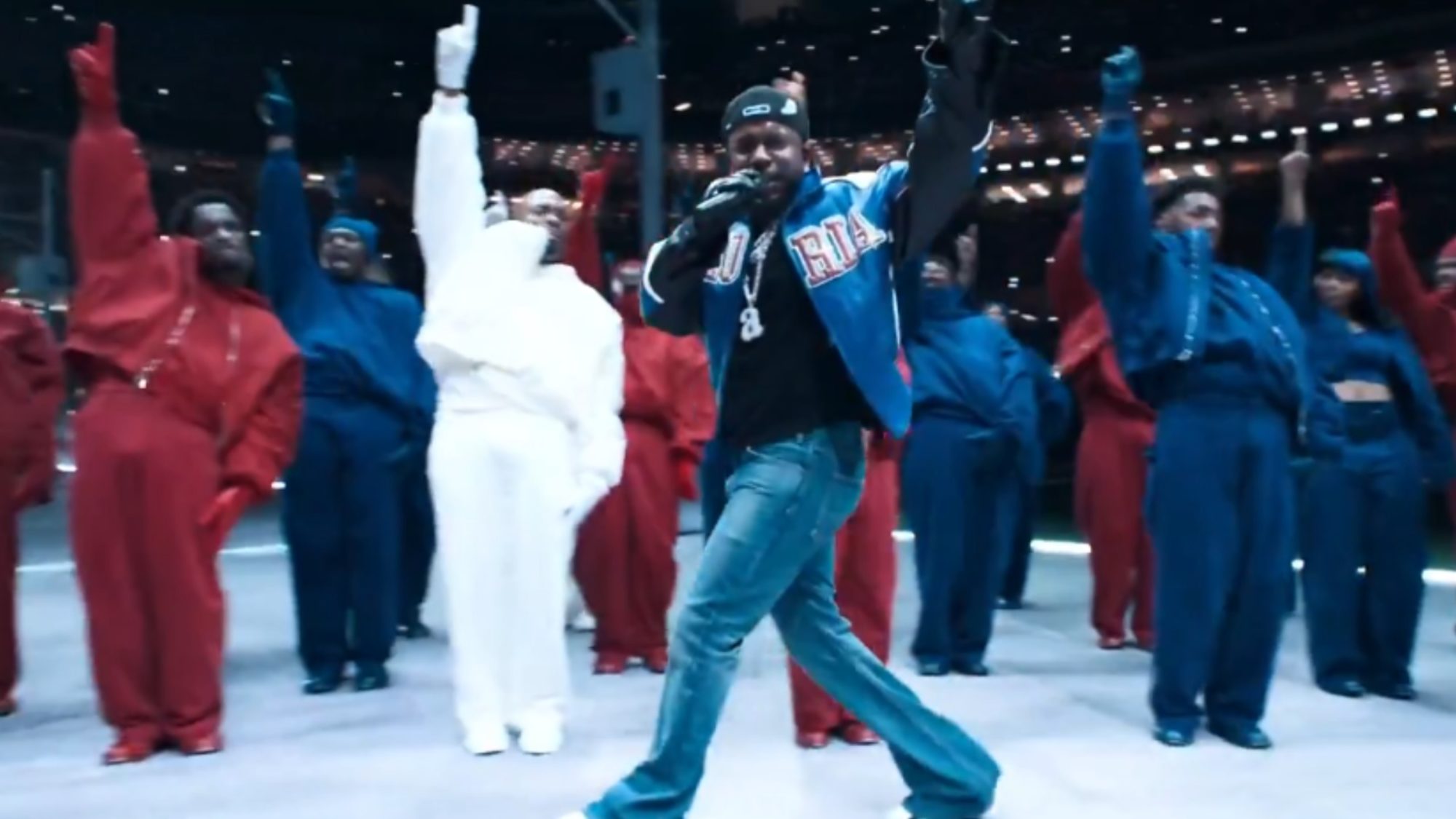
The 2018 Super Bowl LII halftime show featured Justin Timberlake as the solo headliner, marking his third appearance on the NFL's grandest stage. Performing at the U.S. Bank Stadium in Minneapolis, Timberlake delivered a high-energy, career-spanning medley that combined intricate choreography, a massive marching band, and a poignant tribute to the city's local icon, Prince.
When Justin Timberlake took the stage for the Pepsi Super Bowl LII Halftime Show on February 4, 2018, the stakes were exceptionally high. It had been 14 years since his controversial appearance with Janet Jackson, and the world was watching to see how the "Prince of Pop" would handle a solo spotlight in the home of the actual Prince. As we look back from the vantage point of 2026, the 2018 performance remains a masterclass in technical precision and athletic showmanship, even as the landscape of halftime shows has shifted toward the massive guest-heavy spectacles of the 2020s.
The Historical Context of Justin Timberlake’s 2018 Return
To understand the weight of the 2018 performance, one must look at Timberlake’s unique history with the Super Bowl. He remains one of the few artists to have performed at the event three times. His first appearance was in 2001 with his boy band *NSYNC, sharing the stage with Aerosmith, Britney Spears, and Mary J. Blige. His second, in 2004, became one of the most infamous moments in television history due to the "wardrobe malfunction" during a duet with Janet Jackson.
By 2018, Timberlake was promoting his fifth studio album, Man of the Woods. There was significant public discourse leading up to the event regarding whether Janet Jackson would make a surprise appearance—a rumor Timberlake eventually debunked. The choice of Minneapolis as the host city also added a layer of complexity; it was the hometown of Prince, who had passed away only two years prior in 2016. The intersection of Timberlake's pop legacy and the looming shadow of the Purple One defined the narrative of the night.
Top 5 Iconic Moments from the Super Bowl LII Halftime Show
The 13-minute set was designed as a continuous, flowing journey through the stadium, utilizing multiple stages and even the concourse. Here are the definitive highlights that defined the 2018 show.
1. The Club-to-Field Transition
Unlike many performers who begin their set on a central stage, Timberlake started his performance in a stylized "club" setting located underneath the stadium stands. Opening with his then-new single "Filthy," he moved through a crowded, neon-lit corridor, surrounded by dancers. This choice created an immediate sense of intimacy before exploding into the vastness of the stadium. The seamless transition as he emerged onto the field to the opening chords of "Senorita" showcased the rigorous rehearsal and timing required for such a mobile production.
2. The Prince Tribute and the Purple City
The most emotionally resonant moment of the night occurred when Timberlake sat down at a white piano. As he began to sing "Until the End of Time," a massive projection screen—a billowing piece of fabric—rose behind him, displaying footage of Prince performing "I Would Die 4 U."
While there had been pre-game controversy regarding rumors of a Prince hologram (which the Prince estate reportedly blocked), the use of archival footage was seen as a respectful compromise. As the song reached its climax, the camera pulled back to show an aerial view of Minneapolis, where the blocks surrounding the stadium were illuminated in purple light, forming Prince's iconic "Love Symbol." This moment bridged the gap between the touring pop star and the grieving local community.
3. The "Suit & Tie" Marching Band Extravaganza
Justin Timberlake has always leaned into the big-band sound, and for "Suit & Tie," he utilized the full force of the University of Minnesota Marching Band. The visual of dozens of brass players in uniform, moving in sync with Timberlake’s own dance troupe, added a layer of collegiate energy that is quintessential to the American football experience. This segment highlighted Timberlake’s ability to blend high-fashion pop aesthetics with traditional halftime show tropes, creating a bridge between old-school entertainment and modern choreography.
4. The "Mirrors" Light Show
During the performance of "Mirrors," the production team deployed hundreds of individual performers holding large reflective panels. These panels caught the stadium lights, creating a shimmering, kaleidoscopic effect that moved in waves across the field. From the overhead "spider-cam" shots, the visual was stunning, representing one of the most effective uses of "human props" in the history of the Super Bowl. It transformed the turf into a literal sea of light, emphasizing the scale of the venue.
5. The "Selfie Kid" Viral Moment
No retrospective of 2018 is complete without mentioning Ryan McKenna, famously known as the "Selfie Kid." During the finale of "Can't Stop the Feeling!", Timberlake ran into the stands to interact with the crowd. He stopped next to 13-year-old McKenna, who famously struggled with his phone for a moment before capturing a selfie with the superstar. The image of the boy immediately looking down at his phone while the world’s biggest pop star danced next to him became an instant meme, encapsulating the digital-first nature of the late 2010s.
Technical Production and The Tennessee Kids
The 2018 show was a significant undertaking for the NFL’s production partners and the halftime show director, Hamish Hamilton. Because the U.S. Bank Stadium is an enclosed fixed-roof stadium, the acoustics were a primary concern. Timberlake relied heavily on his long-time touring band, The Tennessee Kids, a massive ensemble that includes a full horn section, multiple percussionists, and several backing vocalists.
The live instrumentation set this performance apart from others that rely heavily on pre-recorded tracks. The Tennessee Kids provided a "live" feel that managed to fill the cavernous stadium. The stage design was also non-traditional; rather than one large platform, the production used a series of smaller stages connected by "runways" of turf and LED flooring. This allowed Timberlake to cover more ground than almost any previous performer, making the show feel like a stadium-wide party rather than a static concert.
| Song Segment | Key Visual Element | Primary Focus |
|---|---|---|
| "Filthy" | Neon Underground Club | Intimacy and Tech-Focus |
| "Rock Your Body" | Laser Array | Dance Choreography |
| "Cry Me a River" | Stage-wide Sprint | Athleticism/Movement |
| "Suit & Tie" | U of M Marching Band | Big Band Spectacle |
| "I Would Die 4 U" | Prince Projection | Tribute/Local Connection |
| "Mirrors" | Handheld Reflective Panels | Visual Scale/Light Play |
| "Can't Stop the Feeling!" | The Stadium Stands | Fan Interaction/Viral Moment |
Critical Reception and Cultural Impact
In the immediate aftermath of 2018, the reviews were a mix of praise for Timberlake's technical skill and critiques regarding the audio mix. Some critics felt that the sound of the crowd often overwhelmed the vocals, a common challenge in domed stadiums. However, the ratings told a different story: the halftime show remained one of the most-watched television events of the year, pulling in over 106 million viewers.
From our perspective in 2026, the 2018 show is viewed as the "final chapter" of a specific era of Super Bowl entertainment. Shortly after this, the NFL entered a partnership with Jay-Z’s Roc Nation to produce the halftime shows, leading to a shift toward multi-artist lineups (such as the 2022 Hip-Hop tribute or the 2020 J-Lo and Shakira pairing). Timberlake’s 2018 set was one of the last "lone wolf" performances where a single pop star carried the entire 13 minutes without a high-profile guest.
Logistics and Requirements for a Modern Halftime Show
While the performers do not receive a traditional "paycheck" from the NFL (the league covers production costs, which can exceed $10 million), the logistical requirements for an artist like Timberlake are immense.
- Rehearsal Time: Performers typically spend 6-9 months planning and several weeks in full-scale rehearsals at off-site locations.
- The "Build" and "Strike": The 2018 crew had approximately 7 minutes to assemble the various stages on the field and 6 minutes to remove them to allow the game to resume.
- Safety Protocols: Given the cold Minneapolis climate in February, the indoor stadium provided a controlled environment, but the logistics of moving thousands of fans onto the field for the "pit" area required rigorous security screening and coordination.
Frequently Asked Questions
Did Janet Jackson perform with Justin Timberlake in 2018?
No, Janet Jackson did not appear during the 2018 Super Bowl halftime show. Despite significant fan speculation and rumors that they might reunite to "fix" the legacy of the 2004 performance, Timberlake performed the entire set without any surprise musical guests.
How did they create the Prince tribute without a hologram?
The production used a massive projection on a semi-transparent silk-like fabric. This allowed the image of Prince from the film Purple Rain to appear larger-than-life while still maintaining a "dream-like" quality. This was paired with a pre-coordinated lighting plan that turned the skyline of Minneapolis purple simultaneously.
Who was the kid who took a selfie with Justin Timberlake?
The "Selfie Kid" is Ryan McKenna. At the time of the 2018 Super Bowl, he was 13 years old and lived in Massachusetts. His brief struggle to get his phone ready while Timberlake sang next to him became the most talked-about non-musical moment of the event.
What songs were in the 2018 Super Bowl setlist?
The setlist included: "Filthy," "Rock Your Body," "Senorita," "SexyBack," "My Love," "Cry Me a River," "Suit & Tie," "Until the End of Time," "I Would Die 4 U" (Prince cover/tribute), "Mirrors," and "Can't Stop the Feeling!"
How much did Justin Timberlake get paid for the 2018 Super Bowl?
Consistent with NFL policy, Justin Timberlake was not paid a performance fee. The NFL and Pepsi covered the multi-million dollar production costs, including the stage, lighting, and travel for the Tennessee Kids, but the artist's "payment" comes in the form of massive exposure and a surge in music sales/streaming following the event.
How to Relive the 2018 Performance Today
For those looking to revisit the Super Bowl LII halftime show in 2026, the performance remains widely available on the NFL's official digital channels. Watching the show with a focus on the Tennessee Kids' live arrangements provides a deeper appreciation for the musicality involved. While the "Selfie Kid" and the Prince tribute grabbed the headlines, the true achievement of 2018 was the seamless integration of a high-speed dance routine with the logistics of a massive indoor stadium.
If you are a student of stage production or a fan of pop history, analyzing the 2018 show offers valuable insights into how to maintain energy across a 100-yard field without the aid of guest stars or pyrotechnic gimmicks—relying instead on pure performance and a very large marching band.