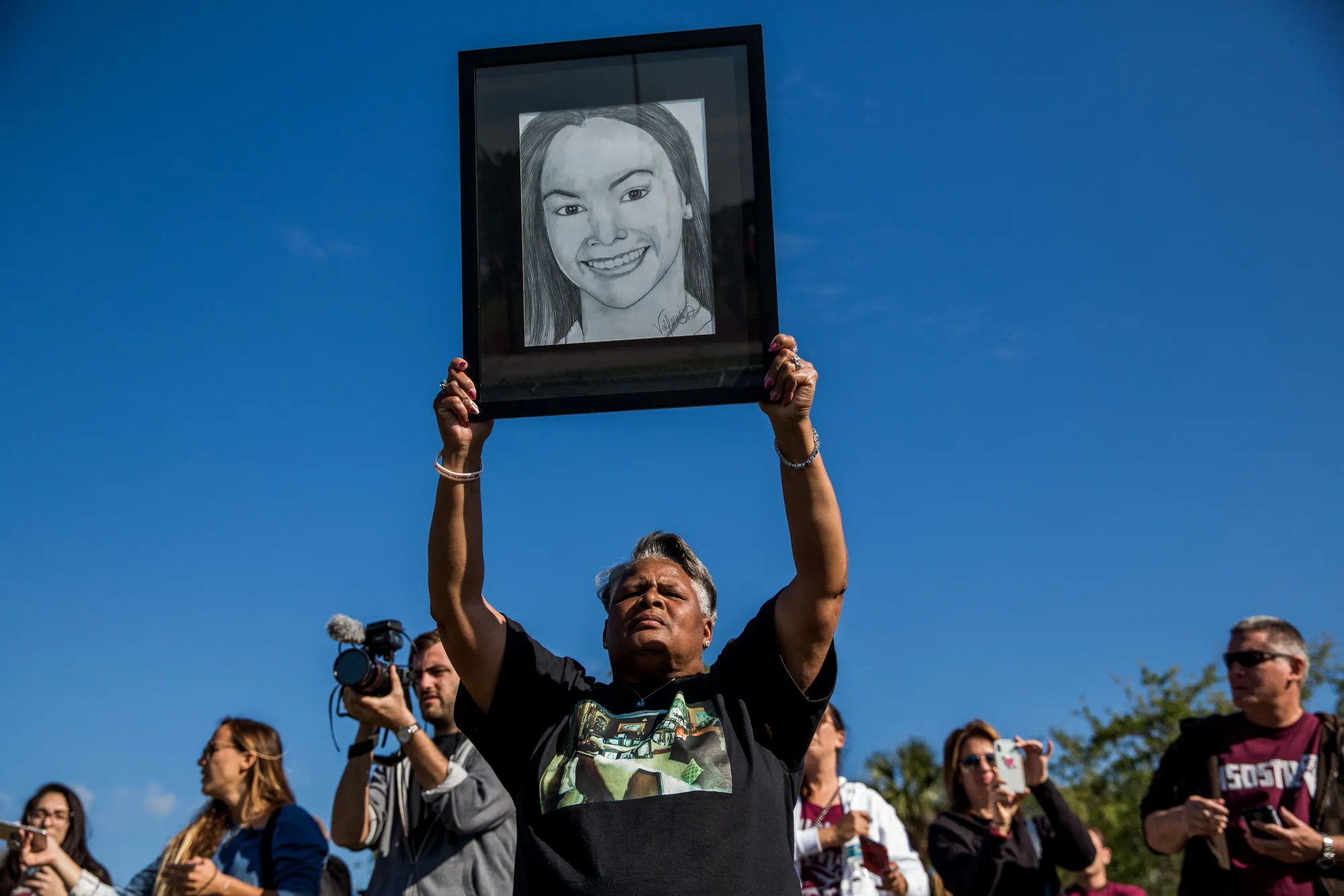
In 2018, the United States experienced a series of high-profile mass shootings that fundamentally altered the national conversation regarding gun violence, school safety, and domestic extremism. From the tragedy at Marjory Stoneman Douglas High School to the Tree of Life Synagogue attack, these events triggered unprecedented youth-led activism and significant shifts in state-level firearm legislation.
The year 2018 stands as a somber milestone in modern American history. While mass shootings had occurred with regularity in previous decades, 2018 was characterized by the intensity of the public response and the specific environments targeted, including schools, a newsroom, a place of worship, and a nightlife venue. As of 2026, the legislative and social repercussions of these events continue to influence how municipalities approach public safety and how survivors advocate for policy reform.
The Landmark Tragedy: Marjory Stoneman Douglas High School
On February 14, 2018, a former student opened fire at Marjory Stoneman Douglas High School in Parkland, Florida. This incident resulted in 17 fatalities and 17 injuries, making it one of the deadliest school shootings in U.S. history. The Parkland shooting was a "flashpoint" because of the immediate and highly organized response from the surviving students.
The "Never Again MSD" movement was formed almost immediately, led by students who utilized social media to organize the "March for Our Lives." This protest became one of the largest youth-led demonstrations in history, with a massive rally in Washington, D.C., and hundreds of sibling marches worldwide. The advocacy focused on universal background checks, bans on high-capacity magazines, and raising the minimum age to purchase firearms.
Legislatively, the Parkland shooting led to the passage of the Marjory Stoneman Douglas High School Public Safety Act in Florida. Signed into law just three weeks after the shooting, it raised the firearm purchase age to 21, created a waiting period for long guns, and established the state's first "Red Flag" law. By 2026, Florida’s implementation of Extreme Risk Protection Orders (ERPOs) has served as a primary case study for other states looking to balance due process with public safety interventions.
The Santa Fe and Capital Gazette Attacks
While Parkland dominated the news cycle, 2018 saw other significant mass casualty events that highlighted the vulnerability of diverse public spaces. On May 18, 2018, a shooting at Santa Fe High School in Texas resulted in 10 deaths and 13 injuries. This event occurred only three months after Parkland but saw a different community response, focusing heavily on school hardening, mental health resources, and "guardian" programs rather than strict firearm restrictions.
Just over a month later, on June 28, 2018, a gunman attacked the Capital Gazette newsroom in Annapolis, Maryland. Five employees were killed in what was described as a targeted attack against journalists. This incident underscored the rising threats against the press and led to increased security protocols in media offices across the country. For the journalism community, the Capital Gazette shooting remains a reminder of the physical risks associated with local reporting and the persistence of workplace violence stemming from long-term grievances.
Targeted Violence: The Tree of Life and Thousand Oaks
The latter half of 2018 was marked by two events that intensified concerns over antisemitism and the safety of recreational spaces. On October 27, 2018, a gunman entered the Tree of Life – Or L'Simcha Congregation in Pittsburgh, Pennsylvania, during morning services. The attack killed 11 people and injured six, making it the deadliest attack on the Jewish community in the United States.
The Tree of Life shooting was classified as a federal hate crime. It prompted a national discussion on the rise of white supremacist rhetoric and the "Great Replacement" conspiracy theory. By 2026, the legal proceedings and the eventual sentencing in this case have been cited as critical benchmarks for how the federal government prosecutes domestic terrorism and hate-motivated mass violence.
Less than two weeks after the Pittsburgh tragedy, on November 7, 2018, a shooting occurred at the Borderline Bar & Grill in Thousand Oaks, California. Twelve people were killed, including a veteran police sergeant. The venue was hosting a "College Country Night," echoing the vulnerability of nightlife locations seen previously in the 2016 Pulse nightclub shooting. These back-to-back incidents at the end of 2018 left a lasting impact on the collective psyche, suggesting that no space—be it religious, professional, or social—was exempt from the threat of mass violence.
Statistical Overview of 2018 Mass Shootings
To understand the scale of violence in 2018, it is necessary to examine the data compiled by organizations such as the Gun Violence Archive and the FBI. While definitions of "mass shooting" vary (some requiring four or more fatalities, others including injuries), the consensus among researchers is that 2018 was a peak year for school-based violence and high-fatality public attacks.
| Date | Location | Incident Type | Fatalities | Injuries |
|---|---|---|---|---|
| Feb 14, 2018 | Parkland, FL | School (High School) | 17 | 17 |
| May 18, 2018 | Santa Fe, TX | School (High School) | 10 | 13 |
| June 28, 2018 | Annapolis, MD | Workplace (Newsroom) | 5 | 2 |
| Oct 27, 2018 | Pittsburgh, PA | Religious Institution | 11 | 6 |
| Nov 7, 2018 | Thousand Oaks, CA | Nightlife/Bar | 12 | 25+ |
The high casualty counts in these five incidents alone represent only a fraction of the total gun violence deaths in 2018, but they drove the majority of the policy and security changes that followed. The concentration of these events led to a 2018 "threat assessment" shift, where law enforcement began prioritizing the identification of "lone wolf" actors who exhibited "pathway to violence" behaviors online.
Legislative and Regulatory Changes Post-2018
The legislative response to the 2018 shootings occurred at both the state and federal levels, though state-level changes were more prolific. One of the most significant federal actions was the Department of Justice's ban on bump stocks, which was finalized in late 2018 and took effect in 2019. Although bump stocks were not the primary focus of the Parkland or Pittsburgh shooters, the national outcry following the 2017 Las Vegas shooting peaked in 2018, providing the political momentum to reclassify these devices as "machine guns" under the National Firearms Act.
At the state level, the "Red Flag" movement gained significant traction. Before 2018, only a handful of states had Extreme Risk Protection Order (ERPO) laws. Following the Parkland tragedy, more than a dozen states passed similar legislation, allowing family members or law enforcement to petition a court to temporarily remove firearms from individuals deemed a danger to themselves or others.
Furthermore, 2018 marked a shift in corporate involvement. Companies like Dick’s Sporting Goods and Walmart announced they would no longer sell certain types of firearms or ammunition to individuals under 21. This corporate policy shift reflected a growing trend of private sector intervention in the absence of federal legislative consensus.
School Safety and Security Infrastructure
The 2018 school shootings in Parkland and Santa Fe led to a massive influx of funding for "school hardening." This included the installation of bullet-resistant glass, automatic locking doors, and sophisticated surveillance systems. However, as of 2026, the effectiveness of these physical measures remains a subject of debate among educators and safety experts.
Key developments in school safety protocols since 2018 include:
- Behavioral Threat Assessment Teams: Schools shifted from purely reactive measures to proactive identification. These teams include administrators, mental health professionals, and law enforcement who evaluate students exhibiting concerning behavior.
- Anonymous Reporting Systems: Many states mandated the use of apps (such as "FortifyFL" or "Say Something") that allow students to report threats or concerns anonymously.
- Active Shooter Drills: While controversial due to their potential psychological impact on children, "Run, Hide, Fight" drills became a standardized requirement in nearly all U.S. public school districts following 2018.
- Mental Health Integration: There was a recognized need to increase the ratio of school counselors and psychologists to students, although funding gaps in various regions have slowed the full implementation of these standards by 2026.
Frequently Asked Questions
Which 2018 shooting had the greatest impact on gun laws?
The Parkland shooting at Marjory Stoneman Douglas High School had the most immediate and widespread impact on legislation. It directly led to the passage of Florida’s Senate Bill 7026 and inspired "Red Flag" laws in multiple other states. The activism of the Parkland survivors also significantly influenced the 2018 midterm elections, making gun control a central campaign issue.
Was there a federal ban on any firearms in 2018?
No federal ban on specific firearm models was enacted in 2018. However, the Trump administration initiated the regulatory process to ban bump stocks, which was finalized in December 2018. This was an administrative rule change by the ATF rather than an act of Congress.
How did 2018 change security in houses of worship?
The Pittsburgh Tree of Life shooting led to a surge in federal grants for non-profit security. Many synagogues, churches, and mosques began hiring armed security guards, installing "panic buttons," and conducting "Stop the Bleed" training for congregants. The Department of Homeland Security (DHS) also increased its outreach to faith-based communities to help them prepare for targeted violence.
What happened to the perpetrators of the 2018 shootings?
The outcomes varied by incident. The Parkland shooter was sentenced to life in prison without parole in 2022 after a lengthy sentencing trial. The Tree of Life shooter was sentenced to death in 2023. In the Thousand Oaks and Santa Fe cases, the perpetrators died at the scene or have faced complex legal and mental competency proceedings that lasted several years.
How did the media’s coverage of shootings change after 2018?
Following 2018, many news organizations adopted the "No Notoriety" protocol. This involves limiting the use of the shooter's name and image to avoid providing the "fame" that many attackers seek. Instead, coverage began to focus more on the victims' lives and the systemic issues contributing to the violence.
Moving Forward: Resources and Advocacy
For those seeking to understand the ongoing impact of the 2018 shootings or wishing to engage in advocacy, several organizations provide verified data and support services. Survivors of the 2018 incidents often work with groups like Everytown for Gun Safety, The Giffords Law Center, or March for Our Lives to push for policy changes.
For those impacted by trauma, the National Mass Violence Victimization Resource Center (NMVVRC) offers specialized tools and recovery resources tailored to the survivors of mass casualty events. As we look back from 2026, the primary lesson of 2018 is the importance of a multifaceted approach—combining legislative reform, mental health support, and community vigilance—to address the complex roots of public violence.