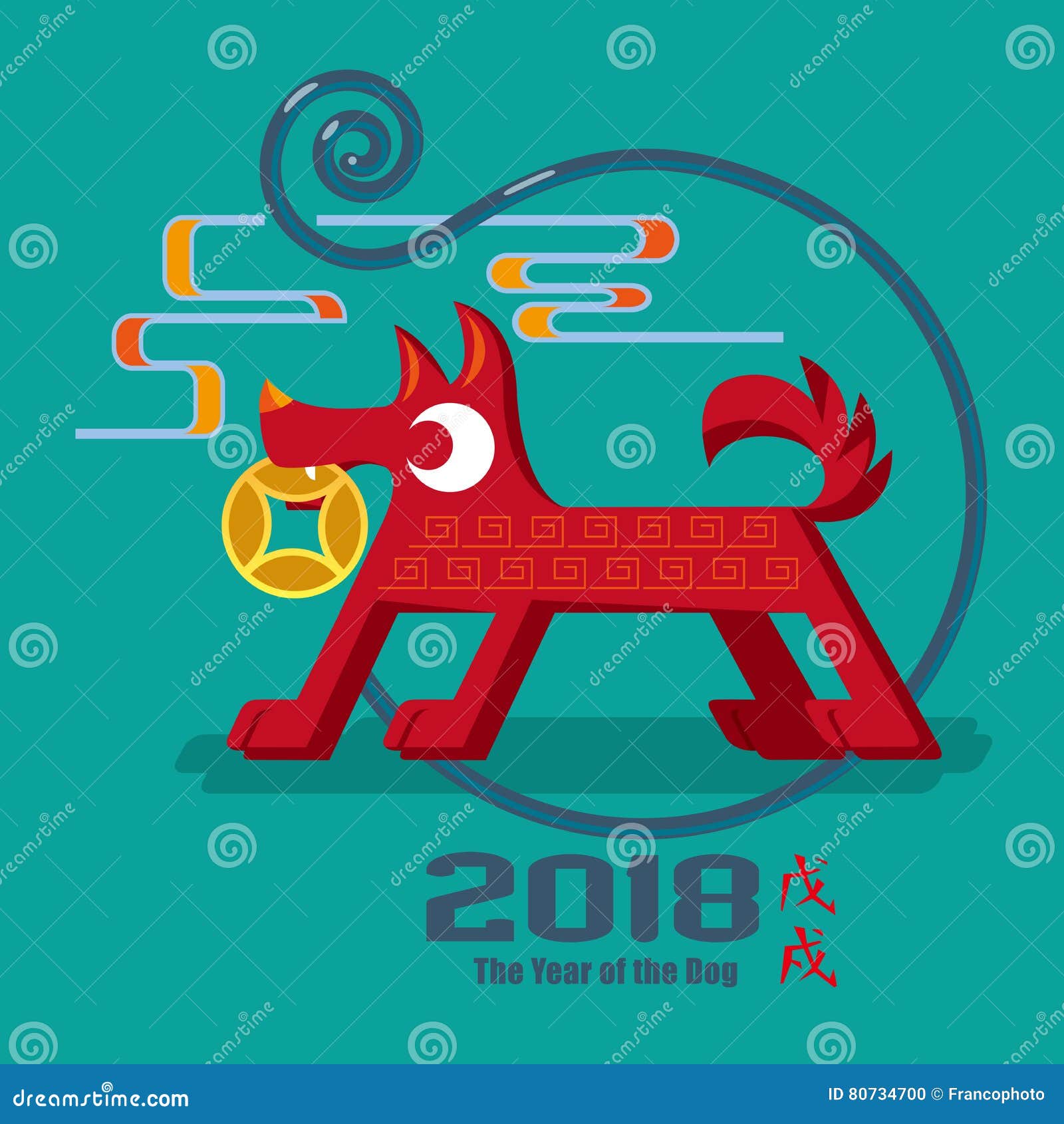
The 2018 Chinese Zodiac Year of the Dog began on February 16, 2018, and ended on February 4, 2019. Governed by the Earth element, this year signifies stability, loyalty, responsibility, and justice. Determining your exact zodiac birthdate requires aligning your Gregorian calendar date of birth with the traditional Chinese Lunar Calendar start and end dates.
Understanding the Symbolism of the 2018 Earth Dog
In traditional Chinese astrology, each year in the 60-year sexagenary cycle is defined by a combination of one of the Twelve Earthly Branches and one of the Five Heavenly Stems. The year 2018 corresponds to the stem Wù (Yang Earth) and the branch Xū (Dog), making 2018 specifically the year of the Earth Dog (Wùxū).
The Dog is the eleventh animal in the Chinese zodiac sequence, preceded by the Rooster and followed by the Pig. Symbolically, the Dog represents fidelity, vigilance, protection, and unyielding honesty. When paired with the Earth element, these core characteristics become further grounded. Earth provides a foundation of practicality, patience, realism, and structured thinking.
Unlike years ruled by dynamic or volatile elements like Fire or Metal, an Earth Dog year emphasizes cautious progress, ethical behavior, social justice, and community welfare. People born during an Earth Dog year are typically viewed as dependable, grounded, thoughtful, and deeply committed to supporting their family, friends, and colleagues.
The Chinese Lunar Calendar vs. the Gregorian Calendar
A common point of confusion when determining zodiac signs is the difference between the solar Gregorian calendar used globally for civil purposes and the traditional lunisolar Chinese calendar.
The Gregorian calendar fixes the new year on January 1 every year. In contrast, the Chinese Lunar New Year is based on astronomical observations of the phases of the moon and the position of the sun. As a result, the start date of the Chinese New Year fluctuates each year on the Gregorian calendar, typically falling between January 21 and February 20.
Gregorian Year vs. Lunar Zodiac Year (2018 Example):
- Jan 1, 2018 to Feb 15, 2018: Year of the Rooster (Fire Rooster)
- Feb 16, 2018 to Feb 4, 2019: Year of the Dog (Earth Dog)
- Feb 5, 2019 to Jan 24, 2020: Year of the Pig (Earth Pig)
Because of this shifting boundary, anyone born in January or early February cannot simply rely on their Gregorian birth year to determine their Chinese zodiac sign. For instance:
- An individual born on January 25, 2018, was actually born during the final weeks of the 2017 Year of the Rooster.
- An individual born on February 16, 2018, was born on the very first day of the 2018 Year of the Dog.
- An individual born on February 4, 2019, was born on the final day of the 2018 Year of the Dog.
How to Determine Your Zodiac Dog Year Birthdate Step-by-Step
To precisely confirm whether you—or someone you are looking up—were born in a Year of the Dog, follow this four-step verification process.
Step 1: Identify the Full Gregorian Date of Birth
Collect the exact day, month, and year of birth. While the year provides the initial baseline, the month and day are critical for births occurring near the beginning or end of the lunar year.
Step 2: Reference the Lunar New Year Start and End Dates
Check the official Lunar New Year conversion charts for that specific Gregorian year. The Dog sign recurs every 12 years, but the exact start date changes in every cycle due to the lunisolar calculation.
Step 3: Compare Your Birthdate Against the Lunar Window
Determine whether the birthdate falls inside or outside the defined lunar range:
- Before the Lunar Start Date: If the birthdate occurs between January 1 and the day before Chinese New Year, the individual belongs to the previous year's zodiac animal (the Rooster).
- Within the Lunar Window: If the birthdate falls on or between the Chinese New Year start date and the lunar year's final day, the individual belongs to the Year of the Dog.
- After the Lunar End Date: If the birthdate falls after the lunar year concludes (e.g., February 5, 2019, or later), the individual belongs to the subsequent zodiac animal (the Pig).
Step 4: Determine the Associated Five-Element Stem
Once the animal sign is confirmed, identify the elemental characteristic of that specific 12-year cycle. The element rotates through Wood, Fire, Earth, Metal, and Water every 60 years.
Historical and Future Dog Years Reference (1934–2030)
To make verification straightforward, the table below lists the precise Gregorian date ranges for all Dog years spanning from 1934 to 2030, alongside their corresponding elemental attributes.
| Zodiac Year | Elemental Combination | Lunar New Year Start Date | Lunar Year End Date |
|---|---|---|---|
| 1934 | Wood Dog (Jiǎxū) | February 14, 1934 | February 3, 1935 |
| 1946 | Fire Dog (Bǐngxū) | February 2, 1946 | January 21, 1947 |
| 1958 | Earth Dog (Wùxū) | February 18, 1958 | February 7, 1959 |
| 1970 | Metal Dog (Gēngxū) | February 6, 1970 | January 26, 1971 |
| 1982 | Water Dog (Rénxū) | January 25, 1982 | February 12, 1983 |
| 1994 | Wood Dog (Jiǎxū) | February 10, 1994 | January 30, 1995 |
| 2006 | Fire Dog (Bǐngxū) | January 29, 2006 | February 17, 2007 |
| 2018 | Earth Dog (Wùxū) | February 16, 2018 | February 4, 2019 |
| 2030 | Metal Dog (Gēngxū) | February 3, 2030 | January 22, 2031 |
Key Personality Traits of Earth Dog Individuals
In Chinese astrological tradition, individuals born under the Earth Dog combination exhibit distinct psychological and behavioral patterns influenced by both the animal branch and the governing element.
Strengths and Positive Attributes
- High Ethical Standards: Earth Dogs possess an innate moral compass. They value integrity, fairness, and transparency in personal and professional relationships.
- Practical Problem-Solving: Grounded by the Earth element, these individuals tend to be realistic, methodical, and calm under pressure. They prefer steady, sensible solutions over risky shortcuts.
- Unwavering Loyalty: Friends, family members, and employers can rely on an Earth Dog. Once trust is established, their commitment is steadfast and persistent.
- Strong Sense of Duty: They take responsibilities seriously and are often the people who ensure tasks are completed thoroughly and correctly.
Potential Challenges and Weaknesses
- Tendency Toward Anxiety: Because they are highly alert and protective, Earth Dogs can easily become prone to unnecessary worry, overthinking, or anticipating worst-case scenarios.
- Stubbornness: Their strong sense of right and wrong can sometimes manifest as inflexibility or difficulty compromising when their core values are challenged.
- Critical Nature: Their sharp perception and high standards may cause them to be overly critical of themselves and others when expectations are not met.
Zodiac Compatibility for the Dog
In traditional Chinese matchmaking and interpersonal compatibility systems, animal signs are categorized according to their natural harmony, neutral interactions, or opposing energies.
Dog Zodiac Compatibility:
- Best Matches:
- Rabbit (Secret Friend)
- Horse
- Tiger
- Moderate Matches:
- Tiger
- Monkey
- Pig
- Challenging Matches:
- Dragon (Direct Opposite)
- Goat / Sheep
- Rooster
Highly Compatible Signs
- Rabbit (Mǎo): The Rabbit is the "Secret Friend" of the Dog in traditional astrology. This pairing is characterized by mutual respect, gentle support, and emotional harmony.
- Horse (Wǔ): Both signs share a vibrant, honorable nature and value personal freedom alongside deep loyalty, forming strong partnership bonds.
- Tiger (Yín): The bold, protective nature of the Tiger complements the watchful, supportive qualities of the Dog, creating a balanced and resilient team.
Less Compatible Signs
- Dragon (Chén): The Dragon directly opposes the Dog in the zodiac wheel. This relationship often involves power struggles, contrasting communication styles, and conflicting priorities.
- Goat/Sheep (Wèi): The practical, direct nature of the Dog can sometimes clash with the sensitive, artistic temperaments of the Goat, leading to misunderstandings if communication is unaligned.
Clarifying Confusion: Chinese Zodiac vs. Canine Age Calculations
Because the phrase "dog year" can refer to two distinct concepts in English, it is important to separate astrological classification from veterinary biological age calculation.
- The Chinese Zodiac "Dog Year": Refers to a specific 12-month calendar cycle governed by the Dog sign in Chinese astrology (e.g., 2018, 2006, 1994).
- Canine Age in "Dog Years": Refers to the informal formula used to estimate a physical dog's biological maturity relative to human aging.
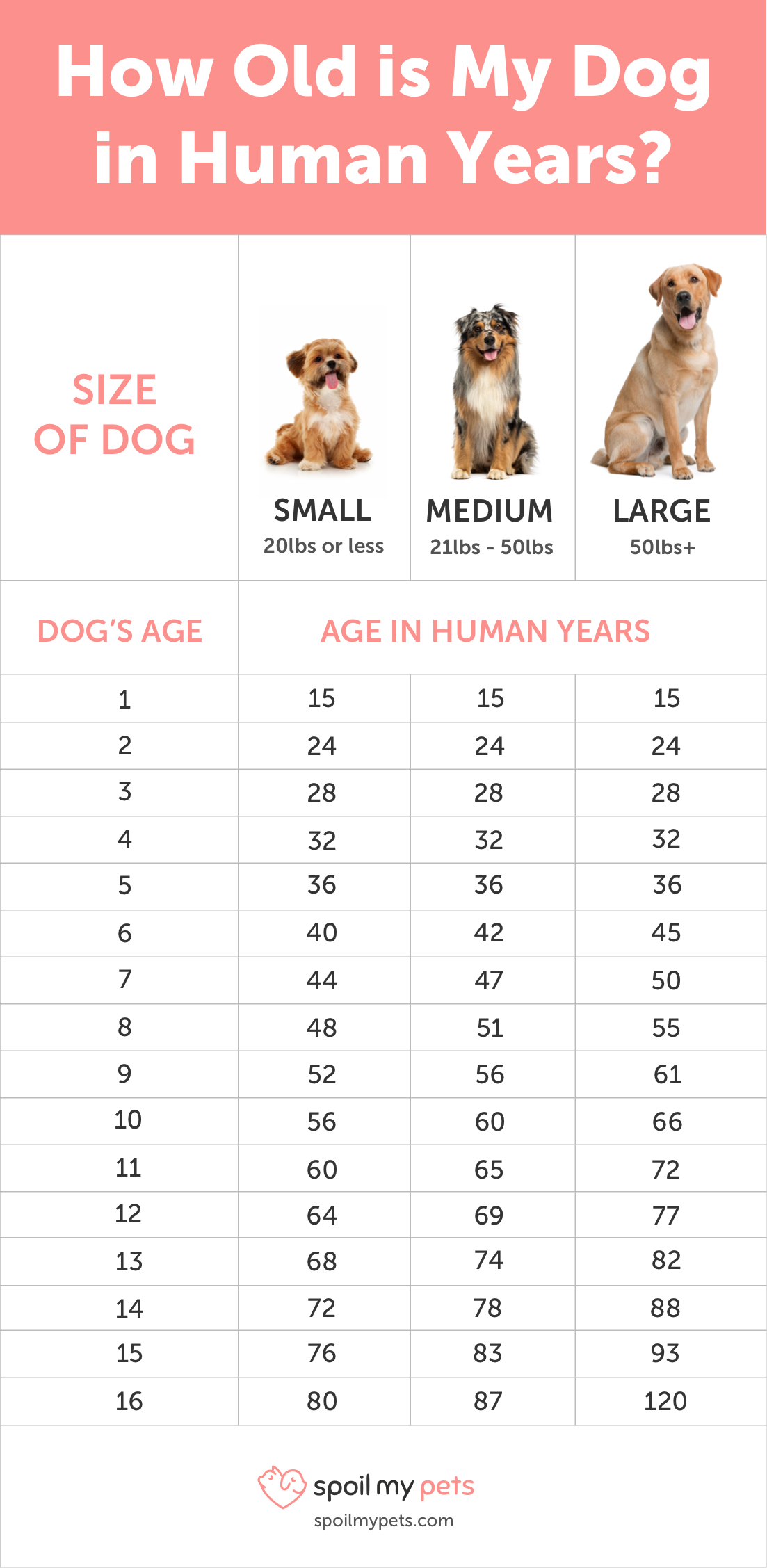
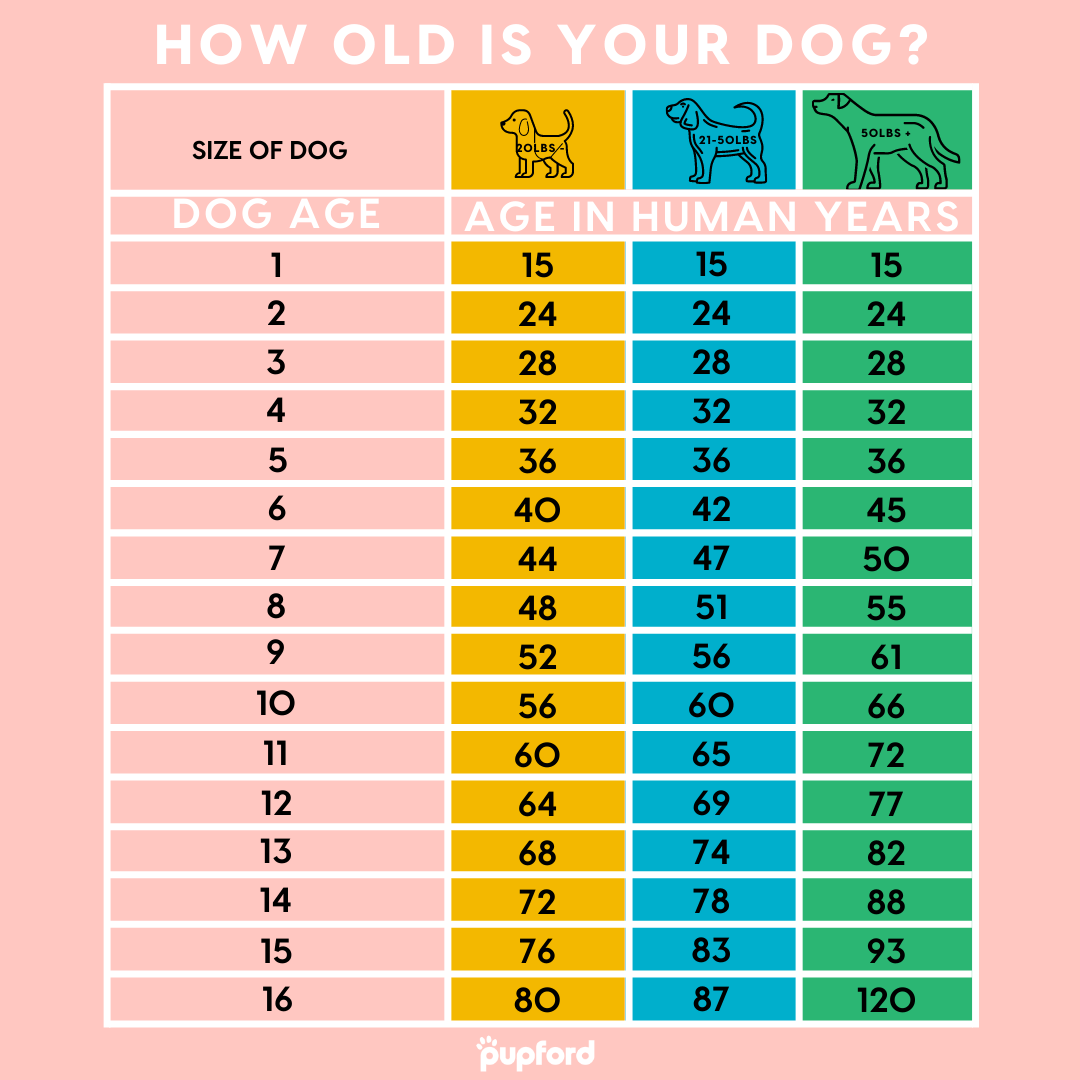
If your intent is to determine the actual age of a pet dog born in 2018, standard veterinary guidelines no longer rely on the outdated "1 human year equals 7 dog years" rule. According to modern research published by institutions such as the American Veterinary Medical Association (AVMA), canine aging occurs rapidly in the first two years of life and slows down thereafter:
- Year 1 of a dog's life: Equivalent to approximately 15 human years.
- Year 2 of a dog's life: Equivalent to approximately 9 additional human years (totaling roughly 24 human years).
- Each subsequent year: Equivalent to roughly 4 to 5 human years, depending significantly on the dog's breed size (small breeds age more slowly than giant breeds).
For a pet dog born in 2018, by 2026 the dog is 8 actual calendar years old. Under modern veterinary metrics, an 8-year-old medium-sized dog is roughly equivalent to a 48-to-55-year-old human.
Action Plan: Verifying Your Zodiac Identity Correctly
If you need to verify your astrological details for personal insight, cultural events, or family records, use the following practical steps:
- Locate your official birth record: Obtain the exact birth date (and time, if available, for detailed Bazi chart analysis).
- Cross-reference with a lunisolar converter: Check an authoritative Chinese calendar converter to see the exact lunar date corresponding to your Gregorian birth date.
- Confirm your Heavenly Stem and Earthly Branch: Determine your governing element (Metal, Water, Wood, Fire, Earth) alongside the Dog branch to understand your complete 60-year cycle placement.
- Distinguish calendar years from zodiac years: Avoid assuming that a January birth date automatically shares the zodiac sign of the broad Gregorian year.
Frequently Asked Questions
Is someone born in January 2018 born in the Year of the Dog?
No. Chinese New Year in 2018 occurred on February 16. Anyone born between January 1, 2018, and February 15, 2018, was born in the Year of the Fire Rooster (Dīngyǒu). Only those born from February 16, 2018, through February 4, 2019, belong to the Year of the Earth Dog.
What element governed the 2018 Year of the Dog?
The 2018 Year of the Dog was governed by the Earth element (Wùxū). This element emphasizes stability, practicality, grounded decision-making, and strong moral responsibility.
When is the next Year of the Dog after 2018?
The Chinese zodiac follows a 12-year cycle. Therefore, the next Year of the Dog will begin on February 3, 2030, and end on January 22, 2031. It will be governed by the Metal element (Gēngxū).
What are the lucky colors and numbers associated with the Earth Dog?
Traditionally, lucky colors for those born in the Year of the Dog include red, green, and purple, while earth tones such as yellow and brown align with the Earth element. Lucky numbers typically include 3, 4, and 9.
Why do Chinese New Year dates change every year?
The traditional Chinese calendar is lunisolar, meaning it relies on the phase cycles of the Moon as well as the solar year. Because twelve lunar months equal approximately 354 days—about 11 days shorter than a Gregorian solar year—intercalary (leap) months are periodically added, causing the New Year date to shift between late January and mid-February.