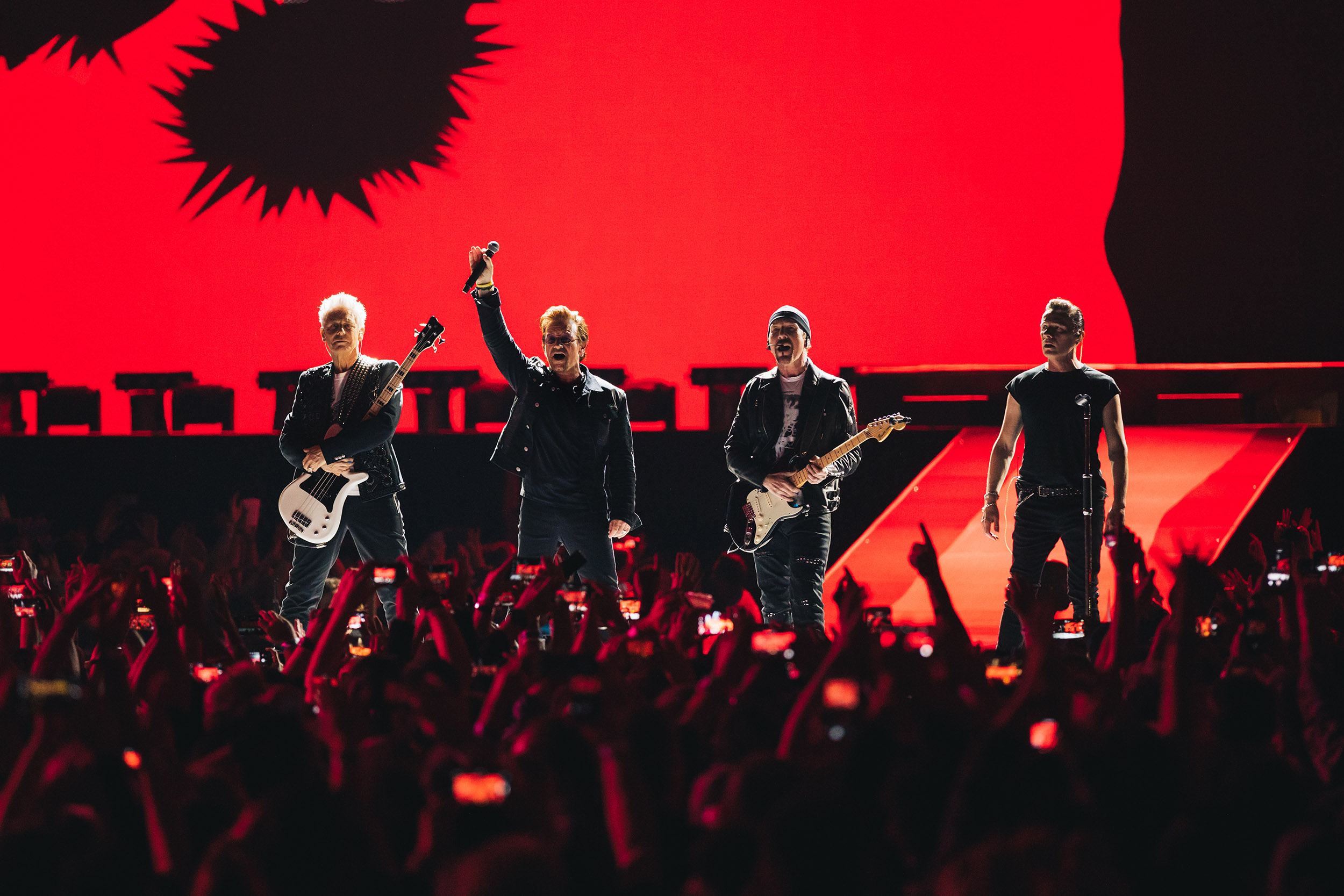
In 2017, the global concert industry experienced a record-breaking year, characterized by massive stadium residencies and high-concept world tours. Leading acts such as U2, Guns N' Roses, and Coldplay drove industry revenues to new heights, blending high-definition visual technology with nostalgic anniversary celebrations and contemporary pop dominance.
The Economic Landscape of Global Touring in 2017
The 2017 calendar year represented a significant milestone for the live music industry. According to data from Pollstar, the top 100 worldwide tours generated a combined record-breaking gross of $5.65 billion. This was a notable increase from previous years, driven largely by a surge in ticket prices and the proliferation of "mega-tours" that utilized massive outdoor stadiums rather than traditional indoor arenas.
Several factors contributed to this financial expansion. First, the industry saw a continued shift in how artists generated revenue; as streaming margins remained slim for many, live performances became the primary economic engine for both legacy acts and modern superstars. Second, the "experience economy" was in full swing, with fans willing to pay premium prices for VIP packages, meet-and-greets, and specialized merchandise.
Furthermore, 2017 was a year of logistical scaling. Promoters like Live Nation and AEG Presents expanded their global footprints, facilitating complex routing that allowed artists to hit emerging markets in South America and Asia with the same production quality seen in North America and Europe. This globalization of the "touring machine" ensured that 2017 would be remembered as the year the stadium tour became the standard for top-tier musical success.
Defining the Year: Top-Grossing Tours of 2017
To understand the scope of "2017 tour" activity, one must look at the specific artists who dominated the box office. The year was uniquely split between veteran rock bands celebrating historic milestones and pop icons at the height of their cultural relevance.
U2: The Joshua Tree Tour 2017
U2’s 2017 run was a commemorative trek celebrating the 30th anniversary of their seminal 1987 album, The Joshua Tree. This tour was a masterclass in stadium production, featuring a 200-foot wide 8K resolution LED screen—the largest and highest resolution screen ever used on a concert tour at that time. By performing the album in its entirety, U2 tapped into a deep well of nostalgia while maintaining a contemporary edge through political messaging and updated visuals. The tour grossed over $316 million from just 51 shows, boasting an incredible average attendance per city.
Guns N' Roses: Not in This Lifetime... Tour
Continuing their massive reunion efforts that began in 2016, Guns N' Roses remained a dominant force throughout 2017. The "Not in This Lifetime..." tour saw Axl Rose, Slash, and Duff McKagan performing together for the first time in decades. In 2017 alone, the band moved millions of tickets across Europe, North America, and Australia. Their success proved that the demand for classic rock reunions remained the most reliable "sure bet" in the live entertainment industry.
Coldplay: A Head Full of Dreams Tour
Coldplay’s "A Head Full of Dreams Tour" concluded in late 2017, cementing its place as one of the highest-grossing tours in history. The production was famous for its use of "Xylobands"—LED wristbands given to every audience member that flashed in sync with the music. This turned the entire stadium into a choreographed light show, a trend that has since been adopted by many other artists. Their 2017 dates were particularly successful in South America, where the band played to multiple sold-out nights in cities like São Paulo and Buenos Aires.
Comparative Performance of 2017’s Leading Tours
The following table outlines the financial and attendance metrics for the top five global tours of 2017 based on data from year-end industry reports.
| Artist/Tour Name | Total Gross (USD) | Tickets Sold | Number of Shows |
|---|---|---|---|
| U2 - The Joshua Tree Tour 2017 | $316.0 Million | 2.71 Million | 50 |
| Guns N' Roses - Not in This Lifetime... | $292.5 Million | 2.68 Million | 81 |
| Coldplay - A Head Full of Dreams | $238.0 Million | 2.45 Million | 54 |
| Bruno Mars - 24K Magic World Tour | $200.1 Million | 2.02 Million | 121 |
| Metallica - WorldWired Tour | $152.8 Million | 1.55 Million | 49 |
Genre Trends: Pop, Hip-Hop, and Solo Dominance
While rock legends occupied the top three spots, 2017 was also a banner year for solo pop and hip-hop acts. Bruno Mars’ "24K Magic World Tour" was a relentless touring effort, spanning over 100 shows and showcasing his prowess as a premier live entertainer. His tour emphasized choreography and old-school showmanship, proving that a single solo artist could rival the spectacle of a four-piece rock band.
In the realm of hip-hop, Kendrick Lamar’s "The DAMN. Tour" was a critical and commercial triumph. It represented a shift in how hip-hop was presented in arenas, utilizing minimalist but powerful stage design, high-concept martial arts visuals, and a narrative structure that mirrored the complexity of his Pulitzer-winning album.
Ed Sheeran’s "÷ Tour" also began in 2017. While it had not yet reached the record-breaking heights it would eventually achieve by its conclusion in 2019, the 2017 leg established Sheeran as a solo powerhouse. Using only a guitar and a custom-built loop station, he filled stadiums without the need for a backing band, a feat that radically challenged traditional notions of stadium-scale performance requirements.
Technological Innovations in 2017 Stage Design
The "2017 tour" era is often cited by production designers as a turning point for live concert technology. The focus shifted from mere illumination to immersive storytelling.
- Advanced LED Integration: U2's custom-built screen provided a "cinematic" backdrop that was almost impossible to ignore, moving away from the "IMAG" (Image Magnification) style where screens simply showed the artist's face.
- Kinetic Stage Elements: Many pop tours, including Lady Gaga’s "Joanne World Tour," utilized moving stage platforms and "pod" stages that descended from the ceiling, allowing the artist to perform in different parts of the arena without walking through the crowd.
- Synchronized Wearables: As seen with Coldplay, the use of infrared-controlled wristbands transformed the audience from passive observers into a living part of the stage set, creating a sense of community and visual scale that was highly "Instagrammable," a growing requirement for tours in the social media age.
Safety and Security: A Paradigm Shift
It is impossible to discuss the 2017 touring season without acknowledging the tragic events that fundamentally changed venue security. The bombing at the Manchester Arena following an Ariana Grande concert in May 2017, and the mass shooting at the Route 91 Harvest festival in Las Vegas in October 2017, forced a global overhaul of concert safety protocols.
Following these events, the industry implemented much stricter security measures that remain standard today:
- Enhanced Perimeter Checks: The establishment of security zones further away from the venue entrances.
- Clear Bag Policies: A widespread ban on traditional backpacks and large purses in favor of small, transparent bags to speed up the screening process.
- Increased Surveillance: More sophisticated facial recognition and metal detection technologies became standard at major stadiums and arenas.
- Mental Health Awareness: Ariana Grande’s "One Love Manchester" benefit concert set a precedent for how the industry could respond to tragedy with resilience, focusing on supporting victims and emphasizing the importance of communal spaces.
Evaluating the Long-term Impact of 2017 Tours
Looking back from 2026, the tours of 2017 served as the blueprint for the current "mega-era" of live music. The success of U2 and Coldplay demonstrated that fans were willing to travel across countries and pay significant sums for a high-production "event" rather than just a concert. This paved the way for the massive stadium runs seen in the early 2020s, such as Taylor Swift’s Eras Tour or Beyoncé’s Renaissance World Tour.
Moreover, the emphasis on high-definition video and social-media-friendly visuals that matured in 2017 has now become the baseline for any touring artist. The 2017 season proved that the concert was no longer just about the audio experience; it was a multi-sensory environment designed for both the physical audience and the digital audience watching through smartphones.
How to Research Past Tour Data
For those looking to verify specific dates or setlists from the 2017 touring season, several archival resources remain active:
- Setlist.fm: A community-driven database that provides accurate setlists for almost every major show in 2017.
- Pollstar Archives: The definitive source for box office data and industry analysis.
- Official Artist Archives: Many bands, such as U2 and Metallica, maintain digital archives of their past tours, including professional photography and technical specifications of the stage builds.
Which tour was the highest-grossing in 2017?
U2’s "The Joshua Tree Tour 2017" was the highest-grossing tour of the year. It brought in $316 million across 50 shows. The tour was highly profitable because it focused on large stadiums with high ticket demand, celebrating the 30th anniversary of their most famous album.
Did Ed Sheeran tour in 2017?
Yes, Ed Sheeran launched his "÷ Tour" (Divide Tour) in March 2017. While it was highly successful that year, grossing over $120 million in its first nine months, the tour famously continued for over two years, eventually becoming the highest-grossing and most-attended concert tour of all time by the time it ended in 2019 (a record later surpassed).
What was the impact of the Manchester Arena bombing on 2017 tours?
The tragedy led to an immediate and permanent shift in global touring security. Artists like Justin Bieber and Linkin Park faced renewed security scrutiny, and many venues implemented "clear bag" policies and secondary security perimeters. It also spurred a massive industry-wide conversation about the safety of fans and the psychological well-being of performers.
What made Coldplay’s 2017 tour unique?
Coldplay’s "A Head Full of Dreams Tour" was notable for its extreme emphasis on color and audience participation. They utilized Xylobands (synchronized LED wristbands) and confetti cannons to create a carnivalesque atmosphere. The tour was also one of the first of its scale to begin incorporating sustainability discussions, which would lead to the band's even more eco-conscious efforts in their subsequent 2022-2025 tours.
Were there any major reunions in 2017?
The most significant reunion was Guns N' Roses, who continued their "Not in This Lifetime... Tour." This tour featured original members Axl Rose, Slash, and Duff McKagan performing together for the first time since 1993. It was one of the most successful rock tours in history, proving the immense commercial power of legacy act reunions.
Final Recommendations for Music Historians and Fans
When analyzing a "2017 tour," it is essential to look beyond the setlists and consider the technological and cultural context of the time. This year represented the peak of the "stadium spectacle" before the industry was temporarily halted by the global events of 2020. For those studying live production or music business, 2017 remains a gold standard for how to execute high-grossing, high-concept global runs.
To truly understand the impact of these performances, researchers should consult multi-camera professional recordings—many of which were released as concert films, such as the "Havana Moon" release for the Rolling Stones or various live captures of the U2 Joshua Tree run. These visual records provide the best insight into why 2017 was a transformative year for the stage.