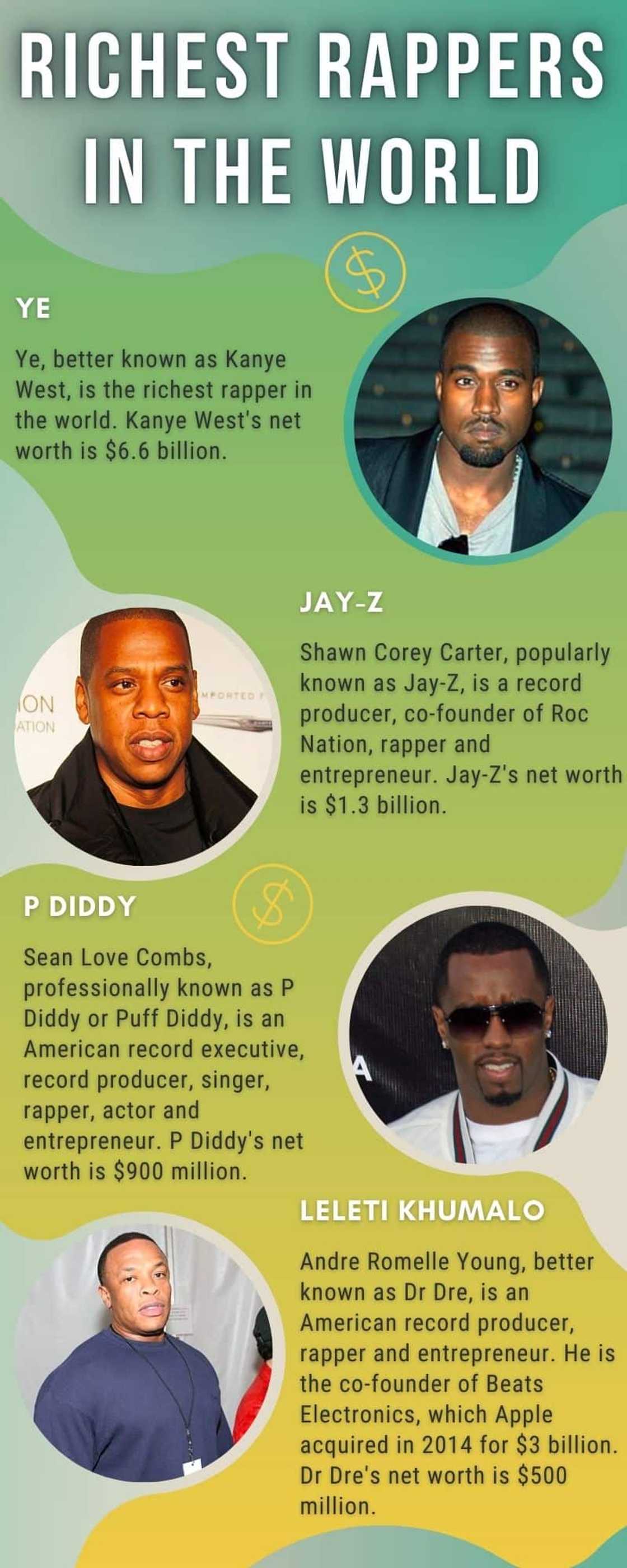
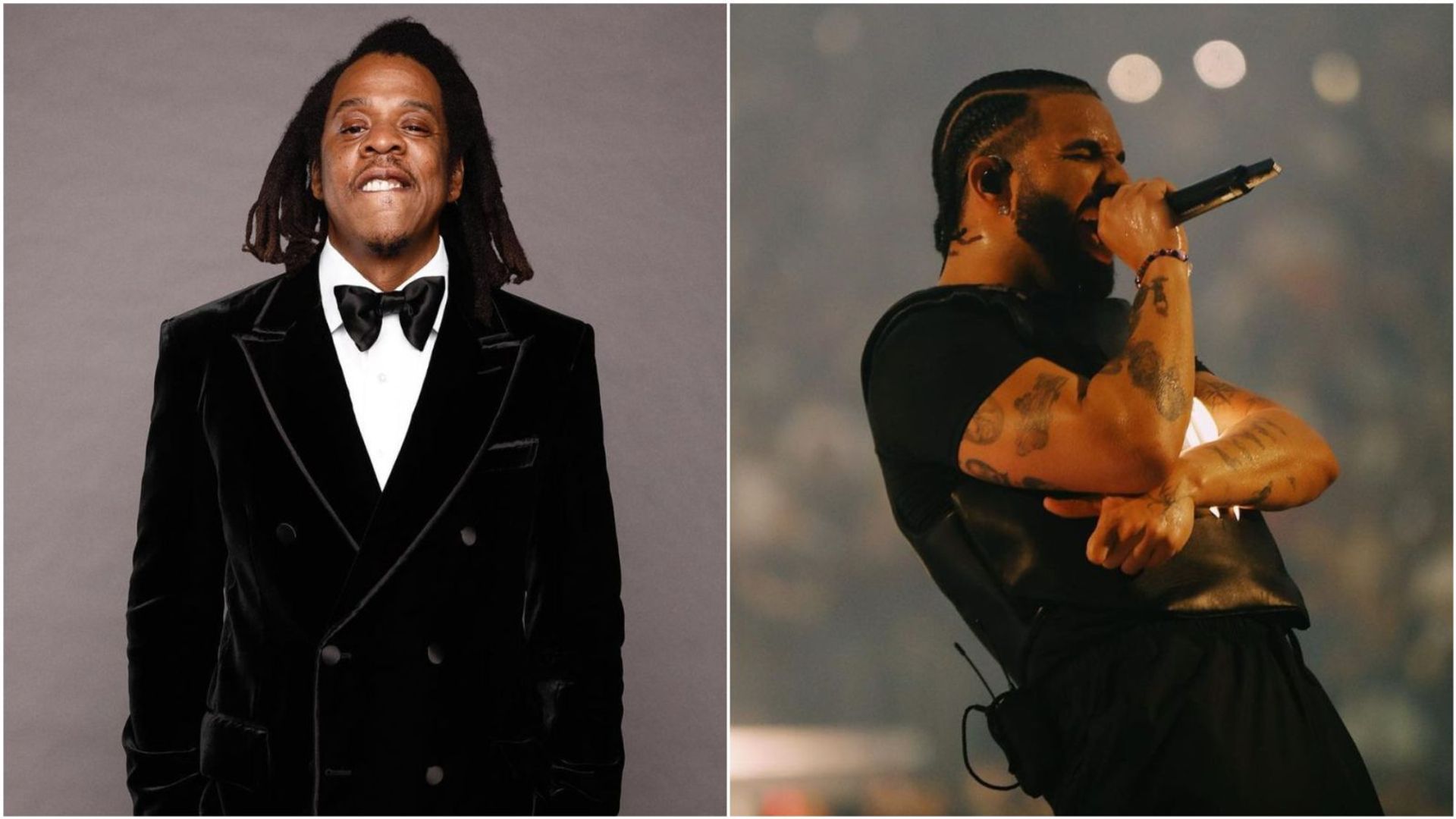
In 2017, the landscape of hip-hop wealth was dominated by Sean "Diddy" Combs, who held the top spot with an estimated net worth of $820 million. He was followed closely by Jay-Z at $810 million and Dr. Dre at $740 million. These figures reflected a significant era where music moguls transitioned into diversified business titans.
The year 2017 remains a landmark period in the financial history of hip-hop. It marked the moment when the "Big Three"—Diddy, Jay-Z, and Dr. Dre—moved within striking distance of the billion-dollar milestone. Looking back from 2026, the 2017 rankings provide a fascinating snapshot of how brand equity, liquor partnerships, and technology acquisitions fundamentally changed the earning potential of recording artists. During this time, the "Forbes Five" list was the industry gold standard for tracking these fortunes, revealing a widening gap between the top-tier moguls and the rest of the industry.
The Dominance of the Forbes Five in 2017
The 2017 rapper net worth chart was not merely a list of high-earning musicians; it was a testament to the power of the "artist-entrepreneur" model. For decades, rappers relied primarily on touring and album sales. However, by 2017, the top five wealthiest artists had built empires that functioned independently of their musical output.
Sean "Diddy" Combs maintained his long-standing position at the summit. His wealth was not driven by hit singles in 2017, but rather by his lucrative partnership with Diageo’s Ciroc vodka. Additionally, his stakes in Revolt TV, DeLeón Tequila, and the Aquahydrate alkaline water brand provided a steady stream of passive income and massive valuation growth.
Jay-Z, however, saw the most significant jump in wealth during 2017. A $200 million investment from Sprint for a 33% stake in his streaming service, Tidal, skyrocketed the company’s valuation. This move effectively silenced critics who had questioned the viability of the service since its acquisition in 2015. Combined with his Roc Nation entertainment company and Armand de Brignac champagne (widely known as "Ace of Spades"), Jay-Z ended the year nearly neck-and-neck with Diddy.
Detailed 2017 Hip-Hop Wealth Rankings
The following table outlines the estimated net worth of the top five richest hip-hop artists as reported during the 2017 fiscal period. These figures are based on asset valuations, equity stakes, and historical earnings.
| Rank | Artist | Estimated Net Worth (2017) | Primary Wealth Drivers |
|---|---|---|---|
| 1 | Sean "Diddy" Combs | $820 Million | Ciroc Vodka, Revolt TV, Sean John |
| 2 | Jay-Z (Shawn Carter) | $810 Million | Tidal, Roc Nation, Armand de Brignac |
| 3 | Dr. Dre (Andre Young) | $740 Million | Beats by Dre (Apple deal), Music Catalog |
| 4 | Birdman (Bryan Williams) | $110 Million | Cash Money Records, GTFM Apparel |
| 5 | Drake (Aubrey Graham) | $90 Million | OVO Sound, Nike/Jordan, Apple Music |
Sean "Diddy" Combs: The Ciroc and Media Empire
Diddy's 2017 valuation of $820 million was the result of a decade-long masterclass in brand building. While he remained active in the studio occasionally, his primary focus was the "Ciroc Summer" marketing strategy. His deal with Diageo was unique; rather than a standard endorsement, it was a profit-sharing agreement that effectively gave him the rights to a significant portion of the brand's growth.
Beyond spirits, Diddy’s investment in Revolt TV represented a strategic move into media ownership. In an era where digital content was becoming king, owning a cable network and digital platform allowed him to control the narrative and advertising space for his other brands. His apparel line, Sean John, though older, still contributed to his bottom line through licensing and retail presence, proving that hip-hop fashion could have a multi-decade lifespan.
Jay-Z: The Strategic Pivot to Tech and Spirits
Jay-Z’s climb to $810 million in 2017 was perhaps the most calculated of the group. The $200 million infusion from Sprint into Tidal was a turning point. It proved that an artist-owned platform could command the attention of major telecommunications corporations. Jay-Z’s portfolio was a blend of "vices" and "virtues," balancing the high-end luxury of Armand de Brignac and D'Usse Cognac with the business services of Roc Nation.
Roc Nation, by 2017, had expanded far beyond a record label. It was a full-service sports and entertainment agency representing top-tier athletes and artists. This diversification ensured that Jay-Z was earning a percentage of contracts and endorsement deals across the NFL, NBA, and global music tours. His 2017 album, 4:44, also contributed to his wealth not just through sales, but by serving as a marketing vehicle for the Tidal platform itself.
Dr. Dre: The Legacy of the Apple Acquisition
In 2017, Dr. Dre sat comfortably at $740 million. While he did not have the diverse array of active spirit brands like his peers, his wealth was anchored by the largest single payout in hip-hop history: the $3 billion sale of Beats Electronics to Apple in 2014. By 2017, the final tranches of that deal and the rising value of Apple stock (which was part of the acquisition package) kept his net worth near the top of the charts.
Dre’s financial status in 2017 was also bolstered by his extensive production credits and his ownership of Aftermath Entertainment. Even without releasing a solo album in 2017, his "silent" involvement in the industry—producing for others and maintaining one of the most respected catalogs in music—ensured that his royalty checks remained among the highest in the world.
The Middle Tier: Birdman and the Rise of Drake
The gap between the top three and the rest of the list was substantial in 2017. Birdman, the co-founder of Cash Money Records, held the fourth spot with $110 million. His wealth was primarily tied to his label's massive roster, which included stars like Lil Wayne, Nicki Minaj, and Drake. However, 2017 was a tumultuous year for Birdman due to ongoing legal disputes with Lil Wayne over unpaid royalties and contract terms, which many analysts believed capped his potential growth during that period.
Drake, the youngest on the list at the time, entered the top five in 2017 with $90 million. His ascent was fueled by the "Boy Meets World Tour" and his massive streaming numbers. In 2017, Drake was the poster child for the streaming era's profitability. His partnership with Apple Music, combined with his OVO (October's Very Own) brand and lucrative deals with Sprite and Nike, signaled that he was the most likely candidate to eventually join the "Big Three" in the half-billion-dollar club.
Methodology: How Rapper Net Worth Was Calculated in 2017
Calculating the net worth of these individuals involved more than just looking at bank accounts. Financial analysts and publications like Forbes used a combination of several factors:
- Equity Stakes: Valuing private companies like Roc Nation or Revolt TV based on revenue multiples or recent investment rounds (such as the Sprint/Tidal deal).
- Asset Valuation: Assessing the market value of real estate holdings, art collections, and luxury vehicle portfolios.
- Income Projections: Factoring in estimated annual earnings from touring, royalties, and endorsements, then applying a discount for taxes and management fees.
- Catalog Value: Estimating the worth of a music catalog based on its ability to generate long-term publishing and master recording income.
This rigorous process allowed for a standardized ranking, though the figures were always considered "estimated" due to the private nature of many of these business dealings.
The Shift from Music to Moguldom
The 2017 rankings highlighted a permanent shift in the hip-hop industry. The genre had officially moved past its "gold chain" era into a "boardroom" era. The wealth of these artists was no longer tied to how many "bars" they could write, but how many "bars" of soap, bottles of vodka, or pairs of headphones they could sell.
This transition was paved by the realization that music is a depreciating asset in terms of direct sales, but an appreciating asset in terms of cultural influence. In 2017, Diddy and Jay-Z used their influence to secure equity rather than flat fees. This "equity-over-salary" mindset is what allowed them to amass hundreds of millions of dollars while their contemporaries, who focused solely on music, often struggled to maintain their lifestyle after their hits stopped charting.
Frequently Asked Questions
Who was the richest rapper in 2017?
Sean "Diddy" Combs was the richest rapper in 2017, with an estimated net worth of $820 million. His wealth was largely attributed to his partnership with Ciroc vodka and his ownership of Revolt TV.
How much was Jay-Z worth in 2017?
Jay-Z’s net worth in 2017 was approximately $810 million. This was a significant increase from previous years, driven by a $200 million investment into his streaming service, Tidal, and the continued success of his Roc Nation brand.
Why was Dr. Dre’s net worth so high in 2017?
Dr. Dre’s $740 million net worth was primarily the result of the sale of Beats by Dre to Apple in 2014 for $3 billion. He received a massive cash payout and Apple stock, which continued to appreciate in value through 2017.
Did Kanye West make the top 5 in 2017?
No, Kanye West did not make the top 5 in 2017. While his Yeezy brand was beginning to see massive success with Adidas, his financial status at the time was complicated by reported debts and a lack of the same liquid assets seen in the portfolios of Diddy or Jay-Z. He would later join the billionaire ranks in subsequent years.
How did Drake enter the top 5 richest rappers list?
Drake entered the top 5 in 2017 with $90 million. His wealth came from his status as the most-streamed artist of the era, massive touring revenue, and high-profile endorsement deals with brands like Apple, Nike, and Sprite.
Tracking Historical Wealth and Next Steps
For those analyzing the financial trajectory of hip-hop, the 2017 rankings serve as a baseline for understanding the "Billionaire Era" that followed. To get a complete picture of how these fortunes evolved, researchers should compare these 2017 figures with subsequent reports from 2019 and 2021, when the first hip-hop billionaires were officially minted.
If you are looking to build a similar portfolio, the primary takeaway from the 2017 chart is the importance of equity and diversification. Most of the wealth listed was not liquid cash but "paper wealth" tied to ownership in growing industries. Reviewing the business structures of Roc Nation or the Diageo-Combs partnership can provide valuable insights into modern wealth-building strategies within the entertainment sector.