Film analysis of 2017 releases reveals a pivotal transition in modern cinema, marked by the elevation of social horror allegories, radical experimentation with temporal structure, and the subversion of traditional genre tropes. Examining this year requires evaluating how filmmakers navigated budget shifts, auteur studio backing, and pressing societal anxieties to reshape contemporary visual storytelling.
The Cultural and Thematic Landscape of 2017 Cinema
The cinematic output of 2017 represents a distinct turning point where narrative form directly mirrored systemic socio-political tension. Rather than using film merely as escapist entertainment, directors across studio systems and independent spaces embedded structural critiques of institutional authority, systemic inequality, and existential anxiety directly into screenplays and visual aesthetics.
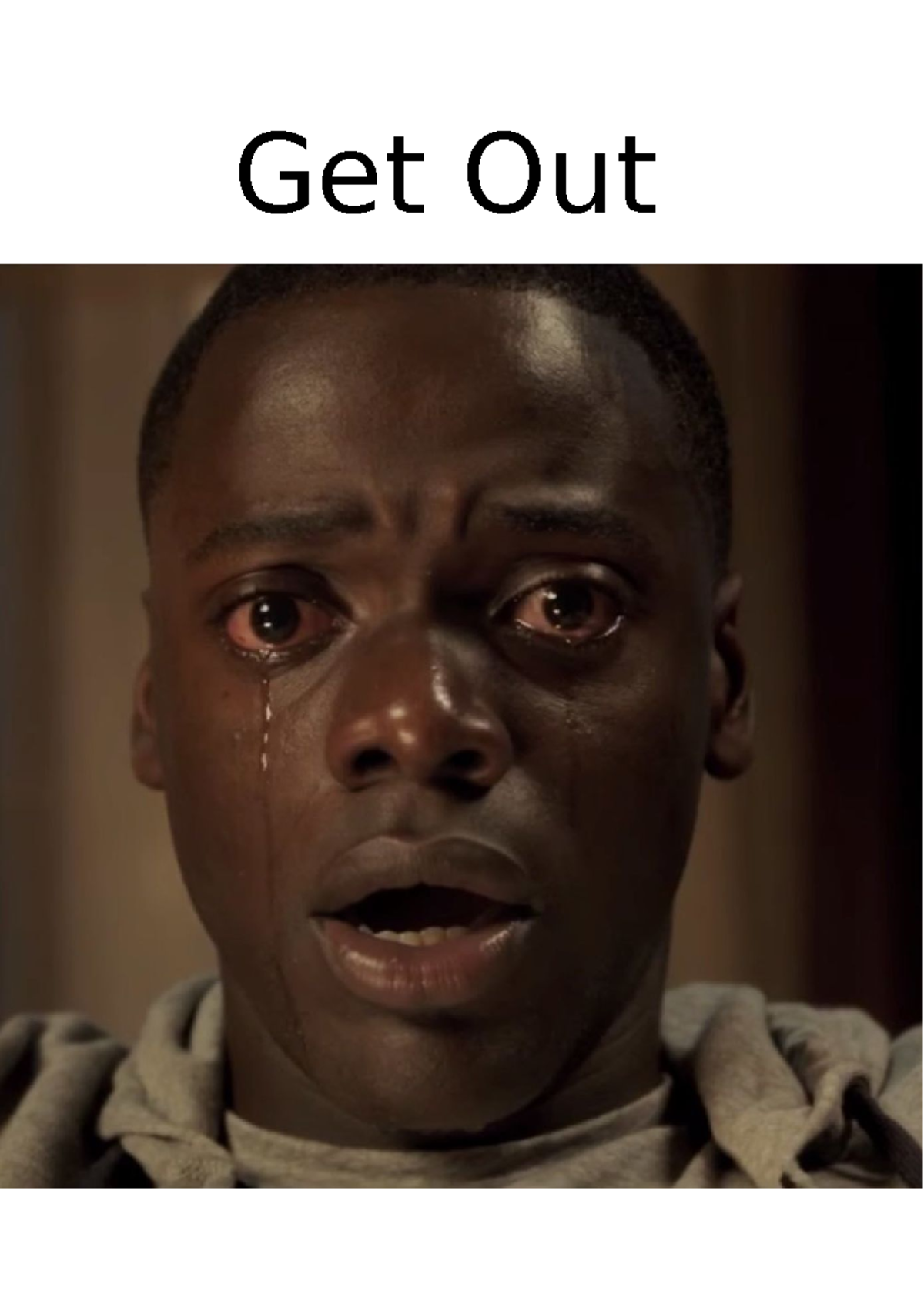
A primary pillar of 2017 film analysis is the emergence of social horror as a dominant critical genre. Jordan Peele’s Get Out redefined psychological horror by substituting supernatural entities with the subtle, insidious realities of systemic racism and liberal performativity. The film’s core conceptual space—the "Sunken Place"—serves as a visual and narrative metaphor for disenfranchisement, silenced agency, and physical subjugation. By anchoring horror elements in real-world racial dynamics, the film established a framework that film scholars utilize to evaluate modern allegorical cinema.
Simultaneously, 2017 proved to be a banner year for intimate humanism set against the backdrop of economic precarity. Works such as Sean Baker’s The Florida Project and Greta Gerwig’s Lady Bird departed from polished Hollywood melodrama to depict grounded, localized socioeconomic realities. The Florida Project utilizes a vibrant 35mm visual style paired with low camera angles to capture the illusion of childhood wonder while explicitly detailing the hidden homelessness beneath Florida's tourist economy. Similarly, Lady Bird deconstructs the coming-of-age subgenre by framing personal identity through the lens of early-2000s economic class anxiety, parent-child codependency, and regional displacement.
2017 THEMATIC TRIAD IN FILM
- Social Horror & Allegory: Systemic anxiety, racism, and institutional critique (e.g., Get Out)
- Temporal & Genre Subversion: Non-linear structures and Western/Noir crossovers (e.g., Dunkirk, Logan, Blade Runner 2049)
- Socioeconomic Realism: Class mobility, localized precarity, and identity (e.g., The Florida Project, Lady Bird)
Technical and Stylistic Innovations in 2017 Releases
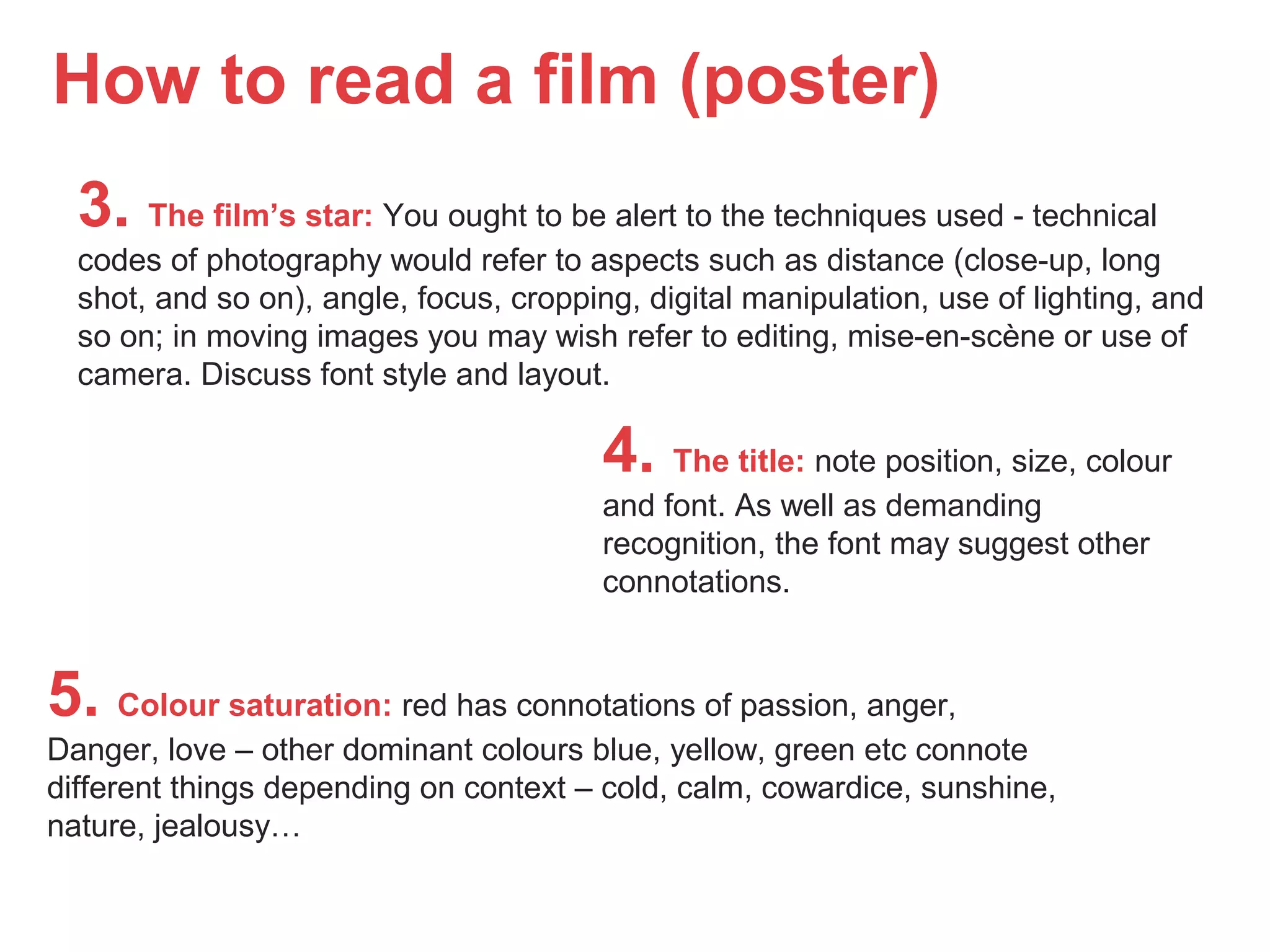
Evaluating 2017 cinema requires careful technical dissection of visual composition, lighting design, color theory, and auditory structure. Technical choices in this period were rarely purely decorative; instead, they functioned as key tools for thematic delivery.
Cinematography and Spatial Architecture
In Denis Villeneuve’s Blade Runner 2049, cinematographer Roger Deakins relied on natural light sources, silhouette framing, and high-contrast atmospheric color palettes to visually examine artificiality versus authentic biological existence. The film’s use of amber radiation tones in ruined Las Vegas contrasted with the sterile, monochromatic brutalism of the Wallace Corporation headquarters highlights the distance between decaying natural spaces and corporate control. The camera movements remain deliberate and slow, requiring audiences to evaluate the scale of human insignificance within futuristic urban environments.
Guillermo del Toro’s The Shape of Water took a different visual route, using color harmony to build its fairytale structure. Deep blues and aquatic greens dominate the visual frame to establish a connection between the protagonist, Elisa, and the amphibious creature, while harsh yellow and military olive tones signify the brutal Cold War government apparatus represented by the antagonist.
Sound Architecture and Temporal Editing
Sound design reached new technical thresholds in 2017, most notably in Christopher Nolan’s historical war drama Dunkirk. The film uses a non-linear narrative structure divided into three distinct operational timeframes:
- The Mole (land): one week
- The Sea (water): one day
- The Air (sky): one hour
Editor Lee Smith and composer Hans Zimmer locked the film's spatial editing to an auditory illusion known as the Shepard tone. This acoustic phenomenon creates the auditory illusion of a constantly ascending pitch without ever reaching a final resolution. By layering ticking clock sound effects—recorded directly from Nolan's pocket watch—over the Shepard tone, Dunkirk maintains visceral tension while synchronizing three disparate temporal timelines into a cohesive climax.
Comparative Analysis of Landmark 2017 Films
To conduct an effective comparative analysis of 2017 films, scholars track how directors manipulated budget tiers, visual palettes, structural tropes, and thematic core questions across major titles.
| Film Title | Director | Genre Framework | Primary Analytical Theme | Key Technical Achievement |
|---|---|---|---|---|
| Get Out | Jordan Peele | Social Horror / Thriller | Systemic racism and performative liberalism | Metaphorical visual staging of the "Sunken Place" |
| Dunkirk | Christopher Nolan | Historical War Drama | Survival, collective action, and temporal dread | Three-tier non-linear narrative driven by Shepard-tone sound design |
| Blade Runner 2049 | Denis Villeneuve | Neo-Noir Science Fiction | Identity, artificial consciousness, and environmental decay | Naturalistic directional lighting and brutalist production design |
| The Shape of Water | Guillermo del Toro | Dark Fantasy Romance | Marginalization, alterity, and authoritarian cruelty | Aquatic color coding and practical creature effect integration |
| Lady Bird | Greta Gerwig | Coming-of-Age Realism | Class distinction, maternal conflict, and regional identity | Elliptical editing style paired with naturalistic, regional dialogue |
| The Florida Project | Sean Baker | Neo-Realist Drama | Invisible poverty and childhood innocence | Mobile 35mm street photography emphasizing high color saturation |
| Logan | James Mangold | Neo-Western / Superhero | Aging, physical mortality, and institutional trauma | Desaturated handheld camera work and R-rated visceral combat realism |
| Phantom Thread | Paul Thomas Anderson | Psychological Period Drama | Power dynamics, obsession, and artistic perfectionism | Natural window lighting and diegetic chamber music sound mix |
Methodological Frameworks for Analyzing 2017 Films
When undertaking a formal film analysis of movies from 2017, film scholars and students apply structural methodologies to derive rigorous, evidence-backed conclusions. Relying strictly on plot summaries fails to uncover the deeper cinematic techniques at work.
FILM ANALYSIS METHODOLOGY MATRIX
- Auteur Theory & Style: Evaluates recurring directorial motifs.
- Genre Analysis & Subversion: Analyzes how films subvert classic studio expectations.
- Visual & Audio Semiotics: Decodes motif framing, color theory, and sound design.
1. Auteur Theory and Directorial Motifs
Auteur theory posits that a film’s primary creative vision belongs to its director, whose signature style and recurring themes transcend individual screenplays. In 2017, directors demonstrated distinct auteur signatures:
- Paul Thomas Anderson (Phantom Thread): Focuses on claustrophobic interpersonal power struggles, obsessive male professionals, and score integration that actively comments on character psychology.
- Greta Gerwig (Lady Bird): Uses empathetic framing, rhythmic editing transitions, and character-driven geography to explore female self-actualization.
2. Genre Subversion Analysis
A major analytical entry point for 2017 cinema is identifying how films adopted established classical Hollywood genres and intentionally broke their structural conventions:
- Deconstructing Superhero Tropes: James Mangold’s Logan stripped away CGI-laden world-ending stakes in favor of an intimate, grounded neo-Western framework inspired by George Stevens’ Shane (1953). The film analyzes physical vulnerability, chronic pain, and bodily degeneration—topics traditionally avoided in blockbusters.
- Flipping Cold War Monster Movies: In The Shape of Water, Guillermo del Toro inverted the classic monster-movie structure established by Universal Pictures in the 1950s. The non-human entity is positioned as the empathetic protagonist, while the traditional square-jawed American authority figure represents moral decay and systemic violence.
3. Visual and Auditory Semiotics
Semiotics involves analyzing how visual signs, symbols, color choices, and sound cues construct meaning. When examining a frame from a 2017 release, consider:
- Spatial Positioning: Is the character placed centrally, or pushed to the margins of the frame to signify powerlessness?
- Motif Tracking: Note how recurring physical objects—such as the teacup in Get Out or the digital hologram companion in Blade Runner 2049—function as symbolic devices representing psychological control or artificial intimacy.
Institutional Shifts: Indie Distributors and Blockbuster Models
Understanding 2017 film history requires examining the institutional and distribution systems that made these films possible. The release slate of 2017 marked a sharp dividing line between high-concept studio blockbusters and specialized independent distribution models.
Indie distributors like A24 and Neon solidified their market strategy during this period by granting auteur directors complete creative autonomy on low-to-mid-budget projects ($2 million to $15 million range). A24’s 2017 slate—which included Lady Bird, The Florida Project, A Ghost Story, and Good Time—proved that critical acclaim, distinct aesthetic branding, and focused target marketing could achieve high returns without relying on legacy intellectual property.
STUDIO DISTRIBUTION MODEL COMPARISON (2017)
| SPECIALIZED INDIES (e.g., A24, Neon) | TRADITIONAL STUDIOS (e.g., WB, Fox) |
|---|---|
| Budgets: $2M - $15M | Budgets: $50M - $185M+ |
| High auteur freedom | IP-driven or high-concept scale |
| Focus on visual identity & subversion | Global theatrical appeal |
| Examples: Lady Bird, Florida Project | Examples: Dunkirk, Blade Runner |
Concurrently, major studios demonstrated that auteur-driven visions could still succeed at the blockbuster level when backed by clear genre commitments. Warner Bros. entrusted Christopher Nolan with a $100 million budget for a non-linear historical drama (Dunkirk) shot largely on IMAX cameras, while 20th Century Fox allowed James Mangold to create an R-rated character-driven tragedy (Logan). These decisions highlighted an era when studio executives balanced broad franchise appeal with distinct directorial visions.
Common Pitfalls in Analyzing 2017 Cinema
When writing an essay or critical paper evaluating 2017 films, researchers frequently fall into analytical traps that weaken their conclusions. Avoiding these errors ensures your critique remains grounded in cinematic evidence:
- Over-relying on Plot Recapitulation: Merely summarizing narrative beats is not analysis. Every paragraph should explain how specific technical mechanisms (lighting, camera movement, sound mixing, costume design) deliver thematic meaning.
- Ignoring Sound Design in Favor of Visuals: Film is an audio-visual medium. Neglecting sound architecture—such as auditory cues, score composition, room tone, and diegetic vs. non-diegetic sound—omits half of the cinematic text.
- Conflating Box Office Revenue with Cultural Impact: High financial yield does not automatically equate to structural significance or lasting aesthetic value. Conversely, commercial underperformers like Blade Runner 2049 proved immensely influential on technical levels despite disappointing initial box office projections.
- Anachronistic Historical Framing: When evaluating films made in 2017 from a modern perspective, scholars must contextualize the work within the specific political, cultural, and technological environment of its release window.
Step-by-Step Guide: Conducting a Formal Film Analysis
If you are preparing an academic paper, film analysis essay, or video essay focusing on 2017 releases, follow this step-by-step framework to build a structured critique.
Step 1: Select Your Analytical Lens
Determine the theoretical perspective through which you will examine the film. Deciding on a lens early prevents your essay from becoming unfocused. Common lenses include:
- Formalist: Focusing on editing, lighting, composition, and sound.
- Sociological/Ideological: Analyzing power, class, race, and systemic structures.
- Feminist/Gender Theory: Examining character agency, gaze, and gender role deconstruction.
Step 2: Conduct a Scene-by-Scene Micro-Analysis
Select one or two key sequence scenes rather than trying to analyze the entire feature at once. Perform a shot-by-shot breakdown recording the following variables:
- Camera Distance & Angle: Close-up, wide shot, low-angle, high-angle.
- Lighting Setup: High-key, low-key, practical light sources, directional shadow.
- Editing Rhythm: Average shot length, hard cuts, match cuts, cross-cutting.
- Diegetic/Non-Diegetic Audio: Dialogue placement, environmental sound effects, musical score triggers.
Step 3: Connect Technical Findings to Broad Themes
Synthesize your micro-analysis notes into thematic assertions. Ask yourself: Why did the director choose a low-angle shot here? How does this editing cut reinforce the protagonist's internal conflict?
Step 4: Draft a Precise Thesis Statement
Construct an argumentative thesis statement that establishes your topic, your analytical lens, and your primary conclusion.
Example Thesis: In "Get Out," Jordan Peele uses low-key directional lighting, claustrophobic close-up framing, and sound isolation to transform mundane suburban domesticity into a space of psychological terror, thereby subverting classic horror tropes to critique performative liberalism.
Frequently Asked Questions
Why is 2017 considered a landmark year for genre cinema?
2017 proved transformative because filmmakers elevated traditionally "pulp" or commercial genres—such as horror, superhero films, and creature features—into critically acclaimed allegorical cinema. Works like Get Out, Logan, and The Shape of Water subverted established formulaic expectations by embedding complex social commentary, character mortality, and psychological depth directly into traditional studio formats.
How did Get Out alter critical frameworks for analyzing horror movies?
Get Out shifted critical frameworks by proving that racial anxiety and systemic oppression could serve as the primary sources of horror, replacing classic supernatural threats or mindless slashers. Its success established the modern template for social horror, prompting film scholars to examine how systemic socio-political realities shape subtext, antagonist motivations, and spatial tension in contemporary cinema.
What role did non-linear editing play in 2017 film narratives?
Non-linear editing in 2017 was used to build psychological tension and simulate subjective human experience rather than serving as a mere storytelling gimmick. In Christopher Nolan’s Dunkirk, editing three distinct operational timeframes simultaneously created continuous urgency, while in films like Lady Bird, rapid, elliptical cuts mirrored the fragmented, fleeting nature of memory and adolescent growth.
How did specialized distributors like A24 impact the 2017 film slate?
Specialized distributors provided a platform for auteur filmmakers to produce mid-to-low-budget feature films with full artistic control. By focusing on distinct visual branding, strong director voices, and targeted marketing campaigns, distributors like A24 allowed films such as The Florida Project and Lady Bird to compete culturally and critically with major studio releases without compromising their stylistic integrity.
Applying 2017 Analytical Models to Contemporary Film Research
To conduct high-level research on 2017 films, apply these analytical frameworks to your own critical writing projects. Start by selecting two contrasting works from the period—such as a studio blockbuster like Blade Runner 2049 and an independent title like The Florida Project—and evaluate how both address shared thematic concerns (such as alienation, corporate power, or spatial isolation) through entirely different visual techniques and budget parameters.
Compile a shot log of your target sequences, isolate key lighting and sound cues, and evaluate how the choices made by 2017 filmmakers continue to shape visual storytelling in modern cinema.