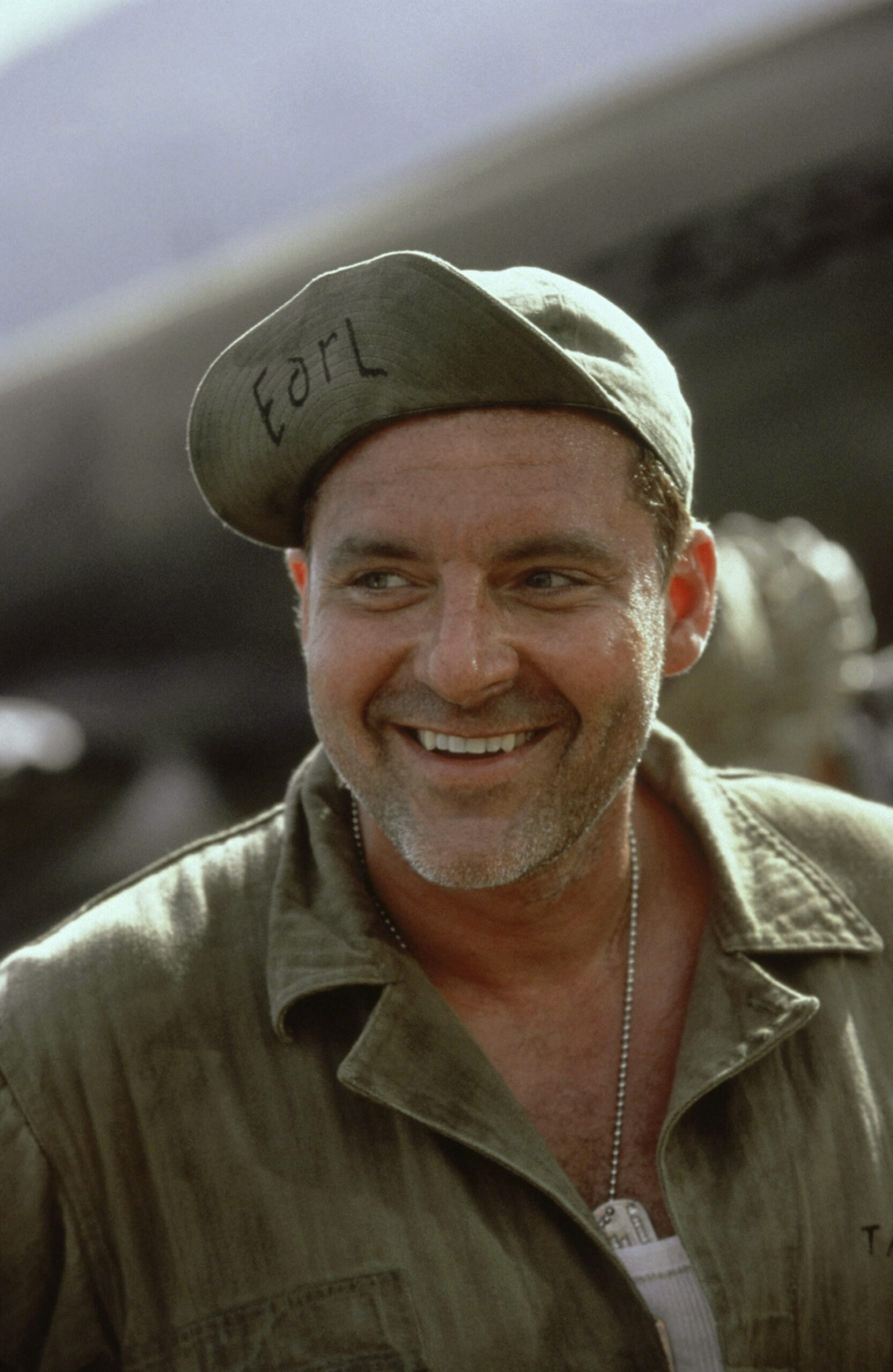
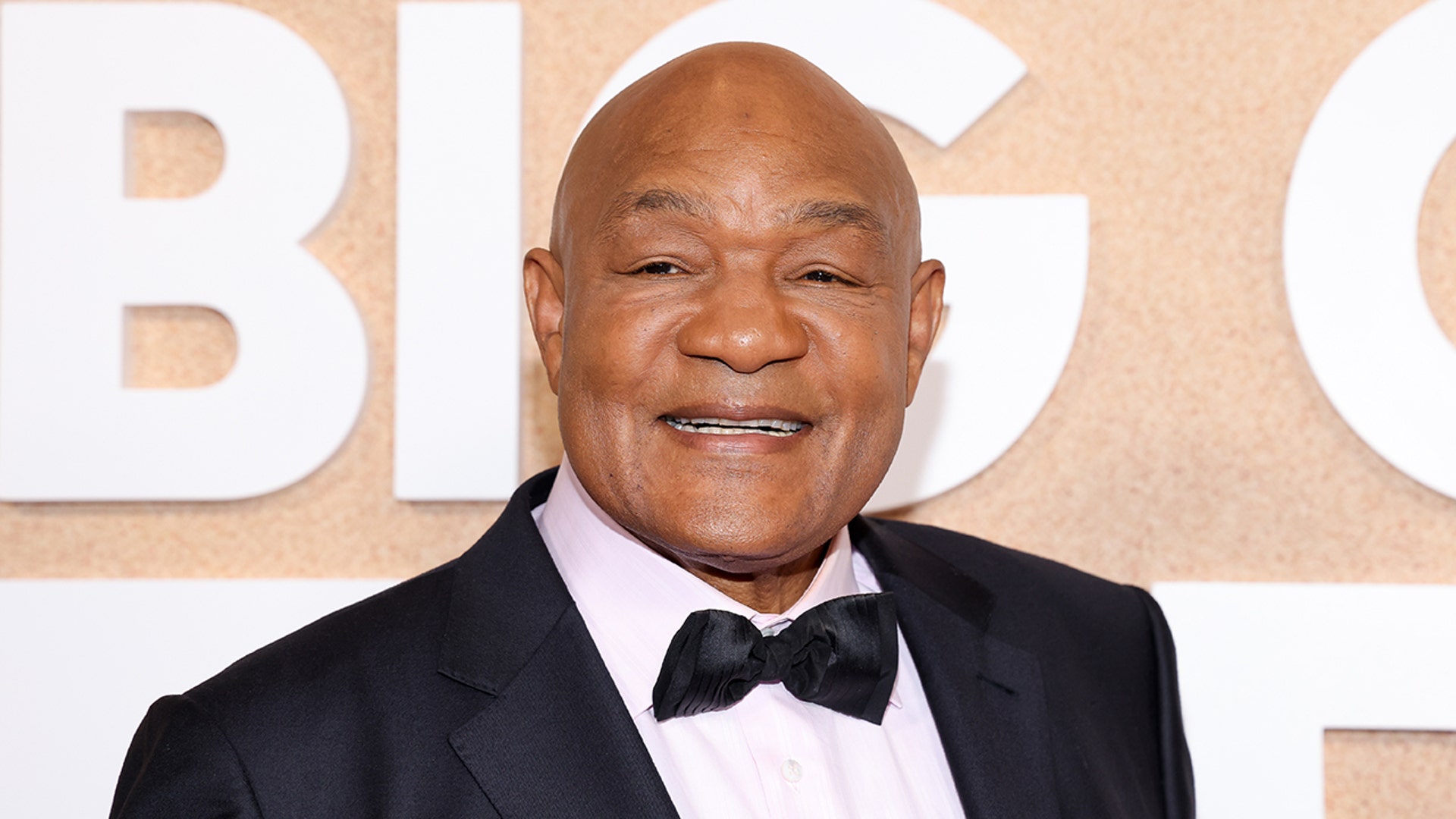
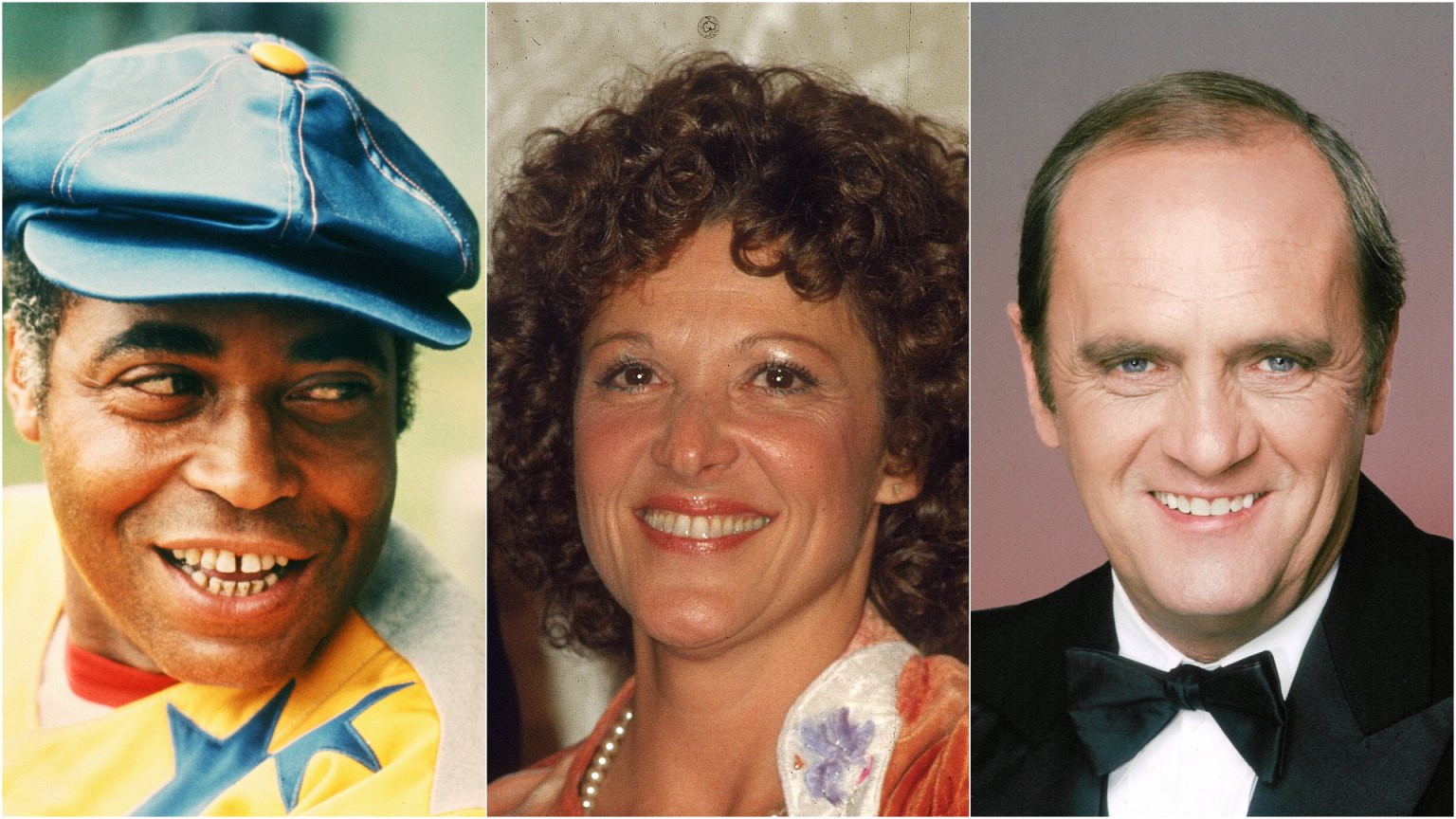
The year 2017 marked a profound turning point in the world of entertainment and culture, as we said goodbye to iconic figures who defined rock and roll, modern television, and Hollywood’s golden eras. From the sudden losses of Chris Cornell and Chester Bennington to the passing of pioneers like Chuck Berry and Mary Tyler Moore, these individuals left behind legacies that continue to influence artistry and social norms well into 2026.
The Foundations of Rock: Chuck Berry and Fats Domino
The year 2017 saw the closing of a chapter on the very origins of rock and roll. Chuck Berry, who passed away in March at the age of 90, was arguably the most important figure in the development of the genre. He didn't just play music; he codified the language of the electric guitar. His "duckwalk" and signature double-stop riffs provided the blueprint for everyone from The Beatles to AC/DC. Berry’s influence was technical as much as it was cultural; he merged rhythm and blues with country influences, creating a sound that broke racial barriers and defined the teenage experience in the 1950s.
Later that year, in October, we lost Fats Domino, another architect of the rock sound. Domino’s piano-driven New Orleans rhythm and blues sold more records in the 1950s than anyone except Elvis Presley. His warm, mellow voice on hits like "Ain't That a Shame" and "Blueberry Hill" made him a crossover success during a period of intense segregation. Together, the loss of Berry and Domino in a single year felt like the final bow for the architects who built the foundation of modern popular music. Their passing reminded the world that while the creators are mortal, the 4/4 backbeat they popularized is effectively eternal.
The Alternative Rock Tragedy: Cornell and Bennington
Perhaps the most shocking events of 2017 were the deaths of Chris Cornell and Chester Bennington. Cornell, the powerhouse vocalist for Soundgarden and Audioslave, was a cornerstone of the Seattle grunge movement. His four-octave range and poetic, often brooding lyrics explored the depths of the human psyche. His death in May 2017 sent shockwaves through the music community, as he had been in the middle of a tour.
The tragedy deepened just two months later in July when Chester Bennington, the lead singer of Linkin Park and a close friend of Cornell, also took his own life. Bennington was the voice of a generation that grew up in the early 2000s, blending nu-metal, rap, and electronic music to express themes of angst and vulnerability.
The dual loss of these two vocalists sparked a global conversation about mental health, the pressures of fame, and the need for better support systems within the creative industries. By 2026, the music industry has implemented more robust mental health protocols for touring artists, a shift that many trace back to the harrowing summer of 2017. Their deaths underscored a painful reality: that those who provide the most comfort to others through their art often struggle the most in private.
Hollywood Legends and Television Trailblazers
Television in 2017 lost one of its most transformative figures: Mary Tyler Moore. Passing in January, Moore was far more than an actress; she was a cultural symbol of the independent modern woman. Through The Mary Tyler Moore Show, she portrayed a single, professional woman whose life didn't revolve around finding a husband—a radical concept for 1970s television. Her technical precision in comedic timing and her ability to anchor an ensemble cast set the standard for the modern sitcom.
In the realm of film, the loss of Bill Paxton in February was deeply felt. Paxton was a rare "everyman" actor who could disappear into roles across genres, from the frantic Private Hudson in Aliens to the stoic astronaut Fred Haise in Apollo 13. His death following surgery complications reminded the industry of the fragility of even its most reliable and beloved performers.
We also said goodbye to Sir Roger Moore, the longest-serving James Bond. While Sean Connery defined the role's grit, Moore defined its sophistication and wit. His tenure as 007 through the 1970s and 80s kept the franchise alive by leaning into the camp and gadgetry that became hallmarks of the era. His passing in May 2017 marked the end of an era for British cinema and the "gentleman spy" archetype.
Cultural Architects and Industry Pioneers
The passing of Hugh Hefner in September 2017 sparked intense debate about his complicated legacy. As the founder of Playboy, Hefner was a primary driver of the "Sexual Revolution" of the 1960s. He challenged the restrictive social norms of post-war America and fought significant legal battles for the freedom of the press. While his lifestyle and the "Playboy" brand faced increasing scrutiny in later years regarding the treatment of women, there is no denying his role in reshaping American publishing and social discourse.
In the world of comedy and variety, Jerry Lewis passed away in August. Known as "The King of Comedy," Lewis was a technical innovator in film, credited with inventing the "video assist" system that allowed directors to see what they had filmed immediately. His slapstick genius and his decades-long commitment to the Muscular Dystrophy Association telethons made him a towering figure in both entertainment and philanthropy.
Notable Celebrities Who Passed Away in 2017
The following table highlights some of the most influential figures we lost in 2017, categorized by their primary contribution to the arts and culture.
| Name | Primary Field | Notable Work/Role | Month of Passing |
|---|---|---|---|
| Mary Tyler Moore | Television/Acting | The Mary Tyler Moore Show | January |
| John Hurt | Film/Acting | The Elephant Man, Alien | January |
| Bill Paxton | Film/Acting | Twister, Aliens, Apollo 13 | February |
| Chuck Berry | Music | "Johnny B. Goode", "Maybellene" | March |
| Don Rickles | Comedy | Legendary insult comic | April |
| Chris Cornell | Music | Soundgarden, Audioslave | May |
| Sir Roger Moore | Film/Acting | James Bond (007) | May |
| Adam West | Television/Acting | Batman (1960s series) | June |
| Chester Bennington | Music | Linkin Park | July |
| Sam Shepard | Theater/Film | The Right Stuff, Playwright | July |
| Jerry Lewis | Comedy/Film | The Nutty Professor | August |
| Glen Campbell | Music | "Rhinestone Cowboy" | August |
| Hugh Hefner | Publishing | Founder of Playboy | September |
| Tom Petty | Music | Tom Petty and the Heartbreakers | October |
| Fats Domino | Music | "Blueberry Hill" | October |
| David Cassidy | Music/TV | The Partridge Family | November |
| Rose Marie | Television | The Dick Van Dyke Show | December |
The Enduring Impact of Tom Petty
The death of Tom Petty in October 2017 was a particularly heavy blow to the American musical landscape. Coming just days after the conclusion of a massive 40th-anniversary tour with the Heartbreakers, Petty’s passing from an accidental drug overdose highlighted the physical toll that decades of performing can take on an artist.
Petty occupied a unique space in rock music. He was a traditionalist who respected the roots of the genre but also a fierce defender of artist rights. His songs, from "Free Fallin'" to "I Won't Back Down," became part of the American vernacular. He was a musician’s musician, respected by his peers in the Traveling Wilburys (which included Bob Dylan and George Harrison) and adored by fans for his lack of pretension. In the years since 2017, the archival releases of his unreleased material, such as the Wildflowers box sets, have only served to cement his reputation as one of the finest songwriters of the 20th century.
Preserving the Legacies of the 2017 Class
As we look back from 2026, the preservation of these legacies has moved beyond mere nostalgia. Digital archives, holographic technology, and the continued popularity of streaming services have ensured that the work of these stars remains accessible to new generations.
- Educational Integration: The works of Sam Shepard and Mary Tyler Moore are now standard curriculum in many film and theater programs, studied for their structural innovation and social commentary.
- Philanthropic Continuity: Organizations like the Chris Cornell Education Fund and various mental health initiatives started in Bennington's honor continue to provide resources for struggling artists.
- Technological Preservation: The estate of Chuck Berry has been instrumental in digitizing early rock recordings, ensuring that the technical nuances of his guitar work are preserved in high-fidelity formats that weren't available during his lifetime.
Why was the year 2017 considered a particularly "heavy" year for celebrity deaths?
The year was significant because it saw the loss of several "foundational" figures. Unlike years where many contemporary stars might pass, 2017 saw the departure of the actual creators of genres (Chuck Berry, Fats Domino) and major cultural shifts (Mary Tyler Moore, Hugh Hefner). The unexpected nature of the deaths of Chris Cornell, Chester Bennington, and Tom Petty also contributed to the sense of collective shock.
How did the music industry change following the losses of Cornell and Bennington?
The deaths of these two icons led to a massive increase in awareness regarding mental health and substance abuse in the music industry. It prompted the creation of more non-profit organizations dedicated to musicians' wellness and encouraged current artists to be more open about their struggles, reducing the stigma associated with seeking help.
What is the best way to honor the legacy of these celebrities today?
Supporting the official foundations and estates of these artists is a primary way to honor them. Many estates use proceeds from music and film sales to fund arts education or medical research. Additionally, visiting museums like the Rock & Roll Hall of Fame or the Smithsonian, which house artifacts from these stars, helps ensure their physical history is maintained.
Are there any remaining members of the 1950s rock era still active?
By 2026, very few original pioneers of the 1950s rock era remain. The passing of Berry and Domino in 2017, followed by others in the subsequent years, means that the era is now primarily represented through archives, recordings, and the testimony of those who were influenced by them.
How has Tom Petty's reputation evolved since his passing in 2017?
Since 2017, Tom Petty’s reputation has transitioned from "reliable rock star" to "canonical American songwriter." The release of deep-dive box sets and documentaries has revealed the meticulous craftsmanship behind his seemingly simple songs, placing him in the same league as Dylan or Springsteen in the eyes of many critics.
Supporting the Arts and Mental Health
To truly remember the stars lost in 2017, one should look toward the future of the industries they inhabited. Engaging with the "Backline" organization or the "MusiCares" foundation provides direct support to the next generation of performers who face the same challenges Cornell and Bennington encountered. Furthermore, supporting local theater and independent music venues ensures that the "live" spirit championed by Tom Petty and Chuck Berry continues to thrive. As we approach the end of the 2020s, the best tribute to the class of 2017 is to foster an environment where creativity is nurtured and the human behind the art is protected.