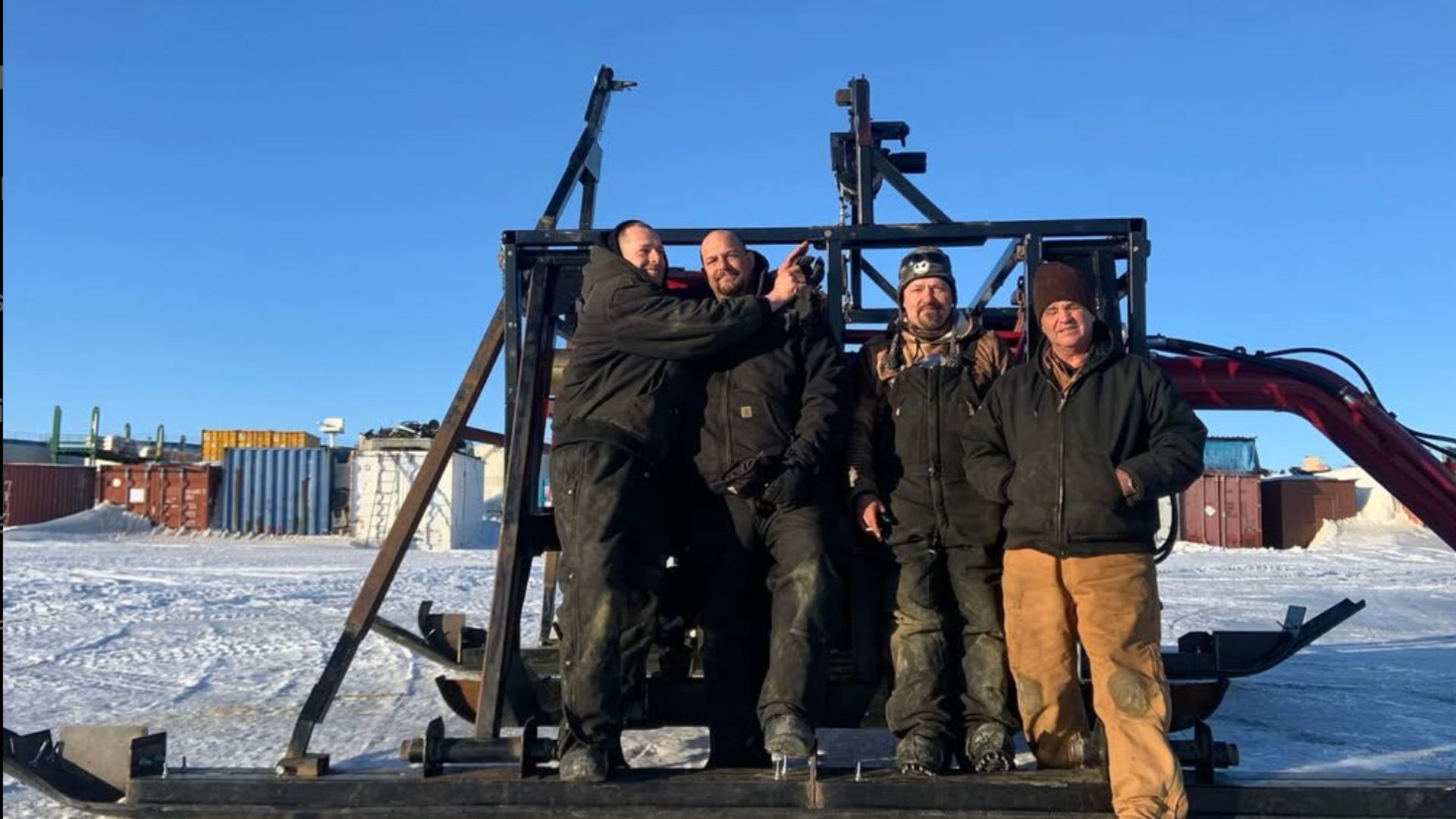
In 2017, the net worth of the primary stars of Bering Sea Gold—often colloquially linked with the Gold Rush franchise—varied significantly based on their mining success and tenure. Lead miner Shawn Pomrenke topped the list with an estimated $3 million, while other captains like Emily Riedel and Zeke Tenhoff held estimated net worths between $200,000 and $500,000.
The Financial Landscape of Bering Sea Mining in 2017
The year 2017 represented a pivotal era for the cast of Bering Sea Gold. During this period, which covered the airing of Season 6 (Summer) and Season 7 (Winter), the distinction between "TV wealth" and "mining wealth" became increasingly clear. Unlike the miners in the original Gold Rush series who often worked massive terrestrial claims in the Klondike, the Nome-based dredgers faced the unique, high-overhead challenges of the Bering Sea.
The net worth of these "gold stars" is not derived solely from the gold they pull from the ocean floor. It is a composite of three distinct revenue streams: the actual gold cleaned up at the end of the season, the episodic salary paid by Discovery Channel, and outside business ventures or sponsorships. In 2017, the price of gold hovered around $1,250 per ounce, which dictated the thin profit margins for smaller operations. For many, the television contract served as the essential "insurance policy" that kept their dredges afloat when the sea refused to yield its treasures.
Understanding these figures requires looking at the assets owned by the captains. A dredge like the Christine Rose is a multi-million dollar asset, whereas a smaller six-inch suction dredge might only be worth $30,000. Therefore, the "net worth" of these individuals is often tied up in heavy machinery that is constantly depreciating and requiring expensive repairs in the harsh Arctic environment.
Shawn Pomrenke: The Net Worth of "Mr. Gold"
Shawn Pomrenke has long been the financial heavyweight of the Nome mining community. By 2017, his estimated net worth was approximately $3 million, a figure supported by his co-ownership of Pomrenke Mining and the massive inland mining operations he managed alongside his father, Steve Pomrenke.
Shawn’s wealth is anchored by the Christine Rose, one of the most productive shovel-dredges in the history of Nome. Unlike his competitors who rely on suction hoses and divers, the Christine Rose uses a massive excavator arm to move enormous amounts of material. This industrial approach allowed the Pomrenkes to dominate the gold totals year after year. In the 2017 timeframe, Shawn was also pursuing inland mining leases, which provided a more stable (though still capital-intensive) income than the unpredictable sea floor.
However, Shawn's net worth has faced significant volatility. The cost of maintaining a fleet of heavy equipment in a remote location like Nome is astronomical. Furthermore, Shawn has faced various legal and business hurdles over the years, including the complex restructuring of Pomrenke Mining. Despite these challenges, his position as the most successful miner on the show remained undisputed in 2017, with his earnings per episode estimated to be in the high five-figure range, further bolstering his financial standing.
Emily Riedel: From Opera Singer to Fleet Captain
Emily Riedel’s financial journey is one of the most documented in reality television history. Starting as a deckhand with nothing but an interest in opera and a need for money, she eventually became the captain of the Eroica. By 2017, her estimated net worth had grown to approximately $250,000 to $500,000.
Riedel's wealth is largely built on her transition from a diver to a business owner. Owning the Eroica (formerly the The Edge) allowed her to keep a larger share of the "gold pot," though it also meant she assumed 100% of the operational risk. In 2017, her focus was on professionalizing her crew and improving the efficiency of her suction dredging.
Her net worth is also significantly impacted by her status as a "breakout star." As one of the few female captains in a male-dominated industry, Riedel’s marketability led to various media appearances and a stable salary from the Discovery Channel. While her mining seasons have been a mix of "busts" and "bonanzas," her ability to maintain and upgrade her vessel while remaining a central figure on the show has solidified her financial position in the years leading up to 2026.
The Kelly Family: High Drama and Fluctuating Fortunes
The Kelly family—composed of Brad, Kris, and Andy Kelly—represents the "scrapper" side of the Nome mining economy. In 2017, their collective net worth was difficult to pin down because it was often reinvested immediately into equipment or lost to the high cost of living in Alaska. Individually, Kris and Brad Kelly were estimated to have net worths in the range of $100,000 to $200,000.
The Kellys’ financial strategy has often revolved around "The Reaper," a dredge that has seen numerous iterations and repairs. Their wealth is almost entirely dependent on hitting "pockets" of gold rather than consistent industrial output. In 2017, they were known for their aggressive tactics and willingness to dive in dangerous conditions to secure a payday.
While they lack the massive land-based assets of the Pomrenkes, the Kellys have remained staples of the show for over a decade. Their longevity on Bering Sea Gold suggests that their television income has likely surpassed their actual mining profits in many years. For the Kellys, the "gold rush" is as much about the fame and the per-episode paycheck as it is about the glitter in the sluice box.
Vern Adkison and Zeke Tenhoff: Diverse Approaches to Wealth
Vern Adkison and Zeke Tenhoff represent two opposite ends of the mining spectrum in Nome. Vern Adkison, a veteran ship pilot, entered the 2017 season with a net worth estimated at $2 million. Unlike many other stars, Adkison’s wealth did not originate in the Bering Sea; he owned a successful ship docking business in Homer, Alaska. His mining ventures, including the Wild Ranger and the massive Miss Alaska, were largely funded by his external business success. For Adkison, the net worth seen in 2017 was a reflection of a lifetime of maritime industry experience, with gold mining serving as a high-stakes hobby and secondary business.
Zeke Tenhoff, conversely, has had a more volatile financial path. Estimated at a net worth of roughly $200,000 in 2017, Tenhoff is viewed as the "mad scientist" of Nome. He often builds his own equipment and dredges, such as The Clark. While this saves on capital expenditures, the downtime associated with experimental equipment has often hampered his total gold counts. Tenhoff’s net worth is characterized by high liquidity—when he finds gold, he has it, but when he doesn't, his overhead can quickly drain his reserves.
2017 Estimated Net Worth Comparison Table
The following table outlines the estimated net worth and primary dredge assets for the major stars of the 2017 era of Bering Sea Gold.
| Cast Member | Estimated Net Worth (2017) | Primary Vessel/Dredge | Primary Income Source |
|---|---|---|---|
| Shawn Pomrenke | $3,000,000 | Christine Rose | Industrial Mining & TV |
| Vern Adkison | $2,000,000 | Miss Alaska | Maritime Business & TV |
| Emily Riedel | $350,000 | Eroica | Suction Dredging & TV |
| Zeke Tenhoff | $200,000 | The Clark | Small-Scale Dredging |
| Kris Kelly | $150,000 | The Reaper | Suction Dredging & TV |
| Brad Kelly | $150,000 | The Reaper | Suction Dredging & TV |
Note: These figures are based on industry estimates, reported gold totals, and known television salary scales for Discovery Channel talent during the 2017 production cycle.
Factors That Deplete Mining Net Worth
It is a common misconception that a high "gold count" at the end of a season equals a high net worth. In reality, the "Gold Stars" of Nome face some of the highest operational costs in the world. To understand why someone like Shawn Pomrenke isn't worth $50 million despite pulling in millions in gold, one must look at the expenses incurred in 2017:
- Fuel Costs: Moving a dredge like the Miss Alaska or the Christine Rose requires thousands of gallons of diesel. In Nome, fuel is shipped in and carries a massive premium.
- Diver Percentages: Most captains do not dive alone. They employ divers who typically take 15% to 25% of the gold they personally recover.
- Royalties: Mining is not free. Miners must pay royalties to the leaseholders (often the State of Alaska or private entities like Nome Gold Alaska) which can range from 10% to 20% of the gross haul.
- Maintenance: The Bering Sea is salt-rich and corrosive. Hydraulics, engines, and hoses fail constantly. In 2017, a single broken pump could cost a miner $10,000 in parts and a week of lost "gold time."
- Permitting and Bonding: Legal compliance in Alaska requires significant bonds and permit fees to ensure environmental protection, which ties up liquid capital.
How TV Salaries Influence Net Worth
The "Gold Stars" are also professional television personalities. By 2017, the show had become a global hit. Industry standards suggest that lead cast members on long-running Discovery shows can earn between $10,000 and $50,000 per episode. With seasons often running 10 to 15 episodes, this guaranteed income often exceeds the actual profit from mining after expenses are paid. This "TV cushion" is what allowed stars like Emily Riedel and Zeke Tenhoff to continue mining even after disastrous seasons.
FAQ
What is Shawn Pomrenke's net worth in 2026?
As of 2026, Shawn Pomrenke’s net worth is estimated to be approximately $5 million. His continued success in inland mining and his expansion into new dredging technologies have allowed him to maintain his status as the wealthiest member of the Bering Sea Gold cast, despite the fluctuating price of gold over the last decade.
Did the Kelly family ever strike it rich?
The Kelly family has had several "bonanza" seasons where they recovered significant amounts of gold, but their net worth has remained relatively modest due to their high reinvestment in equipment and operational overhead. They are considered "successful" by Nome standards, but they have not reached the multi-millionaire status of the Pomrenkes.
How much does Discovery Channel pay the Bering Sea Gold cast?
While exact contract details are private, industry analysts estimate that veteran cast members like Emily Riedel and Shawn Pomrenke were earning upwards of $30,000 per episode by 2017. Newer or secondary cast members typically start at lower rates, often around $1,000 to $3,000 per episode, until they become "series regulars."
Is the gold they find on the show real?
Yes, the gold recovered on Bering Sea Gold is real. The show is filmed in Nome, Alaska, a region with a documented history of significant offshore gold deposits. The "cleanups" shown on camera are verified by the weights and measures used by local gold buyers in Nome.
Who is the richest person on Bering Sea Gold?
Shawn Pomrenke is widely considered the richest person on the show. While Vern Adkison has significant wealth from his outside businesses, Pomrenke’s combination of mining assets, land leases, and television tenure gives him the highest net worth specifically derived from the mining industry.
Evaluating the Long-Term Success of the Gold Stars
For those looking to understand the financial trajectory of the Bering Sea Gold stars, it is essential to look beyond the 2017 numbers. The key to their long-term net worth has been diversification. The miners who survived the "gold rushes" of the mid-2010s were those who treated their television fame as a platform for other ventures.
If you are following the careers of these individuals into 2026, pay close attention to their equipment upgrades and land acquisitions. A miner’s true net worth is found in their "iron"—the heavy machinery they own—and the leases they secure. For fans and amateur miners alike, the lesson of the 2017 season is that in the Bering Sea, the house (or the sea) always takes its cut, and only those with the most disciplined business models leave with a fortune.