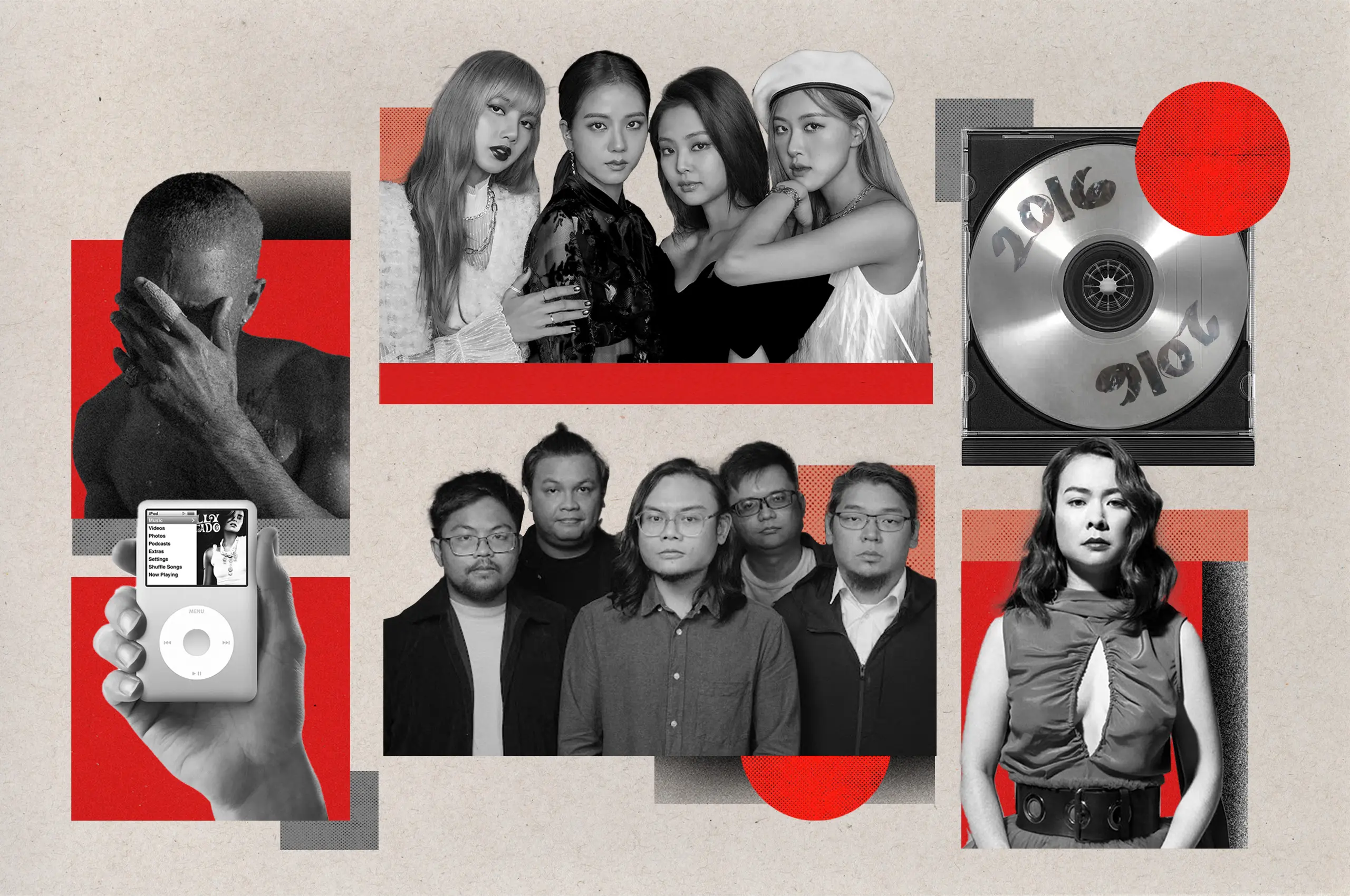
The year 2016 served as a pivotal cultural and technological threshold, introducing shifts in mobile interaction, social media consumption, and global aesthetics that remain influential in 2026. From the rise of augmented reality to the consolidation of the "influencer" economy, the trends of 2016 redefined how we connect with digital environments and each other.
The Dawn of Augmented Reality and Mobile Dominance
In the summer of 2016, the world experienced a paradigm shift in mobile gaming and consumer behavior with the release of Pokémon GO. Developed by Niantic, this title was not merely a successful application; it was the first mass-market proof of concept for Augmented Reality (AR). For the first time, millions of users globally were incentivized to interact with their physical surroundings through a digital lens. This trend forced businesses to reconsider the value of physical locations, as "PokéStops" drove foot traffic to local cafes and parks, foreshadowing the hyper-local, AR-integrated advertising we see in 2026.
Beyond gaming, 2016 marked a significant turning point in mobile hardware. Apple’s decision to remove the 3.5mm headphone jack in the iPhone 7 was met with widespread skepticism and criticism. However, this move effectively forced the consumer electronics industry toward a wireless future. It catalyzed the development of Bluetooth audio technology and the ubiquity of "true wireless" earbuds. This transition was a precursor to the portless, high-bandwidth wireless charging ecosystems that define modern mobile devices. The "courage" cited by Apple executives at the time became a blueprint for aggressive hardware iteration that prioritizes internal space for batteries and haptic engines over legacy connectivity.
The shift toward mobile wasn't just about hardware; it was about the total migration of the internet experience. By late 2016, mobile internet usage exceeded desktop usage for the first time globally. This led to the "mobile-first" design philosophy, where websites and services were optimized for vertical screens and touch interactions before large-format displays. This trend dictated the simplified, high-contrast UI/UX standards that still govern digital design today.
Social Media’s Algorithmic Revolution and Viral Culture
Before 2016, most social media platforms utilized a chronological feed. However, this year saw the widespread adoption of algorithmic curation, most notably by Instagram. This shift fundamentally changed how content was produced and consumed. Instead of seeing the most recent posts, users were shown content based on engagement metrics—likes, comments, and shares. This change gave birth to the "attention economy," where creators had to optimize their output to satisfy the algorithm, leading to the professionalization of the "influencer" as a legitimate career path.
Viral culture reached a fever pitch in 2016 through high-participation challenges. The Mannequin Challenge, which involved groups of people freezing in place while a camera moved through the scene, demonstrated the power of short-form video as a collective social experience. While Vine—the pioneer of six-second loops—began its decline in 2016, its spiritual successors like Musical.ly (later rebranded as TikTok) were gaining traction. This era solidified the "challenge" format as a primary vehicle for music promotion and brand engagement.
Moreover, 2016 was the year "Fake News" became a global household term. The US Presidential Election and the UK’s Brexit referendum highlighted how social media algorithms could be exploited to spread disinformation. The trend of "echo chambers," where users are only exposed to information that reinforces their existing beliefs, became a documented sociological phenomenon. This led to the first major wave of tech-giant accountability, resulting in the fact-checking protocols and transparency reports that are now standard operating procedures for platforms in 2026.
The Rise of "Millennial Pink" and Athleisure
In the realm of fashion and aesthetics, 2016 was defined by a specific visual palette and a shift toward functional comfort. Millennial Pink—a muted, dusty rose hue—saturated everything from interior design and tech gadgets to high-fashion runways. It represented a move away from the bold, neon colors of the early 2010s toward a more gender-neutral, "Instagrammable" aesthetic. This color trend was more than just a preference; it was a branding tool that helped startups like Glossier and Acne Studios establish a distinct, modern identity.
Simultaneously, the athleisure trend moved from a niche fitness category to a dominant lifestyle choice. Brands like Lululemon and Adidas capitalized on the "wellness" movement, making leggings, bombers, and high-end sneakers acceptable for office wear and social events. This was the year that "sneakerhead" culture moved into the mainstream, with limited-edition drops and resale markets becoming a significant economic force. The comfort-first mentality established in 2016 laid the groundwork for the remote-work fashion staples that became permanent after the global shifts of the early 2020s.
Minimalism also extended to digital aesthetics. The "Flat Design" trend, characterized by simple icons, plenty of white space, and sans-serif typography, reached its maturity. Brands across all sectors stripped away their 3D logos in favor of simplified, 2D versions that were easier to render on low-resolution mobile screens. This aesthetic obsession with "cleanliness" reflected a broader cultural desire for clarity in an increasingly complex digital world.
Artificial Intelligence and the Breakthrough of AlphaGo
While AI is a central pillar of 2026, many of its foundational breakthroughs occurred in 2016. The most significant was the victory of Google DeepMind’s AlphaGo over world champion Lee Sedol in the board game Go. This was a "Sputnik moment" for the AI industry. Unlike chess, Go requires intuition and complex spatial reasoning, which many experts believed computers wouldn't master for another decade.
The success of AlphaGo proved that deep neural networks and reinforcement learning were capable of solving problems previously thought to be the exclusive domain of human intelligence. This trend sparked a massive influx of venture capital into AI startups, shifting the focus from simple automation to cognitive computing. In 2016, we saw the first widespread integration of AI into consumer products via smart assistants like Amazon Alexa and Google Assistant, which began to move beyond simple voice commands toward predictive behavior.
Key Technological and Cultural Comparisons: 2016 vs. 2026
The following table contextualizes the state of technology and culture in 2016 against our current standards in 2026 to illustrate the scale of evolution.
| Feature/Trend | 2016 Status | 2026 Status |
|---|---|---|
| Primary Interaction | Touchscreens and early voice | Neural haptics and spatial computing |
| Mobile Connectivity | 4G LTE widespread | 6G infrastructure emerging |
| Social Media Feed | Transition to algorithmic | AI-generated personalized streams |
| Virtual Reality | Oculus Rift/HTC Vive (Tethered) | Lightweight, standalone 16K headsets |
| Work Environment | Traditional office-centric | Decentralized/Remote-hybrid standard |
| AI Integration | Chatbots and game-specific AI | General Purpose AI Assistants (GPAI) |
| Audio Standard | Removal of 3.5mm jack begins | Lossless wireless audio ubiquity |
Economic and Global Power Shifts
The economic landscape of 2016 was marked by the continued growth of the "Gig Economy." Companies like Uber, Airbnb, and Deliveroo moved from disruptive startups to market leaders. This trend reconfigured the labor market, introducing the concept of the "flexible workforce" while simultaneously triggering legal debates over worker rights and classification that would last for the next decade.
Geopolitically, 2016 was a year of "Anti-Establishment" sentiment. The shock of the Brexit vote and the election of Donald Trump indicated a trend toward nationalism and a rejection of globalist trade policies. For businesses, this meant a retreat from the predictable "just-in-time" global supply chains of the early 2000s and the beginning of a move toward "near-shoring" and regional self-sufficiency. In 2026, we see the culmination of these trends in more localized manufacturing and the rise of sovereign tech stacks.
Popular Culture and the "Year of Loss"
2016 is often remembered in popular culture as a year of profound loss, as several iconic figures passed away, including David Bowie, Prince, George Michael, and Muhammad Ali. These deaths sparked a global trend of "collective mourning" on social media, where fans shared archives, performances, and personal stories. This served to strengthen the digital archives of these artists, ensuring their influence remained potent for the "retro-cycles" that dominate 2026.
In the entertainment industry, 2016 saw the "Streaming Wars" enter a new phase of original content production. Netflix’s Stranger Things became a cultural phenomenon, proving that nostalgic, high-budget episodic content could rival cinema blockbusters in terms of cultural impact. This accelerated the decline of traditional cable television and the rise of the subscription-based model that now dominates the media landscape.
Frequently Asked Questions
What was the most influential technology of 2016?
While many point to the iPhone 7, the most influential technology was arguably the maturation of Deep Learning algorithms. Breakthroughs like AlphaGo proved that AI could handle complex, intuitive tasks, which laid the necessary groundwork for the generative AI and automated systems that are central to global infrastructure in 2026.
Why was 2016 considered a turning point for social media?
In 2016, social media pivoted from being a tool for chronological connection to an engagement-driven advertising platform. The introduction of non-chronological, algorithmic feeds changed how information was prioritized, leading to the rise of influencer marketing and the unfortunate proliferation of viral misinformation.
What defined the "2016 Aesthetic"?
The 2016 aesthetic was defined by Minimalism, Millennial Pink, and Athleisure. It was a reaction against the clutter of the early digital age, favoring "clean" designs, muted tones, and clothing that blurred the lines between the gym, the office, and the home.
How did Pokémon GO change mobile apps?
Pokémon GO was the first app to successfully integrate location-based Augmented Reality on a global scale. It proved that mobile users were willing to change their physical behavior for digital rewards, a concept that has since been integrated into everything from fitness apps to retail loyalty programs.
Why was the removal of the headphone jack so controversial?
It was controversial because it rendered millions of existing high-quality wired headphones obsolete without an immediate, superior alternative. However, it was a calculated trend by manufacturers to push the industry toward wireless standards and to free up internal hardware space for larger batteries and improved water resistance.
Analyzing the Long-Term Impact of 2016
To understand the world of 2026, one must view 2016 not as a series of isolated events, but as a period of fundamental restructuring. The trends of that year—the move to wireless, the dominance of the algorithm, the rise of AI, and the shift in global politics—were the early tremors of the massive shifts we have since navigated.
For professionals and students looking to understand current market cycles, 2016 offers a masterclass in how consumer sentiment can be rapidly reshaped by technological convenience. The lesson of 2016 is that "disruption" is often painful and unpopular at the moment of inception—as seen with the iPhone 7 or the Instagram algorithm—but these changes often set the standard for the following decade. By studying these historical inflection points, we can better predict which of today's emerging technologies will become the "new normal" of 2036.