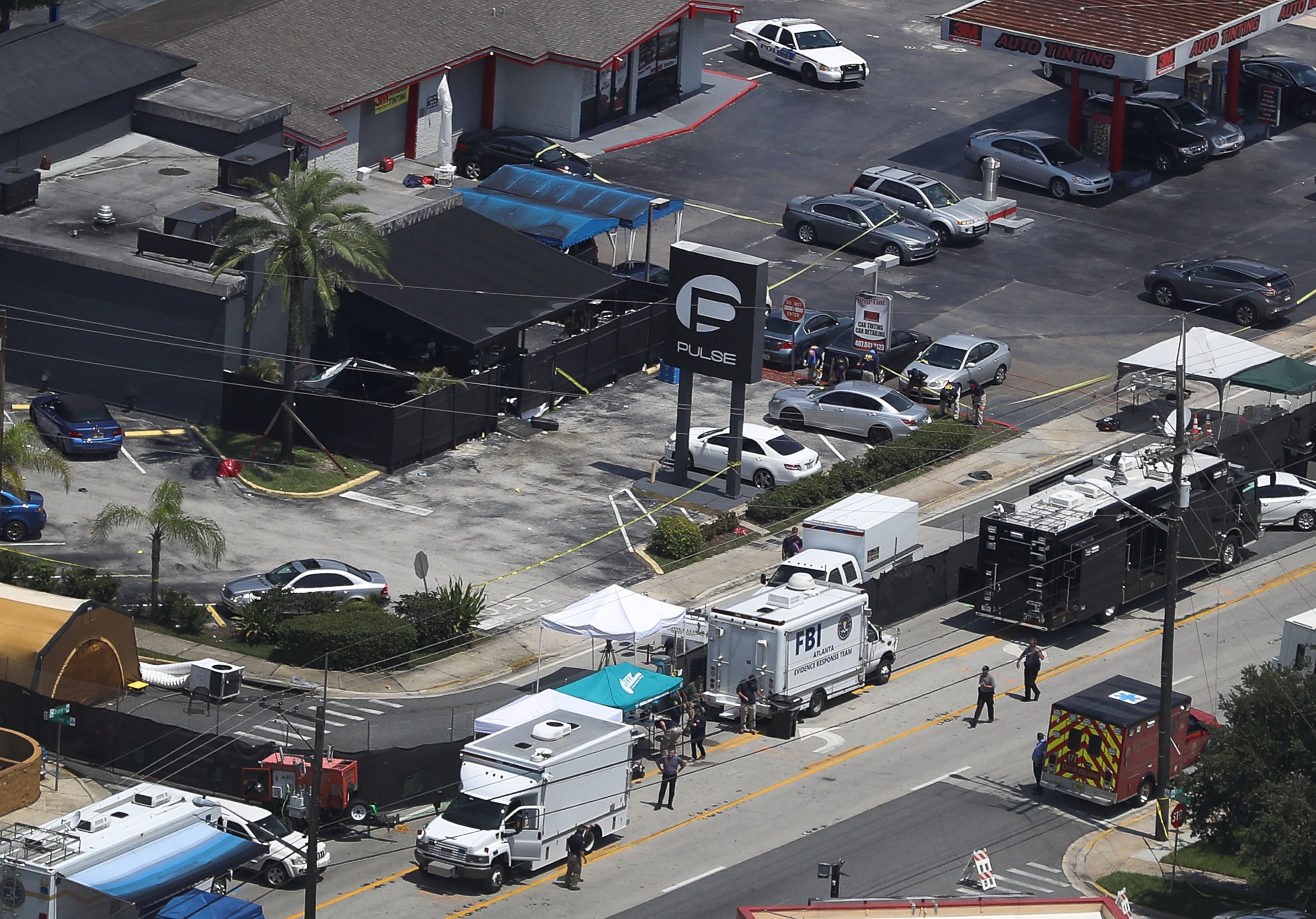
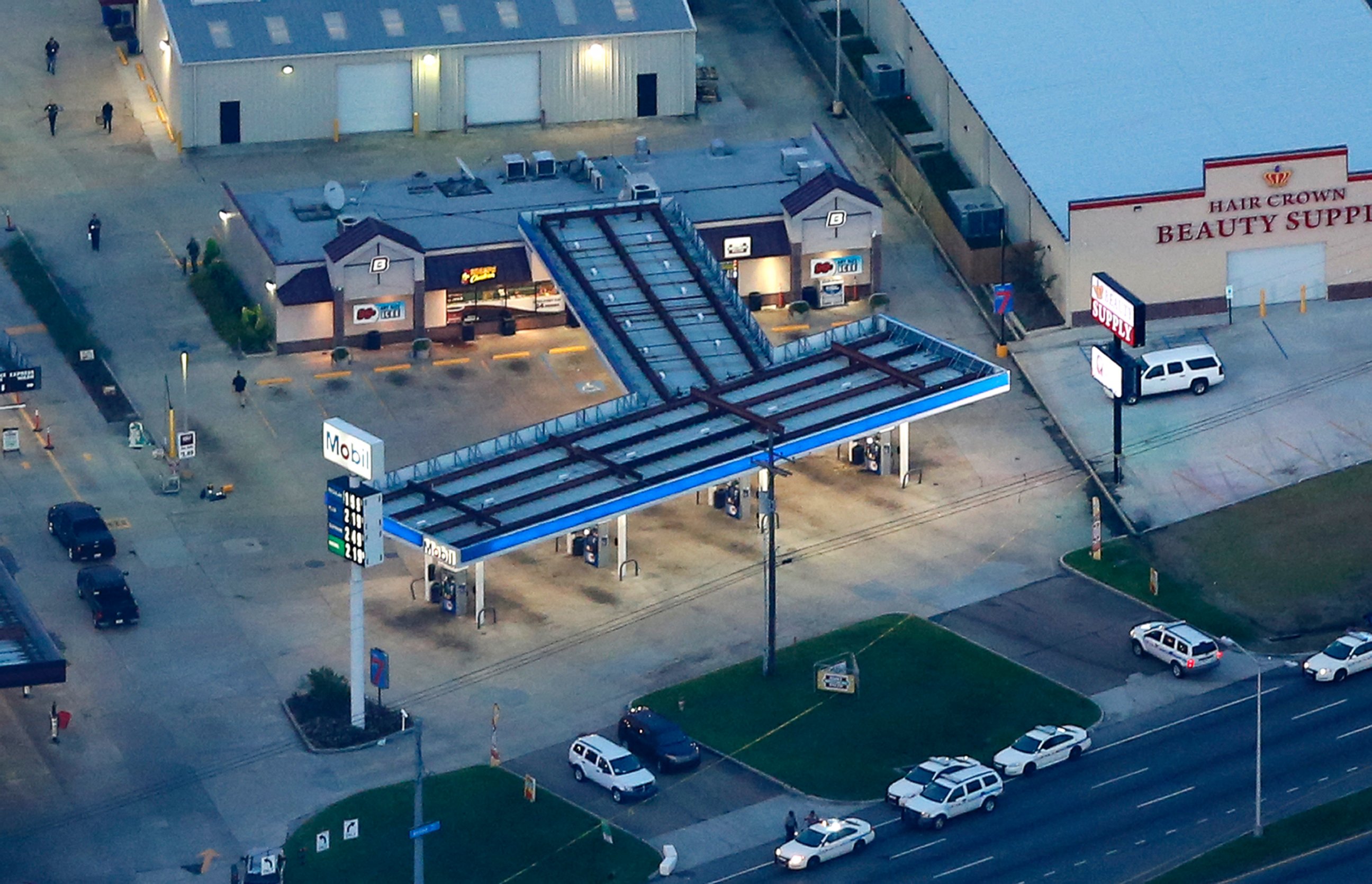
The 2016 shooting at Pulse nightclub in Orlando, Florida, occurred on June 12, 2016, resulting in the deaths of 49 people and injuring 53 others. It remains one of the deadliest mass shootings in United States history and a pivotal moment for LGBTQ+ rights, gun control legislation, and counter-terrorism protocols.
The year 2016 was marked by several high-profile acts of public violence, including the Dallas police shooting and the Cascade Mall incident. However, when researchers and historians refer to the "2016 shooting," the primary focus is almost invariably the tragedy at the Pulse nightclub. As we reflect from the vantage point of 2026, the event is recognized not only for its immediate horror but for the profound shift it caused in how the U.S. approaches "soft target" security and hate crime recognition.
Chronology of the Pulse Nightclub Incident
The attack began at approximately 2:02 a.m. on Sunday, June 12, 2016. Pulse was hosting a "Latin Night," and the club was near its capacity of roughly 300 people. The perpetrator, a 29-year-old security guard named Omar Mateen, entered the premises armed with a Sig Sauer MCX semi-automatic rifle and a 9mm Glock 17 semi-automatic pistol.
The initial engagement occurred between the shooter and an off-duty Orlando Police Department (OPD) officer who was working extra duty at the club. Despite the exchange of fire, the shooter successfully entered the building, where he began firing systematically into the crowd. For the next several minutes, the scene was one of chaos, as patrons attempted to flee through exits, hide in dressing rooms, or barricade themselves in restrooms.
By 2:18 a.m., the OPD had dispatched additional units, including a SWAT team. The situation transitioned from an active shooter scenario to a barricaded subject with hostages. For the next three hours, the shooter remained inside the building, specifically in the bathrooms, where he engaged in negotiations with police and made 911 calls pledging allegiance to the Islamic State of Iraq and the Levant (ISIL).
At 5:02 a.m., after negotiations failed and the threat of further loss of life became critical, the SWAT team used explosive charges and an armored vehicle to breach the building's walls. This led to a final shootout where the perpetrator was killed. The three-hour gap between the initial shooting and the final breach remains one of the most scrutinized aspects of the law enforcement response.
Comparative Analysis of Major 2016 Shooting Events
While Pulse was the most prominent, 2016 saw several incidents that changed tactical and social perspectives on public safety. The following table compares the most significant shootings of that year.
| Event | Date | Location | Fatalities | Primary Context |
|---|---|---|---|---|
| Pulse Nightclub | June 12, 2016 | Orlando, FL | 49 | Terror-inspired hate crime against LGBTQ+ community. |
| Dallas Police Shooting | July 7, 2016 | Dallas, TX | 5 | Targeted attack on law enforcement during a protest. |
| Hesston Shooting | Feb 25, 2016 | Hesston, KS | 3 | Workplace violence at Excel Industries. |
| Cascade Mall Shooting | Sept 23, 2016 | Burlington, WA | 5 | Random attack in a retail environment. |
| Munich Shooting | July 22, 2016 | Munich, GER | 9 | Non-political attack by a radicalized youth. |
Forensic and Tactical Investigations
The investigation into the 2016 Pulse shooting involved the FBI, the Bureau of Alcohol, Tobacco, Firearms and Explosives (ATF), and local Florida law enforcement. One of the primary technical focuses was the weaponry used. Initial reports incorrectly identified the rifle as an AR-15; however, forensic analysis confirmed it was a Sig Sauer MCX. While aesthetically similar to the AR-15, the MCX uses a short-stroke gas piston system, a detail that became significant in later discussions regarding firearm classifications and "assault weapon" bans.
Law enforcement tactics also underwent a massive "after-action" review. The three-hour standoff at Pulse led to a nationwide re-evaluation of the "Active Shooter" protocol. Prior to 2016, the standard was to contain the scene and wait for SWAT if a shooter became barricaded. Post-Pulse, many agencies shifted toward a "continuous action" model, prioritizing immediate entry even in hostage situations to prevent the slow death of injured victims trapped inside the "hot zone."
The investigation also delved into the digital footprint of the perpetrator. It was discovered that he had used social media during the attack to search for news coverage of his own actions. This led to significant changes in how tech companies monitor live-streaming and real-time uploads during mass casualty events.
Legislative and Policy Changes Post-2016
The 2016 shooting served as a catalyst for both state-level and federal legislative debates. In Florida, the tragedy initially led to a surge in support for expanded background checks and "red flag" laws. While federal gridlock prevented major national changes in 2016, the Pulse shooting laid the groundwork for the Bipartisan Safer Communities Act of 2022, which addressed mental health resources and closed the "boyfriend loophole."
Key policy areas affected included:
- Targeted Surveillance: The shooter had been on the FBI's radar previously, which led to a reassessment of how individuals are cleared from watchlists and the criteria for notifying local authorities when a previously flagged individual attempts to purchase a firearm.
- Victim Compensation: The OneOrlando Fund was established to distribute over $27 million in donations to the victims' families and survivors. This became a model for how cities manage mass-casualty philanthropy.
- Hate Crime Classification: Because the shooting targeted a "Latin Night" at an LGBTQ+ club, it forced a national conversation on the intersectionality of hate crimes. This influenced the 2021 COVID-19 Hate Crimes Act and subsequent protections for marginalized groups.
Societal and Psychological Legacy
By 2026, the site of the Pulse nightclub has transitioned from a crime scene to a place of national remembrance. The Pulse Memorial and Museum initiatives were designed to honor the "49 Angels." The psychological impact on the Orlando community, particularly the Hispanic and LGBTQ+ populations, remains a subject of academic study regarding long-term trauma and community resilience.
Furthermore, the 2016 shooting fundamentally altered the security landscape for the hospitality industry. Nightclubs and concert venues across the world implemented more rigorous screening processes, including the use of "acoustic glass" and advanced metal detection. The concept of "Security by Design" became a standard for new entertainment venues, ensuring that exits are more accessible and "safe rooms" are integrated into floor plans.
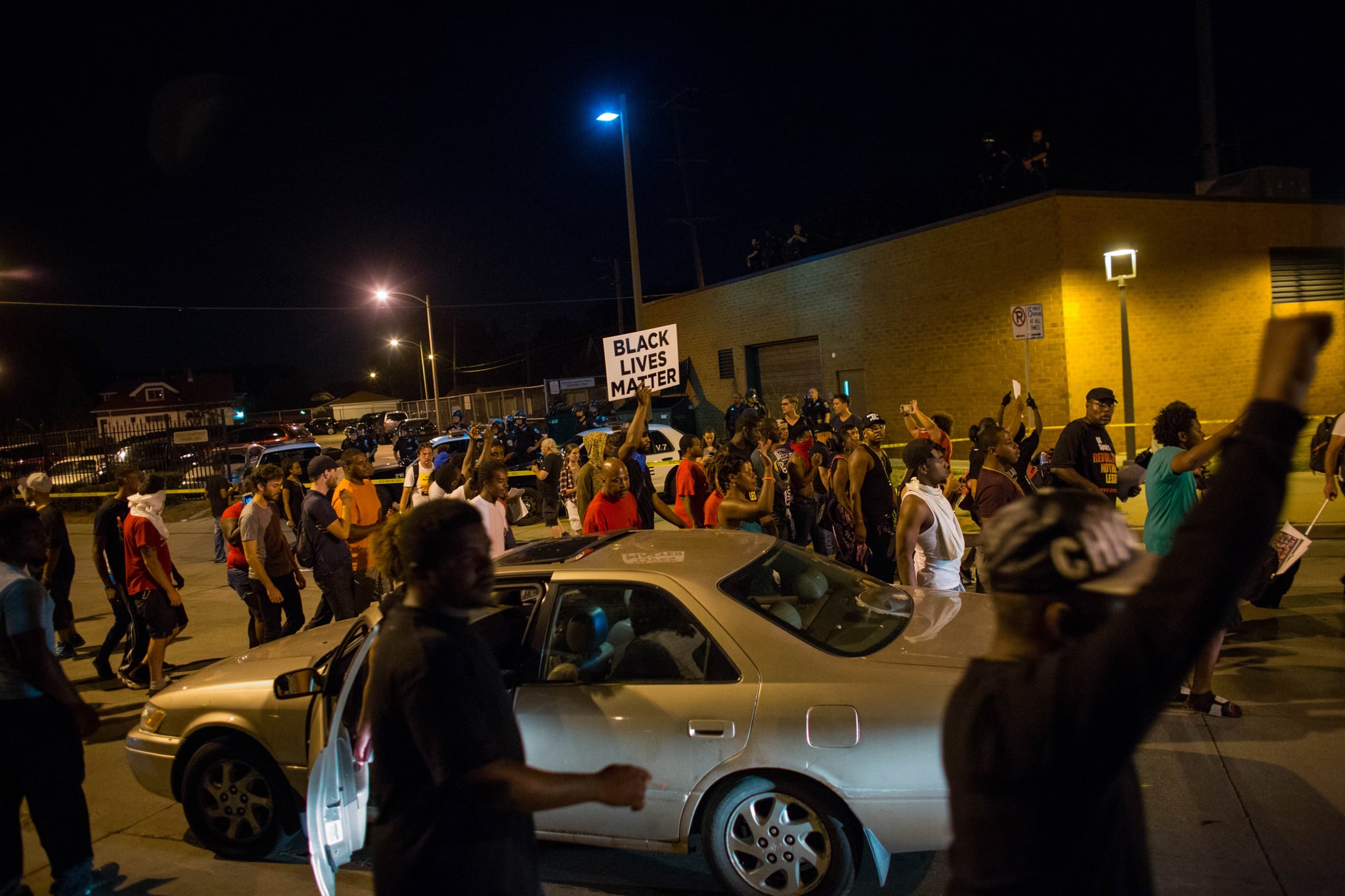
The Dallas police shooting in July 2016, occurring just weeks after Pulse, added a layer of complexity to the national mood. It highlighted a growing rift between law enforcement and the communities they serve, particularly during the burgeoning "Black Lives Matter" movement. The coincidence of these two major shootings in a single summer made 2016 a watershed year for American civil discourse regarding safety, race, and identity.
Frequently Asked Questions
What was the specific firearm used in the 2016 Pulse shooting?
The shooter used a Sig Sauer MCX semi-automatic rifle and a Glock 17 9mm semi-automatic pistol. The Sig Sauer MCX was often confused with the AR-15 in early media reports due to its similar appearance, but it utilizes a different internal gas system. Both weapons were purchased legally in the state of Florida following a standard background check and a mandatory three-day waiting period for the handgun.
How did the 2016 shooting affect gun control laws?
The shooting prompted a "sit-in" by Democrats in the U.S. House of Representatives and a renewed push for "No Fly, No Buy" legislation—prohibiting people on terrorist watchlists from purchasing guns. While these federal efforts failed in 2016, Florida later passed the Marjory Stoneman Douglas High School Public Safety Act in 2018, which raised the firearm purchase age to 21 and implemented "red flag" laws, a direct evolution of the debates started after Pulse.
Why did the police wait three hours to breach the building?
The delay was due to the situation transitioning from an "active shooter" to a "hostage/barricaded subject" scenario. Under the protocols of 2016, police were trained to negotiate once a shooter was contained. However, this delay was heavily criticized because many victims bled to death while waiting for rescue. This has since led to tactical changes where police are encouraged to breach earlier if victims are known to be injured inside.
Was the 2016 Pulse shooting classified as a terrorist attack or a hate crime?
It was officially classified as both. The FBI investigated it as an act of domestic terrorism due to the shooter's stated allegiance to ISIL. Simultaneously, because the target was an LGBTQ+ venue during a Latin-themed event, it is widely recognized as one of the most significant hate crimes against the LGBTQ+ and Hispanic communities in U.S. history.
What is the status of the Pulse site in 2026?
As of 2026, the site of the nightclub is part of a permanent memorial effort. While there have been various disputes regarding the exact design and management of the memorial, the location serves as a site for annual vigils. Many of the surrounding areas in Orlando have been designated as "Safe Spaces," with increased focus on community-building and support for survivors who still deal with the physical and emotional scars of the event.
Recommendations for Further Research and Action
For those looking to understand the broader implications of the 2016 shooting, it is essential to look beyond the headlines and examine the "After-Action Reports" (AARs) published by the Department of Justice and the National Police Foundation. These documents provide a granular look at the communication failures and successes during the three-hour window.
Individuals interested in supporting survivors can look toward established non-profits that focus on LGBTQ+ safety and mental health. Furthermore, policy researchers should examine the "red flag" law statistics in Florida from 2018 to 2026 to determine if the legislative shifts inspired by 2016 have been effective in preventing subsequent mass casualty events. Understanding the technical evolution of public safety is a continuous process that requires analyzing both the tactical failures of the past and the legislative progress of the present.