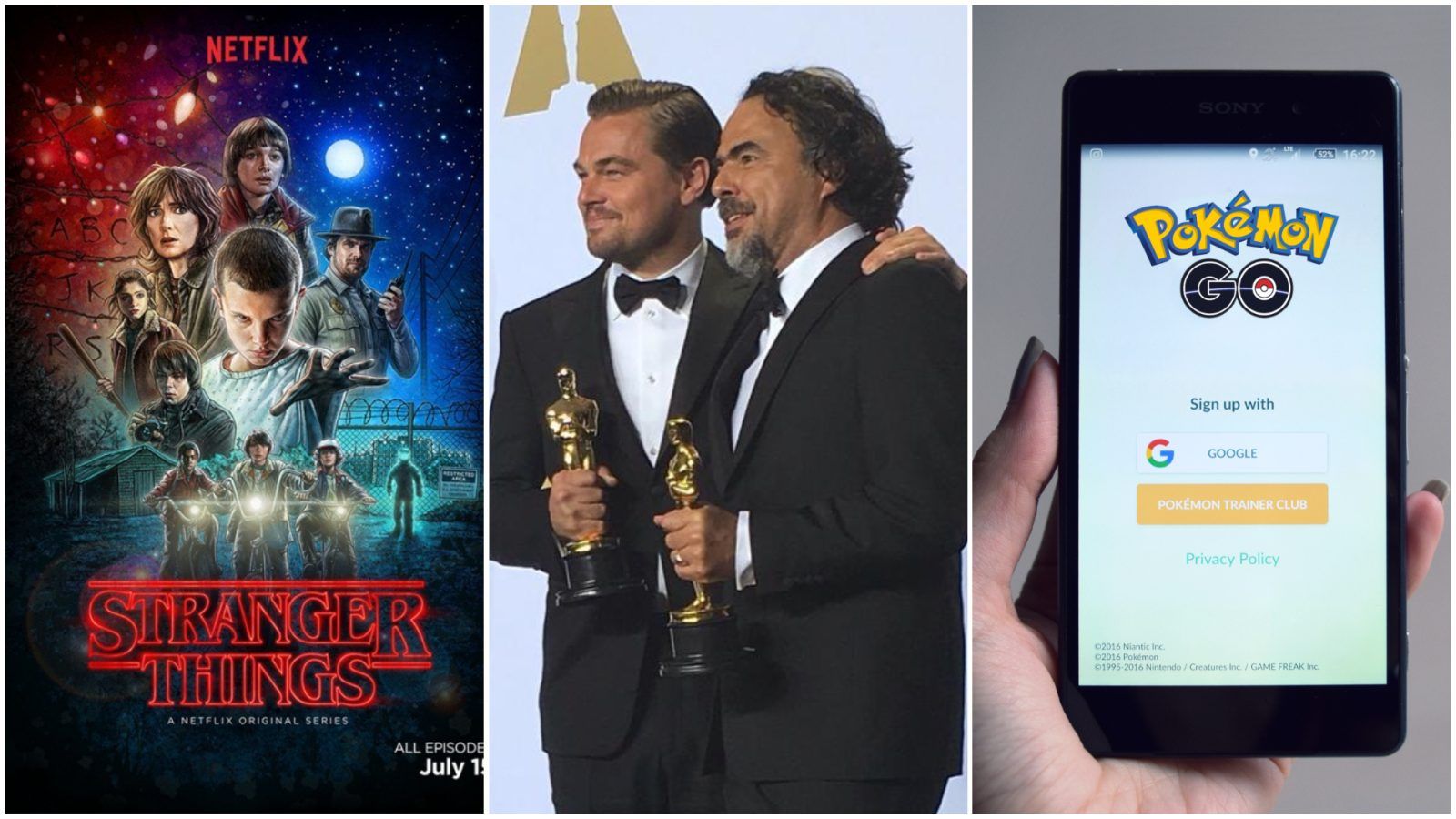
In 2016, pop culture underwent a seismic shift characterized by the rise of "visual albums," the global dominance of augmented reality through Pokémon GO, and a transformative intersection of internet memes and political discourse. Looking back from 2026, it remains a "hinge year" that signaled the end of traditional celebrity monoculture and the beginning of the hyper-fragmented digital era we inhabit today.
The Year of the Visual Album: Music as a Multidisciplinary Event
In 2016, the music industry moved beyond the simple "album drop" toward immersive, multi-sensory experiences. This shift was led by two of the decade’s most influential artists: Beyoncé and Frank Ocean.
Beyoncé’s Lemonade was more than just a collection of songs; it was a 65-minute film aired on HBO that blended poetry, fashion, and social commentary. By releasing the album exclusively on Tidal initially, Beyoncé utilized her cultural capital to dictate the terms of digital consumption. Lemonade explored themes of infidelity, Black womanhood, and American history, proving that high-concept art could still achieve massive commercial success. It redefined the "surprise drop," a tactic she had pioneered in 2013, but added a layer of cinematic depth that made the music inseparable from its visual counterpart.
Simultaneously, Frank Ocean broke his four-year silence with a dual release: the visual album Endless and the studio album Blonde. This move was a masterclass in industry navigation, allowing Ocean to fulfill his contract with Def Jam through the visual project and release Blonde independently. Blonde went on to become a blueprint for modern indie-R&B, characterized by its minimalist production and vulnerable lyricism.
Other notable musical shifts included:
- Kanye West’s The Life of Pablo: This marked the birth of the "living album." West famously edited tracks on streaming services weeks after the official release, treating the album as software that could be patched and updated.
- The Globalization of Sound: Drake’s Views, led by the hit "One Dance," solidified the integration of Afrobeats and Dancehall into Western pop—a trend that would dominate the charts for the next decade.
Pokémon GO and the Dawn of Mass Augmented Reality
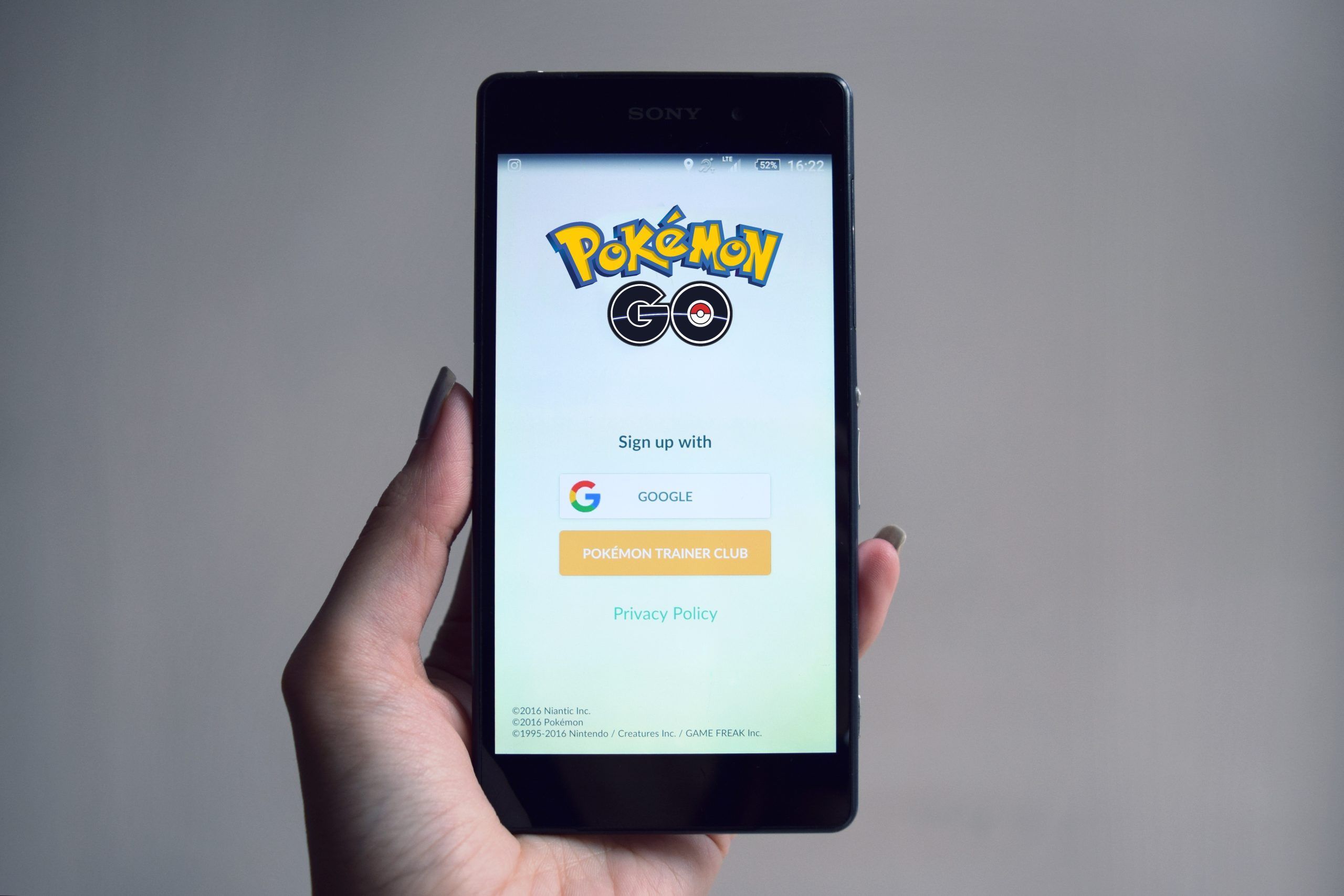
In the summer of 2016, the world experienced a rare moment of collective physical interaction through a digital medium. Pokémon GO, developed by Niantic in collaboration with Nintendo, became an overnight phenomenon that transcended age, geography, and social status.
The success of Pokémon GO was rooted in the perfect storm of nostalgia and accessible technology. It was the first time augmented reality (AR) moved from a "tech demo" concept to a functional, mass-market reality. People flooded public parks, city centers, and landmarks to "catch 'em all," leading to unprecedented levels of foot traffic and even influencing local economies.
From a technical standpoint, the game’s legacy in 2026 is seen in how it normalized location-based services and AR overlays. It proved that mobile gaming could be an "active" rather than "passive" experience. However, it also raised early concerns about digital privacy and the physical risks of distracted gaming, themes that remain central to tech regulation debates today. The "Summer of Pokémon GO" is often cited as one of the last times a single piece of software brought diverse groups of people together in physical spaces before the increasing polarization of the late 2010s.
The "Cursed Year": Processing Collective Grief in the Social Media Age
The year 2016 was also defined by a staggering number of losses within the upper echelon of cultural icons. The deaths of David Bowie, Prince, George Michael, Carrie Fisher, and Alan Rickman created a narrative that 2016 was a "cursed year."
These losses were significant because these individuals represented the peak of 20th-century stardom—figures who had achieved a level of global recognition that is increasingly difficult to replicate in today’s fragmented media landscape. Bowie’s death, occurring just days after the release of his final album Blackstar, set the tone for a year where art and mortality were inextricably linked.
The public’s reaction to these deaths also signaled a shift in how we mourn. Social media platforms like Twitter and Instagram became digital wakes, where fans shared curated tributes, rare clips, and personal anecdotes. This era of "performative mourning" became a standard cultural ritual, though it often sparked debates about the sincerity of digital grief versus the invasive nature of celebrity obsession. For many, the loss of these icons felt like the closing of a chapter on the "Golden Age" of pop culture.
Internet Culture: Harambe, Memes, and the New Political Reality
In 2016, the boundary between "internet culture" and "real-world news" completely dissolved. No event illustrated this better than the death of Harambe, a gorilla at the Cincinnati Zoo. What began as a tragic local news story was rapidly absorbed by the internet’s irony machine, evolving into a meta-meme that stayed relevant for months.
Harambe became a symbol of how the internet could take a singular event and strip it of its original context, turning it into a vessel for absurdism, political protest, and social commentary. This was the year that memes became a primary language for political discourse. The "Great Meme War" of 2016 saw digital subcultures on platforms like Reddit and 4chan exert tangible influence on the U.S. Presidential Election and the UK's Brexit referendum.
This shift introduced the world to the power of:
- Viral Misinformation: The rapid spread of unverified claims disguised as humor.
- Algorithm-Driven Polarization: How social media feeds prioritized high-engagement (often controversial) content.
- The Rise of the "Influencer" Politician: Where personality and "meme-ability" began to rival policy in terms of public reach.
Television and the Streaming Revolution: The Birth of Stranger Things
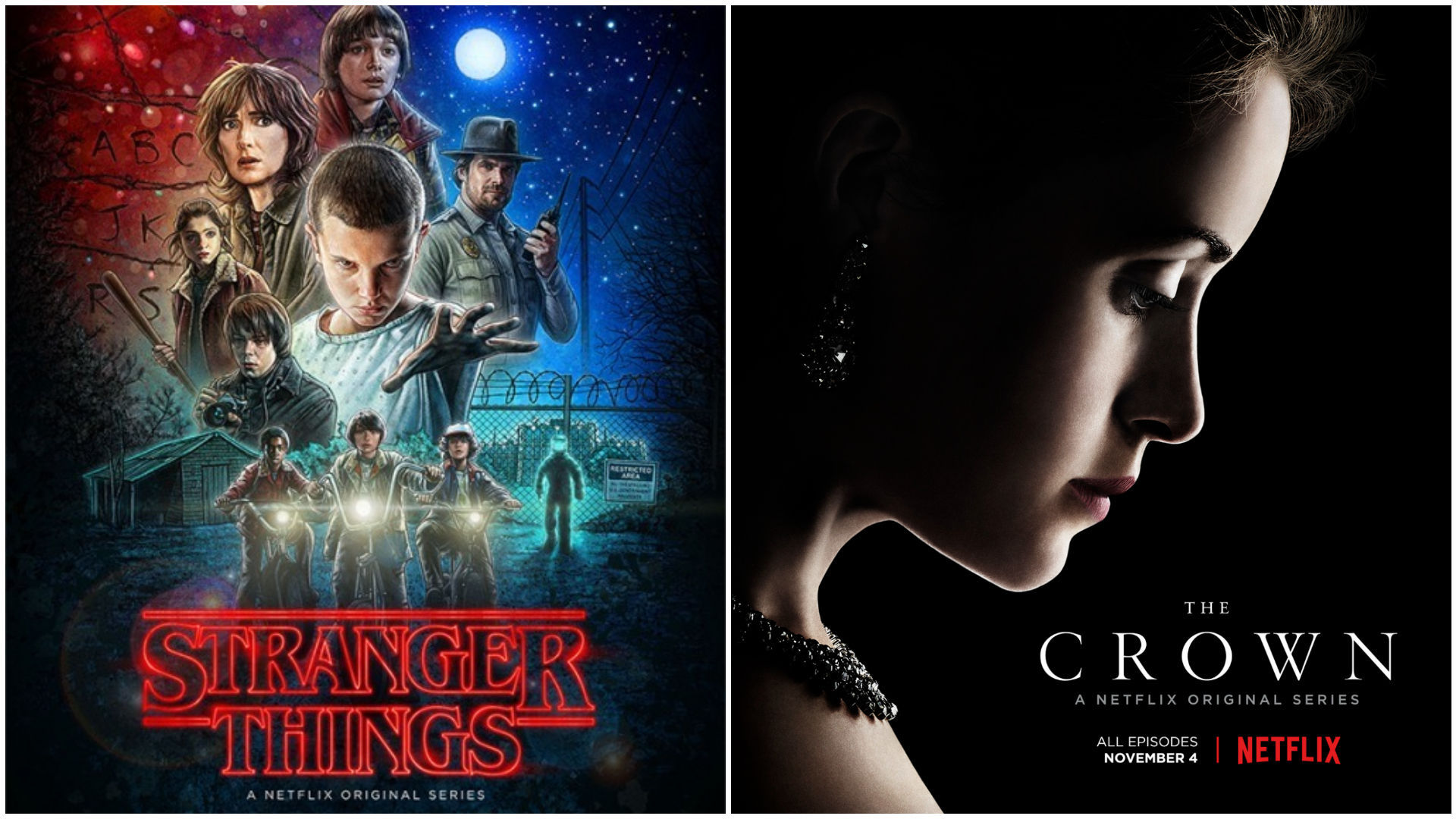
While the film industry saw the continued rise of the Marvel Cinematic Universe with Captain America: Civil War, the real cultural disruption was happening on small screens. In July 2016, Netflix released Stranger Things, a series that capitalized on 1980s nostalgia and the "binge-watching" model.
The success of Stranger Things was a turning point for Netflix, proving that original, high-budget genre content could create a global "water cooler" moment even without a traditional weekly release schedule. It also launched the careers of a new generation of child stars and revitalized the careers of veterans like Winona Ryder.
Beyond nostalgia, 2016 television was marked by critical darlings like Atlanta and Insecure, which brought nuanced, auteur-driven perspectives on Black life to the forefront. Meanwhile, Game of Thrones reached its peak cultural saturation with "The Battle of the Bastards," an episode that set new technical standards for television production and scale.
Comparison of 2016 Cultural Milestones and Their Long-Term Impact
The following table outlines the major pillars of 2016 pop culture and how they have evolved by the year 2026.
| Category | 2016 Milestone | Long-Term Legacy (Perspective from 2026) |
|---|---|---|
| Music | Lemonade (Beyoncé) | Normalization of the "album-as-film" and visual storytelling. |
| Technology | Pokémon GO Launch | Pioneered mass AR adoption; blueprint for location-based apps. |
| Cinema | Deadpool | Proved R-rated superhero films could be massive hits; shifted studio risk-aversion. |
| Television | Stranger Things Debut | Solidified "80s Nostalgia" as a dominant aesthetic for the decade. |
| Social Media | Rise of TikTok's predecessor (Musical.ly) | The beginning of the transition from text/image to short-form video dominance. |
| Internet Culture | The Harambe Meme | Established memes as a legitimate (and dangerous) tool for political influence. |
The Legacy of 2016: A Decade in Retrospect
As we look back from 2026, 2016 serves as the blueprint for the "Attention Economy." It was the year creators and corporations realized that capturing human attention required more than just quality; it required an "event." Whether it was a surprise album, an AR game that forced you outside, or a meme that became a political rallying cry, the goal was to dominate the digital conversation at all costs.
The year also marked the final stand of the "monoculture." While millions of people still watched the same shows and listened to the same music in 2016, the algorithms were already beginning to silo audiences into specific niches. Today, in 2026, the idea of a "global cultural moment" like Pokémon GO feels increasingly rare as our media consumption becomes personalized to the point of isolation.
FAQ
What was the most significant cultural event of 2016?
While subjective, Pokémon GO is frequently cited as the most significant event due to its unprecedented blending of digital and physical worlds. It remains the most successful example of a technology (AR) being adopted by the general public almost overnight, changing the way people interacted with their urban environments.
Why is 2016 often called the "cursed year"?
The term "cursed year" gained traction due to a statistically high number of legendary celebrity deaths, including David Bowie, Prince, and George Michael. This, combined with intense political polarization globally, created a sense of collective anxiety that was documented and amplified through social media.
How did 2016 change the way music is released?
The "surprise drop" and the "visual album" became the gold standard for major artists in 2016. Beyoncé’s Lemonade and Frank Ocean’s Blonde showed that artists could maintain control over their narratives by bypassing traditional press cycles and using streaming platforms as exclusive venues for multi-media art.
What meme from 2016 had the biggest impact?
Harambe is widely considered the most impactful meme. It demonstrated the internet's ability to turn a tragedy into a long-running inside joke, eventually crossing over into political protests and mainstream news. It was a precursor to the "meme-ification" of serious global events that defines internet culture today.
How did Stranger Things influence 2016 pop culture?
Stranger Things triggered a massive wave of 1980s nostalgia that influenced fashion, music (synthwave), and other media for years to come. It also solidified Netflix’s position as a dominant producer of "must-watch" original content, shifting the power balance away from traditional cable networks.
Identifying the Next Steps for Cultural Research
For those looking to understand the lasting impact of 2016, the best next step is to examine the evolution of short-form video. The growth of Musical.ly in 2016 (which later became TikTok) is the most direct link between the trends of 2016 and the current digital landscape of 2026. Analyzing how the "attention-grabbing" tactics of 2016 evolved into the algorithmic feeds of today provides a clear view of where pop culture is headed next. Students and researchers should focus on the transition from "viral moments" to "algorithmic dominance" as the primary driver of cultural relevance.