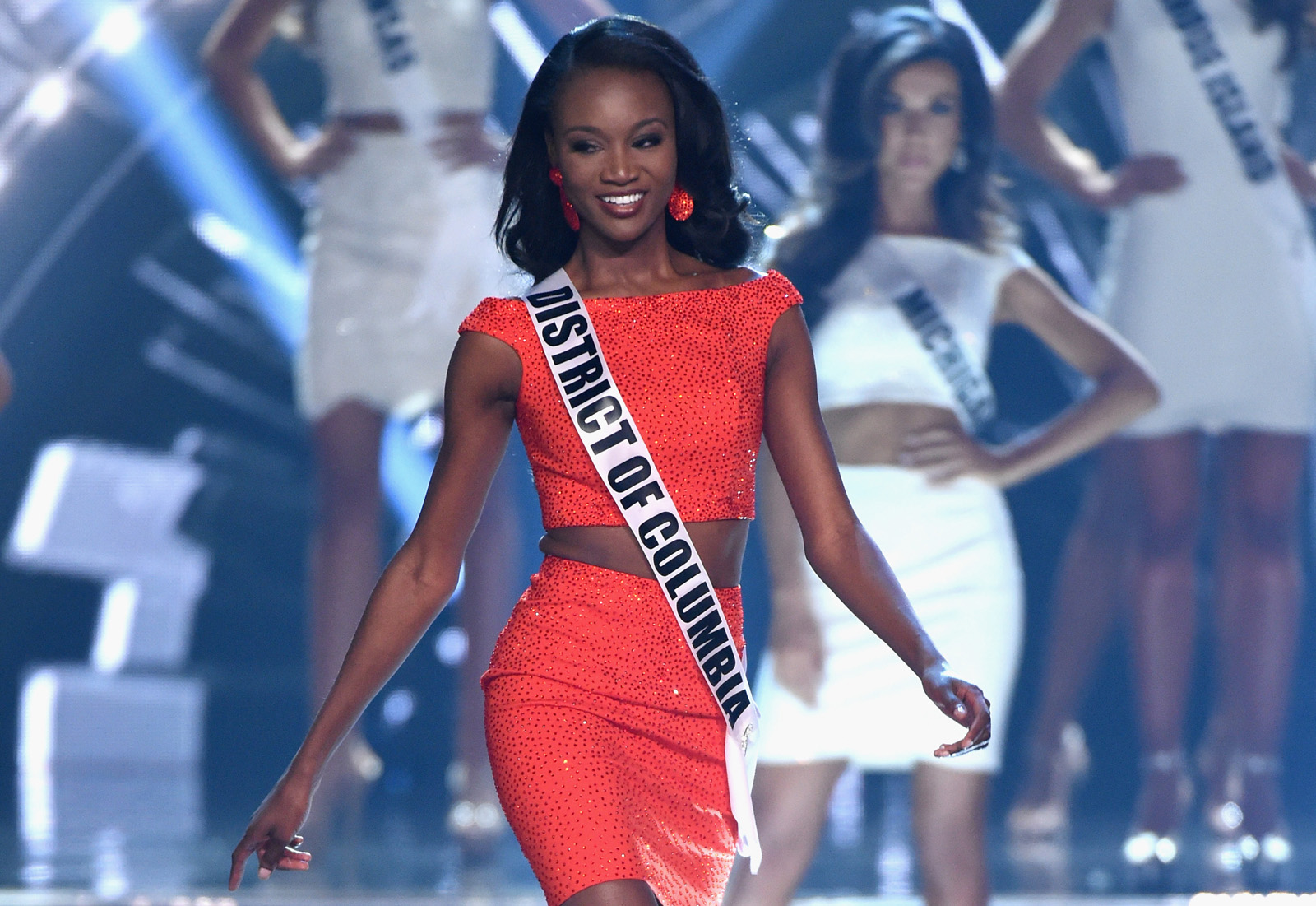
The 2016 Miss USA pageant concluded with Deshauna Barber, Miss District of Columbia, being crowned the winner at the T-Mobile Arena in Las Vegas on June 5, 2016. The event was marked by Barber’s historic military background, the use of the Diamonds International Corporation (DIC) crown, and significant controversy surrounding a political final question posed to the first runner-up.
The Cultural and Corporate Shift of Miss USA 2016
The 2016 Miss USA pageant represented a pivotal turning point in the organization's history. This was the first year the pageant was fully produced under the ownership of WME/IMG, following the high-profile departure of Donald Trump. The transition occurred after controversial remarks made by Trump during his presidential campaign led to the termination of the pageant's broadcast contracts with NBC and Univision in 2015.
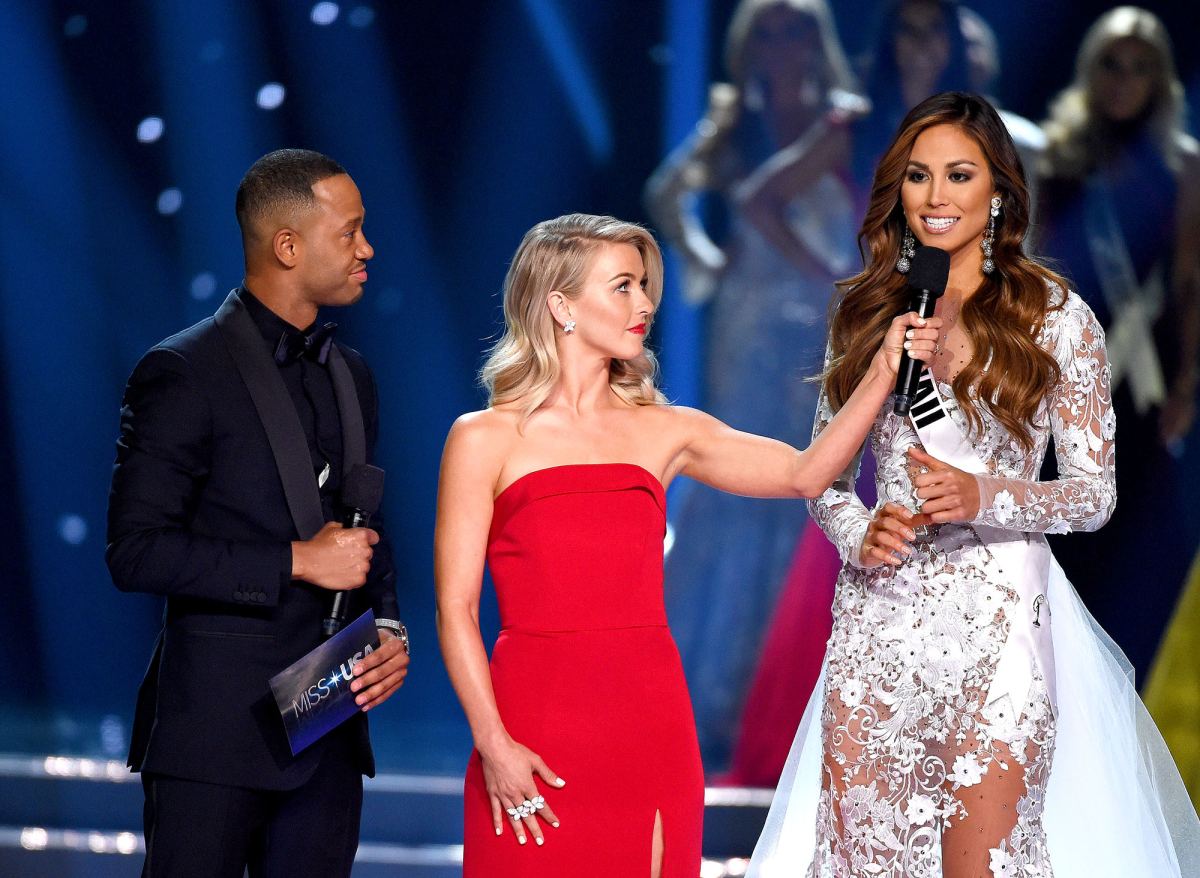
By 2016, the pageant had moved to its new home on the Fox network. This shift in ownership brought a noticeable change in the "brand" of the Miss USA winner. The organization began to pivot away from a purely aesthetic focus toward a "Confidently Beautiful" mantra, emphasizing the professional achievements, intelligence, and diverse backgrounds of the contestants. The 2016 telecast was hosted by Terrence J and Julianne Hough, with Ashley Graham serving as a backstage correspondent, highlighting a push toward body positivity and modern media engagement.
The Winner: Deshauna Barber’s Historic Reign
Deshauna Barber’s victory was a landmark moment for the Miss Universe Organization. At the time of her crowning, Barber was a 26-year-old Logistics Commander in the U.S. Army Reserve and an IT analyst for the U.S. Department of Commerce. She was the first active-duty military member to ever win the Miss USA title.
Barber’s platform focused heavily on the treatment of veterans and the mental health challenges faced by those returning from service, specifically Post-Traumatic Stress Disorder (PTSD). Her performance during the interview portions of the competition solidified her lead. When asked about the Pentagon’s decision to open all combat roles to women, Barber’s response was both authoritative and resonant:
"As a woman in the United States Army, I think it was an amazing job by our government to allow us to integrate into every branch of the military. We are just as tough as men. As a commander of my unit, I'm powerful, I am dedicated, and it is important that we recognize that gender does not limit us in the United States Army."
This answer, delivered with military precision, resonated with both the judges and the national audience, effectively redefining what it meant to hold the Miss USA title in the mid-2010s.
The 2016 DIC Crown: Design and Symbolism
The crown placed upon Deshauna Barber’s head was the "Miss USA DIC Crown," created by the Diamonds International Corporation. This specific crown was part of a ten-year deal (which was later shortened due to legal disputes) and was designed to evoke the skyline of New York City, where the organization was headquartered.
The 2016 crown was a masterpiece of high-end jewelry, featuring:
- 33 natural colorless diamonds
- 30 light-green colored crystals
- Weighty gold and silver base elements
- A design intended to reflect "confidence, elegance, and the power of women"
The DIC crown became a symbol of the "new era" of the pageant. However, it was also a source of behind-the-scenes drama. By late 2016 and into 2017, the Miss Universe Organization became embroiled in a lawsuit with DIC, alleging that the manufacturer had failed to pay required sponsorship fees. This led to the eventual retirement of this specific crown design in favor of the "Mikimoto" crown and later the "Mouawad" designs.
Final Results and the Top Finishers
The 2016 competition featured 52 contestants—one from each state, the District of Columbia, and "Miss 52 USA," a fan-voted contestant. The depth of the talent pool in 2016 was considered exceptionally high, with several contestants going on to successful careers in media and advocacy.
The Top 3 Finalists
- Winner: District of Columbia – Deshauna Barber: Barber’s victory was undisputed following her strong interview. She later competed at Miss Universe 2016, where she placed in the Top 9.
- First Runner-up: Hawaii – Chelsea Hardin: Hardin was a fan favorite throughout the night. Many pageant analysts believed she was the frontrunner for the crown until the final question segment.
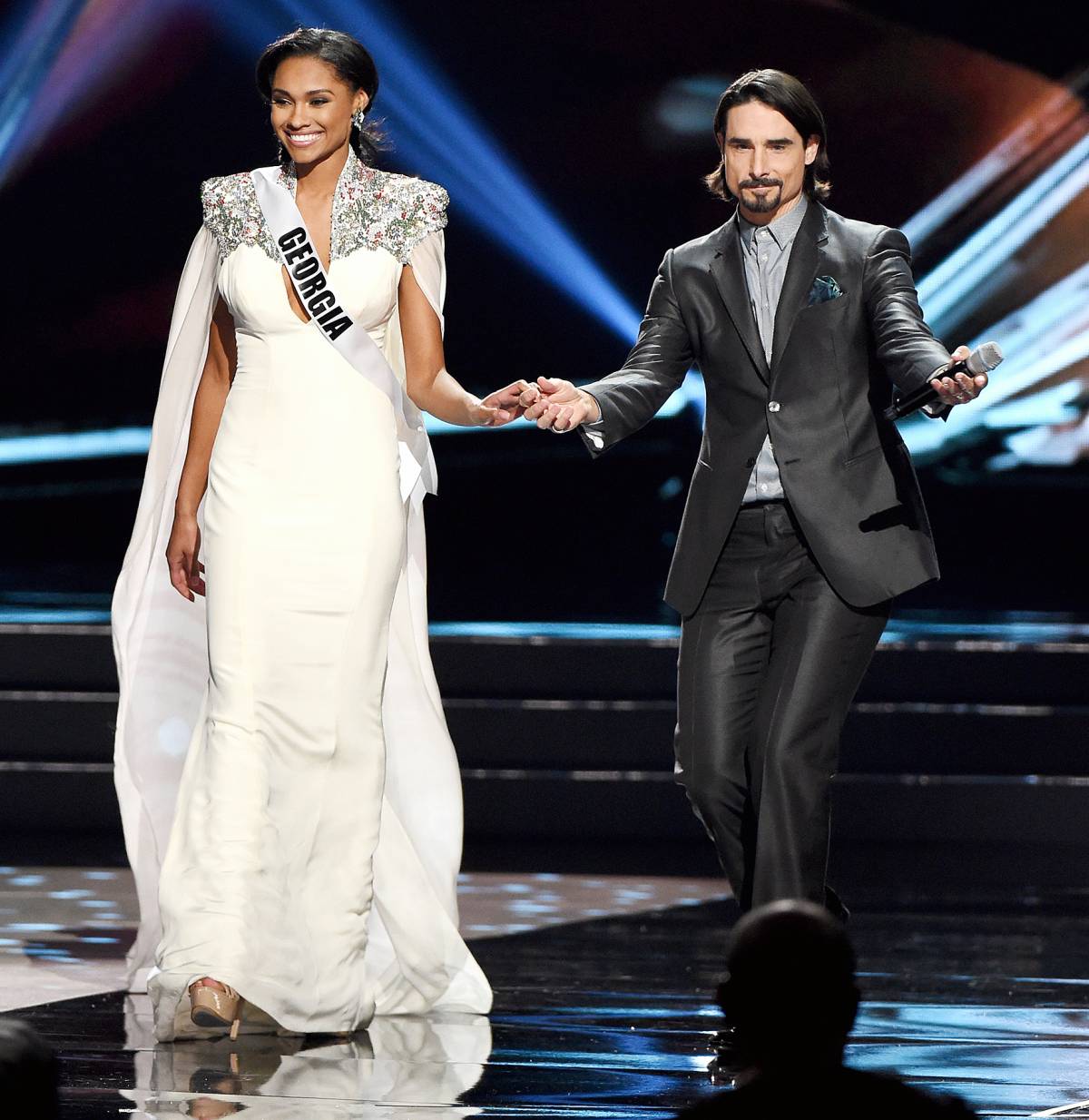
- Second Runner-up: Georgia – Emanii Davis: Davis provided a polished and sophisticated presence. She later competed in Miss Earth and continued a successful career in the pageant world and modeling.
| Rank | State | Contestant | Notable Background |
|---|---|---|---|
| Winner | District of Columbia | Deshauna Barber | U.S. Army Reserve Captain & IT Analyst |
| 1st Runner-up | Hawaii | Chelsea Hardin | Former NCAA Division I Athlete |
| 2nd Runner-up | Georgia | Emanii Davis | Counselor and Professional Model |
| Top 5 | Alabama | Peyton Brown | Competitive Dancer |
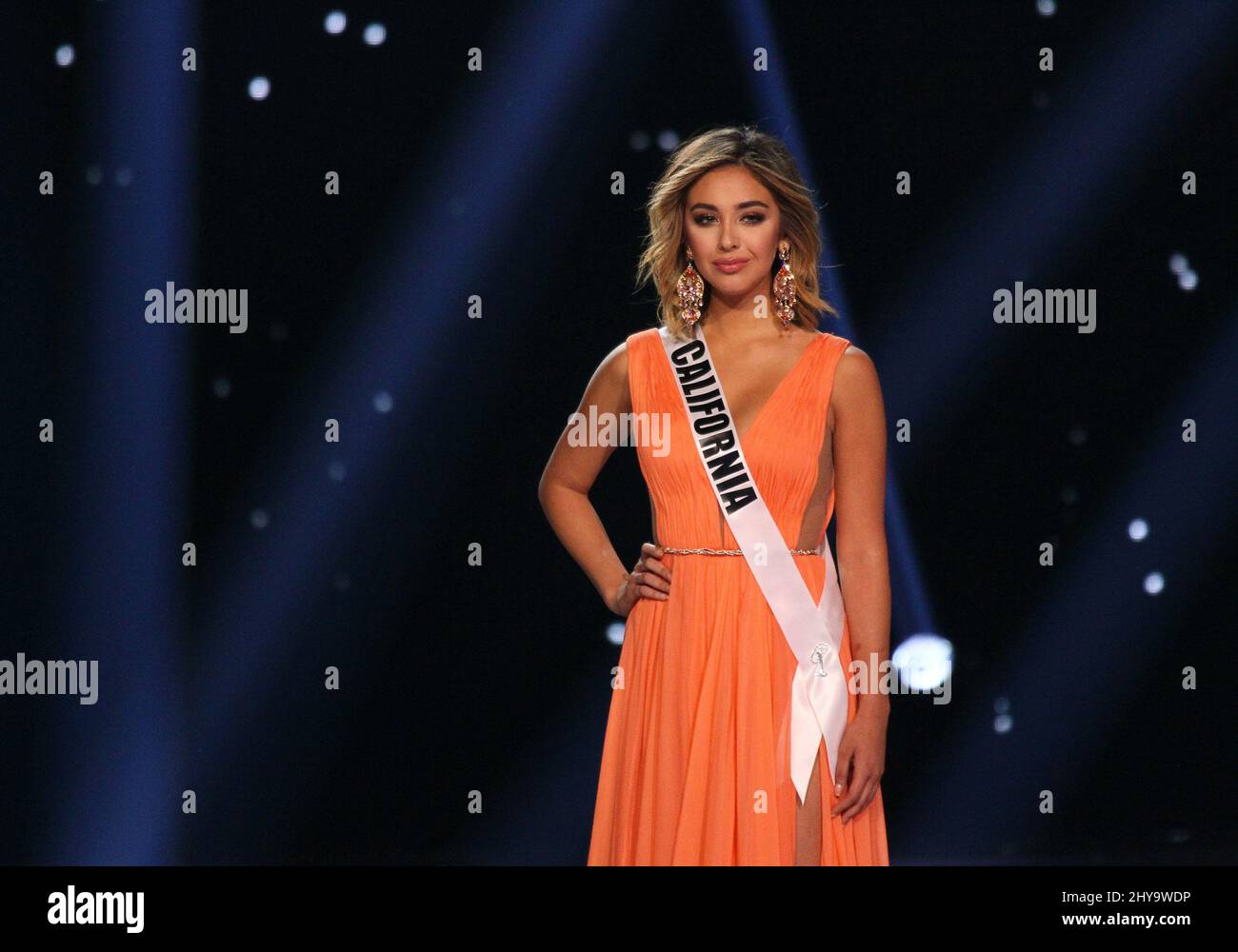
| Top 5 | California | Nadia Mejia | Daughter of musician "Gerardo" |
Major Controversies: The "Political Question" and Beyond
While the 2016 pageant was celebrated for its diversity, it was not without significant controversy. The most talked-about moment of the night involved the final question posed to Miss Hawaii, Chelsea Hardin.
The Question to Chelsea Hardin
During the Q&A segment, judge Laura Brown asked Hardin: "With Hillary Clinton expected to surpass the number of delegates needed to win the Democratic nomination, what would you like to see from a woman president for our country?" This was followed by a more direct follow-up regarding which candidate she would vote for: Donald Trump or Hillary Clinton.
The audience in the T-Mobile Arena immediately erupted in boos. The question was widely criticized by viewers and pundits as being "unfair" and "trapping" a contestant into a partisan political stance on live television. Hardin handled the moment with grace, stating that there is no "right or wrong answer" and focusing on the qualities of a leader rather than naming a candidate. However, many pageant fans believe that being forced to navigate such a divisive political topic effectively cost her the points needed to win the title.
The Inclusion of Miss 52
2016 saw the introduction of a unique social media campaign where fans could vote for a "52nd" contestant. Alexandra Miller, who had previously been the runner-up in the Miss Oklahoma USA pageant, won the fan vote. While the "Finding Miss 52" campaign was a successful marketing tool to drive social media engagement, some traditionalists argued that it undermined the state-level qualification process. Miller did not place in the Top 15, but her inclusion signaled the organization's desire to modernize and include "crowdsourced" elements in the competition.
Inclusion and Representation
The 2016 pageant was also the first to feature an openly gay contestant, Erin O'Flaherty (Miss Missouri). Although O'Flaherty did not place in the semi-finals, her participation was a milestone for the Miss USA organization, reflecting broader societal shifts toward LGBTQ+ inclusion. This was part of a larger trend in 2016 where the pageant sought to distance itself from its "beauty-only" past and embrace more complex social identities.
Operational Changes in the Post-Trump Era
The 2016 pageant served as a "proof of concept" for WME/IMG. They needed to demonstrate that the pageant remained viable and profitable without Donald Trump’s involvement. Several changes were implemented:
- Production Value: The move to Fox saw a shift in the telecast's pacing, with more "behind-the-scenes" footage and a focus on the contestants' daily lives.
- The Scoring System: While the exact breakdown of scores is rarely made public, 2016 emphasized the "preliminary interview" more heavily. This ensured that the Top 15 were not just physically prepared but were capable of serving as national spokeswomen.
- The "Confidently Beautiful" Branding: This phrase was used repeatedly throughout the 2016 broadcast to signal a move toward empowerment. This was a strategic effort to appeal to a younger, more progressive female demographic and to attract sponsors who had previously distanced themselves from the pageant.
Frequently Asked Questions
Who won Miss USA 2016?
Deshauna Barber, representing the District of Columbia, won the title. She was a Lieutenant in the U.S. Army Reserve at the time and was the first active-duty military member to win the crown.
What was the controversy with Miss Hawaii's question?
During the final Q&A, Miss Hawaii Chelsea Hardin was asked which presidential candidate she would vote for (Donald Trump or Hillary Clinton). The question was booed by the audience and criticized by the public for being too political and putting the contestant in an impossible position.
What crown was used in the 2016 Miss USA pageant?
The winner was crowned with the DIC (Diamonds International Corporation) crown. It was designed to look like the Manhattan skyline and was valued at approximately $200,000, though it was only used for a few years due to legal disputes between the manufacturer and the Miss Universe Organization.
Where was the 2016 Miss USA pageant held?
The pageant took place at the T-Mobile Arena in Las Vegas, Nevada. This was the first time the newly constructed arena hosted the event.
Who were the judges for Miss USA 2016?
The judging panel included Ali Landry (Miss USA 1996), Crystle Stewart (Miss USA 2008), Joe Zee (Yahoo Fashion), and Laura Brown (Harper's Bazaar).
Historical Significance and Next Actions
The 2016 Miss USA pageant remains a landmark event for those studying the evolution of pageantry in the United States. It successfully navigated the transition from a celebrity-owned property to a corporate-managed brand, all while crowning a winner who broke traditional stereotypes of "pageant girls."
For those interested in the legacy of this event, researching Deshauna Barber’s subsequent work with the USO and her career as a motivational speaker provides a clear picture of how the Miss USA title can be used as a platform for significant social impact. Furthermore, the 2016 "political question" controversy is still cited in media training for current pageant contestants as a primary example of how to handle high-pressure, polarizing inquiries on a global stage.