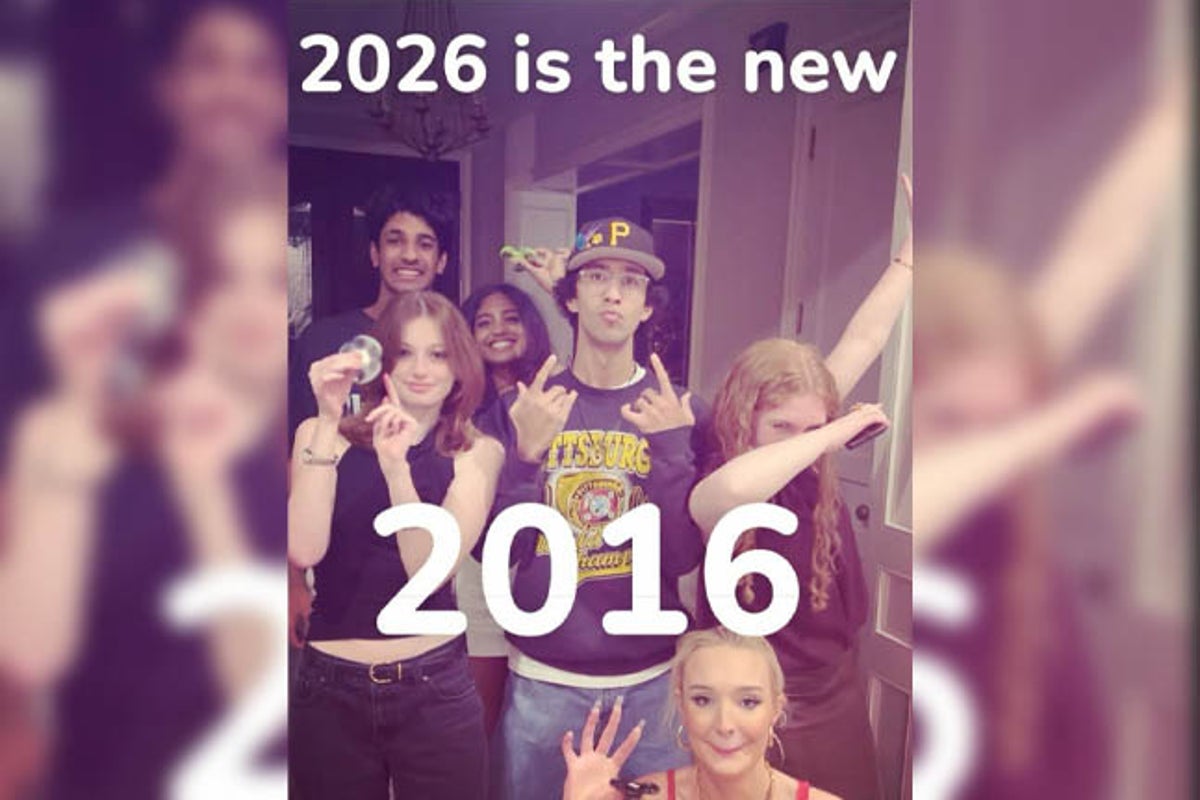
Looking back from 2026, 2016 remains a singular cultural pivot point defined by the viral explosion of Pokémon GO, the rise of ephemeral social media, and a transformative shift in the music industry. It was a year where digital connectivity reached a fever pitch, creating a shared global experience through memes and revolutionary technology.
The Summer of Pokémon GO: A Shared Global Experience
In the mid-2010s, few events unified the global population quite like the release of Pokémon GO in July 2016. Developed by Niantic in collaboration with Nintendo and The Pokémon Company, this augmented reality (AR) mobile game did what many thought impossible: it moved millions of people out of their homes and into public spaces. From Central Park in New York to small-town squares, the sight of hundreds of people tracking a virtual Charizard became the defining image of that summer.
The technical success of Pokémon GO was not just in its use of AR, but in its utilization of GPS and Google Maps data to turn the real world into a game board. This was a "lightning in a bottle" moment that demonstrated the potential for location-based services to drive physical foot traffic. For many, 2016 memories are inextricably linked to long walks, meeting strangers at "Lure modules," and the sense of community that existed before the social fragmentation of later years. Looking back a decade later, the game represents the last major "monoculture" event where a single digital product commanded nearly universal attention across age groups and geographies.
Music’s Golden Year: From Lemonade to Blonde
If 2016 was the year of the "event album," it was led by artists who treated their releases as multi-media experiences rather than simple collections of songs. Beyoncé’s Lemonade was a cultural earthquake, accompanied by an HBO film that explored themes of heritage, infidelity, and empowerment. It set a new standard for visual storytelling in music. Meanwhile, Frank Ocean’s long-awaited Blonde and the companion visual project Endless redefined the R&B genre, favoring minimalist production and introspective lyrics that still resonate in 2026.
The year also saw the release of Rihanna’s Anti, Kanye West’s The Life of Pablo, and Drake’s Views, the latter of which dominated the charts with hits like "One Dance." However, 2016 was also a year of profound loss for the music world. The passing of David Bowie in January, followed by Prince in April, felt like the end of an era for the 20th-century avant-garde. These losses prompted a global wave of "throwback" tributes, as fans turned to digital platforms to share memories and celebrate the legacies of these icons. The streaming era was firmly established by 2016, changing how we consumed these albums and making the concept of a "release day" a global digital festival.
Digital Shifts: The Evolution of Social Media and the End of Vine
In 2016, the social media landscape underwent several seismic shifts that shaped the way we interact online today. Most notably, Instagram launched "Stories" in August 2016, a move that many initially criticized as a direct copy of Snapchat. However, this feature fundamentally changed how users shared "throwback photos" and daily updates, moving the platform away from curated, permanent grids toward more casual, disappearing content.
While Instagram was expanding, 2016 also marked the beginning of the end for Vine. Twitter (now X) announced in October that it would be discontinuing the six-second video app. This sparked a massive wave of nostalgia as users scrambled to archive their favorite loops. Vine’s influence on 2016 culture cannot be overstated; it was the incubator for a new generation of creators and a specific brand of fast-paced, surreal humor that laid the groundwork for the short-form video dominance we see now. The "throwback" videos from Vine today serve as a digital time capsule of the frantic, creative energy that defined the mid-2010s internet.
Viral Phenomena: Memes and Challenges That Defined a Generation
The meme culture of 2016 was particularly potent, often blending humor with significant real-world events. The "Mannequin Challenge" became a global sensation in late 2016, involving groups of people freezing in place while Rae Sremmurd’s "Black Beatles" played in the background. Everyone from high school students to political figures participated, showcasing the power of viral participation.
Other memes took on a more symbolic life of their own. "Harambe," the gorilla at the Cincinnati Zoo, became an unlikely and persistent cultural icon after a tragic incident in May 2016. The internet’s reaction to Harambe was a complex mix of genuine mourning, absurd irony, and social commentary. Additionally, the "Arthur’s Fist" meme and "Evil Kermit" provided a visual language for the collective anxiety and internal conflicts of the year. These memes were more than just jokes; they were the primary way people processed a year that felt increasingly chaotic, especially with the backdrop of the 2016 U.S. Election and Brexit, which fundamentally altered the tone of digital discourse.
2016 Cultural Milestones and Technical Transitions
To understand why 2016 is a major focus for nostalgia, it helps to look at the specific hardware and software shifts that occurred. This was the year we transitioned into the modern smartphone era while saying goodbye to legacy technologies.
| Category | 2016 Milestone | Impact on Nostalgia & Usage |
|---|---|---|
| Hardware | iPhone 7 Launch | The removal of the 3.5mm headphone jack forced a shift to Bluetooth and "dongles." |
| Mobile Gaming | Pokémon GO Release | Introduced mass-market AR; remains the peak of shared mobile experiences. |
| Social Media | Instagram Stories | Shifted the focus from "perfect" photos to ephemeral, real-time sharing. |
| Digital Video | The Decline of Vine | End of the 6-second era; many creators migrated to YouTube or later TikTok. |
| Cinema | Stranger Things S1 | Launched a massive 80s nostalgia wave that influenced fashion and music for years. |
| Global Events | Rio 2016 Olympics | A rare moment of global athletic unity during a politically divisive year. |
The removal of the headphone jack on the iPhone 7, announced in September 2016, was perhaps the most controversial tech move of the decade. It signaled the end of "analog" connectivity in our pockets, a change that many still view with a sense of "throwback" frustration.
Tips for Curating Your 2016 Throwback Photo Collection
As we reach the 10-year anniversary of 2016, many users are finding their cloud storage accounts—like Google Photos or iCloud—prompting them with "On this day" notifications. Curating these memories requires a bit of digital housekeeping to ensure they remain accessible for the next decade.
- Check Original Resolutions: Many photos shared on apps like Snapchat or the original Instagram in 2016 were compressed. If you have the original files on an old hard drive or a decommissioned iPhone 6s, it is worth backing up the full-resolution versions now.
- Organize by "Core Memories": 2016 was high on specific aesthetics—think "filter-heavy" photography and early-stage portrait mode. Create albums specifically for the "Summer of Pokémon GO" or "2016 Concerts" to categorize the distinct vibes of the year.
- Recover Vine Archives: While the Vine app is long gone, many "best of" compilations and individual archives still exist. If you were a creator, check the Internet Archive’s Wayback Machine or specialized Vine archive sites to see if your content was preserved.
- Convert Live Photos: 2016 was the first full year many people used "Live Photos." Ensure your storage provider still supports the video component of these files so you don't lose the movement and sound that make those 2016 memories feel alive.
Why 2016 Nostalgia Hits Differently in 2026
A decade later, 2016 is often viewed as the "last year of the old world." It was the final year before the world felt truly fractured by the long-term effects of social media algorithms and the subsequent global health crises of the early 2020s. There was an optimism in the tech of 2016—the idea that an app could bring people together in a park, or that a visual album could change the conversation about social justice.
The "nostalgic moments" we celebrate from 2016 are often about that sense of discovery. We were discovering what smartphones were truly capable of, how viral challenges could span the globe in hours, and how streaming could make us all listen to the same song at the exact same moment. For those who were coming of age in 2016, these throwback photos represent a time of digital innocence that feels increasingly rare in 2026.
How can I find my old Pokémon GO photos from 2016?
Most Pokémon GO photos taken with the in-game camera were saved directly to your phone's native "Camera Roll" or "DCIM" folder. If you had cloud backup enabled on your device in 2016, search your Google Photos or iCloud library for the keyword "Pokemon" or filter your photos by the date range of July to September 2016.
Why was 2016 considered such a big year for memes?
2016 had a perfect storm of high-speed mobile internet, the peak of Vine, and significant global events that acted as catalysts for humor. The ease of creating and sharing "image macros" and short videos allowed for a rapid-fire evolution of jokes, creating a culture where a single image (like Arthur’s fist) could represent a universal emotion for millions of people simultaneously.
Are 2016 digital photos still high enough quality for printing?
By 2016, most flagship smartphones, like the iPhone 7 or Galaxy S7, were using 12-megapixel sensors capable of producing high-quality 8x10 prints. However, photos downloaded from social media platforms (Facebook, Instagram, Snapchat) are often compressed to lower resolutions. For the best printing results, always use the original file from your device's internal storage or a full-resolution cloud backup.
What happened to the "Mannequin Challenge" videos?
The Mannequin Challenge videos were primarily hosted on Twitter and Instagram. While many remain on the original posters' profiles, thousands were lost if the accounts were deleted or if the music (Rae Sremmurd’s "Black Beatles") was flagged for copyright in certain regions. To find specific celebrity versions, YouTube remains the most reliable archive for these viral moments.
Preserving Your Digital 2016 Archive
The best way to honor your 2016 memories is to ensure they are not lost to "bit rot" or service shutdowns. Take an hour to log into your old social media accounts and download your data archives. Most platforms provide a "Download Your Information" tool that packages your photos, videos, and comments into a single file. Moving these to a physical external drive or a redundant cloud service ensures that when 2036 rolls around, your 2016 throwback photos will still be there to tell the story of a year that changed everything.