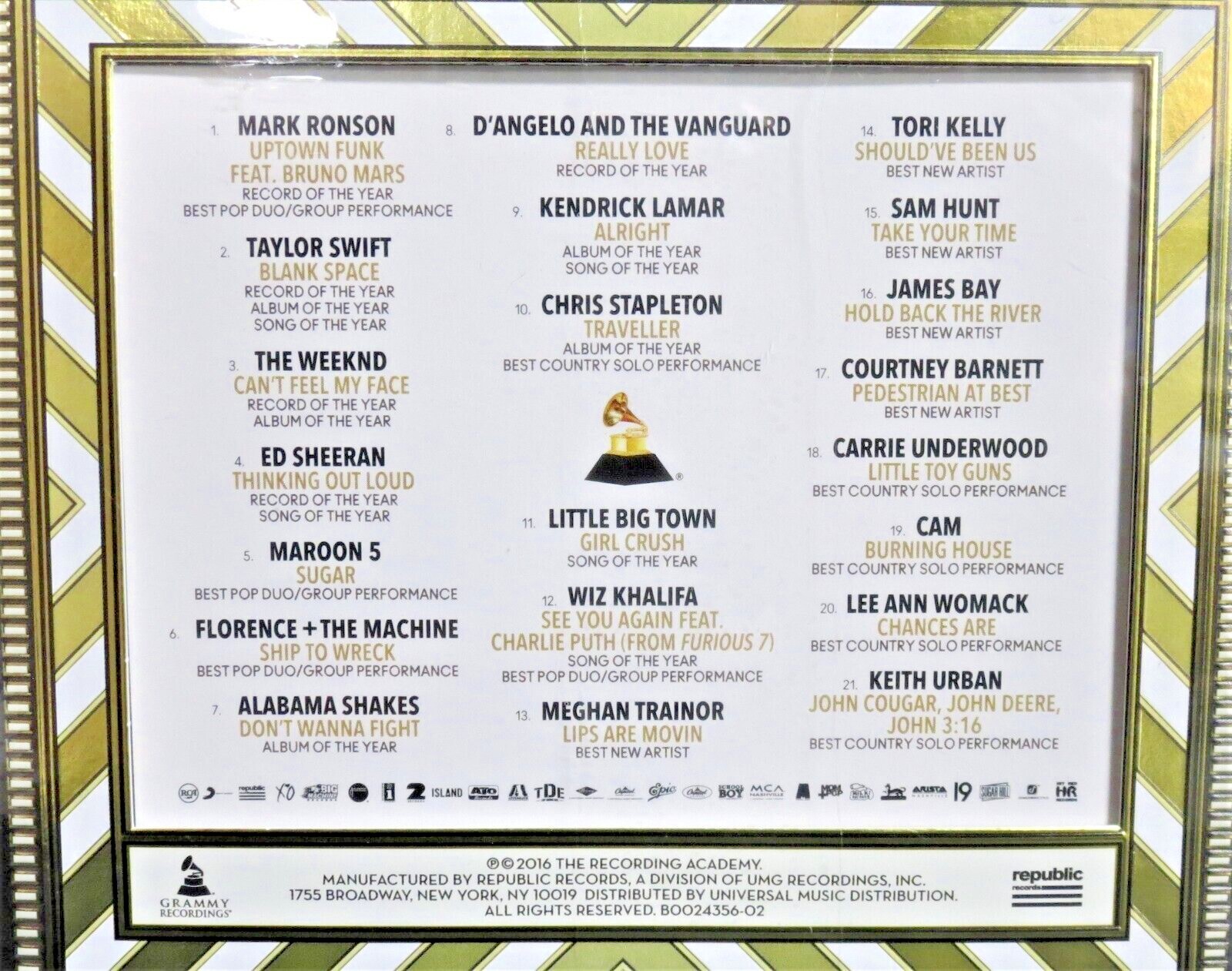
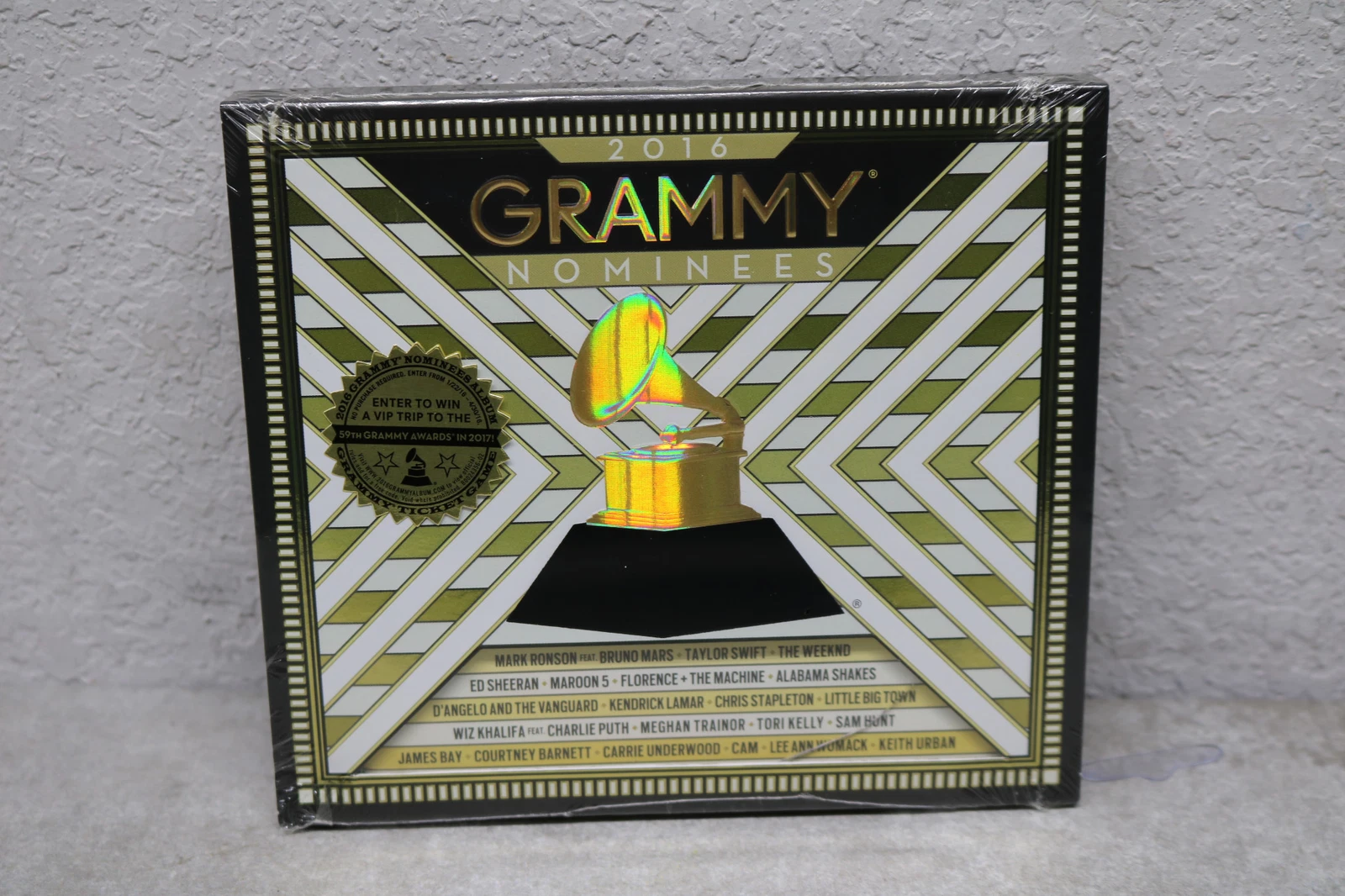
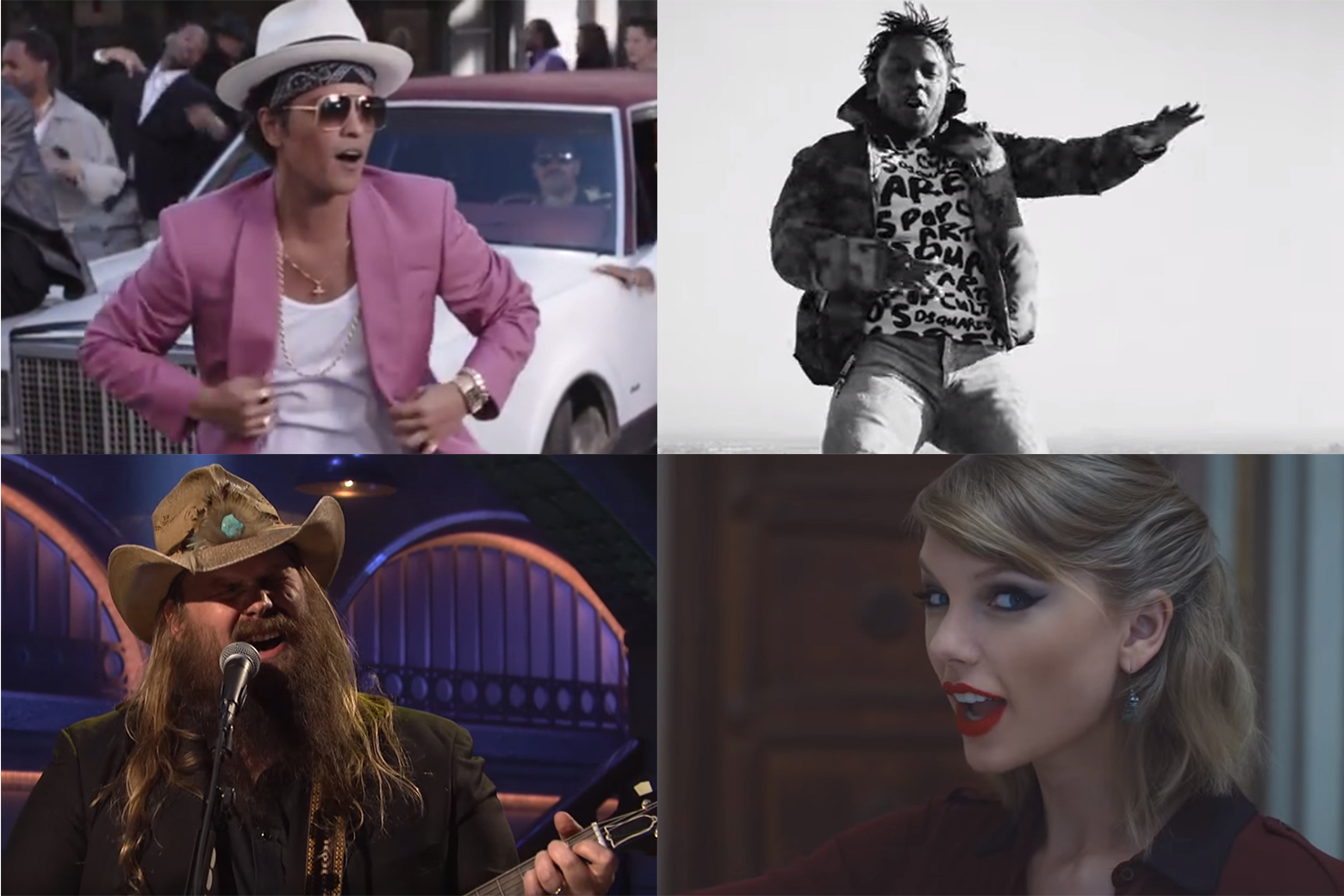
The 2016 Grammy nominees represented the elite tier of musical achievement for the eligibility period of October 1, 2014, to September 30, 2015. Kendrick Lamar led the 58th Annual Grammy Awards with 11 nominations, followed by Taylor Swift and The Weeknd with seven each. Major winners included Taylor Swift for Album of the Year and Mark Ronson featuring Bruno Mars for Record of the Year.
Overview of the 58th Annual Grammy Awards
The 58th Annual Grammy Awards, held on February 15, 2016, at the Staples Center in Los Angeles, served as a definitive snapshot of a transitional era in the music industry. As of 2026, we view this specific year as a pivot point where streaming began to fundamentally alter how music was consumed and awarded, though the Recording Academy still heavily weighted traditional commercial and critical success.
The ceremony was hosted by LL Cool J for the fifth consecutive year. The nominations, announced in December 2015, were notable for the heavy presence of hip-hop, R&B, and synth-heavy pop. This year was particularly significant for Kendrick Lamar, whose album To Pimp a Butterfly garnered critical acclaim that transcended the rap genre, earning him the second-most nominations in a single night in Grammy history, trailing only Michael Jackson’s 12 nominations in 1984.
The eligibility rules for the 2016 cycle required recordings to be released within the specified thirteen-month window and commercially available in the United States. This period saw the rise of "surprise" digital releases and the continued dominance of social media in driving track popularity, influencing several of the "Big Four" categories: Record of the Year, Album of the Year, Song of the Year, and Best New Artist.
The General Field: Analyzing the "Big Four" Categories
The General Field categories are the most prestigious honors at the Grammy Awards, as they are not restricted by genre. In 2016, these categories were characterized by a intense competition between established pop icons and critically lauded innovators.
Record of the Year
This category recognizes the artist’s performance as well as the contributions of producers and engineers. The 2016 nominees included:
- "Uptown Funk" – Mark Ronson featuring Bruno Mars (Winner)
- "Really Love" – D'Angelo and The Vanguard
- "Thinking Out Loud" – Ed Sheeran
- "Blank Space" – Taylor Swift
- "Can't Feel My Face" – The Weeknd
The win for "Uptown Funk" was largely expected due to its massive global chart dominance and technical precision. The track revived interest in 1980s-style funk and boogie, proving that high-energy, collaborative productions could still achieve massive commercial and critical consensus.
Album of the Year
Perhaps the most debated category of the night, the nominees for Album of the Year showcased a wide spectrum of musical directions:
- 1989 – Taylor Swift (Winner)
- Sound & Color – Alabama Shakes
- To Pimp a Butterfly – Kendrick Lamar
- Traveller – Chris Stapleton
- Beauty Behind the Madness – The Weeknd
Taylor Swift’s win for 1989 made her the first woman to win Album of the Year twice as a lead artist. However, Kendrick Lamar’s To Pimp a Butterfly was widely considered the critical favorite, leading to significant discussions regarding the Academy's historical recognition of hip-hop in the top categories.
Song of the Year
Unlike Record of the Year, this award is specifically for the songwriters. The 2016 nominees were:
- "Thinking Out Loud" – Ed Sheeran, Amy Wadge (Winner)
- "Alright" – Kendrick Lamar, Mark Anthony Spears, Pharrell Williams
- "Blank Space" – Taylor Swift, Max Martin, Shellback
- "Girl Crush" – Hillary Lindsey, Lori McKenna, Liz Rose
- "See You Again" – Andrew Cedar, Justin Franks, Charlie Puth, Cameron Thomaz
Ed Sheeran’s "Thinking Out Loud" became a modern wedding standard, and its win highlighted the Academy's preference for traditional melodic craftsmanship and "timeless" songwriting structures.
Best New Artist
The Best New Artist category is often a predictor of long-term industry staying power. The 2016 lineup featured:
- Meghan Trainor (Winner)
- Courtney Barnett
- James Bay
- Sam Hunt
- Tori Kelly
Meghan Trainor’s victory followed a year of viral success with hits like "All About That Bass." The diversity of this list, ranging from the indie-rock of Courtney Barnett to the country-pop of Sam Hunt, reflected the fragmenting landscape of music discovery in the mid-2010s.
Genre-Specific Highlights and Noteworthy Sweeps
While the General Field captures the headlines, the genre-specific categories in 2016 revealed deeper trends within the industry. Kendrick Lamar’s performance in the Rap categories was particularly dominant. He won Best Rap Album, Best Rap Performance, Best Rap Song, and Best Rap/Sung Collaboration. His win for "Alright" in the Best Rap Song category was culturally significant, as the track became an anthem for social justice movements during that era.
In the Rock categories, Alabama Shakes emerged as a major force. Their album Sound & Color and the hit single "Don't Wanna Fight" secured wins for Best Rock Performance and Best Rock Song. This marked a shift toward a more soulful, genre-blending interpretation of rock music that moved away from traditional post-grunge or indie-pop sounds.
The Country categories saw the rise of Chris Stapleton. Before 2016, Stapleton was primarily known as a Nashville songwriter. His debut solo album, Traveller, won Best Country Album, while its title track won Best Country Solo Performance. This represented a "return to roots" movement in country music, favoring stripped-back production and traditional vocal delivery over the "bro-country" trend that had dominated the early 2010s.
Comparison of Major Category Nominees and Winners
The following table summarizes the results of the highest-profile categories from the 58th Grammy Awards to provide a clear view of the 2016 landscape.
| Category | Winner | Notable Nominees |
|---|---|---|
| Album of the Year | 1989 (Taylor Swift) | To Pimp a Butterfly, Beauty Behind the Madness |
| Record of the Year | "Uptown Funk" (Mark Ronson ft. Bruno Mars) | "Blank Space", "Can't Feel My Face" |
| Song of the Year | "Thinking Out Loud" (Ed Sheeran) | "Alright", "Girl Crush", "See You Again" |
| Best New Artist | Meghan Trainor | Courtney Barnett, Sam Hunt, Tori Kelly |
| Best Rap Album | To Pimp a Butterfly (Kendrick Lamar) | 2014 Forest Hills Drive, The Pinkprint |
| Best Rock Album | Drones (Muse) | Chaos and the Calm, Kintsugi, Mister Asylum |
| Best Country Album | Traveller (Chris Stapleton) | Montevallo, The Blade, Pageant Material |
| Best Pop Vocal Album | 1989 (Taylor Swift) | How Big, Blue, Beautiful, Uptown Special |
The Impact of Kendrick Lamar’s 11 Nominations
Kendrick Lamar’s 11 nominations at the 2016 Grammys were more than just a numerical achievement; they represented a critical tipping point for hip-hop’s relationship with the Recording Academy. To Pimp a Butterfly was an intricate, jazz-infused exploration of African American culture, politics, and personal struggle.
Despite winning five awards that evening (mostly in the Rap categories), Lamar’s loss in the Album of the Year category to Taylor Swift was met with considerable controversy. This moment is often cited in musicology as a primary driver for the subsequent changes in the Recording Academy’s voting membership, aimed at increasing diversity and better reflecting the current state of music. From the vantage point of 2026, we can see how this specific year’s nominations accelerated the Academy's internal reforms regarding how "prestige" is defined across different genres.
Technical Milestones in Production and Engineering
The 2016 nominees also showcased significant technical advancements. The "Uptown Funk" production, led by Mark Ronson and Jeff Bhasker, was lauded for its meticulous recreation of analog warmth using modern digital tools. In the Best Engineered Album, Non-Classical category, the win for Sound & Color (Alabama Shakes) highlighted a growing appreciation for dynamic range and "live-in-room" aesthetics in an era where many recordings were becoming increasingly compressed for streaming.
Furthermore, the Best Surround Sound Album category (now frequently associated with Spatial Audio and Dolby Atmos in 2026) featured Amused to Death by Roger Waters, which won the award. This served as a reminder of the industry’s long-standing pursuit of immersive audio, even before the technology became a standard consumer expectation.
How were the 2016 Grammy nominees selected?
The selection process involved members of the National Academy of Recording Arts and Sciences (NARAS). Members submitted entries, which were then screened for eligibility and category placement. For the 2016 awards, voting members cast ballots in the general field and up to 15 categories in specialized fields to determine the final five nominees for each category.
Why did Kendrick Lamar have so many nominations?
Kendrick Lamar received 11 nominations because of his widespread collaboration and the multifaceted nature of his album To Pimp a Butterfly. He was nominated as a lead artist, a featured artist (notably on Taylor Swift’s "Bad Blood"), and as a songwriter. This demonstrated his immense influence across both the hip-hop community and the broader pop industry during the 2015-2016 period.
What was the eligibility period for the 2016 Grammys?
The eligibility period for the 58th Annual Grammy Awards ran from October 1, 2014, to September 30, 2015. This meant that high-profile albums released in late 2015, such as Adele’s 25, were not eligible for the 2016 ceremony and instead competed in the 2017 Grammy Awards.
Who hosted the 2016 Grammy Awards?
LL Cool J served as the host for the 2016 ceremony. This was his fifth consecutive year hosting the event, a tenure praised for providing stability and a knowledgeable "master of ceremonies" presence that bridged the gap between old-school hip-hop and modern pop.
Which artist won the most awards at the 2016 Grammys?
Kendrick Lamar won the most awards of the night, taking home five trophies. These included Best Rap Album, Best Rap Performance, Best Rap Song, Best Rap/Sung Collaboration, and Best Music Video (as a featured artist in Taylor Swift’s "Bad Blood").
Researching Historical Grammy Data
To verify specific nominee lists or deep-dive into the technical credits of the 2016 winners, the most reliable source remains the official Grammy Awards Recording Academy database. For those analyzing the cultural impact of these nominations, historical archives from Billboard and Rolling Stone provide contemporary reviews and industry analysis from the 2016 timeframe. Researchers should also look at the "Technical Credits" section of the Grammy website to understand the producers and engineers who were honored alongside the performing artists.