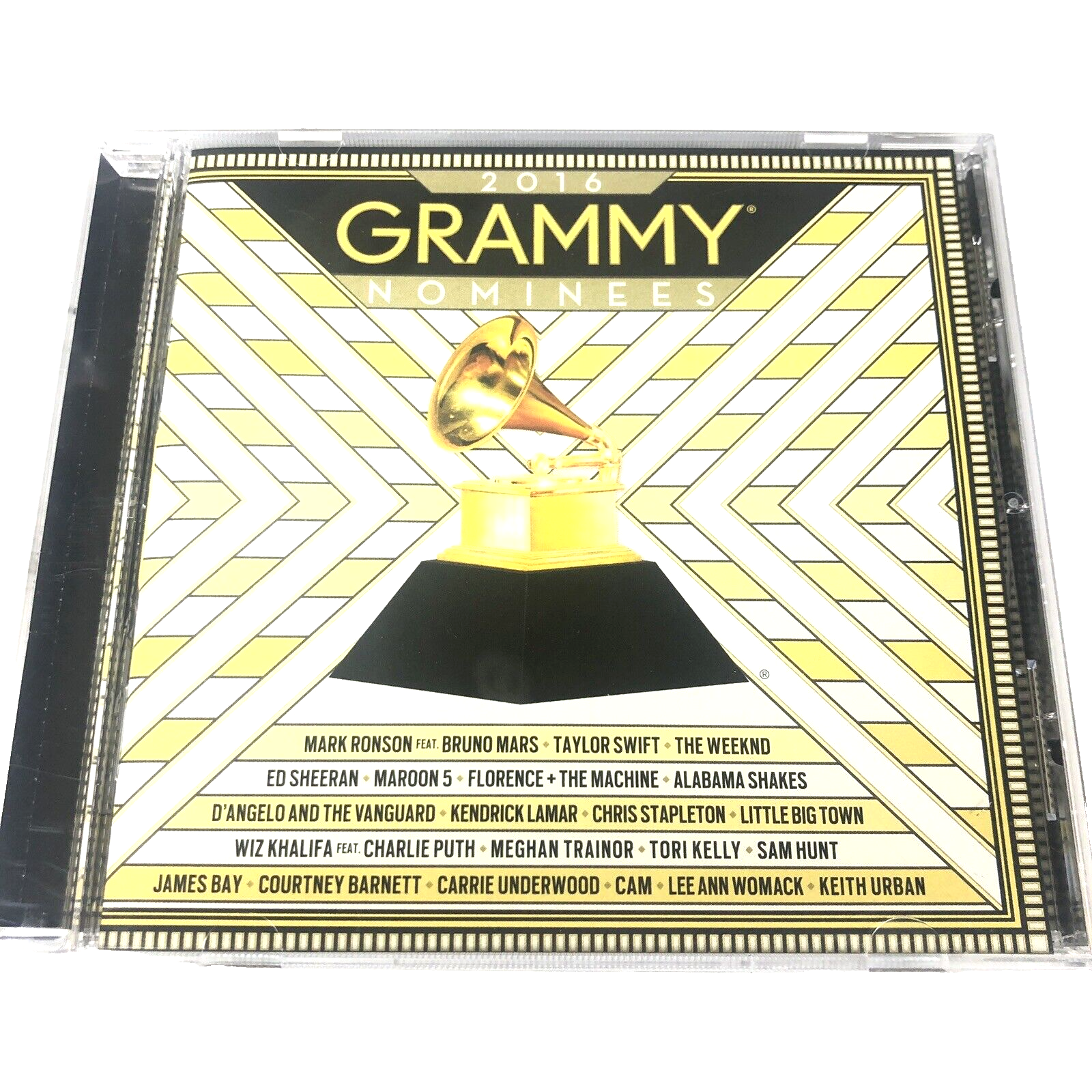
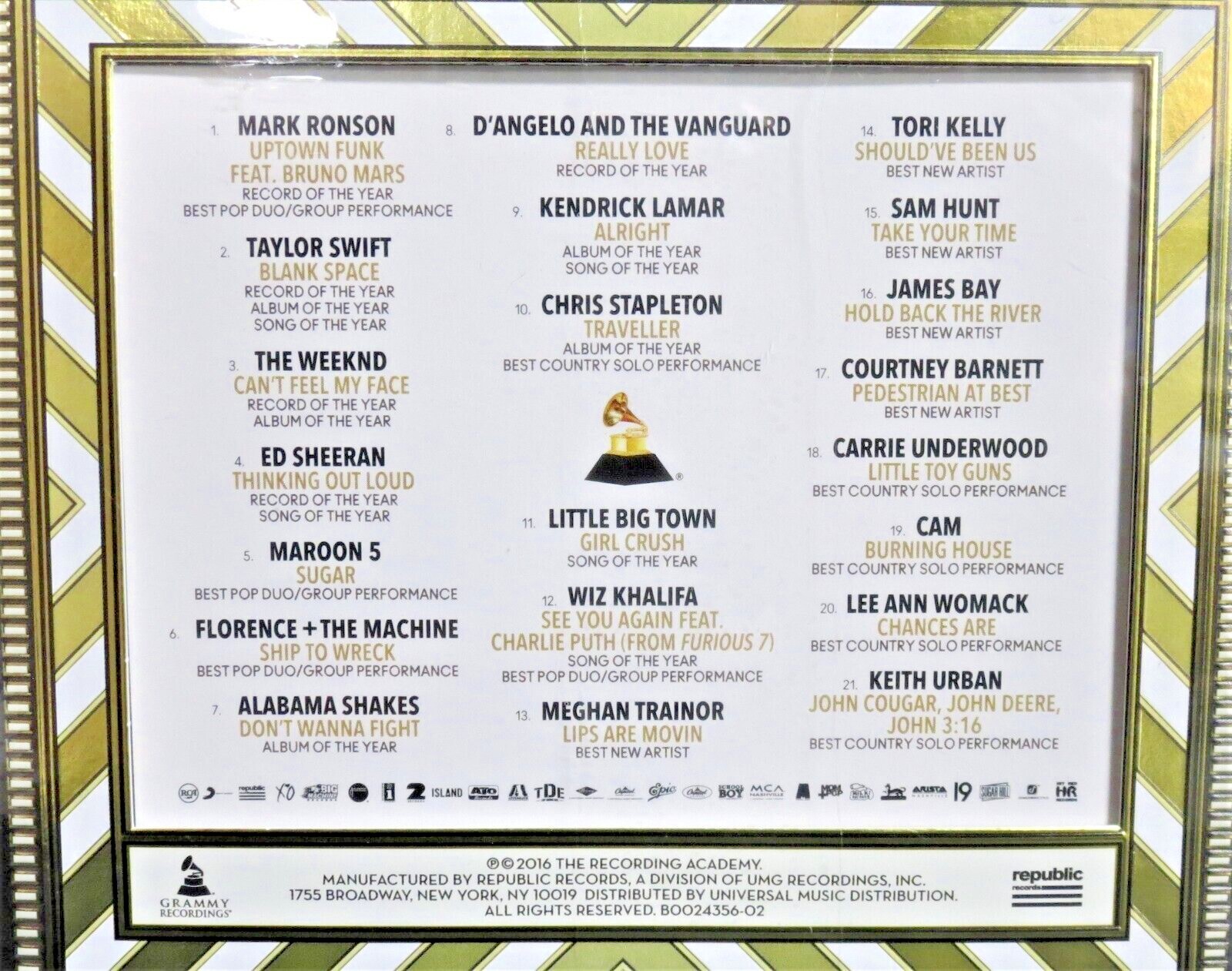
The 58th Annual Grammy Awards, held on February 15, 2016, at the Staples Center in Los Angeles, celebrated the best in music released between October 1, 2014, and September 30, 2015. Kendrick Lamar led the field with 11 nominations, while Taylor Swift and The Weeknd followed with seven each. Taylor Swift ultimately secured Album of the Year for 1989.
The 2016 ceremony remains a pivotal moment in music history, representing a collision between traditional pop stardom and the burgeoning critical dominance of socially conscious hip-hop. As we look back from 2026, the 58th Grammys are often cited as the definitive peak of the mid-2010s music industry, a period defined by the transition from digital downloads to the total dominance of streaming services.
The Historical Context of the 58th Grammy Awards
The 2016 ceremony was hosted by LL Cool J for the fifth consecutive year. The eligibility window—late 2014 through late 2015—captured a unique "changing of the guard." Legacy acts were still present, but the nominations were dominated by artists who had mastered the viral nature of the early streaming era.
Technically, the Recording Academy faced significant pressure in 2016 to address diversity and the "relevance" of its voting body. Kendrick Lamar’s To Pimp a Butterfly was the undisputed critical heavyweight of the year, blending jazz, funk, and spoken word with intense political commentary. Its competition against Taylor Swift’s 1989, a polished, blockbuster pop record, created a narrative of "Art vs. Commerce" that fueled music journalism for months leading up to the event.
Furthermore, 2016 was a year of mourning for the music industry. The ceremony took place shortly after the deaths of David Bowie, Glenn Frey, and Lemmy Kilmister, leading to a broadcast heavy with tributes and a reflective, somber tone beneath the usual glitz.
The "Big Four" Categories: Analysis and Results
The General Field, often called the "Big Four," represents the most prestigious honors of the night. In 2016, these categories were exceptionally competitive, featuring some of the decade’s most enduring hits.
Album of the Year
The winner was Taylor Swift for 1989. This made Swift the first woman to win Album of the Year twice as a lead artist. While 1989 was a commercial juggernaut that produced seven hit singles, the win was controversial among critics who believed Lamar’s To Pimp a Butterfly was more culturally significant. Other nominees included Alabama Shakes (Sound & Color), Chris Stapleton (Traveller), and The Weeknd (Beauty Behind the Madness).
Record of the Year
The award went to "Uptown Funk" by Mark Ronson featuring Bruno Mars. This track was an inescapable cultural phenomenon, spending 14 consecutive weeks at number one on the Billboard Hot 100. It beat out "Really Love" (D'Angelo and the Vanguard), "Thinking Out Loud" (Ed Sheeran), "Can't Feel My Face" (The Weeknd), and "Blank Space" (Taylor Swift).
Song of the Year
Unlike Record of the Year, which honors the performance and production, Song of the Year is a songwriter’s award. It was awarded to "Thinking Out Loud," written by Ed Sheeran and Amy Wadge. The track became a staple at weddings worldwide, cementing Sheeran’s status as a top-tier ballad writer.
Best New Artist
Meghan Trainor took home the trophy following the massive success of "All About That Bass." The category was diverse, featuring Australian indie-rocker Courtney Barnett, country singer Sam Hunt, singer-songwriter James Bay, and pop vocalist Tori Kelly.
2016 Grammy Nominees and Winners Summary Table
The following table outlines the primary nominees and victors across the major categories of the 58th Annual Grammy Awards.
| Category | Winner | Notable Nominees |
|---|---|---|
| Album of the Year | 1989 — Taylor Swift | To Pimp a Butterfly (Kendrick Lamar); Traveller (Chris Stapleton) |
| Record of the Year | "Uptown Funk" — Mark Ronson ft. Bruno Mars | "Can't Feel My Face" (The Weeknd); "Blank Space" (Taylor Swift) |
| Song of the Year | "Thinking Out Loud" — Ed Sheeran | "Alright" (Kendrick Lamar); "Girl Crush" (Little Big Town) |
| Best New Artist | Meghan Trainor | Courtney Barnett; Sam Hunt; Tori Kelly; James Bay |
| Best Rap Album | To Pimp a Butterfly — Kendrick Lamar | 2014 Forest Hills Drive (J. Cole); The Pinkprint (Nicki Minaj) |
| Best Rock Album | Drones — Muse | Chaos and the Calm (James Bay); Kintsugi (Death Cab for Cutie) |
| Best Country Album | Traveller — Chris Stapleton | Montevallo (Sam Hunt); The Blade (Ashley Monroe) |
| Best Alternative Music Album | Sound & Color — Alabama Shakes | Vulnicura (Björk); Currents (Tame Impala) |
Kendrick Lamar’s Dominance and the Hip-Hop Field
Kendrick Lamar entered the night with 11 nominations, the most for any rapper in a single night and just one shy of Michael Jackson's all-time record. While he did not win the overall Album of the Year, he swept the Rap categories.
His performance of "The Blacker the Berry" and "Alright" is frequently cited by historians in 2026 as one of the greatest Grammy performances of all time. Lamar appeared on stage in chains, set against a backdrop of a prison, delivering a visceral commentary on mass incarceration and racial injustice in America.
Lamar won:
- Best Rap Album (To Pimp a Butterfly)
- Best Rap Performance ("Alright")
- Best Rap Song ("Alright")
- Best Rap/Sung Collaboration ("These Walls")
The success of To Pimp a Butterfly signaled a shift in the Recording Academy's willingness to recognize experimental, "un-radio-friendly" hip-hop, even if the top prize remained elusive.
Genre Highlights: Pop, Rock, and Country
The 2016 Grammys were also a major night for the Alabama Shakes and Chris Stapleton, both of whom represented a return to "organic" sounds in an increasingly electronic landscape.
Alabama Shakes won three awards, including Best Alternative Music Album for Sound & Color. Brittany Howard’s powerhouse vocals were a highlight of the ceremony, and the band’s blend of soul and garage rock resonated across multiple voter demographics.
In the Country field, Chris Stapleton’s Traveller dominated. Stapleton had long been a respected songwriter in Nashville, but 2015-2016 was his "breakout" as a solo artist. His win for Best Country Album was seen as a victory for "outlaw" and traditional country over the "bro-country" trend that had dominated the airwaves for several years prior.
In the Pop field, Taylor Swift and The Weeknd split the spoils. The Weeknd’s Beauty Behind the Madness won Best Urban Contemporary Album, and his hit "Earned It (Fifty Shades of Grey)" won Best R&B Performance, marking his ascent into the highest tier of global superstardom.
Technical and Production Categories
The Grammys also recognize the "engineers under the hood"—the producers and mixers who define the sonic texture of the year.
- Producer of the Year, Non-Classical: Jeff Bhasker won this award, largely due to his work on "Uptown Funk" and Mark Ronson's Uptown Special. Bhasker’s ability to blend vintage analog sounds with modern digital crispness was the hallmark of 2015-2016 radio.
- Best Remixed Recording, Non-Classical: Dave Audé's remix of Mark Ronson’s "Uptown Funk" took the prize, highlighting the continued importance of club culture in the Grammy ecosystem.
- Best Music Video: Taylor Swift and Kendrick Lamar shared this win for "Bad Blood," a cinematic, high-budget production that featured a litany of celebrity cameos and epitomized the "squad" era of pop culture.
Memorable Moments and Production Issues
The 2016 telecast was not without its flaws. Adele, performing "All I Ask," suffered from severe audio issues when a microphone inside the piano fell onto the strings, causing a jarring, out-of-tune metallic sound. Despite the technical glitch, Adele finished the performance, though she later admitted it left her "crying all day" the following morning.
Lady Gaga delivered a high-tech tribute to David Bowie, utilizing Intel "liquid face" technology to project Bowie's various personas onto her own face. The performance was divisive; some praised its ambition, while Bowie's son, Duncan Jones, posted a cryptic tweet suggesting the tribute felt "overwrought."
Additionally, Taylor Swift’s acceptance speech for Album of the Year was a notable moment of friction. She used the platform to address young women, saying, "There are going to be people along the way who will try to undercut your success or take credit for your accomplishments or your fame." This was widely interpreted as a direct response to Kanye West’s song "Famous," which had been released days earlier.
Frequently Asked Questions
Who had the most nominations at the 2016 Grammys?
Kendrick Lamar led the 2016 Grammy nominations with 11 nods. This was the second-highest number of nominations in a single night in Grammy history, trailing only Michael Jackson, who received 12 in 1984. Taylor Swift and The Weeknd followed with seven nominations each.
Why did Taylor Swift win Album of the Year over Kendrick Lamar?
While Kendrick Lamar’s To Pimp a Butterfly had higher critical acclaim, Taylor Swift’s 1989 was a massive commercial success with significant "crossover" appeal. Recording Academy voters often lean toward albums with high cultural visibility and massive radio presence. 1989 produced multiple Top 10 hits and redefined Swift as a pop artist.
What happened during Adele's 2016 Grammy performance?
During her performance of "All I Ask," a microphone located inside the piano fell onto the instrument's strings. This created a tinny, discordant sound that many viewers initially thought was a technical error with their televisions. Adele continued the performance despite the distraction, but the incident became a major talking point of the night.
Did David Bowie win any Grammys in 2016?
David Bowie did not win any awards at the February 2016 ceremony because his final album, Blackstar, was released in January 2016—outside the eligibility window for that year. However, he was honored with a major tribute performance by Lady Gaga. Bowie would go on to win multiple posthumous Grammys for Blackstar at the 2017 ceremony.
Who won Best New Artist in 2016?
Meghan Trainor won the Best New Artist award. She was nominated alongside Courtney Barnett, James Bay, Sam Hunt, and Tori Kelly. Her win followed the global success of her debut album Title and the hit single "All About That Bass."
How to Explore the 2016 Nominees Today
To truly understand the impact of the 2016 nominees, one should listen to the "Big Four" winners in sequence. Starting with Mark Ronson’s "Uptown Funk" provides the era's energy, followed by Taylor Swift’s 1989 for pop perfection, and Ed Sheeran’s "Thinking Out Loud" for the singer-songwriter perspective.
For those interested in the deeper technical aspects, many of these albums are available in high-fidelity spatial audio formats as of 2026. Reviewing the official Grammy archives provides a full breakdown of the hundreds of categories, from Best Polka Album to Best Orchestral Performance, offering a complete picture of the 2015-2016 musical landscape.