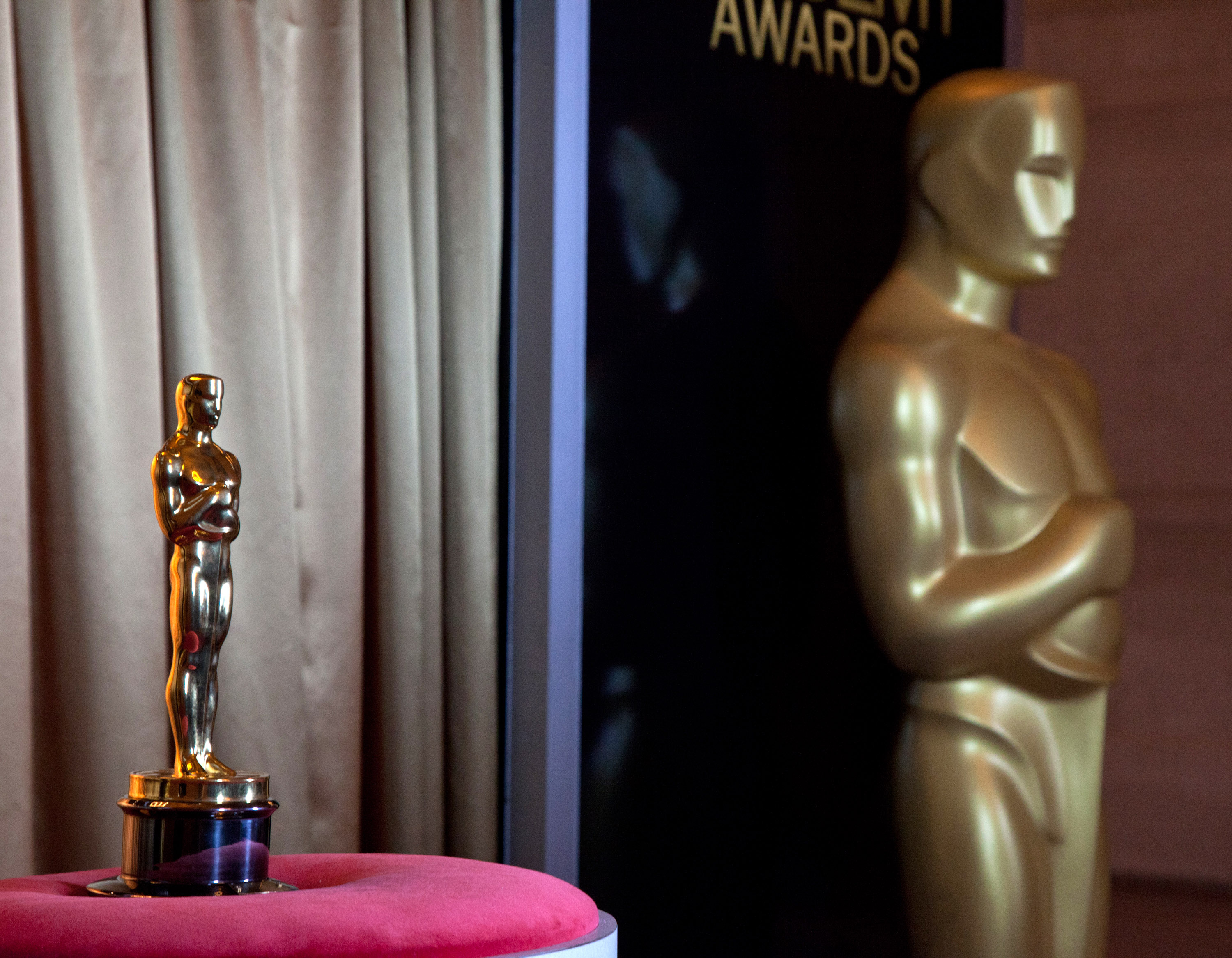
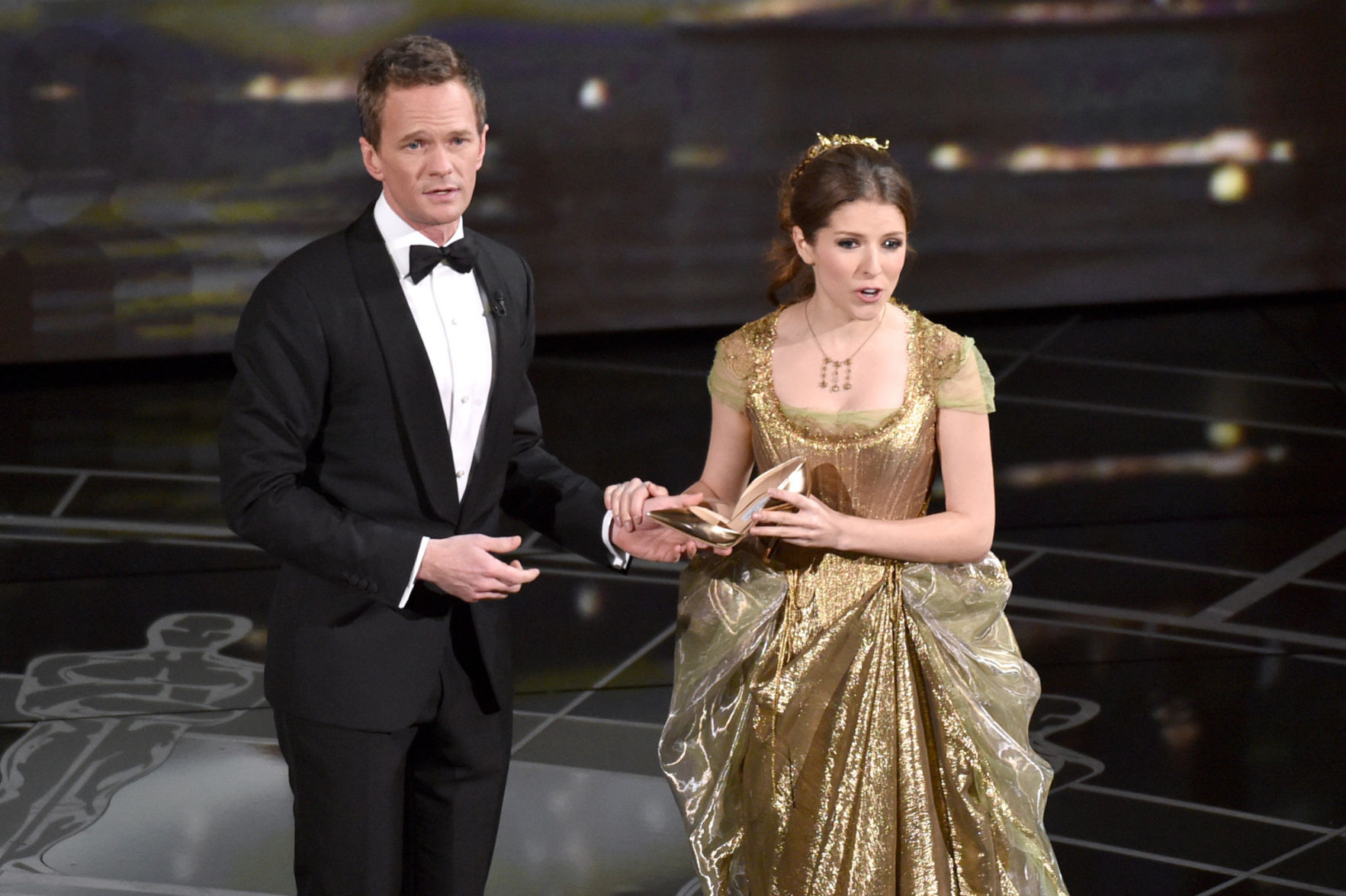
The 2015 Oscars, officially known as the 87th Academy Awards, took place on February 22, 2015, honoring the best films of 2014. Dominated by the technical triumph of Birdman and the coming-of-age epic Boyhood, the ceremony is remembered for its "Oscars So White" controversy and historic wins for veteran actors like Julianne Moore and J.K. Simmons.
The Cinematic Duel: Birdman vs. Boyhood
The narrative leading up to the 2015 Oscars was defined by a head-to-head battle between two stylistically opposite masterpieces: Alejandro G. Iñárritu’s Birdman or (The Unexpected Virtue of Ignorance) and Richard Linklater’s Boyhood. While both films were critically adored, they represented different philosophies of filmmaking. Birdman was a technical marvel, designed to appear as one continuous, seamless shot, capturing the frantic psychological state of a fading superhero actor. Conversely, Boyhood was a feat of endurance and patience, filmed over 12 years with the same cast to authentically capture the passage of time.
Ultimately, Birdman emerged as the night's big winner, securing Best Picture, Best Director, Best Original Screenplay, and Best Cinematography. Iñárritu’s win for Best Director was particularly significant, marking the second consecutive year a Mexican filmmaker won the award, following Alfonso Cuarón for Gravity in 2014. The Academy’s preference for Birdman suggested a tilt toward high-concept, technically aggressive storytelling over the quiet, naturalistic evolution presented in Boyhood.
Despite losing the top prize, Boyhood remained a cultural touchstone of the 2015 season. Its failure to secure Best Picture is often cited in retrospective analyses as one of the Academy's most difficult choices, given the unprecedented nature of Linklater's 12-year production cycle.
Major Category Winners and Career Milestones
The acting categories in 2015 were notable for rewarding long-overdue veterans and incredible physical transformations. Eddie Redmayne won Best Actor for his portrayal of Stephen Hawking in The Theory of Everything. Redmayne’s performance was lauded for its physical precision and emotional depth, as he depicted Hawking’s progression with ALS. This win beat out Michael Keaton, whose meta-performance in Birdman was considered a strong frontrunner and a sentimental favorite.
In the Best Actress category, Julianne Moore finally secured her first Oscar for Still Alice. After four previous nominations, her portrayal of a linguistics professor suffering from early-onset Alzheimer’s disease was viewed as a career-defining achievement. Moore’s win was widely celebrated as a "merit award" for one of the industry's most consistent performers.
The supporting categories provided some of the night's most predictable yet deserved outcomes:
- J.K. Simmons (Best Supporting Actor): His terrifying turn as the abusive jazz instructor Terence Fletcher in Whiplash swept the entire awards season. His acceptance speech, which famously urged viewers to "call your mom," became a viral highlight of the evening.
- Patricia Arquette (Best Supporting Actress): Winning for her role as the mother in Boyhood, Arquette used her platform to deliver a rousing speech demanding wage equality for women in the United States. The speech drew a standing ovation, most famously from Meryl Streep and Jennifer Lopez.
The Birth of #OscarsSoWhite
While the 2015 Oscars celebrated many artistic achievements, the ceremony was overshadowed by a lack of diversity among the nominees. For the first time since 1998, all 20 acting nominees were white. This lack of representation sparked the viral hashtag #OscarsSoWhite, created by activist April Reign.
The controversy was fueled specifically by the perceived snubs of the film Selma. Despite being a Best Picture nominee, its director, Ava DuVernay, and lead actor, David Oyelowo (who portrayed Martin Luther King Jr.), were both omitted from their respective categories. This exclusion triggered a massive public discourse regarding systemic bias within the Academy’s membership and voting blocks.
The fallout from the 2015 and 2016 ceremonies eventually forced the Academy of Motion Picture Arts and Sciences (AMPAS) to implement radical changes. In the years following, the Academy significantly expanded its membership to include more women, people of color, and international filmmakers. Looking back from 2026, the 2015 Oscars are viewed as the primary catalyst for the "A2020" initiative and the modernization of the Academy's demographic makeup.
Technical Excellence: The Grand Budapest Hotel and Whiplash
Beyond the marquee drama of the "Big Five" categories, the 87th Academy Awards highlighted exceptional craft in production and sound. Wes Anderson’s The Grand Budapest Hotel was a dominant force in the technical categories, winning four Oscars:
- Best Original Score: Alexandre Desplat’s whimsical, balalaika-heavy soundtrack.
- Best Production Design: Recognizing the meticulous, color-coordinated world-building of the fictional Republic of Zubrowka.
- Best Costume Design: Milena Canonero’s vibrant uniforms and period-accurate attire.
- Best Makeup and Hairstyling: For the transformative aging of Tilda Swinton and the creation of the distinct characters.
Whiplash, directed by Damien Chazelle, also outperformed expectations. In addition to J.K. Simmons' win, the film took home Best Film Editing and Best Sound Mixing. The frantic, percussive editing was essential to the film's tension, proving that smaller independent films could still dominate technical categories typically reserved for big-budget blockbusters.
Summary of Major Winners: 87th Academy Awards
| Category | Winner | Film |
|---|---|---|
| Best Picture | Alejandro G. Iñárritu, John Lesher, and James W. Skotchdopole | Birdman |
| Best Director | Alejandro G. Iñárritu | Birdman |
| Best Actor | Eddie Redmayne | The Theory of Everything |
| Best Actress | Julianne Moore | Still Alice |
| Best Supporting Actor | J.K. Simmons | Whiplash |
| Best Supporting Actress | Patricia Arquette | Boyhood |
| Best Adapted Screenplay | Graham Moore | The Imitation Game |
| Best Original Screenplay | Alejandro G. Iñárritu, Nicolás Giacobone, Alexander Dinelaris Jr., and Armando Bo | Birdman |
| Best Animated Feature | Don Hall, Chris Williams, and Roy Conli | Big Hero 6 |
| Best Documentary Feature | Laura Poitras, Mathilde Bonnefoy, and Dirk Wilutzky | Citizenfour |
Ceremony Highlights and Cultural Moments
The 2015 ceremony was hosted by Neil Patrick Harris. While his opening musical number, "Moving Pictures," was well-received for its homage to cinema history, his overall hosting duties received mixed reviews. Some gags, such as his prediction briefcase locked in a glass box, were criticized for slowing down the telecast's momentum.
However, the evening featured one of the most acclaimed musical performances in Oscar history. Lady Gaga performed a medley of songs from The Sound of Music to commemorate the film’s 50th anniversary. Her vocal performance was a turning point in her career, shifting her public image from a pop provocateur to a sophisticated powerhouse vocalist. The performance culminated in Julie Andrews joining Gaga on stage, creating a cross-generational moment of Hollywood royalty.
Another poignant moment was the win for The Imitation Game for Best Adapted Screenplay. Writer Graham Moore used his acceptance speech to share his personal struggle with depression and his suicide attempt at age 16, concluding with the powerful message: "Stay weird. Stay different." It remains one of the most cited Oscar speeches for its advocacy for mental health and individuality.
Critical Reception and Historical Context
Viewed from a 2026 perspective, the 2015 Oscars represent the end of an era for the "traditional" Academy. The backlash against the lack of diversity forced a reckoning that changed how movies are campaigned for and who gets to vote on them. Artistically, 2014 (the year being honored) is now seen as a "vintage year" for American independent cinema, where mid-budget films like Birdman, Whiplash, and The Grand Budapest Hotel were able to capture the cultural zeitgeist before the industry became increasingly dominated by streaming and franchise IP.
The ratings for the 2015 telecast were approximately 37.3 million viewers in the United States. While this was a 16% drop from the previous year (hosted by Ellen DeGeneres), it remains significantly higher than the viewership numbers seen in the early 2020s, reflecting the broader shift in how audiences consume live television.
Frequently Asked Questions
Why did Michael Keaton lose Best Actor in 2015?
While Michael Keaton was the favorite for his meta-commentary on fame in Birdman, Eddie Redmayne’s portrayal of Stephen Hawking fit the Academy’s historical preference for "transformative" roles involving physical disability. Redmayne’s performance was seen as a technically demanding feat that involved months of physical training to mimic the progression of ALS, which often sways voters toward the biographical subject over a fictional character.
What was the significance of the "Birdman" cinematography win?
Emmanuel Lubezki won Best Cinematography for Birdman, his second of three consecutive wins (following Gravity and preceding The Revenant). The win was significant because the film was shot to look like a single continuous take. This required incredibly complex choreography between the actors, the camera operators, and the lighting crew, as there were no traditional "cuts" to hide errors.
Who was snubbed at the 2015 Oscars?
The most prominent snubs were David Oyelowo for Best Actor and Ava DuVernay for Best Director for the film Selma. Additionally, many critics felt The LEGO Movie was unfairly omitted from the Best Animated Feature category, despite being both a critical and commercial juggernaut. Jake Gyllenhaal’s performance in Nightcrawler was another notable omission that many felt deserved a Best Actor nomination.
What was Patricia Arquette's speech about?
Patricia Arquette used her Best Supporting Actress win to call for "wage equality once and for all and equal rights for women in the United States of America." The speech was a major political moment during the broadcast and sparked a national conversation about the gender pay gap, both within Hollywood and in the broader economy.
How did the 2015 Oscars impact the Academy's future?
The 2015 Oscars served as the "ground zero" for the #OscarsSoWhite movement. The intense public and media pressure led the Academy to announce a massive overhaul of its membership rules in 2016, aiming to double the number of women and diverse members by 2020. This initiative radically changed the profile of the "average" Oscar voter, leading to more diverse winners in subsequent years, such as Moonlight and Parasite.
Retrospective Viewing Recommendations
For those looking to revisit the best of 2015, the following films provide the most comprehensive look at the year's artistic landscape. Birdman and Boyhood remain essential viewing for understanding the 2014-2015 awards season. However, for pure craft and entertainment, The Grand Budapest Hotel and Whiplash have arguably aged the best, maintaining high scores on critical aggregators over a decade later. Most of these titles are currently available on major streaming platforms like Max or Disney+, or available for digital rental through standard VOD services.